
All articles
-
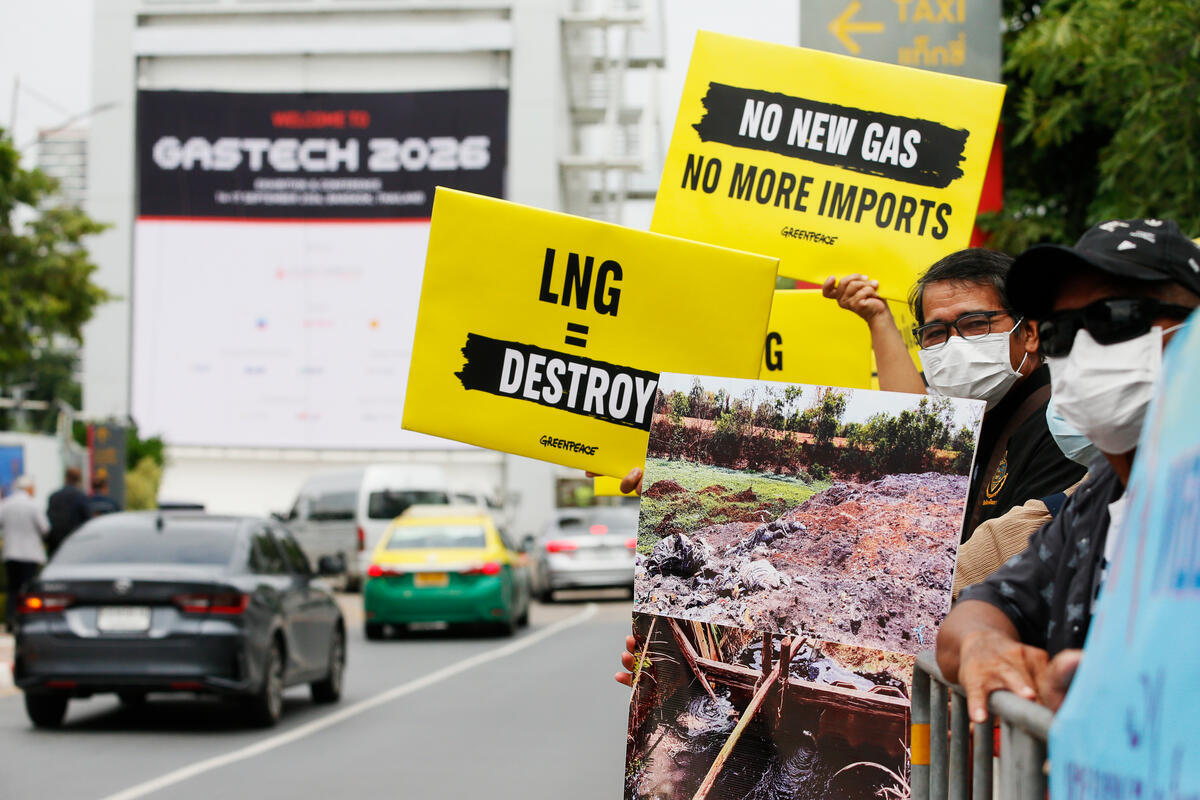
Greenpeace East Asia Slams Japan’s Gas Push and Outdated Auto Strategy at Gastech 2026 as a “Dangerous Climate Trap”
Reacting to speeches delivered today by Japanese government officials, including Tetsuya Azuma, Director at Japan’s Ministry of Economy, Trade and Industry (METI), at the Japan Energy Summit during Gastech 2026 in Bangkok, Greenpeace East Asia condemns Japan’s push to position fossil gas and fossil-fueled vehicles as drivers for regional growth and energy security.
-
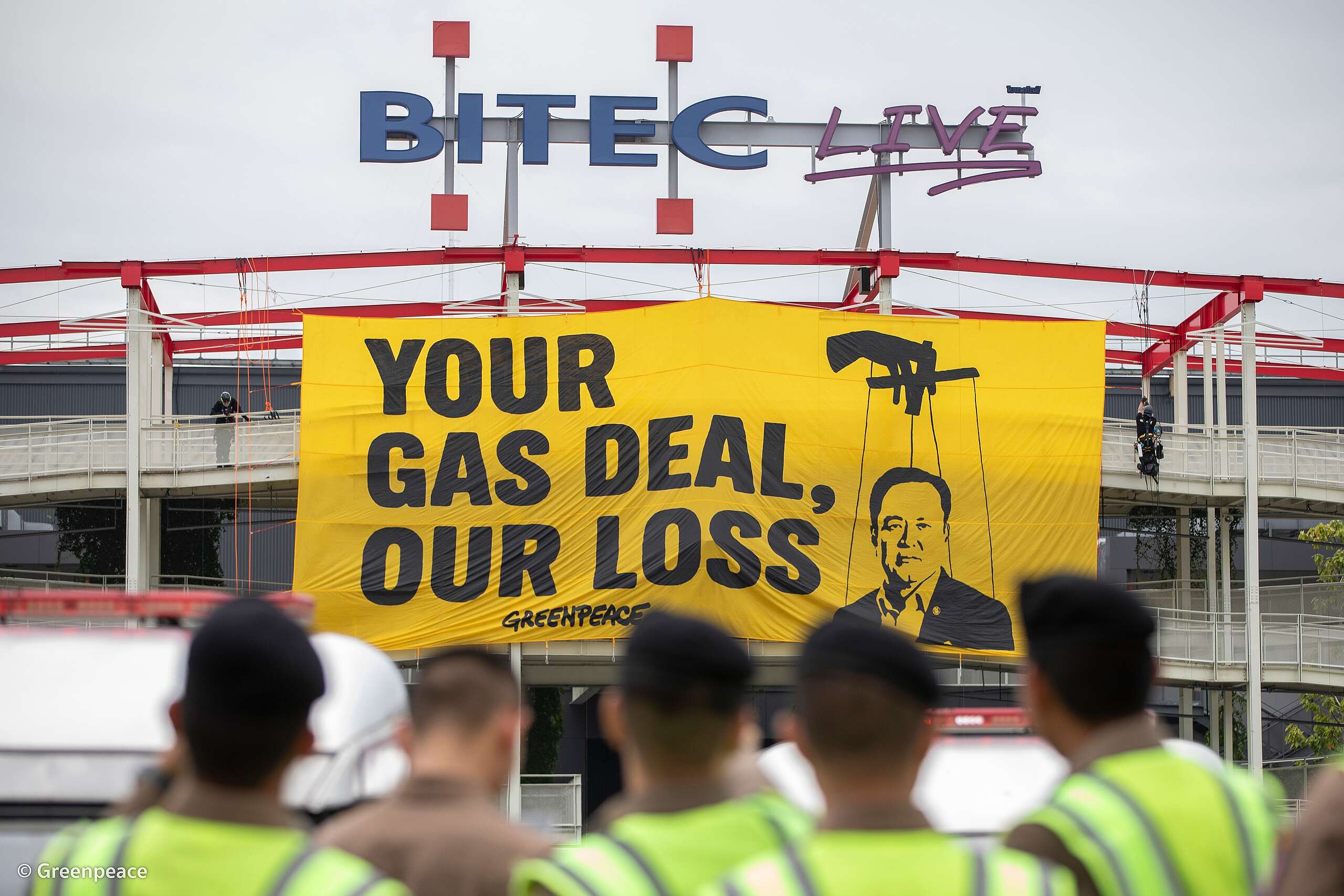
Greenpeace Thailand Calls Out Anutin’s Government at Gastech 2026: Stop Prioritizing Carbon Majors Over People’s Lives
Greenpeace Thailand activists unfurled a 17-by-7-meter banner with the message “YOUR GAS DEAL, OUR LOSS” at the opening of Gastech 2026 in Bangkok, calling out the Thai government and fossil fuel industry while challenging their promotion of fossil gas and LNG expansion as a solution for energy security, economic growth and the climate crisis.
-
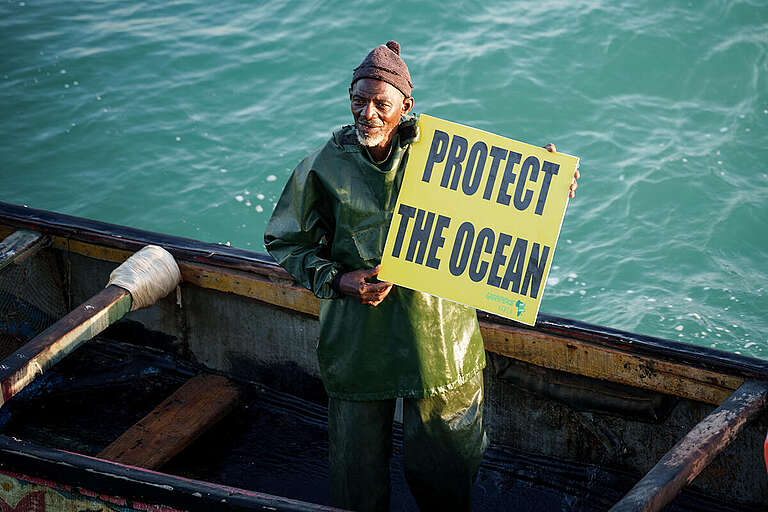
Greenpeace’s most read stories of 2026 so far
Our hottest reads for Earth’s hottest year.
-
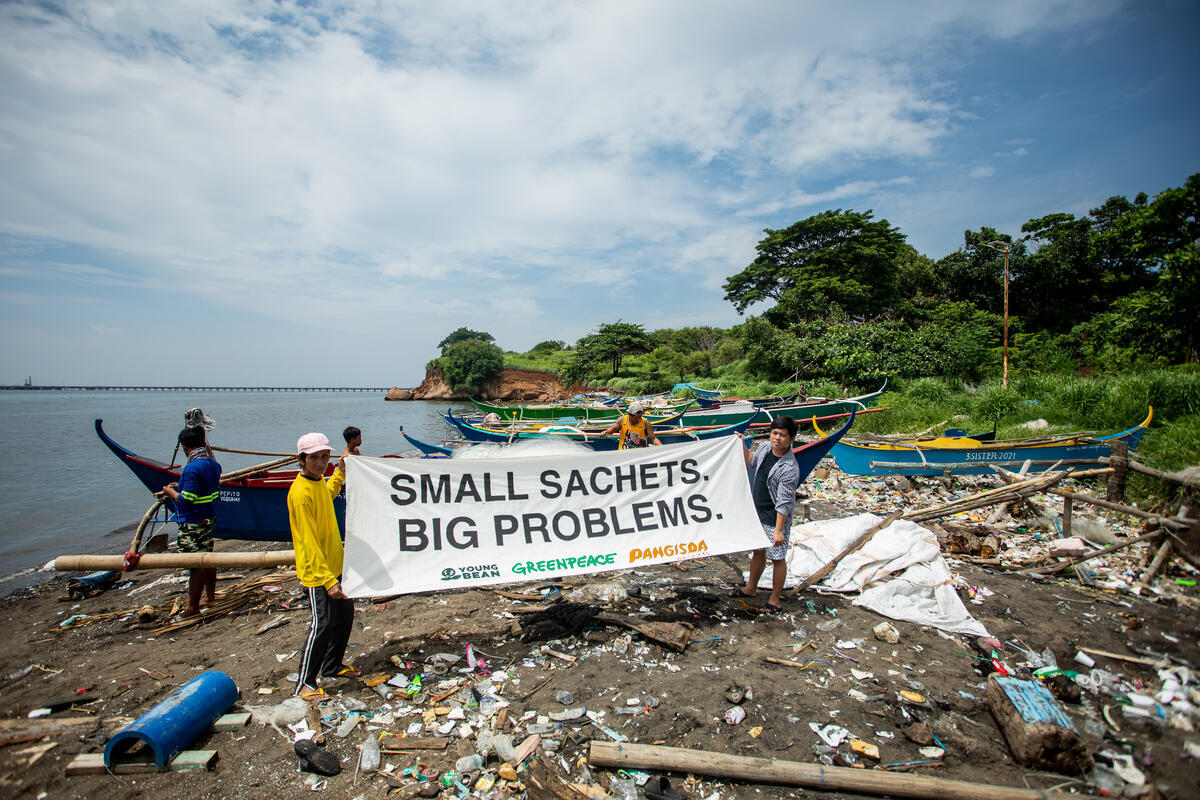
What Consumed reveals about Unilever and why the company must break its sachet habit
Brands like Unilever are now locked into disposability. Despite sustainability promises, the company continues to rely on sachets for volume and margins, even as the pollution becomes impossible to ignore.
-

From Manila to LA: How Greenpeace is turning Make Polluters Pay into law
Whether you live in Manila or in Los Angeles, you’re already feeling the impacts of the climate crisis. Scientific studies confirm Big Oil’s greenhouse gas emissions makes catastrophes significantly more likely to occur.
-
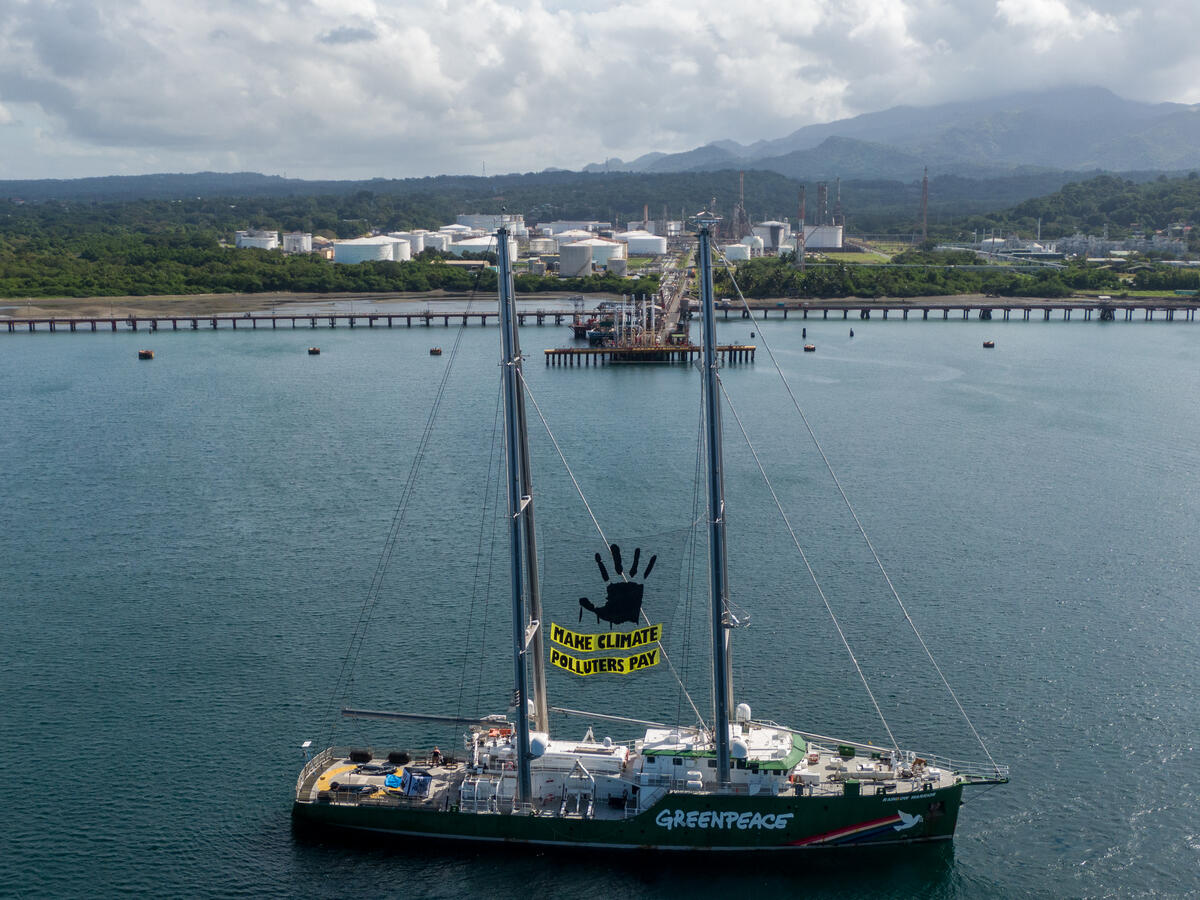
Greenpeace activists block Shell import terminal in support of Filipino climate-impacted communities
The fossil fuel companies most responsible for the climate crisis have become rich by exploiting people and the planet. Governments should make them pay for the damage their operations cause.
-
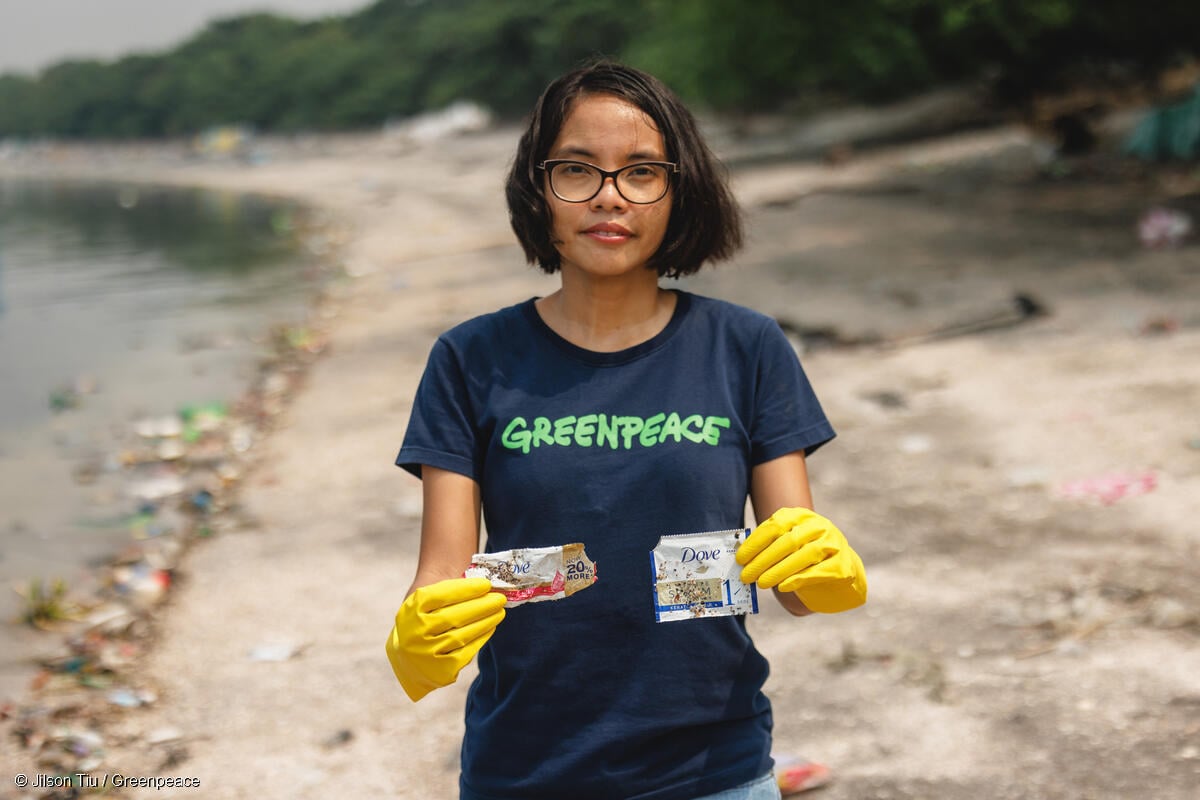
‘Real Beauty, Real Harm’: 3 ugly truths behind Dove’s ‘Real Beauty’
Dove’s chief execs will tell you they care about women and girls. They’re spending millions on ‘Real Beauty’ campaigns to convince you that their brand is a force for good. But behind their public image lies a true story of real harm.
-
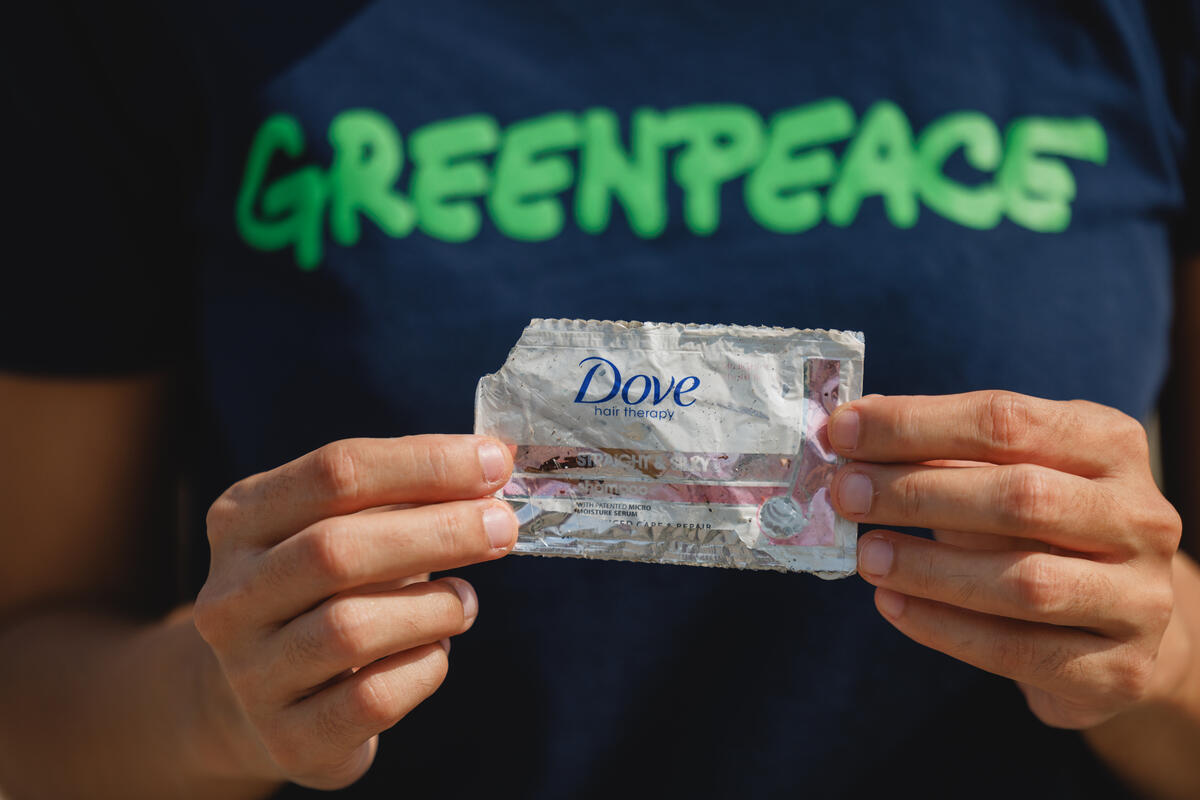
Unilever sells 1700 highly-polluting throwaway plastic sachets per second, Greenpeace reveals
Consumer goods giant Unilever is selling 1700 highly-polluting plastic sachets every single second, fuelling the global plastic pollution crisis and dumping huge amounts of waste on countries in the Global South, according to new figures released today by Greenpeace International.
-
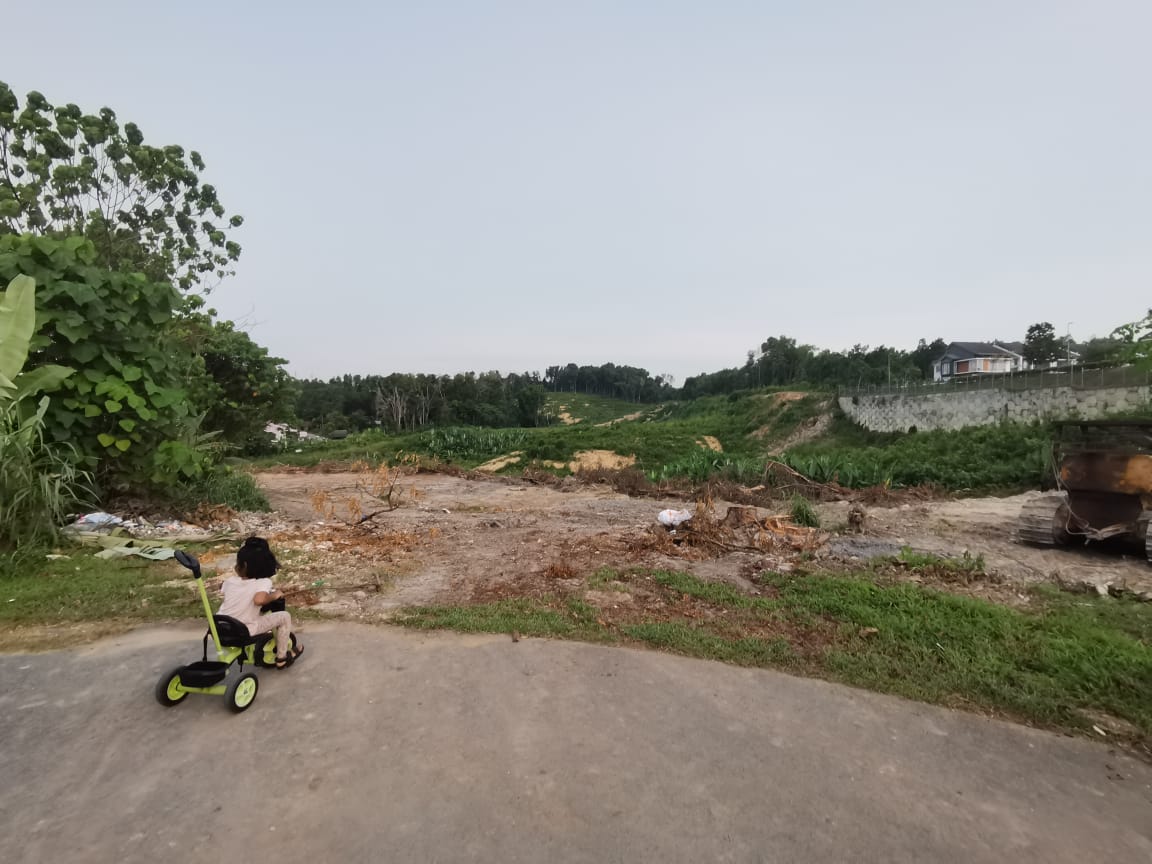
#UndiIklim | GreenpeaceMY Election Stories: Negeri Sembilan
By valuing our natural heritage, we must ensure a brighter and greener future for generations to come. We need to vote smart.
-
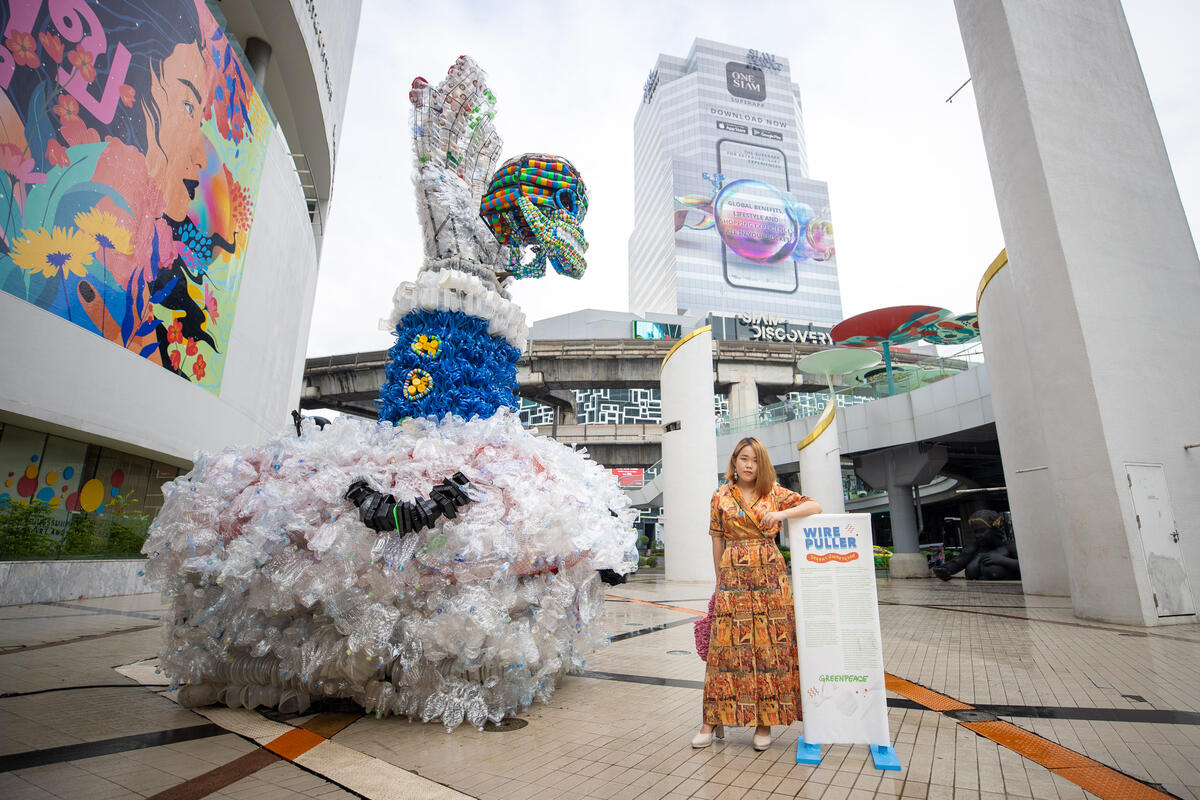
Meet WISHULADA, the artist who turns plastic wastes into probing works of art
I have been told many times that If there is no plastic waste then I don’t have any materials to do my work, but I think that’s a great problem to have. The reason that I’m still working on this is because I want to highlight plastic's environmental impacts.