
The importance of peat for health and climate
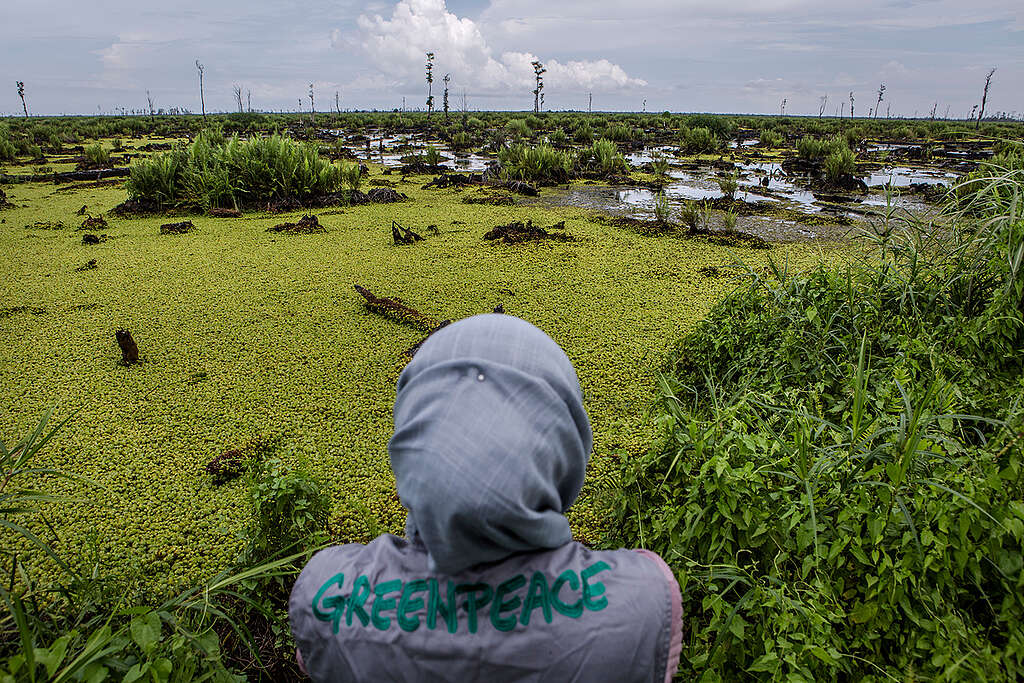
Indonesia’s peatlands cover about 15 million hectares, storing around 60 billion metric tons of carbon. These ecosystems are vital for carbon storage, water regulation, and biodiversity. However, conversion for palm oil and pulp & paper plantations are severely impacting the environment
How does peat form?
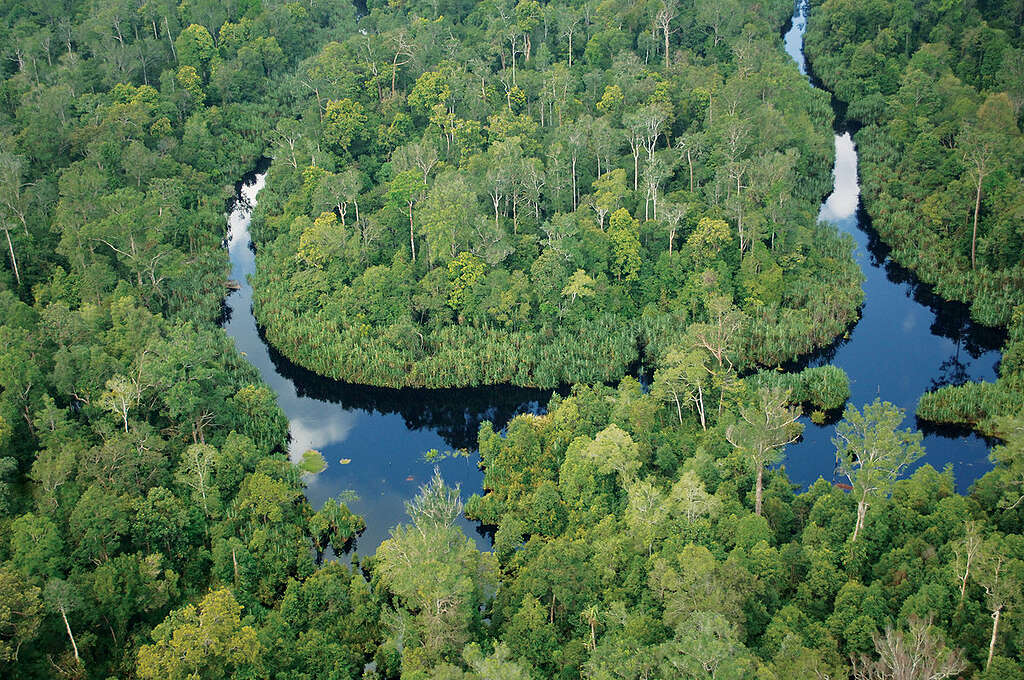
Peat domes form in tropical lowland areas with poor drainage, creating waterlogged conditions. Organic material from dense tropical forests accumulates and decomposes slowly, forming thick layers of peat. Over thousands of years, these layers build up, raising the surface to form a dome shape. The dome’s center, higher than its edges, relies on rainfall for water. These ecosystems store vast amounts of carbon and support diverse flora and fauna.
Why is peat so important?
1. Carbon Storage:
Peat domes store a massive amount of carbon, and their destruction releases significant amounts of CO2 into the atmosphere, contributing to global warming. Protecting these areas is crucial for climate change mitigation (Greenpeace) (Greenpeace).
2. Flood Control:
Peatlands act as natural sponges, absorbing water during rainy seasons and slowly releasing it during dry periods. This helps in mitigating floods and maintaining water supplies for surrounding communities (Greenpeace).
3. Biodiversity:
Peatlands are home to various endangered species, including orang-utans and tigers. Their destruction threatens these species and reduces biodiversity (Greenpeace).
4. Public Health:
It is estimates that Indonesia’s forest and peatland fires are behind an estimated 110,000 premature deaths a year via respiratory and cardiac illnesses caused by the resulting smog — and that’s just in your average year. Preventing these fires is essential for protecting public health.
What happens when you drain a Peat Dome?

- Natural situation
Peat accumulates over thousands of years, sequestering carbon from the forest above and creates a waterlogged dome between 5 – 50 km in diameter. The water table lies close to the surface.2. - Drainage
When sections of the peat surface deforested and drained, the water table lowers and preventing further carbon intake. Once exposed to the air, peat starts to decompose. - Continued drainage
Decomposition of dried out peat releases C02 and causes land subsidence. With dried out peat comes a high fire risk of long term smouldering underground fires. - End stage
Unless conservation/mitigation measures are taken, within decades, most of the carbon above the drainage limit will have been released and the land will have subsided.
How to save Indonesia’s Crucial Peatlands?
Quite simply by halting any further de-forestation and draining of Indonesia’s peatlands they can then go through a process of re-flooding, repairing and regenerating. This will save the remaining CO2 from being released, prevent fires and restore health.
The Greenpeace Forest Fire Prevention Team works with local community in Ketapang to dam and re-flood an area of peatland. © Rendra Hernawan / Greenpeace

How you can help
No posts found.
-

End the War. Stop the Destruction.
Greenpeace Southeast Asia condemns the escalating war in Southwest Asia and the governments driving it. Since February 2026, military strikes, including those carried out by the United States and Israel…
-
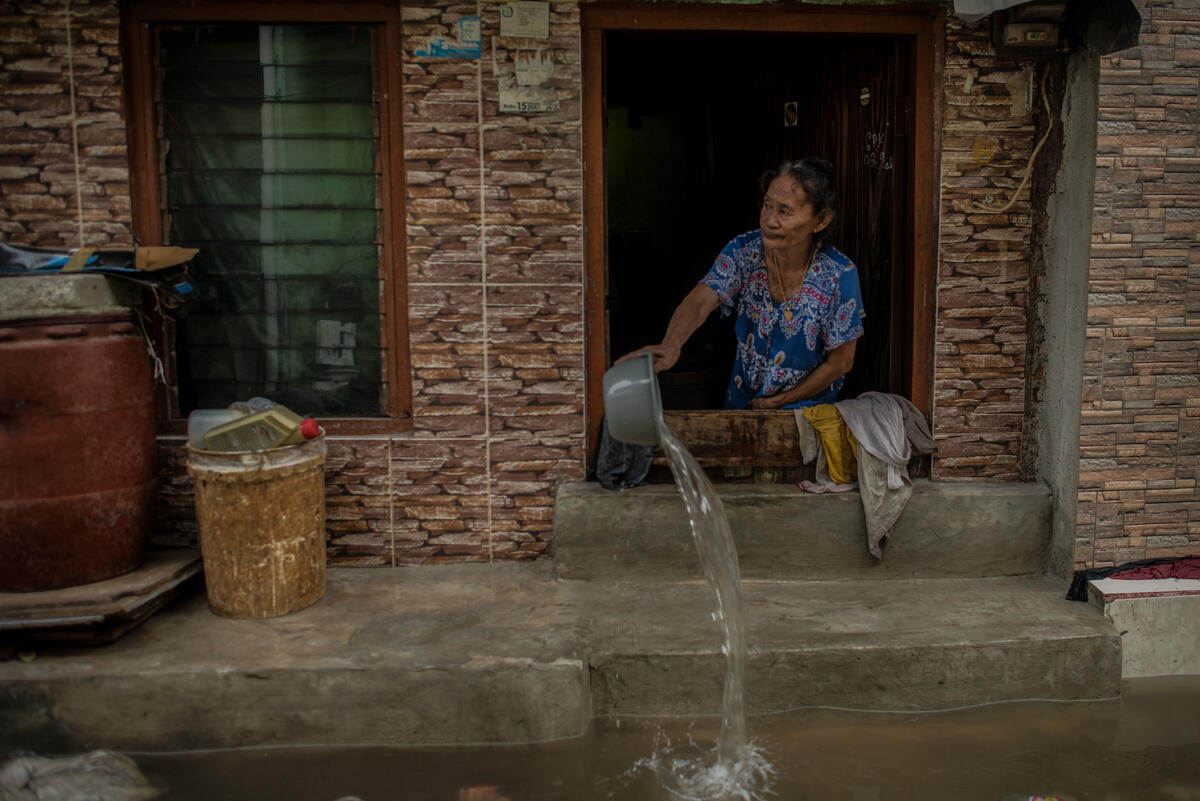
Facing floods in one of the world’s fastest-sinking cities is how I found out that the climate crisis is tougher on women
And as a woman who experienced countless floods in Jakarta, I can testify: the climate crisis is not just. It’s not gender-neutral.
-
Thailand–Japan LNG Deal Risks Locking Thailand into Decades of Fossil Fuel Dependence
Bangkok, 13 March 2026 — The Thai government’s decision on 10 March 2026 to extend the Thailand–Japan Memorandum of Understanding (MOU) on Liquefied Natural Gas (LNG) cooperation for another three…