
Reacting to this development, Greenpeace Africa’s Senior Food for Life Campaign manager, Renee Olende has said:
“The National Environment Management Authority (NEMA) has turned a blind eye on a thriving black market for plastic bags in Kenya. Traders in several countries still use plastic bags despite the ban being in place. NEMA needs to put more effort and seal all loopholes for effective implementation of this ban and uphold its commitment to the East African Community Polythene Materials Control Bill.”
The plastic ban in Kenya is a bold and timely step as it contributes to the global effort of protecting the environment. Plastic constitutes 60-80% of all marine litter and is increasing at an alarming rate. It leads to the loss of marine live, flooding of Kenya’s cities, causes animal death, clogged waterways, soil degradation, landscape litter soil, toxic air and water pollution.
“Although majority of Kenyans have generally showed willingness to accept the change, many continue to use the prohibited bags. NEMA needs to undertake civic education and extensive awareness program to educate the public on the negative impacts of plastic to both humans and the environment and the alternative options available. The government of Kenya should also subsidise the eco- friendly bags, ” continued Olende.
[1] The East Africa Legislative Assembly (EALA) passed the East African Community (EAC) Polythene Materials Control Bill in 2016.This was aimed at providing a legal framework for the preservation of a clean and healthy environment through the prohibition of manufacturing, sale, importation and use of polythene materials.It is imperative that all member states adhere to this legislation and ban plastics in their countries. This ban will be more effective if all countries in the East African Community impose similar laws.
Media Contact:
[email protected]; Communication Officer; + 254 708 056 207
Want to see more from Greenpeace?
 Add as a preferred source on Google
Related Posts
-
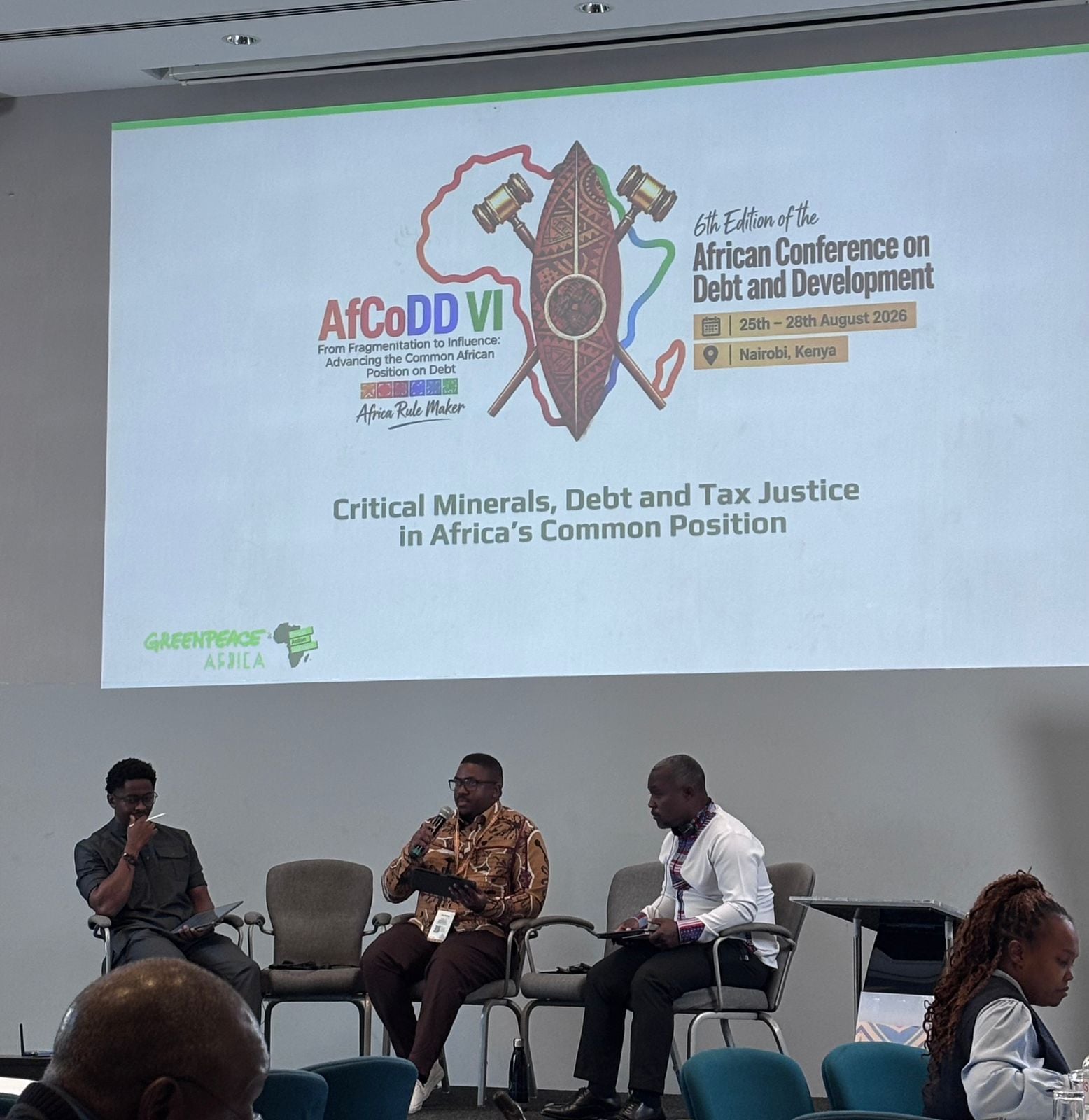
Africa must not trade its critical minerals for another debt crisis
Civil society urges governments to disclose resource-backed deals, strengthen mining taxation and protect communities under the Common African Position on Debt.
-

Kenya urged to plug plastic ban loopholes as campaigners handover Refill and Reuse Policy recommendations
Environmental groups are calling on the Kenyan government to seal smuggling loopholes that allow illegal single-use plastics to flood local markets. The demand was made in Nairobi during the handover of policy recommendations to key decision-makers on the anniversary of Kenya’s landmark plastic bag ban.
-
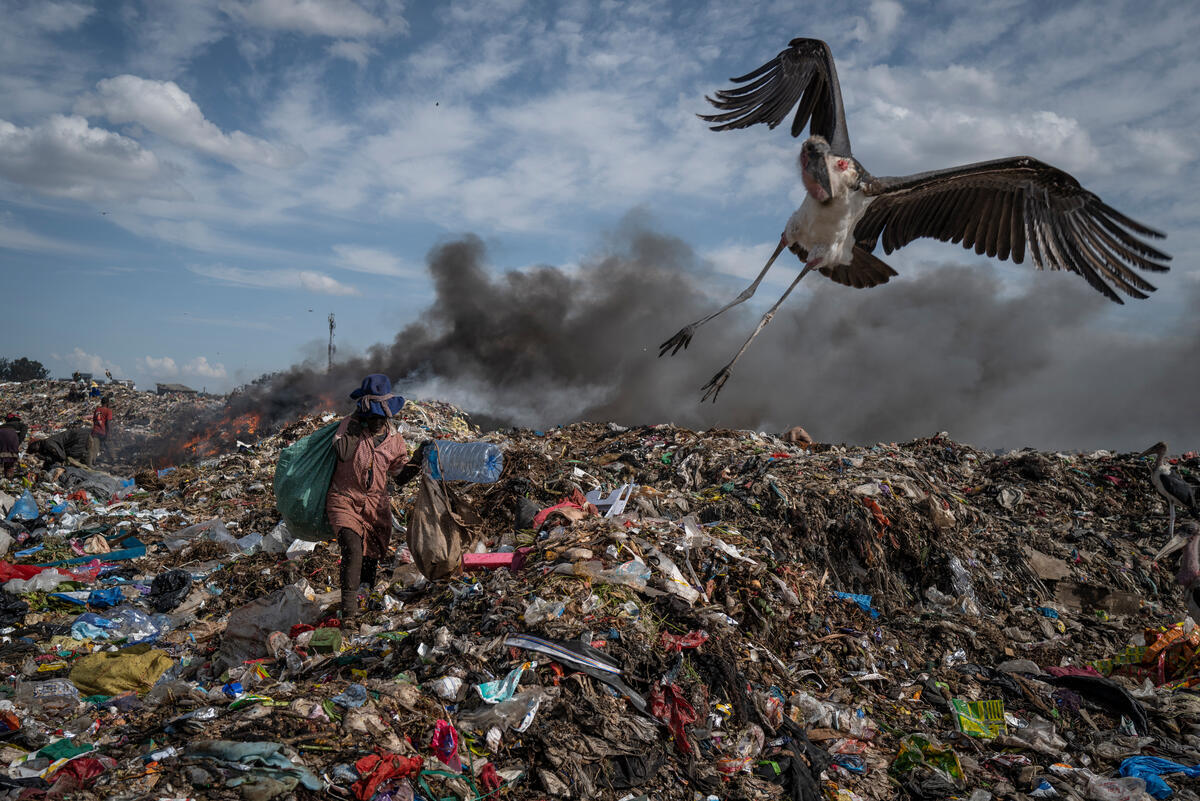
Policy Recommendations: Strengthening Refill and Reuse Systems in Kenya’s Environmental Framework
Multiple policy, legal and regulatory frameworks remain largely focused on recycling and post-consumer waste management, rather than preventing waste through systemic refill and reuse solutions. While reuse is mentioned conceptually in EPR regulations, they are not yet supported through specific mandates, standards, or incentives. This creates a critical policy gap especially as Kenya grapples with…