
All articles
-
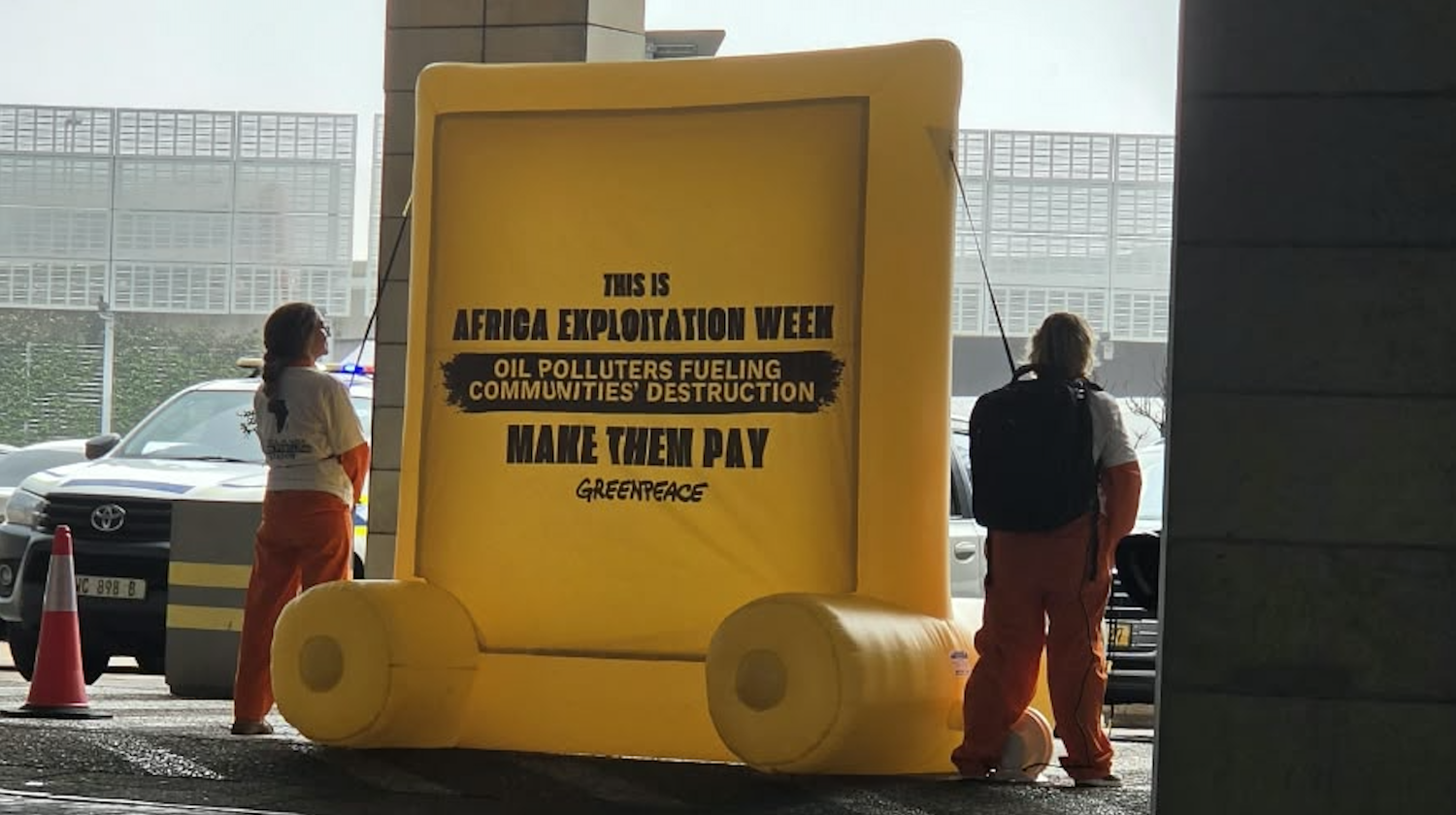
Pay Baby Pay: African activists confront oil majors at African Energy Week
Greenpeace Africa activists today confronted oil and gas companies at African Energy Week (AEW) in Cape Town, demanding that the companies stop looking away from the human cost of the climate crisis and pay for the loss and damage they are driving.
-
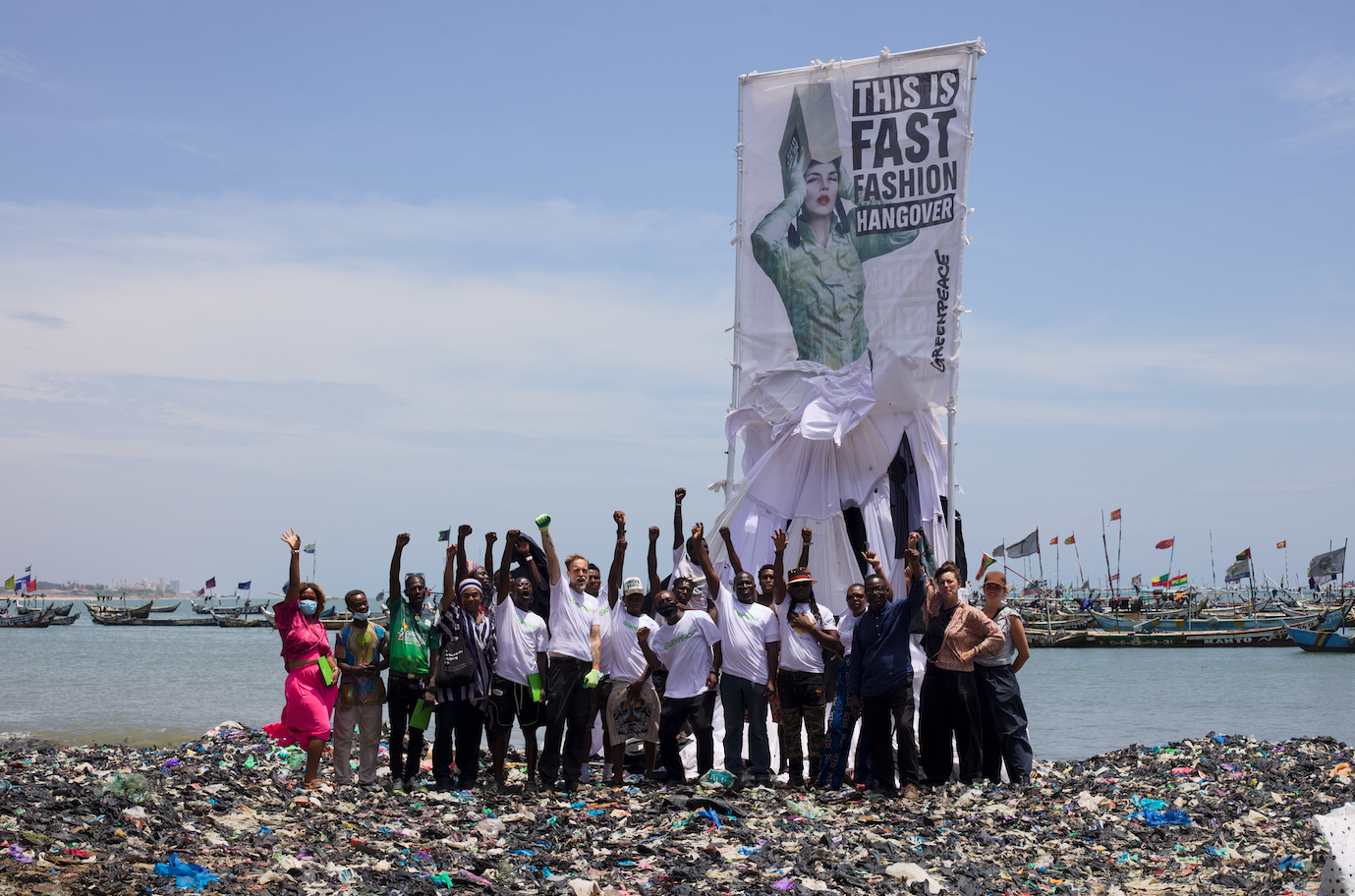
Greenpeace reveals brands found in Ghana’s textile waste as anti fast fashion installation is unveiled
Following a brand audit in Accra, Greenpeace calls for producer accountability and stronger protection for Ghana’s clothing economy, public health and the environment.
-
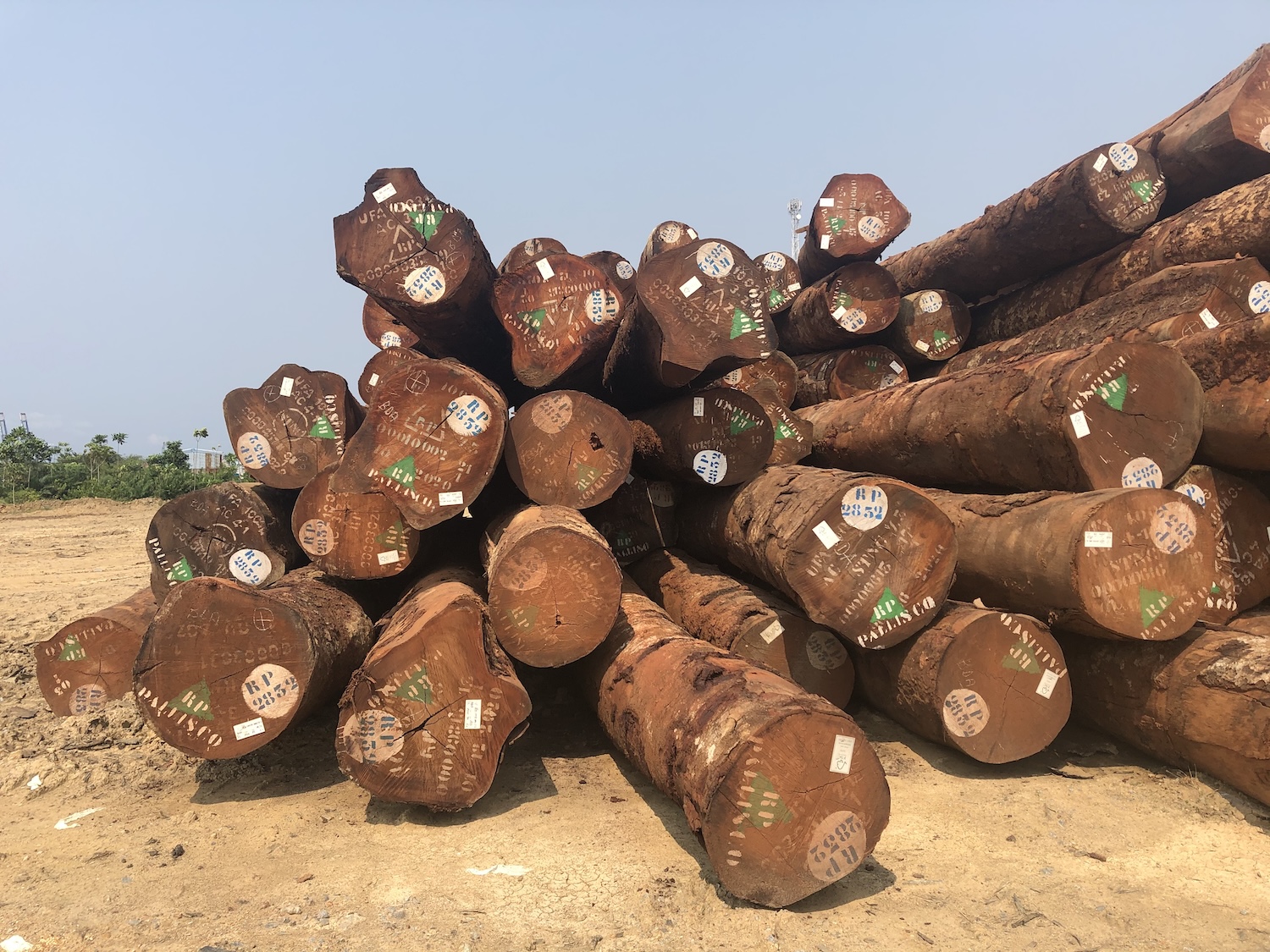
After the flood, before the next storm: Cameroon needs adaptation, not an endless cycle of emergency relief
28 September 2026, Douala – As Cameroon remains under climate vigilance during the rainy season, Greenpeace Africa is calling for weather warnings to be matched by stronger investment in prevention, adaptation and protection for communities.
-
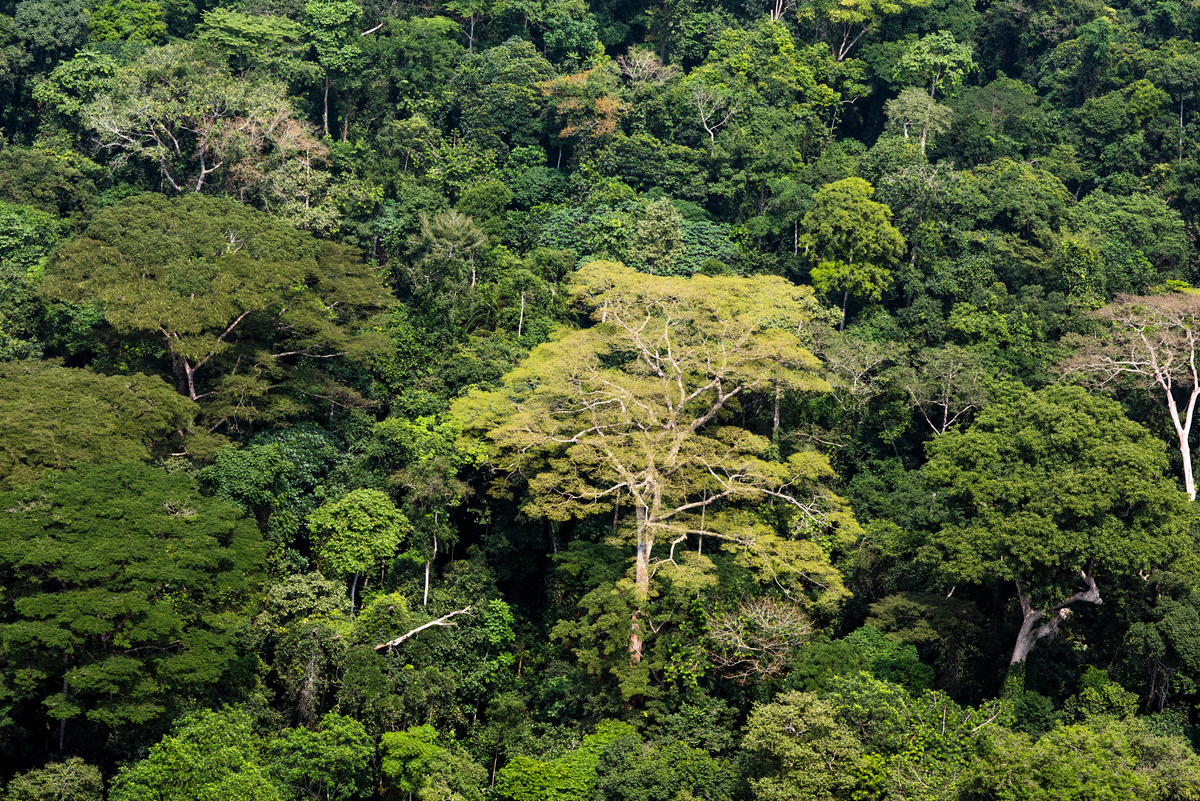
Ahead of UN General Assembly President Tshisekedi urged to halt expansion of extractive projects in Kivu-Kinshasa Green Corridor
Greenpeace Africa and its partners released an open letter addressed to the President of the Democratic Republic of the Congo (DRC), His Excellency Félix-Antoine Tshisekedi Tshilombo, calling on him to take concrete action to safeguard the integrity of the Kivu-Kinshasa Green Corridor (KKGC) from the expansion of new oil, gas and mining projects.
-

Senegal’s coastal communities unite as extractive industries close in.
From Saint-Louis to Djiffer, communities are joining forces to defend fishing, farming and local livelihoods with a shared platform for action.
-
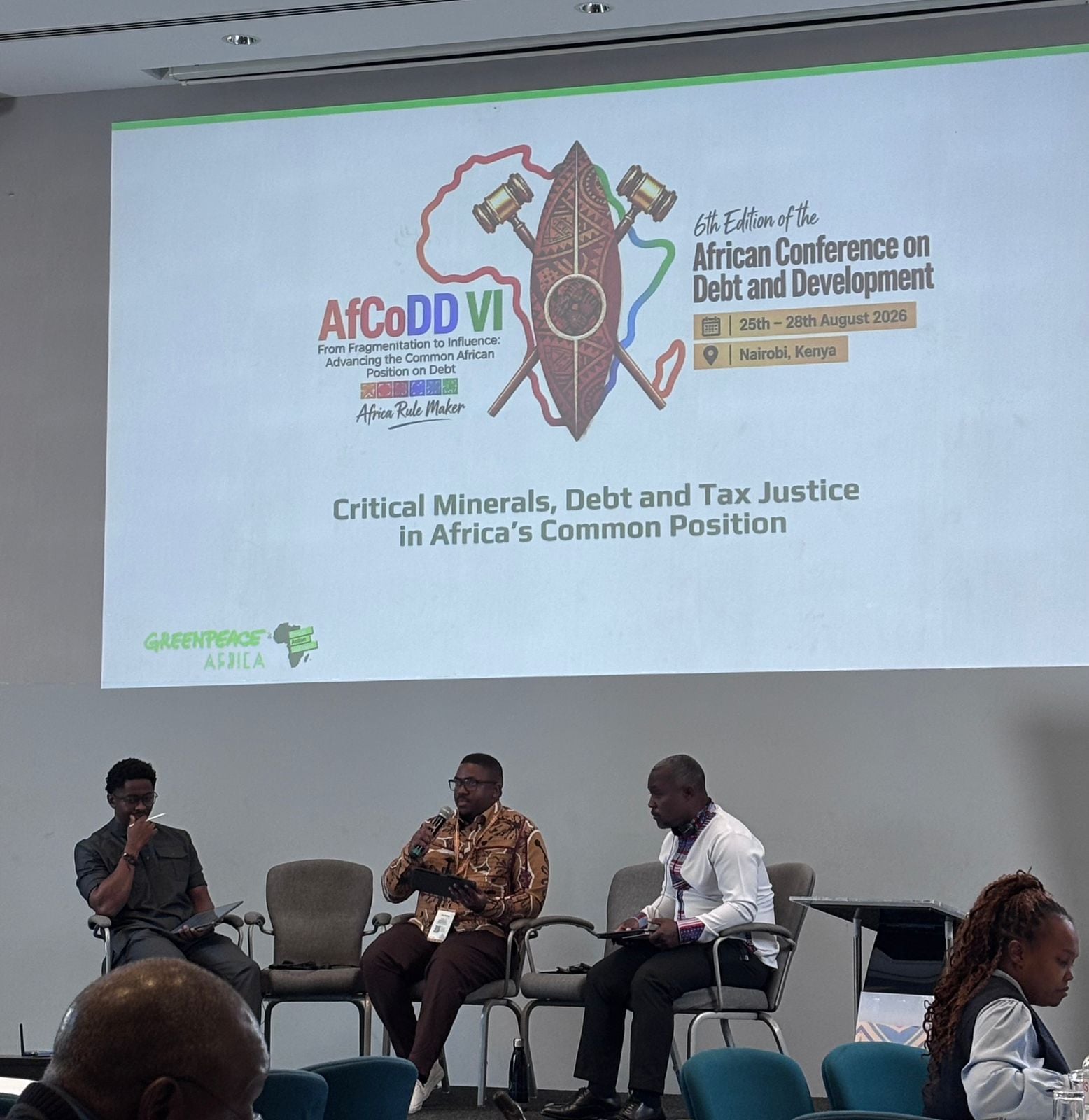
Africa must not trade its critical minerals for another debt crisis
Civil society urges governments to disclose resource-backed deals, strengthen mining taxation and protect communities under the Common African Position on Debt.
-

Kenya urged to plug plastic ban loopholes as campaigners handover Refill and Reuse Policy recommendations
Environmental groups are calling on the Kenyan government to seal smuggling loopholes that allow illegal single-use plastics to flood local markets. The demand was made in Nairobi during the handover of policy recommendations to key decision-makers on the anniversary of Kenya’s landmark plastic bag ban.
-
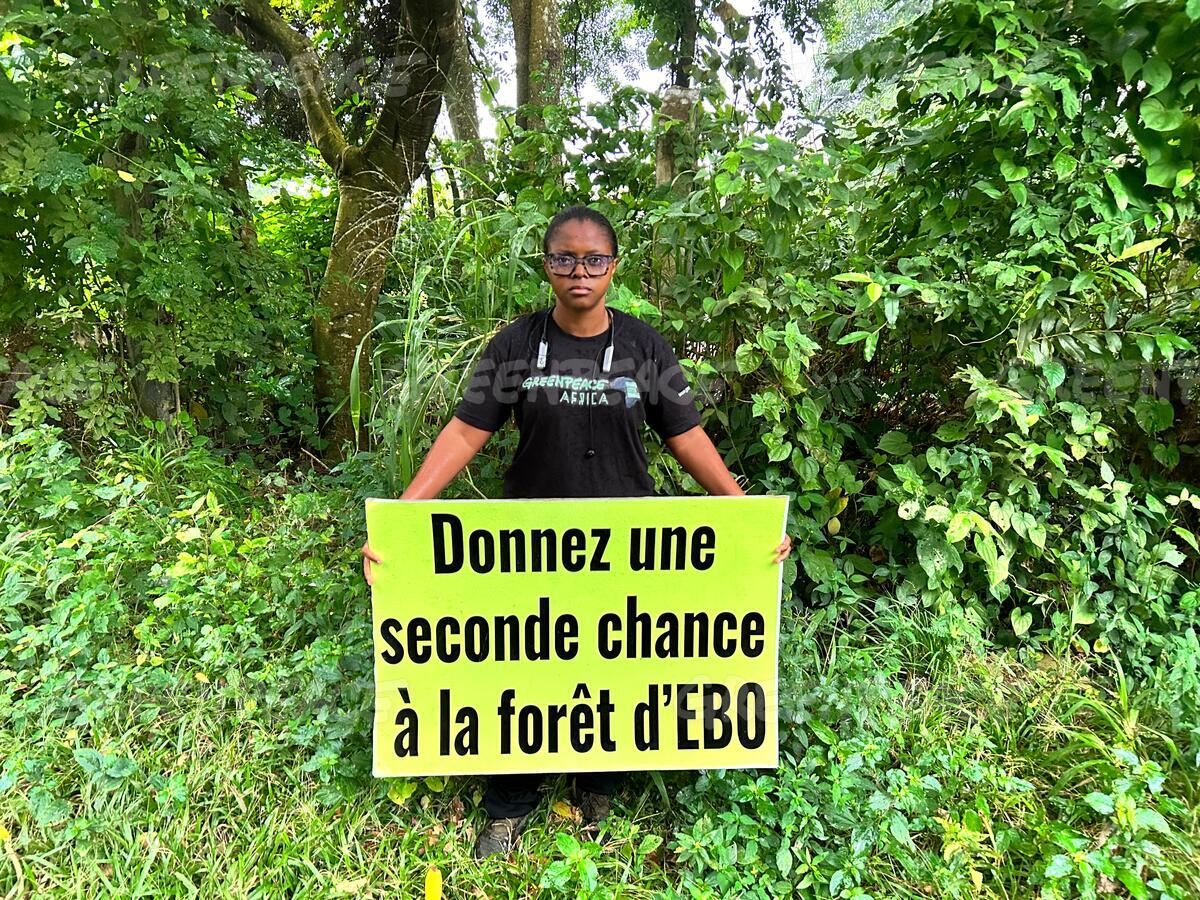
As Cameroon celebrates its WAFCON victory, communities push for victory for Ebo Forest too.
As Cameroon celebrates the triumph of the Indomitable Lionesses on the African stage, attention must also turn to another national heritage at a crossroads: Ebo Forest and the need to secure the customary land rights of the Banen communities, who have claimed these ancestral territories for generations.
-

Landmark judgment in South Africa permanently halts Shell’s Wild Coast oil and gas exploration
South Africa’s Constitutional Court has delivered a decisive victory for Wild Coast communities, ocean justice and environmental rights, by setting aside the exploration right that would have allowed Shell and Impact Africa to search for oil and gas off the Wild Coast, and closing any renewal route.
-
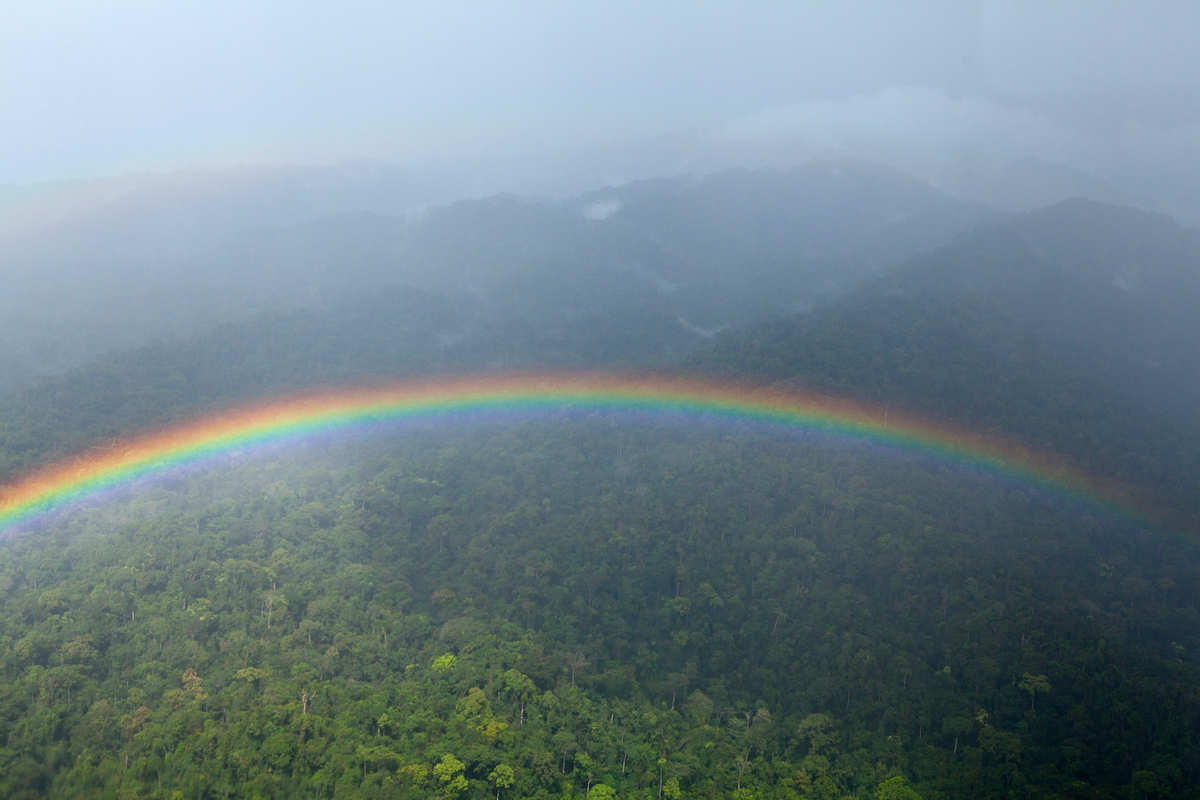
As the Indomitable Lionesses of Cameroon roar with pride, Greenpeace Africa calls for a second chance for Ebo forest
As Cameroon celebrates the extraordinary journey of the Indomitable Lionesses, who transformed an unexpected opportunity into a place in the final of the Women's Africa Cup of Nations (WAFCON) and qualification for the 2027 FIFA Women's World Cup, Greenpeace Africa believes their remarkable story carries a powerful lesson beyond football.