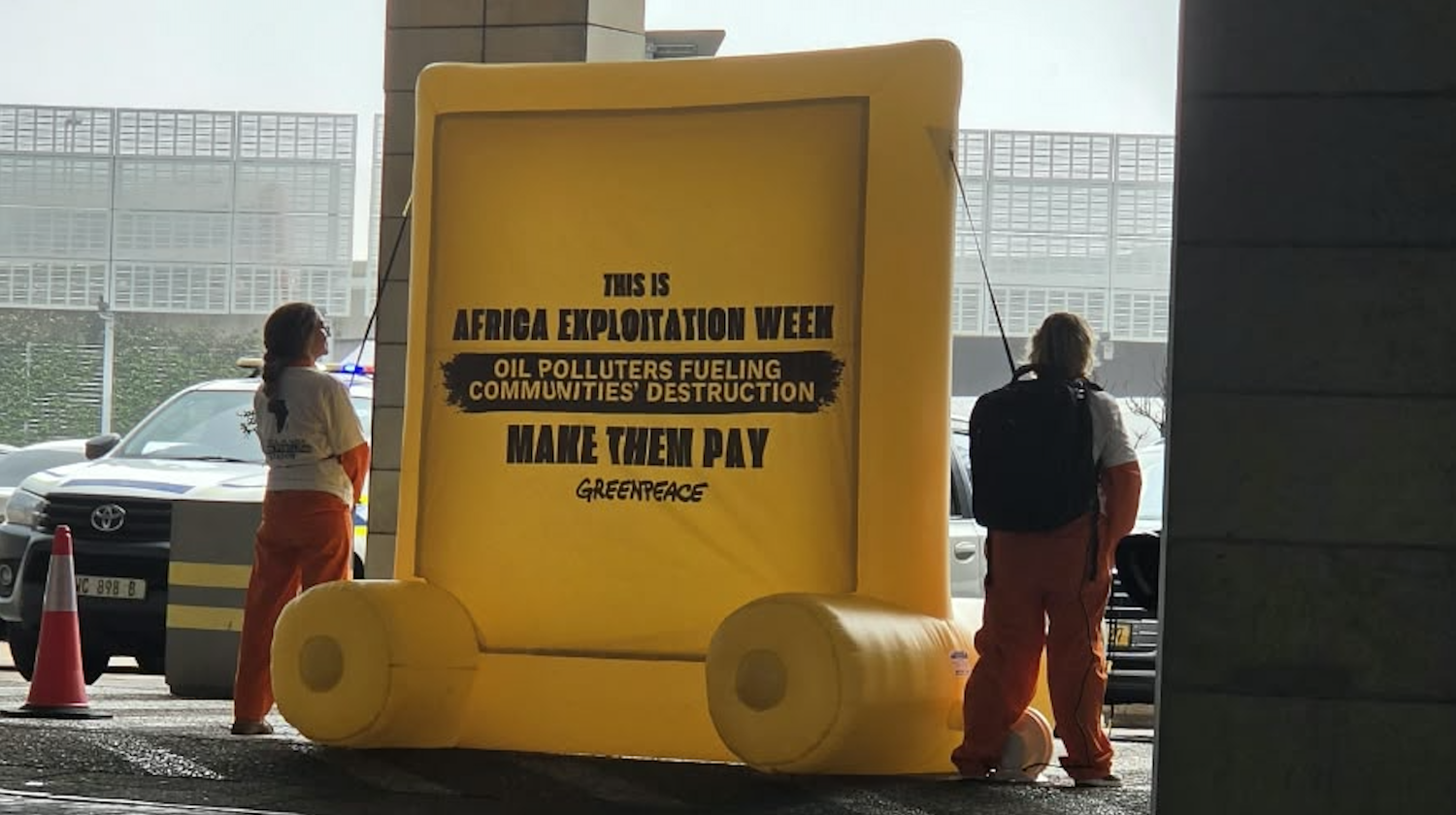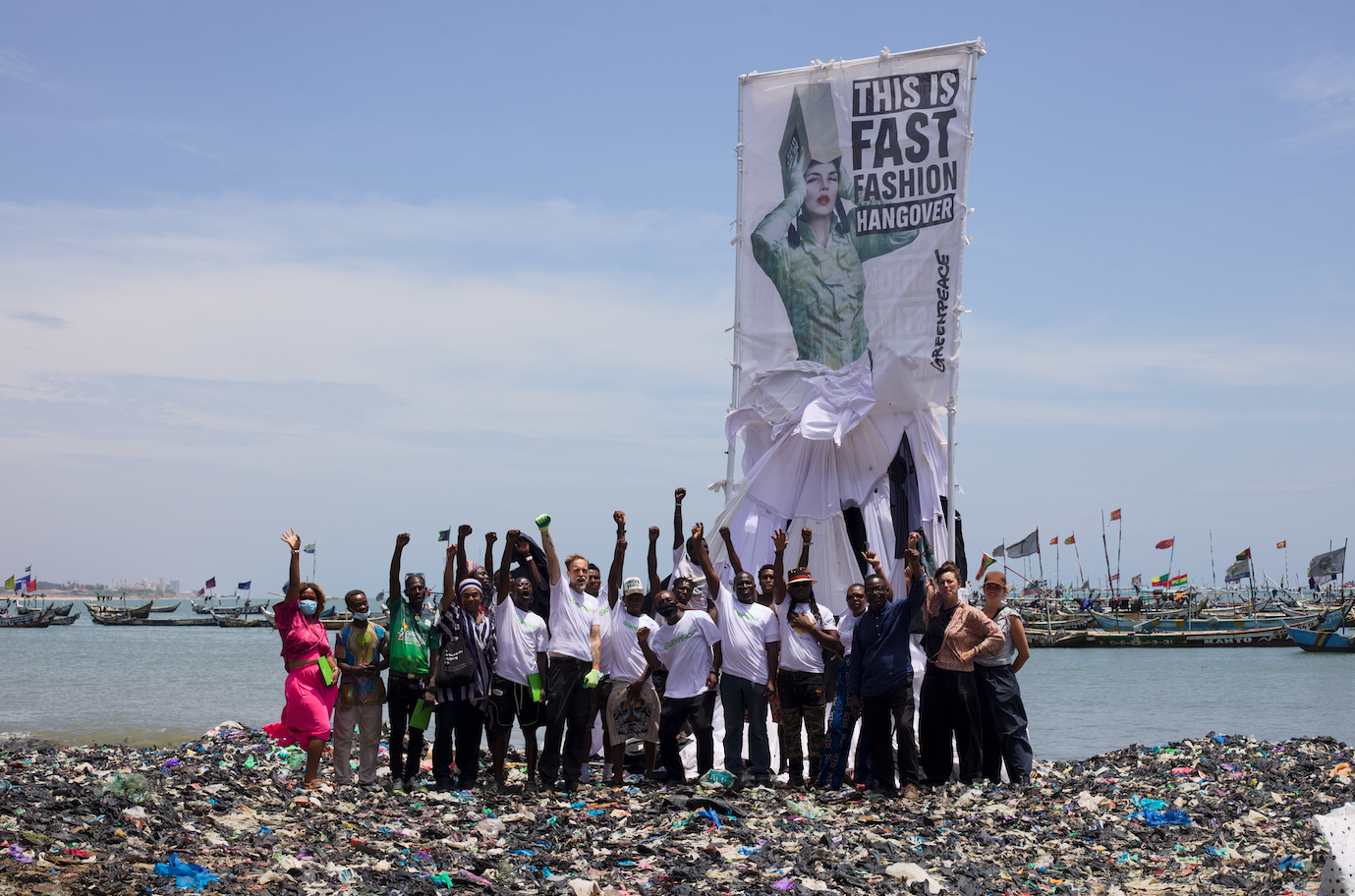
Heavy rain doesn’t have to become a disaster. What happens next depends on more than the weather. A changing climate, poorly prepared cities, blocked drainage, plastic waste and damaged ecosystems can all make flooding worse.
In Cameroon, these risks are increasingly colliding and communities are paying the price.
A changing climate raises the stake
As deforestation within the Congo Basin Region extends, the environment warms faster, extreme rainfall becomes a growing threat in many parts of Central Africa.
This means heavier downpours can hit communities that are already vulnerable.
The problem isn’t the rain itself. It’s what happens when extreme weather meets weak protection.
Rains should not bring chaos to a city
Flooding becomes more destructive when drainage systems cannot cope, waste blocks waterways, infrastructure is inadequate, or communities are left exposed.
Plastic pollution is part of that problem. But this is bigger than individual behaviour. It is also about how our cities are planned, how waste is managed and whether authorities hold plastics producers accountable.
Healthy ecosystems are part of our protection
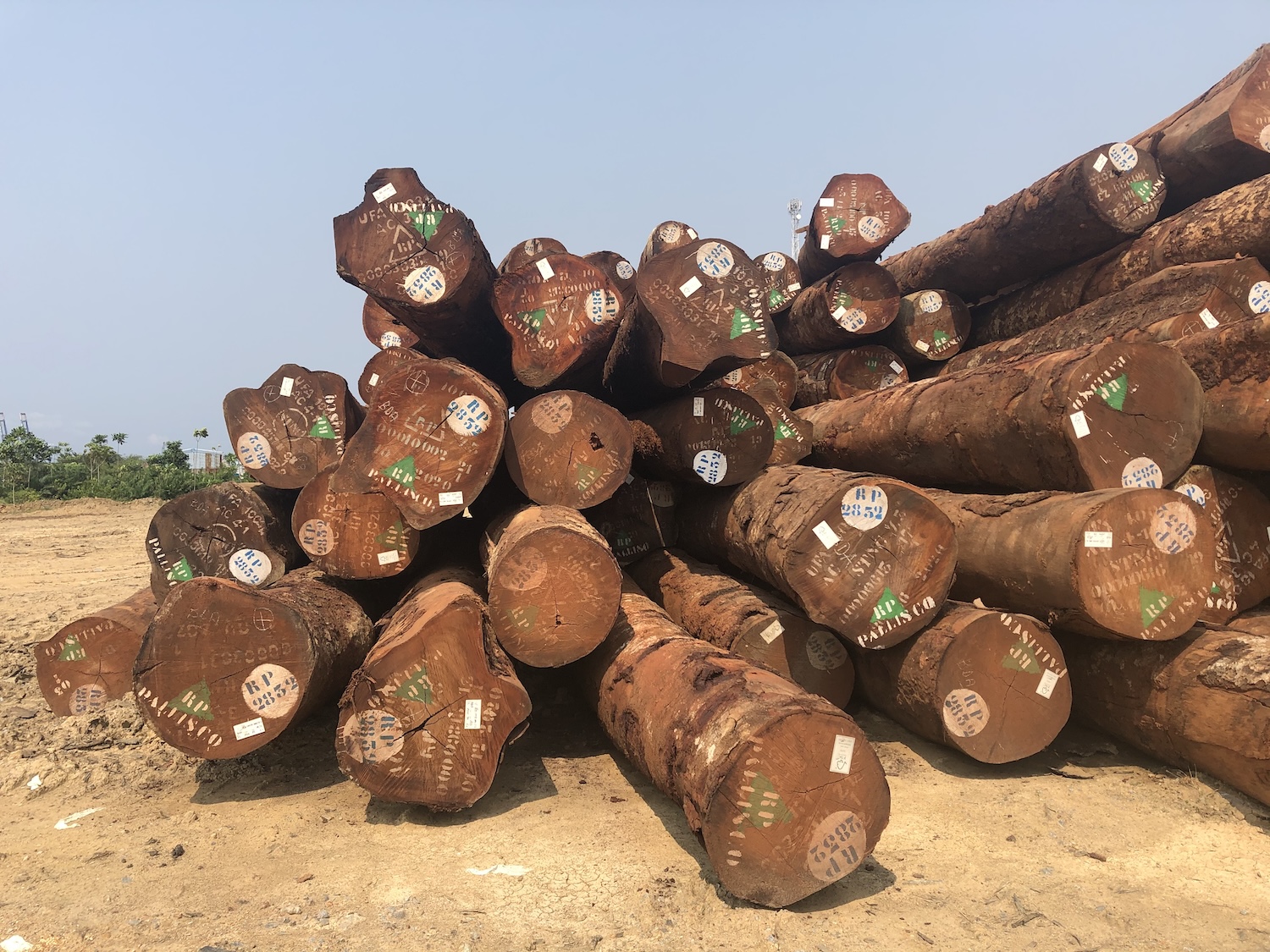
Forests, soils and other ecosystems help regulate water, protect the land and make communities more resilient. When they are degraded, we lose part of the natural protection we rely on.
Protecting people from climate disasters means protecting nature and communities who depend on it.
So what can we do?
Cameroon already knows many of the solutions. What is needed now is action.
Greenpeace Africa is calling on the Government of Cameroon to:
→ Invest in flood-resilient infrastructure and drainage systems that protect communities.
→ Strengthen prevention, preparedness and emergency response for extreme weather.
→ Protect forests and other ecosystems that strengthen climate resilience.
→ Tackle plastic pollution at the source, improve waste management and hold producers accountable.
And major polluters must:
→ Cut the emissions driving the climate crisis.
→ Pay their fair share for climate damage and adaptation, so that communities that contributed the least to the crisis are not left carrying the biggest burden.
-
After the flood, before the next storm: Cameroon needs adaptation, not an endless cycle of emergency relief
28 September 2026, Douala – As Cameroon remains under climate vigilance during the rainy season, Greenpeace Africa is calling for weather warnings to be matched by stronger investment in prevention, adaptation and protection for communities.