
The current situation exposes a failed food system in which government supports industrial agriculture over small scale farmers who produce a bulk of the food consumed by Kenyans and constitute 30% of Kenya’s farming population. Industrial Agriculture has disastrous consequences for the environment, for local farmers, consumers and the overall food system.
Greenpeace Africa calls on the government of Kenya to adopt a food system where all farmers and consumers benefit from the diversity of produce grown sustainability in a safe and healthy manner. Sustainability grown food is guaranteed through ecological farming – a farming practice which combines indigenous knowledge, modern science and innovation with respect for nature and biodiversity. It ensures healthy farming and healthy food. It protects the soil, water and the climate. It does not contaminate the environment with chemical inputs. It places farmers, consumers and producers, not corporations at its very heart.”
Media Contact:
[email protected], Communications Officer, + 254 717 104 144
Related Posts
-

Ngong Road Forest wins in court – The battle for Kenya’s forests continues
Kenya's Ngong Road Forest won a historic victory yesterday. A protected public forest that was being carved up behind closed doors; its trees cleared, its soil broken, its licences signed in secrecy; has been given back to the people it belongs to.
-
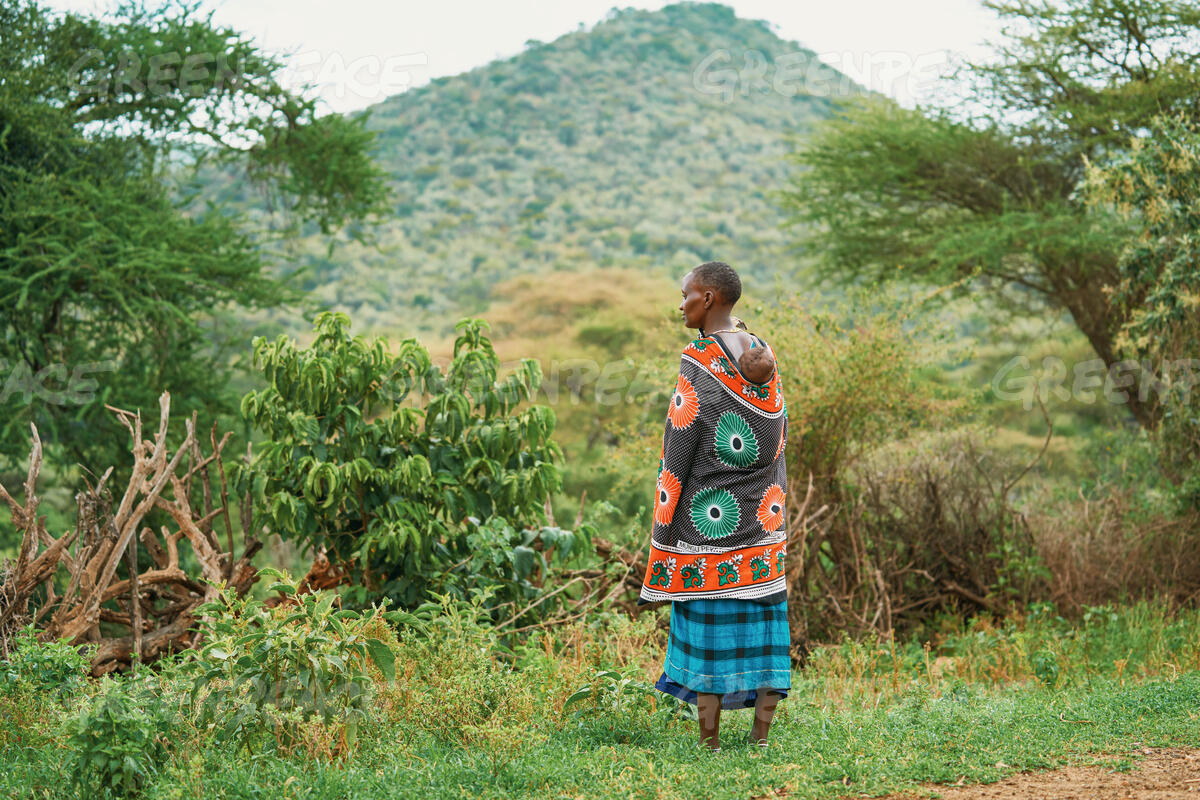
The Ritz-Carlton luxury lodge threatening Maasai livelihoods, the Great Migration and Kenyan pride
Community members, wildlife experts and long-time guides in the Maasai Mara have been raising concerns for months about the Ritz-Carlton Safari Camp being built along the Sand River. Their warnings, now supported by independent reporting, show a development that threatens the balance of the Mara ecosystem and sidelines the rights of the Maasai people whose…
-
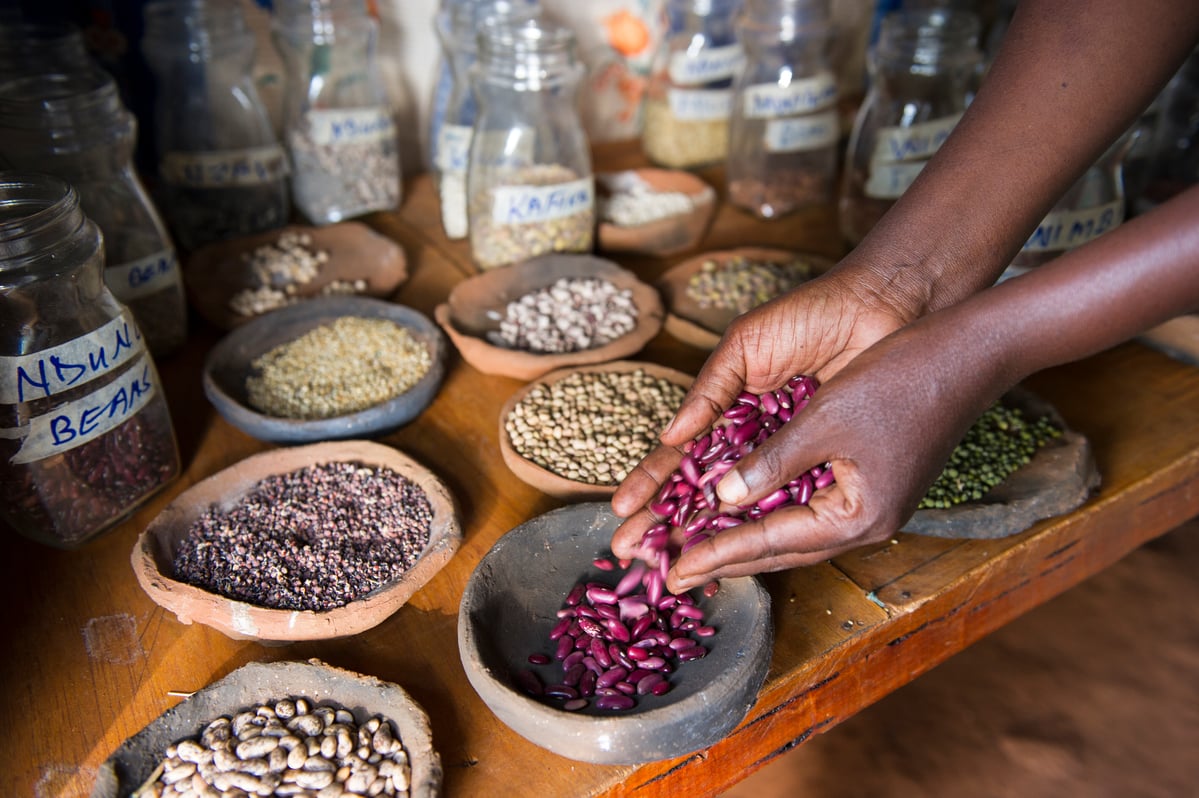
HISTORIC VICTORY: Kenyan Court Rules “Sharing Seeds is Not a Crime” in Landmark Verdict for Food Sovereignty
This judgment establishes powerful legal precedent globally, affirming that the ancient right of farmers to save and share seeds supersedes commercial interests, reshaping the legal balance of power between communities and agribusiness worldwide.