
As Beijing experiences the glory of a double, back-to-back round of temporary blue skies – “Athletics World Championship Blue” and “Parade Blue” – the Chinese government has revised the Law of the People’s Republic of China on the Prevention and Control of Air Pollution, the legal document which will shape China’s long term approach to air pollution.
So, after this period of blue skies, will we finally see “temporary blue” become an “everyday blue”?
It’s possible- but it’s still a long way off.
In September last year, Greenpeace East Asia offered a number of suggestions for the revision of the Air Pollution Prevention Law, some of which have been taken on board in the new drafts as well as the final version.
However, an important article about setting up a national coal consumption cap, which was included in a 2014 draft for comments, has been excluded from the revised law.
As the main source of air pollution in many parts of the country, a restriction of coal consumption across the whole country is absolutely critical to bringing air quality back to safe levels.

Denying the Facts
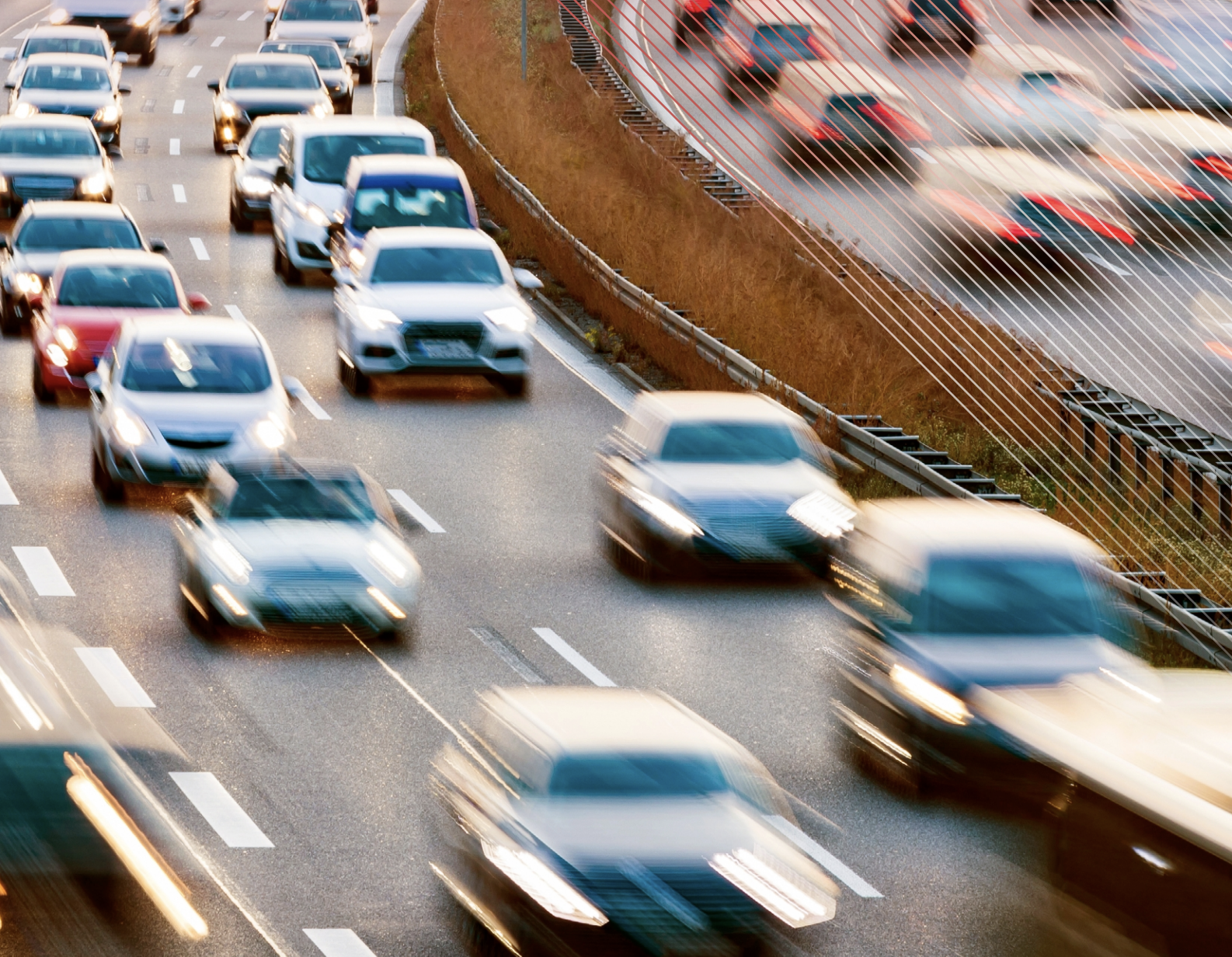
Instead, in the revised Air Pollution Prevention Law, lawmakers have placed an emphasis on vehicle emissions, even going into such minute detail as to stipulate after how long a stationary car must have its engine turned off (three minutes, for those who are interested).
But this misses the point, and denies the facts that experts have pointed to for years – that the burning of coal is the number one source of harmful air pollution.
In 2013, a Greenpeace report, Tracing Back the Smog, provided evidence that 25% of PM2.5 primary emissions in the Beijing-Tianjin-Hebei area, home to over 100 million people, are due to coal burning. Coal burning is also responsible for 82% of sulphur dioxide and 47% of nitrogen oxide levels.
What’s more, falling levels of coal consumption as well as closures of coal burning power plants around Beijing this year, directly correlate with improving air quality levels in the Beijing-Tianjin-Hebei area, offering further evidence for the connection between smog and coal.
Government statistics even note that across all of China, it is only in Beijing, Guangzhou, Hangzhou and Shenzhen, that vehicle emissions are the principal source for air pollution.
It seems that the government has made these revisions in disregard of the well-established, scientific facts of the sources of air pollution in China.

The Battle for Blue
By emphasising vehicle emissions and overlooking coal consumption, the revision of the Air Pollution Prevention Law has wasted an opportunity to bring air pollution under control.
Moreover, this law gives the green light to current boom in coal burning power plant construction in central and western China.
The next opportunity in the battle for blue will be in China’s 13th Five Year Plan, which will come into effect from March 2016.
Greenpeace urges the government to consider the wealth of scientific evidence which points to coal as the primary source of air pollution in China and implement the much needed national coal consumption cap.
Only then, can ‘everyday blue’ become a reality for people in China.
Dong Liansai is a Climate and Energy Campaigner at Greenpeace East Asia
Image credit: Jakob Montrasio;Jon parry