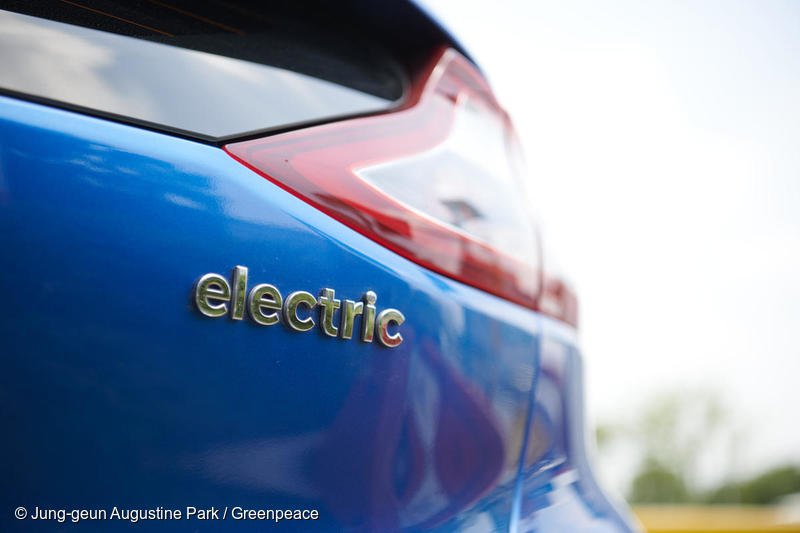
APRIL 18, 2020: Earlier this month Chinese carmaker BYD announced it had stopped manufacturing full combustion engine vehicles and that the company would focus exclusively on electric vehicles and plug-in hybrids going forward.
Response from Bao Hang, Greenpeace East Asia Zero-Emission Transport Project Leader:
“BYD’s announcement shows the direction that China’s auto industry is headed. By ending the manufacture of full combustion engine vehicles, BYD has sent a strong signal to the rest of China’s auto industry that they need to speed up their transition to EVs.
BYD has ranked first in new energy vehicle sales in China for nine consecutive years, and in 2021 new energy vehicles accounted for over 80% of the company’s sales. In the first two months of 2022, BYD sold only around 5,000 full combustion engine vehicles. We can see that BYD’s decision isn’t just about complying with policy direction – it’s a natural choice as the company seeks to grow.
However, BYD will continue to produce plug-in hybrid electric vehicles, which have nowhere near the same emissions reduction benefits as full EVs. A study by the International Council on Clean Transportation found that the lifecycle carbon emissions of plug-in hybrids are only 20% lower than that of conventional gasoline cars. By contrast, full electric vehicles powered by renewable energy alone can reduce carbon emissions by up to 81 percent.
BYD’s continued reliance on plug-in hybrids hinders the company’s otherwise progressive EV strategy. We hope to see BYD accelerate its transition to zero-emission vehicles and demonstrate more ambitious climate action.”
Media contact:
Erin Newport, International Communications Officer, Greenpeace East Asia, +886 958 026 791, [email protected]
Related Posts
-
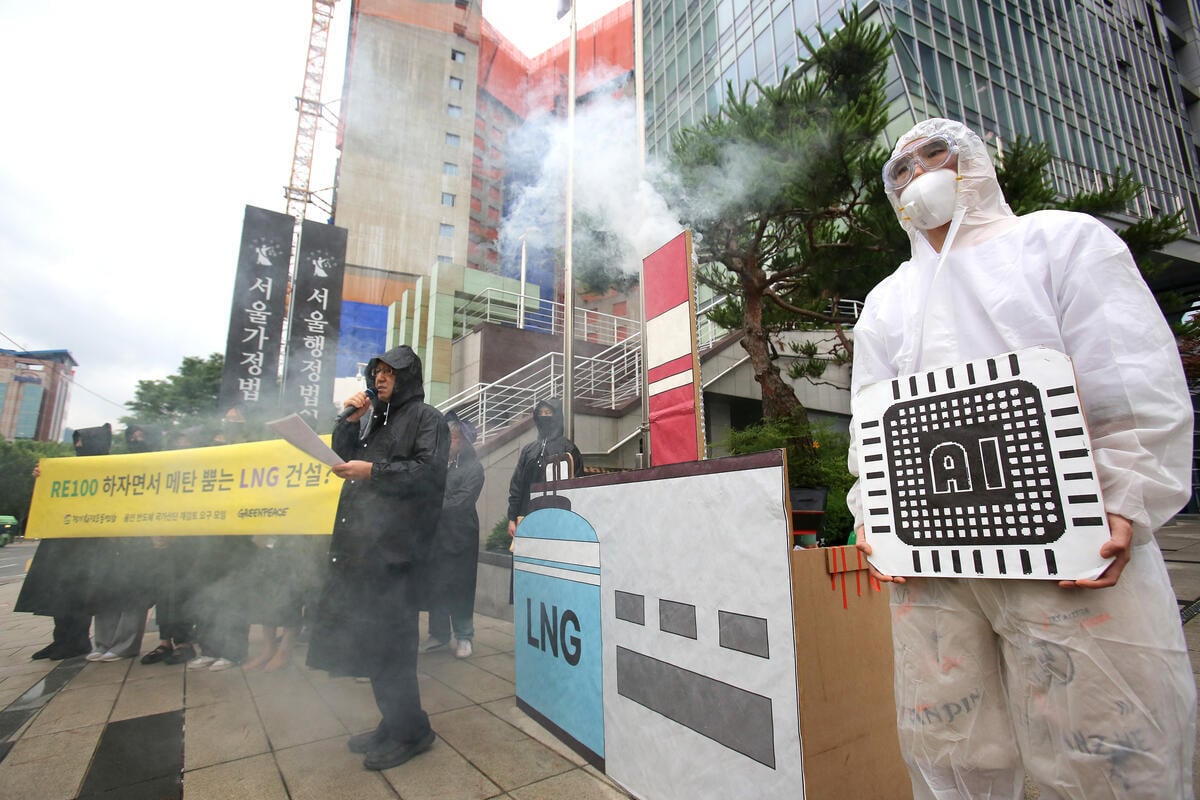
Greenpeace AI x Energy Webinar: How Can East Asia Build a Sustainable AI Ecosystem?
The global artificial intelligence (AI) boom is running into a hard physical limit: the electricity grid. As technology companies build increasingly powerful models and deploy ever-larger computing systems, the digital…
-
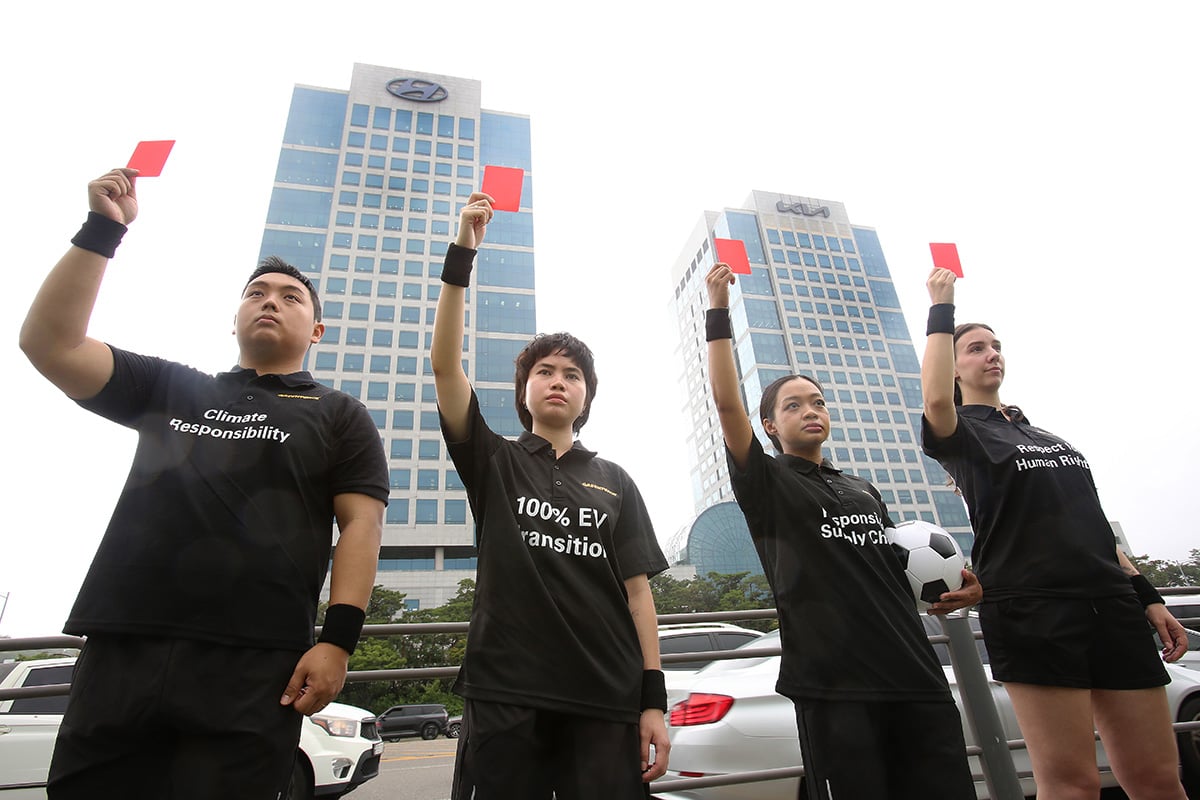
Greenpeace Flashes “Red Card” to FIFA World Cup Sponsor Hyundai Over Systemic Supply Chain Abuses and EV Backtrack
Greenpeace activists in Seoul staged a high-profile protest targeting Hyundai Motor Group headquarters today, flashing symbolic referee “red cards” to the FIFA World Cup sponsor.