
Oceans
The oceans regulate our climate, provide for billions of people and are home to so much biodiversity.
But they’re under threat from climate change, industrial fishing, plastic pollution, and the threats of deep sea mining. Ocean protection can’t wait any longer.
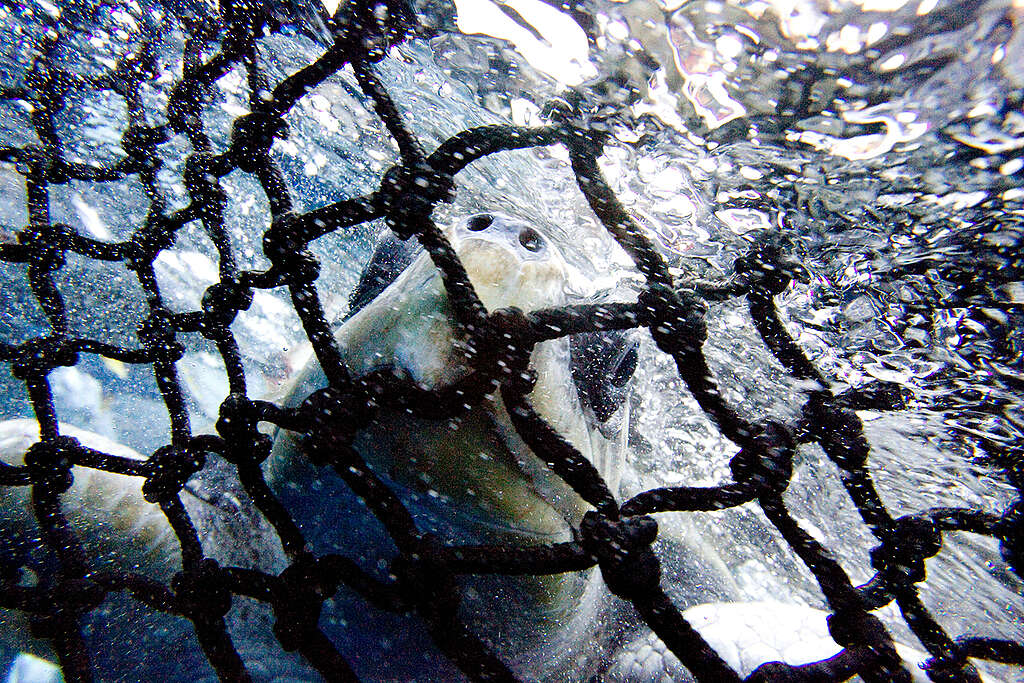
What We’re Facing
Our oceans are in crisis — and so are we. The very systems that sustain life below water are being pushed to collapse. Oil exploration, the effects of global warming, land reclamation projects, and plastic pollution are causing extremely negative impacts on marine ecosystems and marine life.
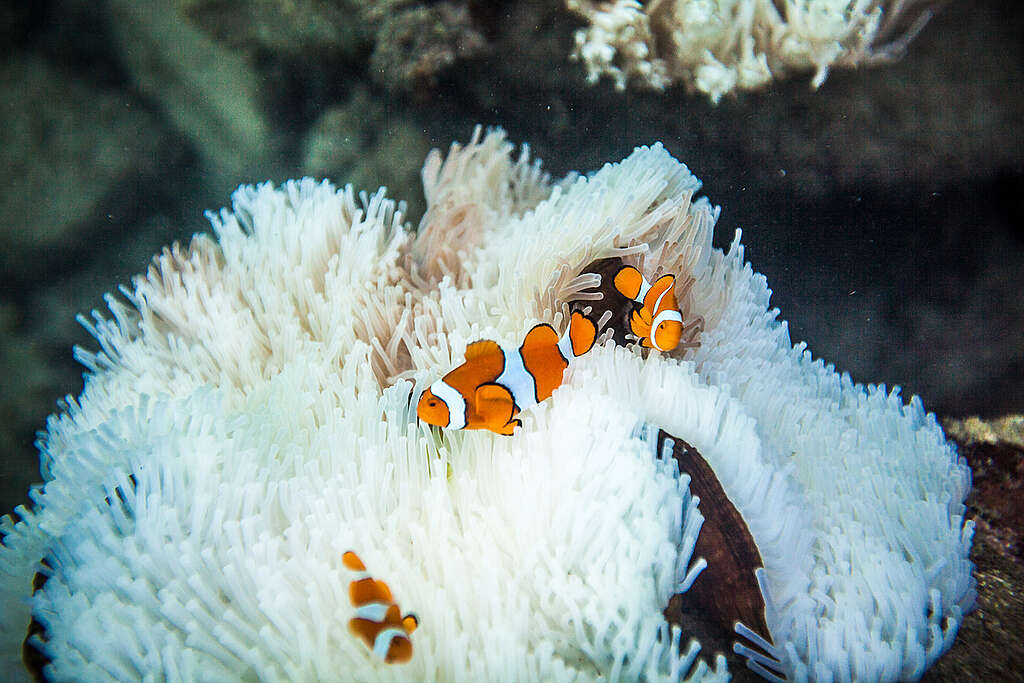
Coral reefs at risk
Malaysia, part of the Coral Triangle, the most biodiverse marine region on Earth, now has only 47.83% live coral cover left. (Source)
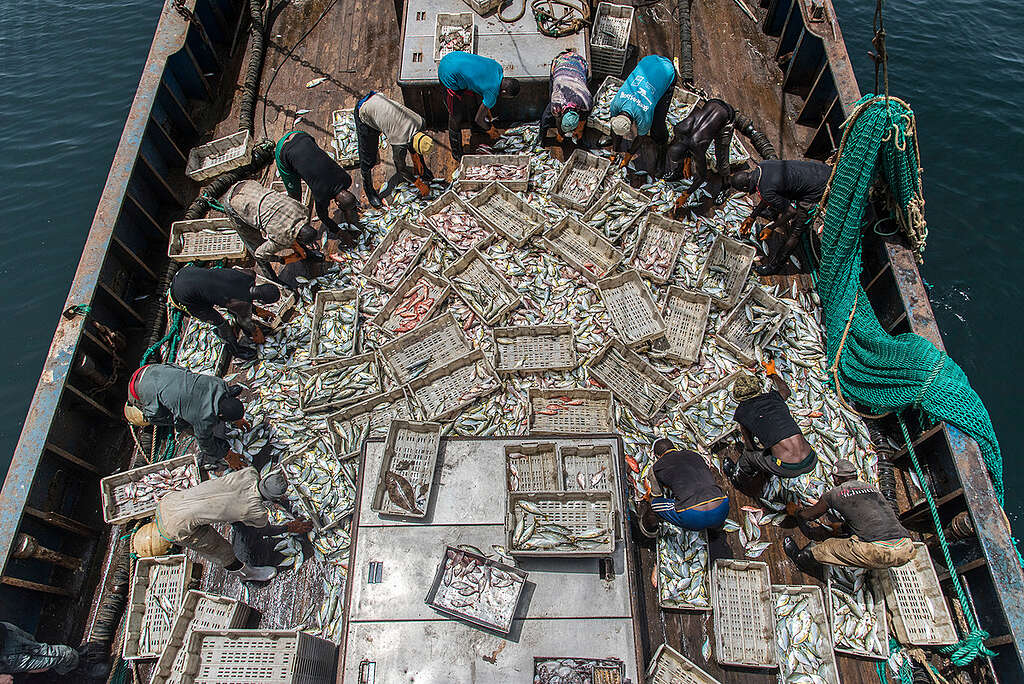
Barely protected, yet exploited
Though they cover nearly half the planet, only 1% of the high seas are protected — leaving fragile marine habitats exposed to industrial fishing, deep-sea mining, and unchecked exploitation. (Source)
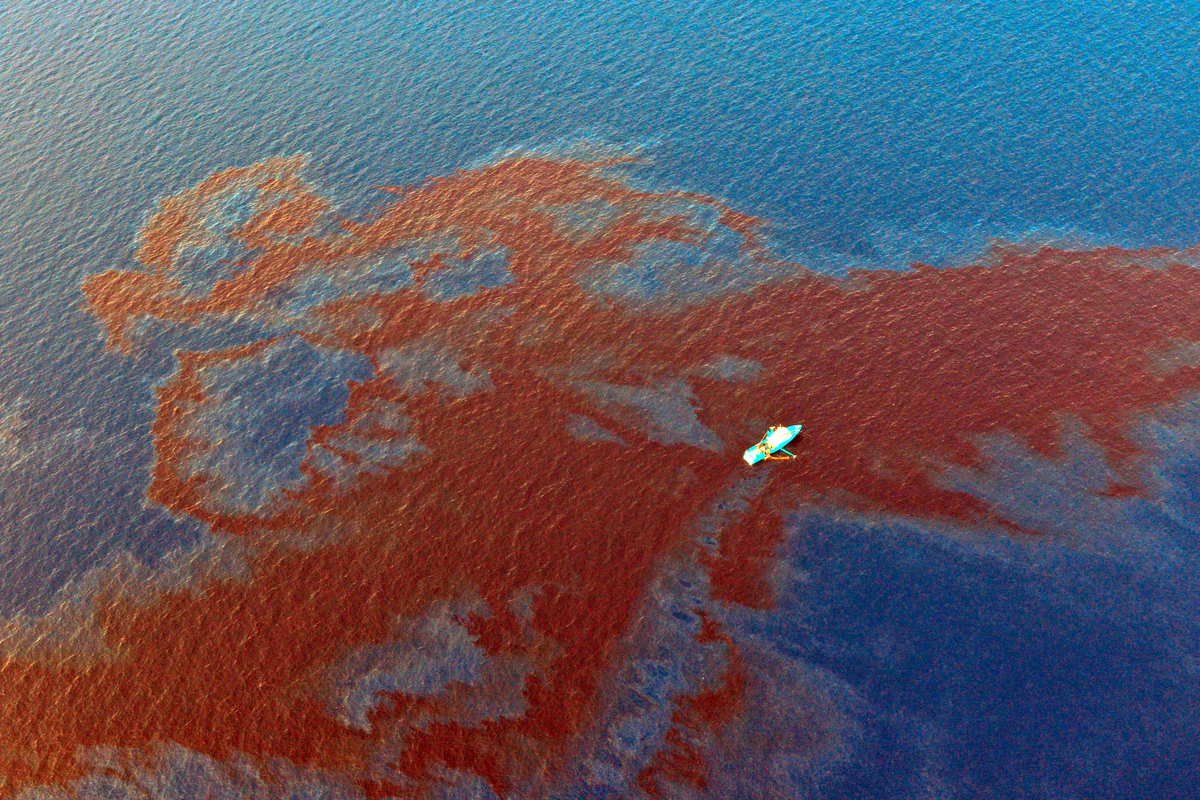
Oceans are absorbing our damage
Our oceans absorb about 30% of the CO₂ we produce, but they’re reaching a breaking point. Acidification, rising temperatures, and habitat degradation threaten marine life — and our climate stability. (Source)
What We’re Building Together
We envision living, thriving oceans, where marine life is protected, coastlines are resilient, and the people who depend on the sea are treated with dignity, not exploited.
No plastic, no poison
Ban single-use plastics and industrial waste, such as oil spill, that choke our oceans and poison marine ecosystems.
End forced labour at sea
No one is exploited for profit. Migrant fishers work with dignity, while coastal communities lead and benefit from sustainable oceans.
Thriving marine ecosystems
Safeguard biodiversity hotspots like Malaysia’s coral triangle from destructive fishing and pollution.
Protected blue planet
Coral reefs, fish populations, and biodiversity bounce back — protected from overfishing, deep-sea mining, and pollution.
Our Work for Oceans
From bold global action to direct public engagement, we work across borders to protect and restore our oceans.

Global Oceans Treaty
After years of tireless campaigning, a historic agreement was reached to safeguard marine life in international waters. We continue pushing governments to ratify and enforce it, turning promises into protection.

Ship Tours
Our iconic Rainbow Warrior ship has sailed through Southeast Asia’s rich waters, from Indonesia and Malaysia, bringing the call for ocean protection to life. At every port, we work with local communities, amplify their stories, and build momentum to safeguard our seas.
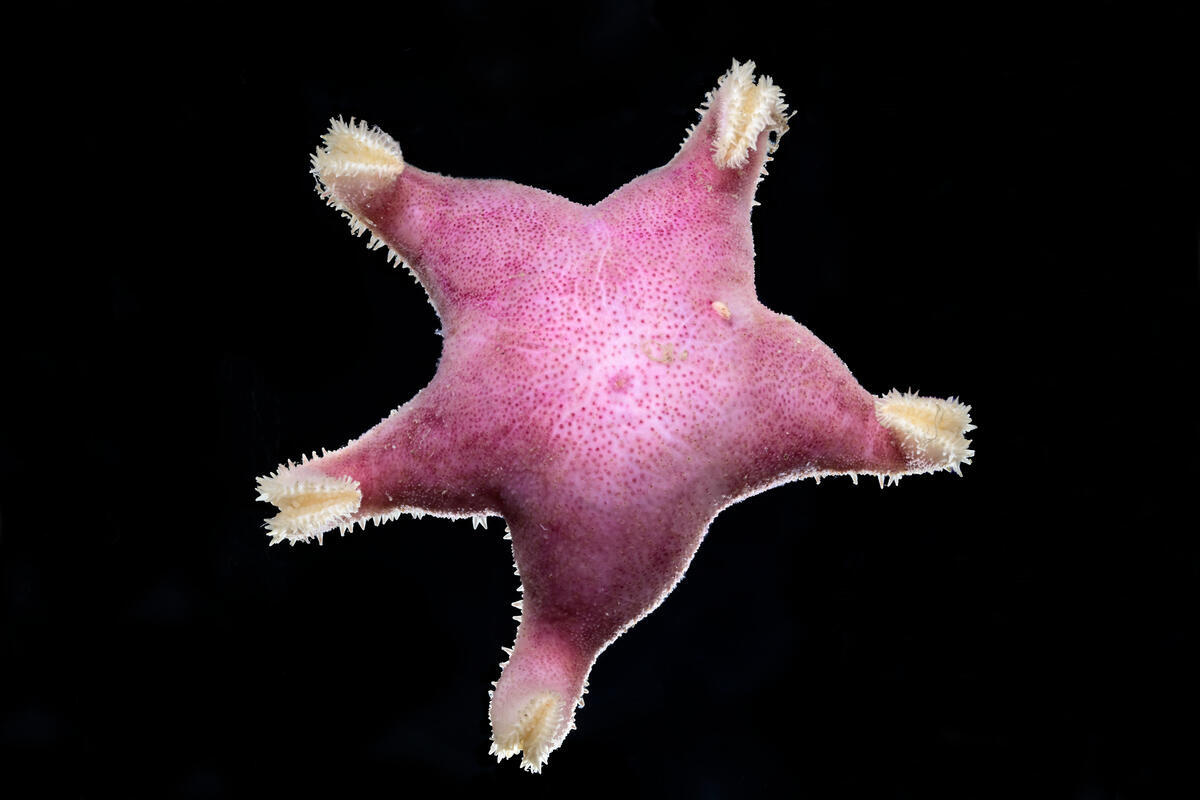
Deep Arctic Expedition
Globally, Greenpeace is conducting a deep sea expedition to the Arctic for the first time with a team of scientists from various renowned research institutions. We will explore the deep sea, to protect it with scientific evidence ensuring it remains safe for generations to come.
How you can help
-
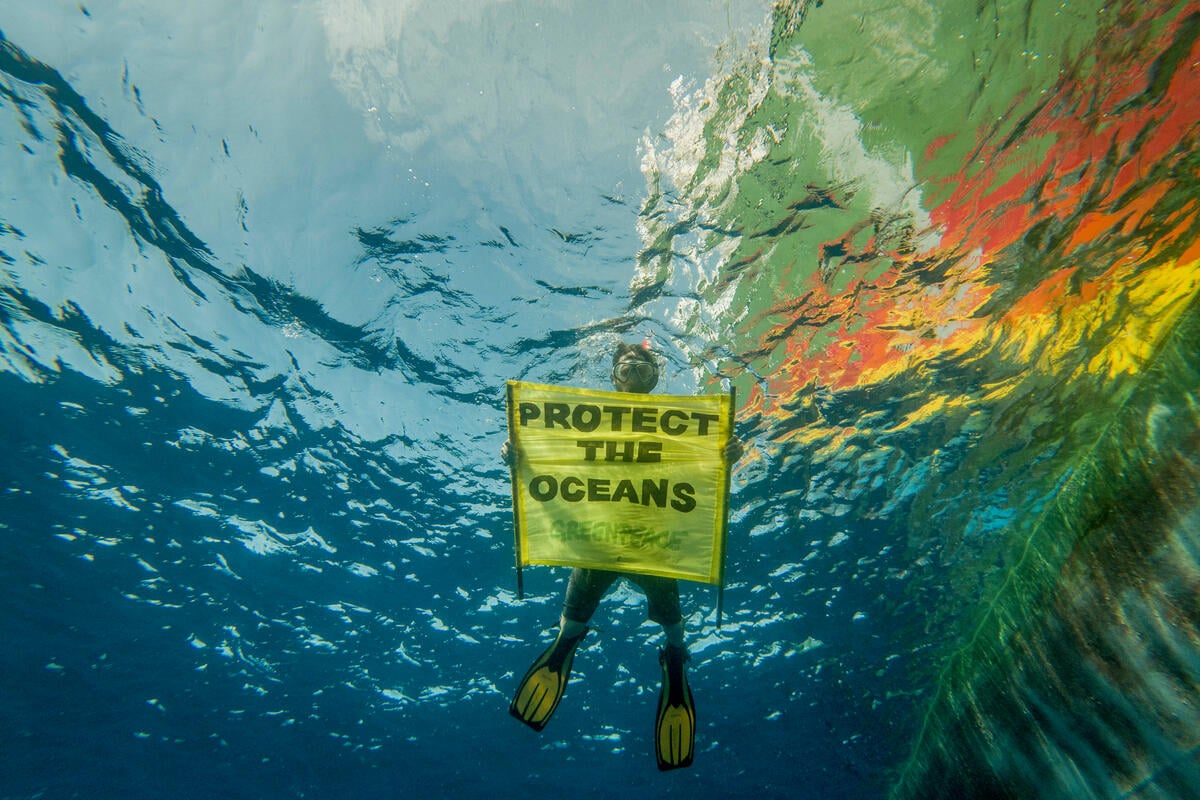
Protect the Oceans
We need ocean sanctuaries to protect at least 30% by 2030. Add your name.
-
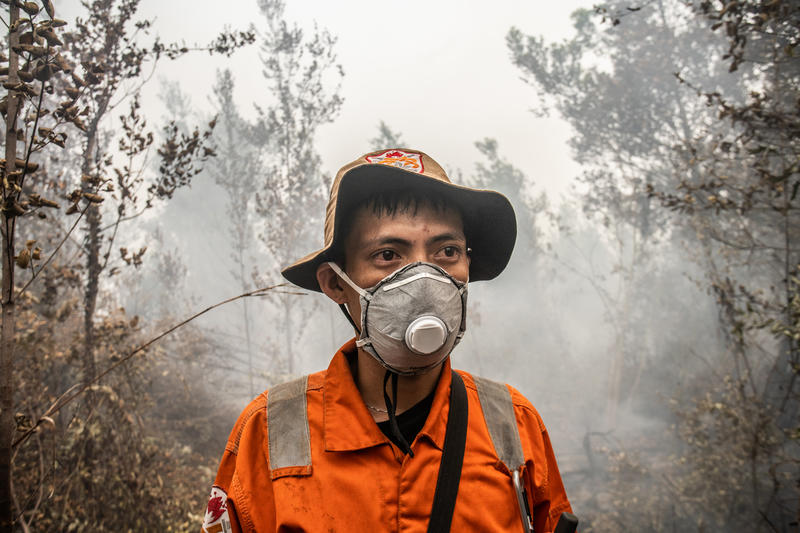
Every donation counts.
We can’t do this without your help. Take action for environment protection, please make a donation today.
-
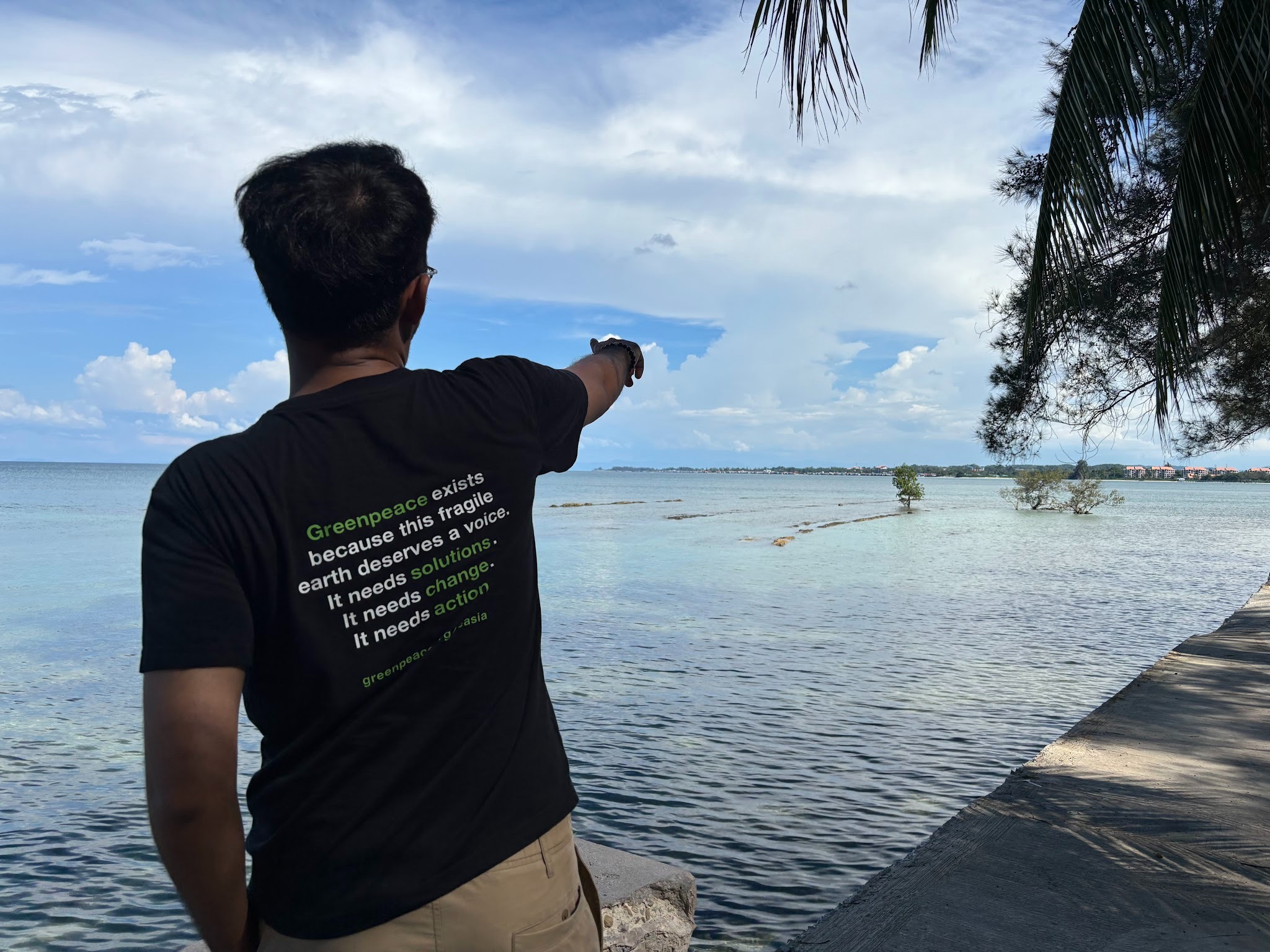
An odyssey of community engagements in Sabah’s Marine Protected Area
Who gets to decide who should have a seat at the table? Who determines which community members should be in a focus group discussion about development? Who gets to know…
-
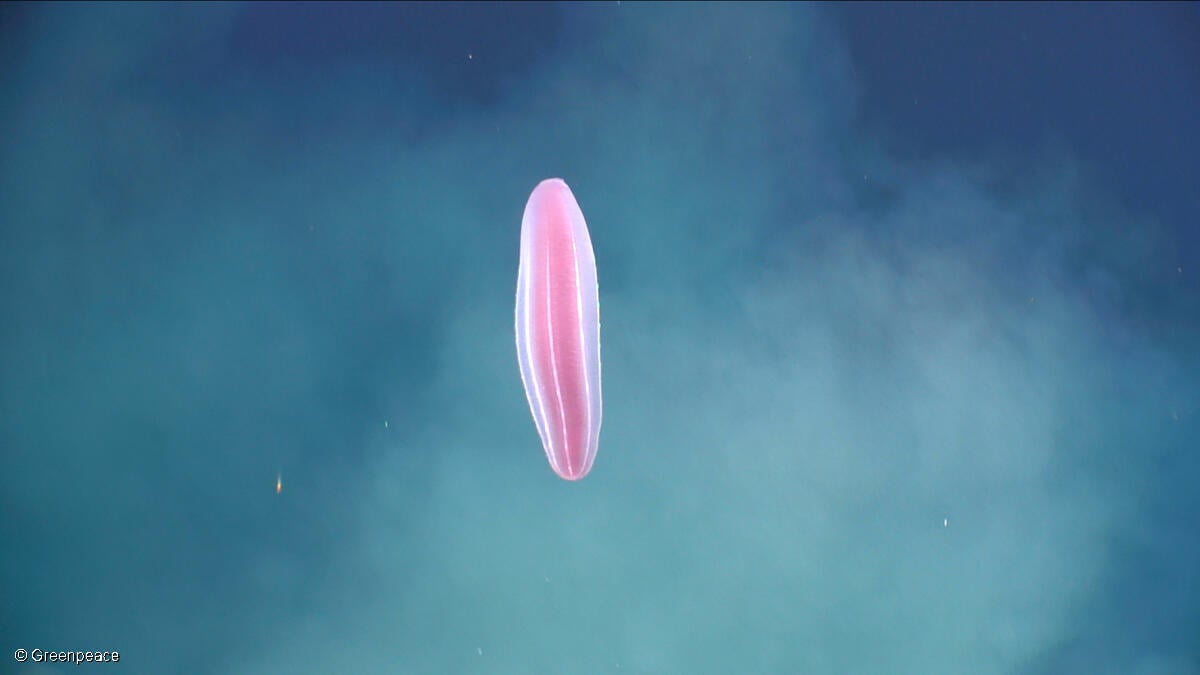
What we found in the Arctic deep sea!
For the first time, Greenpeace has led a unique deep sea expedition to the Arctic. Here’s what we found.
-

Wave to Peace: Turning Action into Impact
What started as an assignment became an opportunity for Jovy, a university student, and her team to turn their passion for peace and ocean conservation into meaningful action.
Subscribe for updates
Together we are part of a growing, global movement determined to bring about the changes our planet desperately needs.