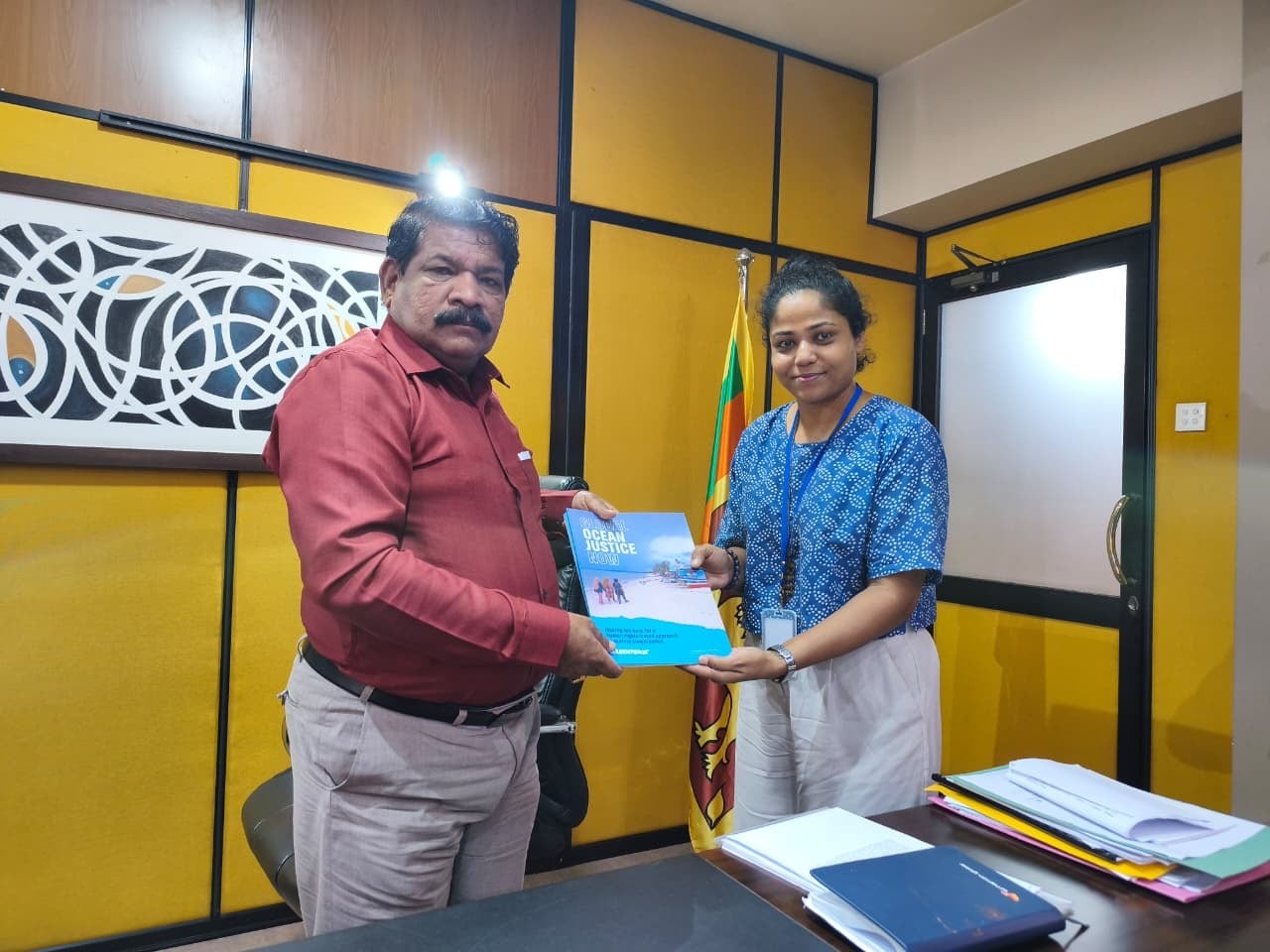
From Patagonia to the Gulf of Thailand, the communities who know the ocean best are rarely the ones deciding its future. That is not just a justice problem – it is also why global ocean protection is failing.
This report makes the case that the world’s ’30×30′ ocean protection targets cannot be met through top-down conservation models that sideline the very people who have sustained marine ecosystems for generations. Drawing on four in-depth case studies from Chile, Senegal, Sri Lanka, and Thailand, the report documents both the cost of exclusion and the results of community-led stewardship while arguing that rights-based conservation is not only the most just approach, but the most effective one.
What the report covers:
- Why current conservation models produce ‘paper parks’ instead of protected oceans
- How Indigenous Peoples and local communities are already achieving stronger ecological outcomes
- What governments must do differently ahead of CBD COP17 in Yerevan, Armenia
- Sri Lanka’s globally important marine and coastal ecosystems, the dependence of coastal communities on ocean health, and the need for ocean protection measures that combine biodiversity conservation with community rights, participation, and sustainable livelihoods.