
All articles
-
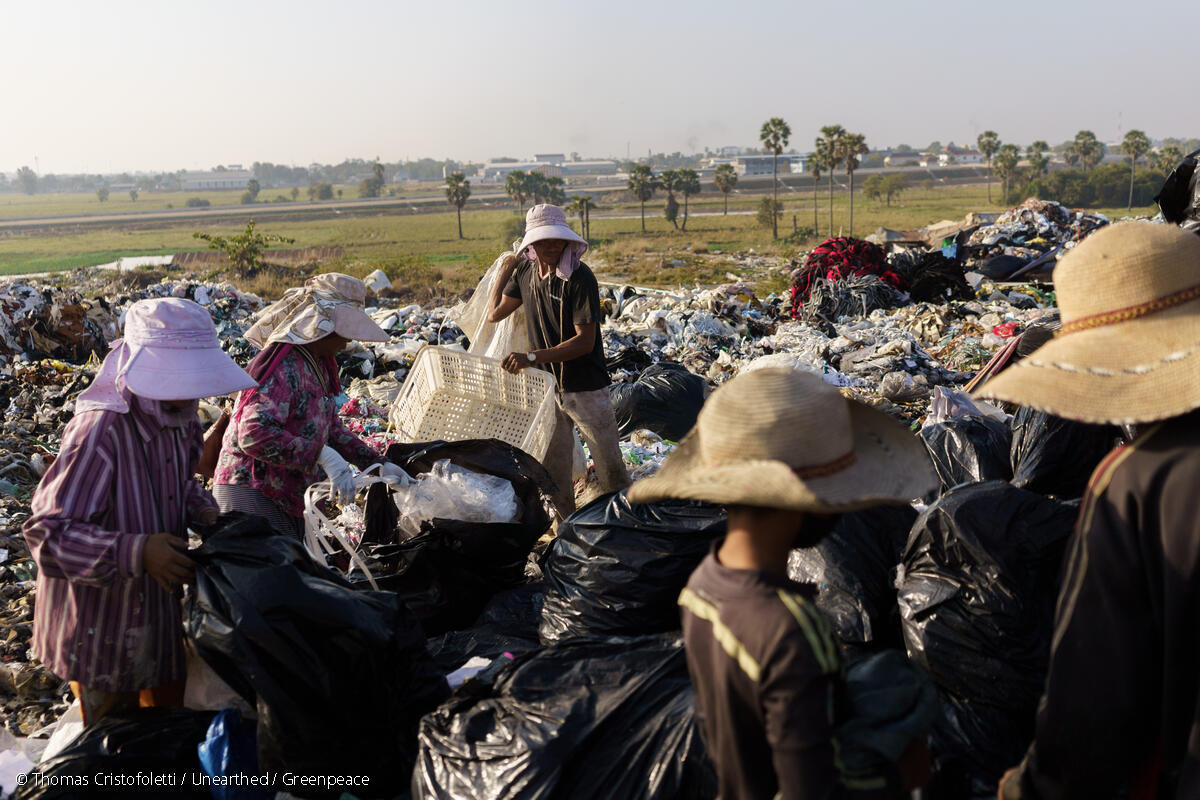
Fashion waste from Nike, Clarks and other top brands’ suppliers burnt in toxic kilns employing modern-day slaves in Cambodia
Aside from ecological and health hazards, the fashion waste investigation also puts the spotlight on Cambodia’s brick sector that has become infamous for human rights abuses, including debt-bondage – the most common form of contemporary slavery.
-
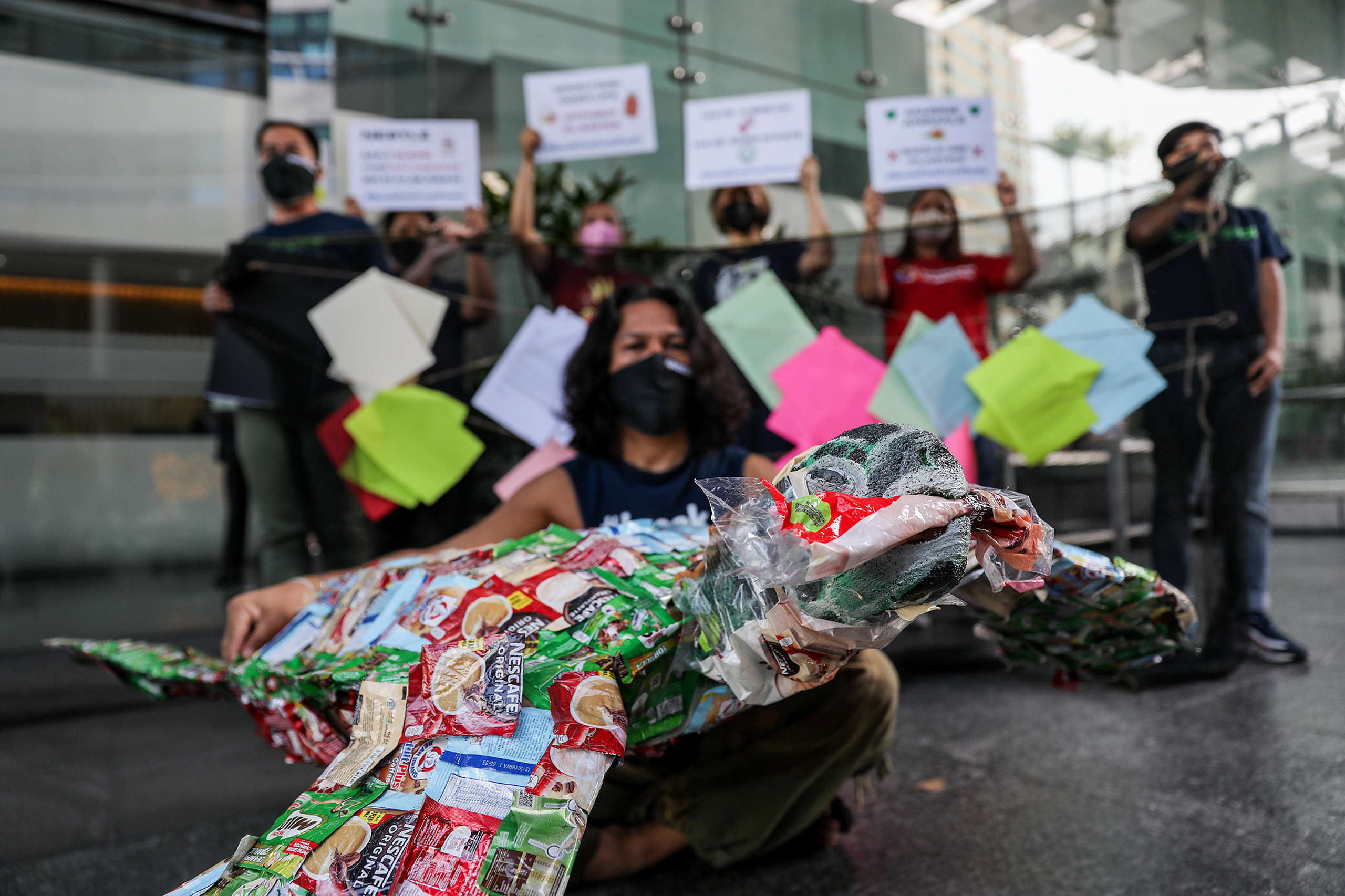
Activists send plastic waste back to Nestle, call out company for greenwashing
Nestle continues to figure in waste and brand audits as one of the worst polluters. The company also ranks 6th among global fast moving consumer goods companies in a recent Break Free From Plastic report on false solutions, with Nestle leading the way in terms of questionable “plastic neutrality” agreements with other companies.
-
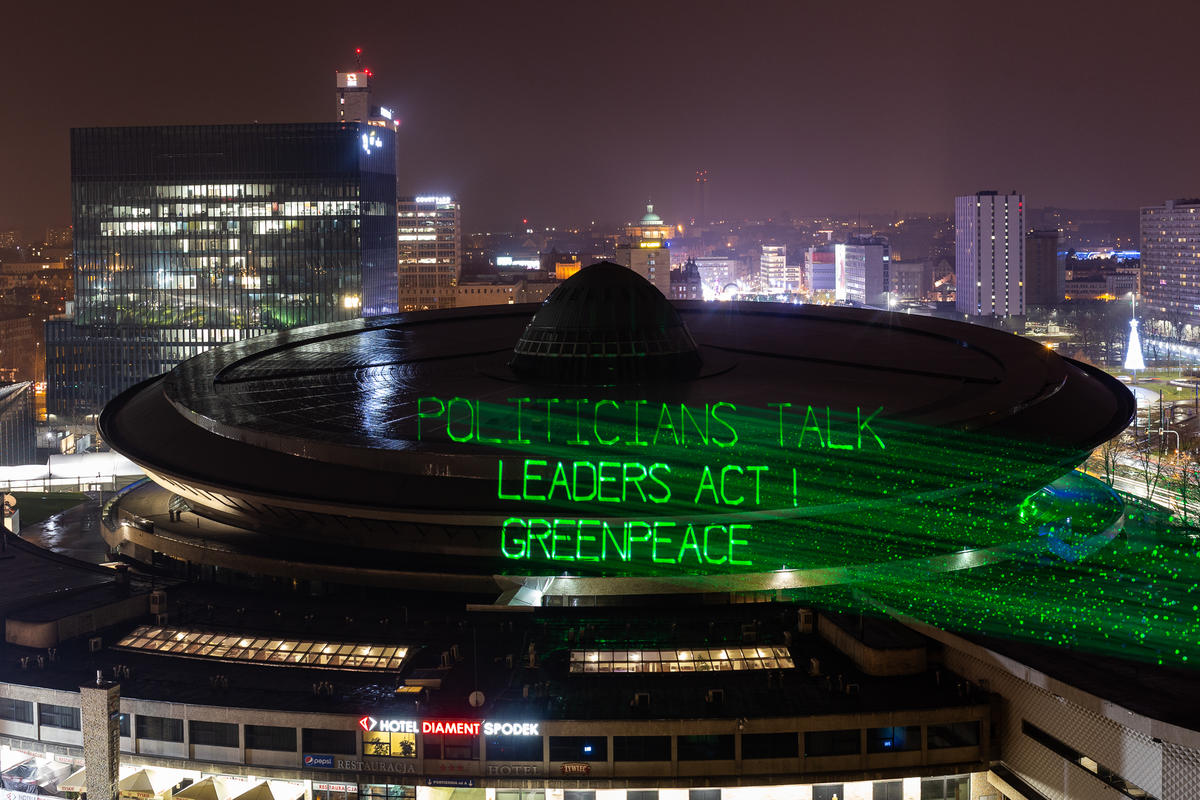
COP26: Everything you need to know about the UN Climate Summit
The recent UN scientific report warned of a very bleak future if we don’t do some big things very soon and Glasgow is where those big things need to be set in motion.
-
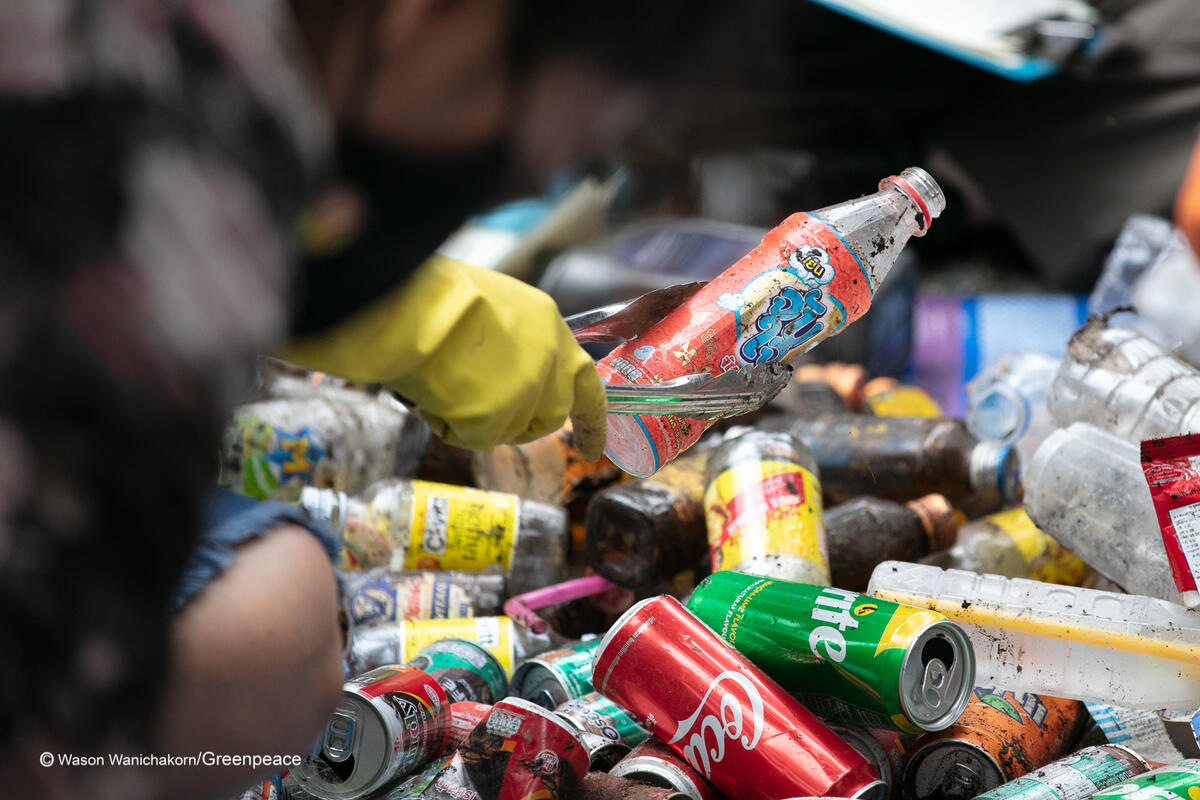
The Coca-Cola Company and PepsiCo named top plastic polluters for the fourth year in a row
Global beach cleanups were carried out by more than 11,000 volunteers in 45 countries to identify the most common plastic polluters. This year’s Brand Audit found nearly 20,000 Coca-Cola branded products, which represents more pollution than the next two top polluters combined—as has been the case each year since 2019.
-
Inaction over illegal palm oil in Indonesia’s megadiverse forest estate jeopardises people and planet
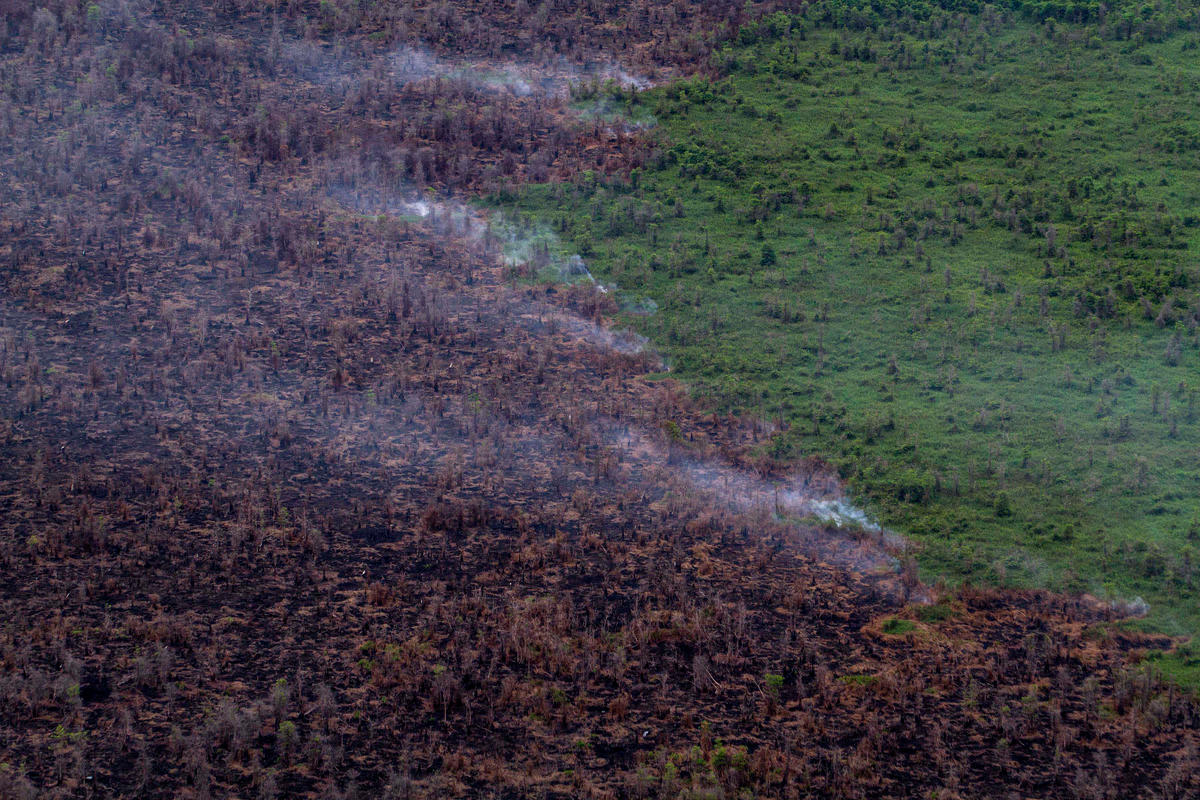
Indonesia’s national forest estate is riddled with illegal palm oil plantations, according to an analysis by Greenpeace Indonesia and TheTreemap.
-

Investigation indicates FSC-certified company intentionally used fire to clear Indonesian forests for palm oil
Greenpeace International collaborated with Forensic Architecture – a research collective based at Goldsmiths University of London, which uses spatial analysis to reconstruct cases of human rights violations and environmental destruction – to investigate whether the cause of the fires could be identified in Korindo’s palm oil concessions in Papua.
-
Greenpeace statement on Nestle Malaysia’s unsustainable move from plastic to paper straws
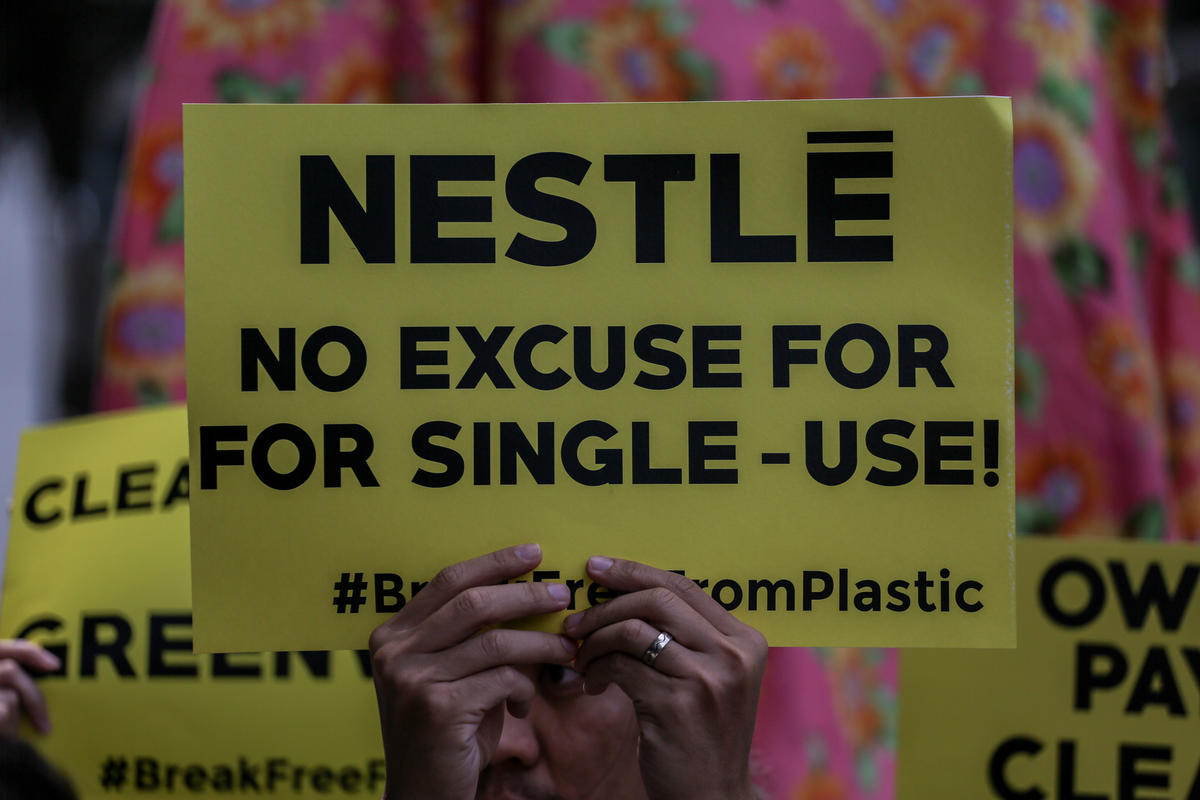
Nestle (Malaysia) Bhd announced today that it plans to adopt paper straws across its entire range of ultra-high temperature (UHT) by year end. Although Nestle claims this move will help in tackling the plastic pollution crisis, it is a misguided one, that aims at switching from one throwaway material to another. It also does not…
-

The fossil fuel industry’s “genderwashing” exposes another layer of their hypocrisy
Fossil fuel companies have for years tried ‘greenwashing’ – presenting themselves as concerned about the environment, saying fossil gas is a climate-friendly fuel, or investing a tiny percentage of their money in renewables to pretend they are part of the energy transition. Many of them even just change their logos or branding to look more…
-
Toxic Air: The Price of Fossil Fuels
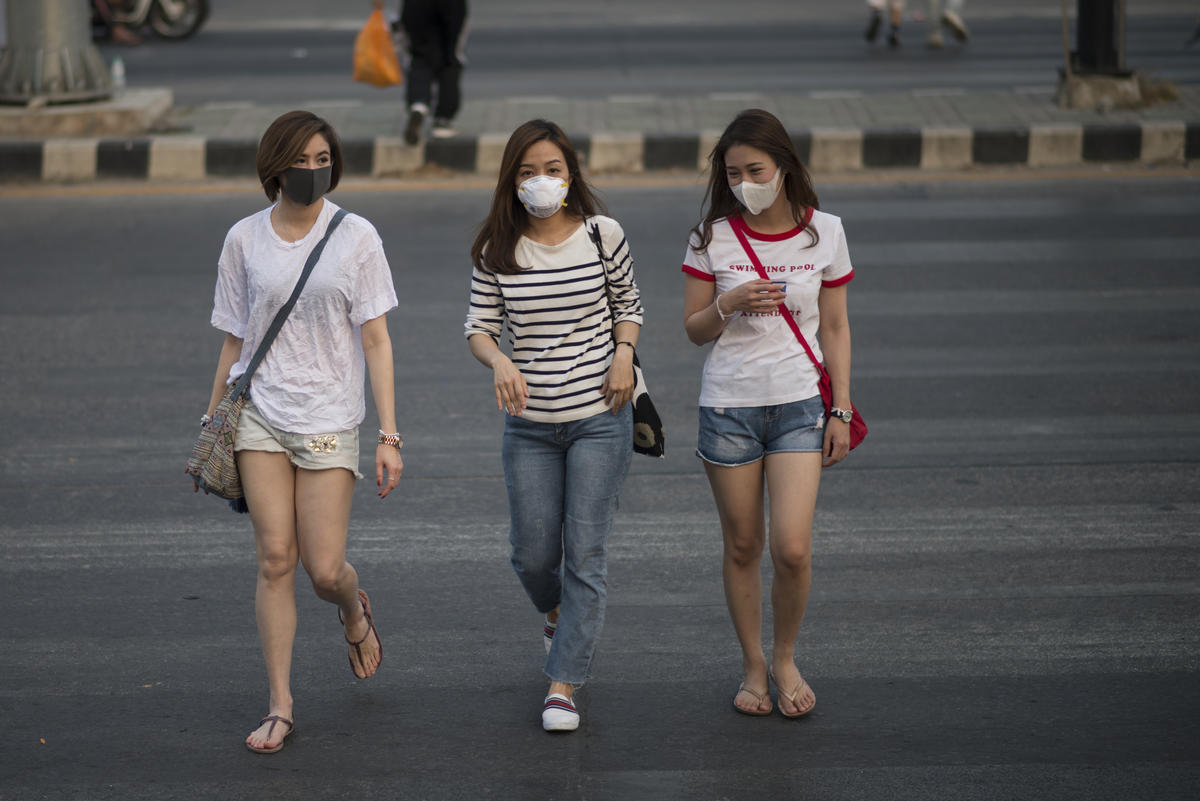
For the first time, Greenpeace Southeast Asia and the Centre for Research on Energy and Clean Air (CREA) have quantified the global cost of air pollution from fossil fuels, finding that it has reached an estimated US$8 billion per day, or roughly 3.3% of the world’s GDP.
-
Air pollution from fossil fuels costs the world US$8 billion every day: Greenpeace
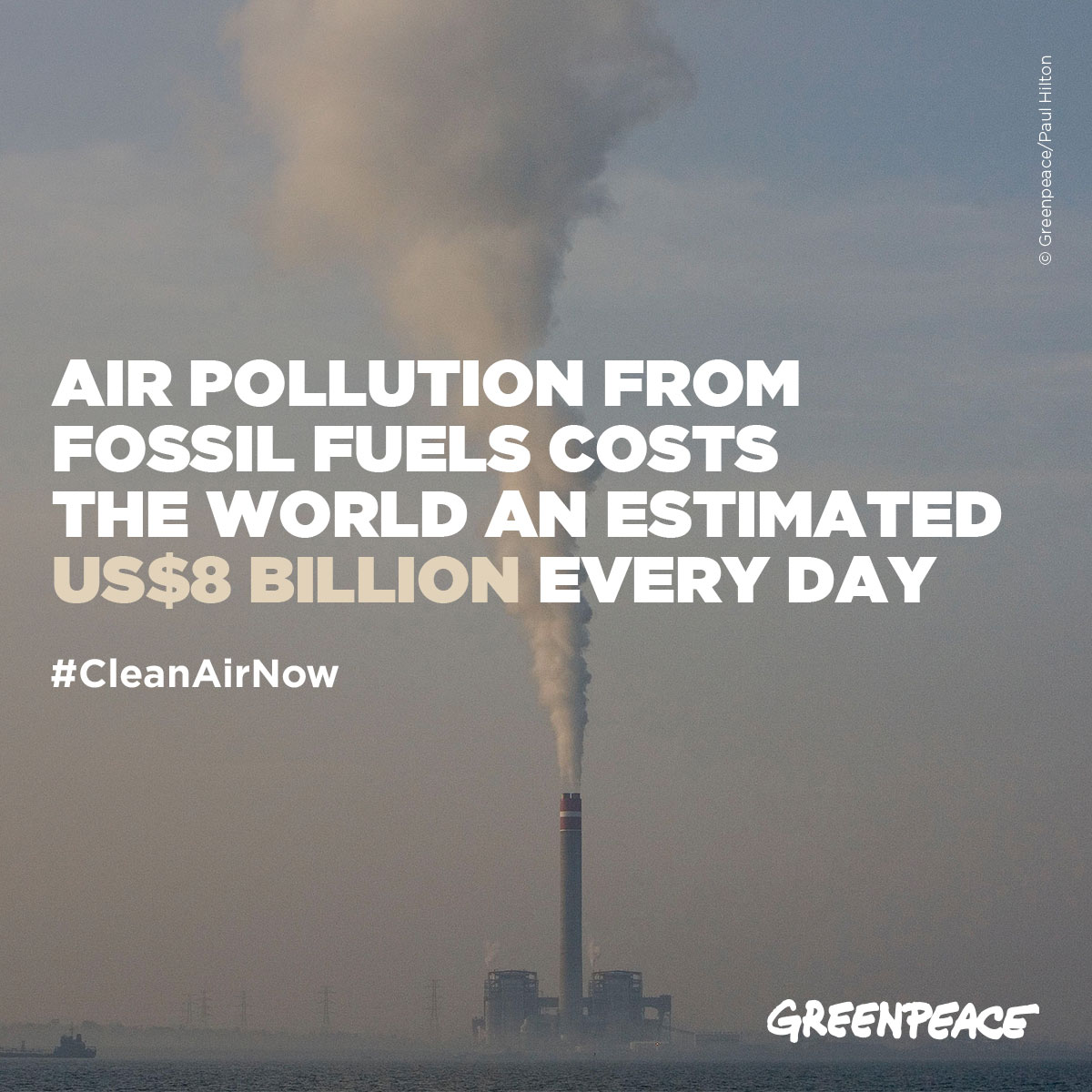
Air pollution from burning fossil fuels - primarily coal, oil, and gas - is attributed to an estimated 4.5 million deaths each year worldwide and estimated economic losses of US$2.9 trillion, or approximately 3.3% of global GDP, new research from Greenpeace Southeast Asia and the Centre for Research on Energy and Clean Air (CREA) shows.