
All articles
-
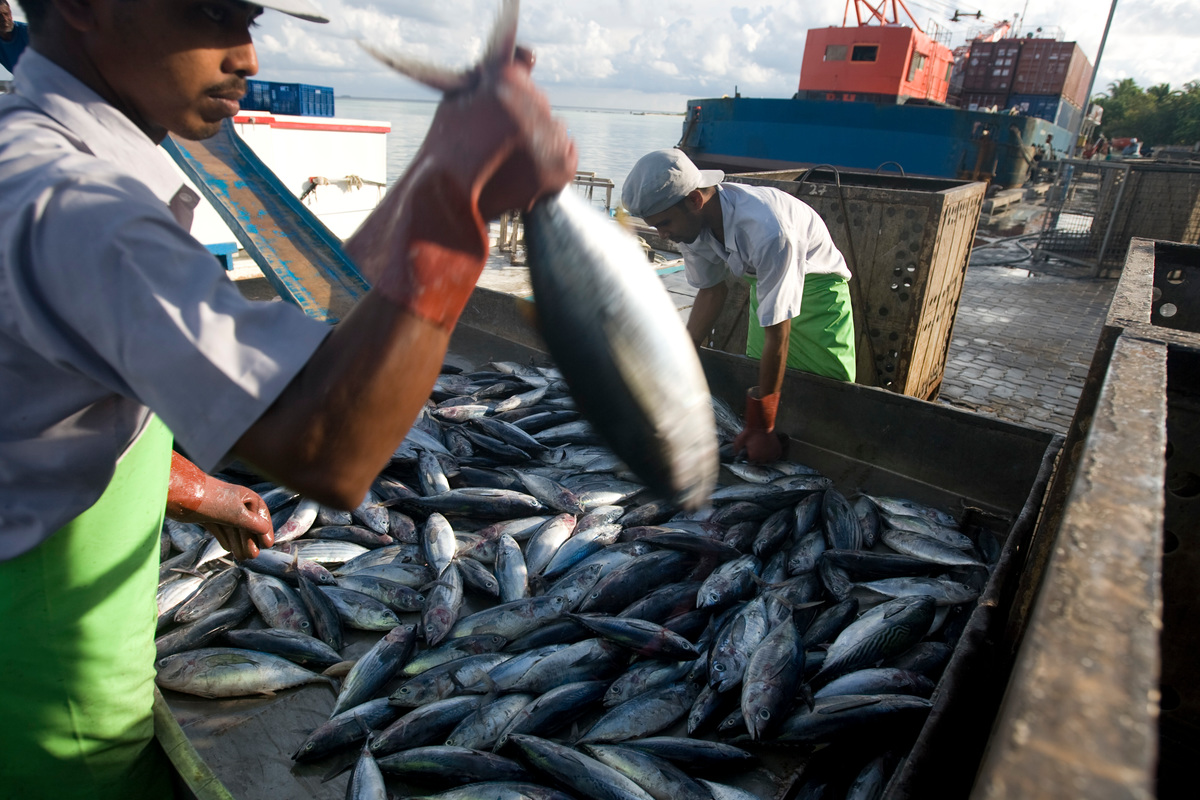
Fisherfolk helping out Thailand’s essential workers is the community spirit we need right now
During the lockdown, the fish markets were temporarily closed. Few people visited so local fishers lost their regular clientele, and fresh seafood prices significantly dropped by more than a half due to higher transportation costs.
-

Maize, Land Use Change, and Transboundary Haze Pollution
Both the PM2.5 and transboundary haze pollution are directly related to the growth of monoculture agriculture in Thailand and in the neighboring countries. There is evidence that maize pricing varies with the number of fire hotspots. When there is a high demand for maize, there is also a higher number of hotspots.
-
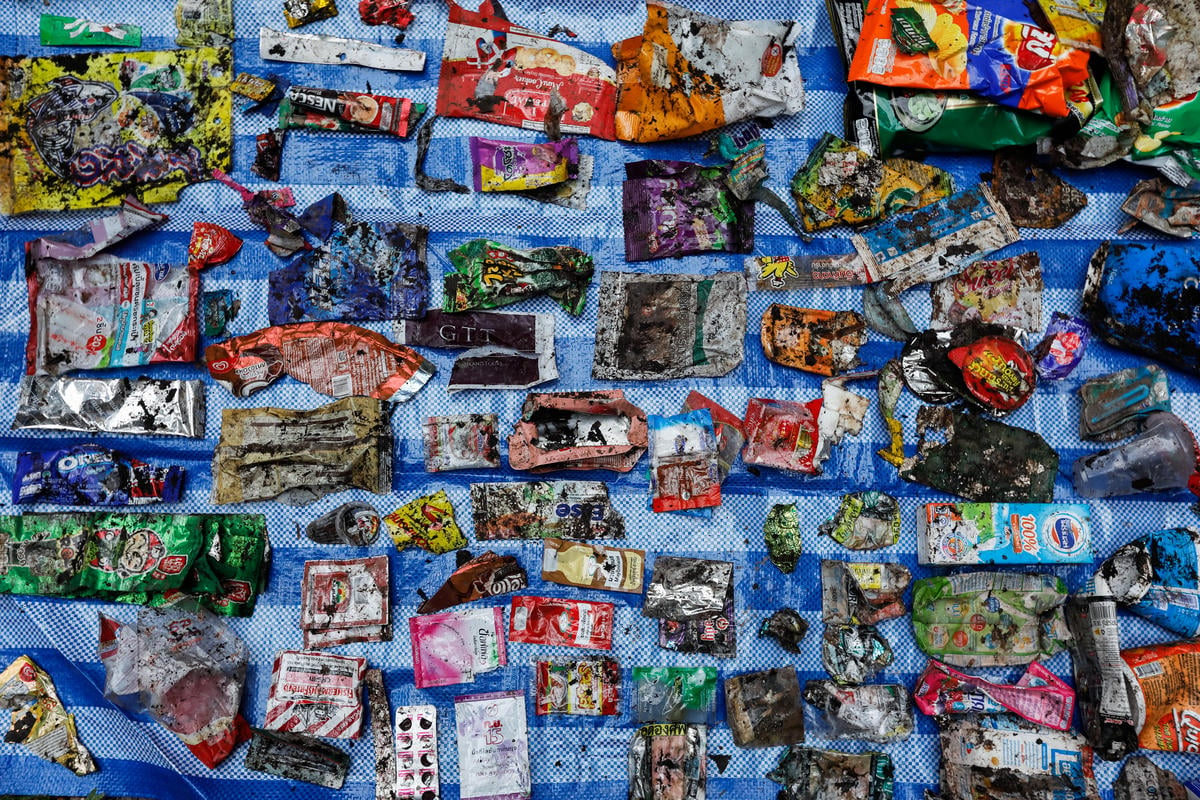
CP and Coca-Cola among worst offenders for plastic pollution in Thailand based on Greenpeace report
This report provides more evidence of how corporations have greatly contributed to the plastic crisis that we find ourselves in. Their continued reliance on single-use plastic packaging translates to more throwaway plastic into the environment.
-
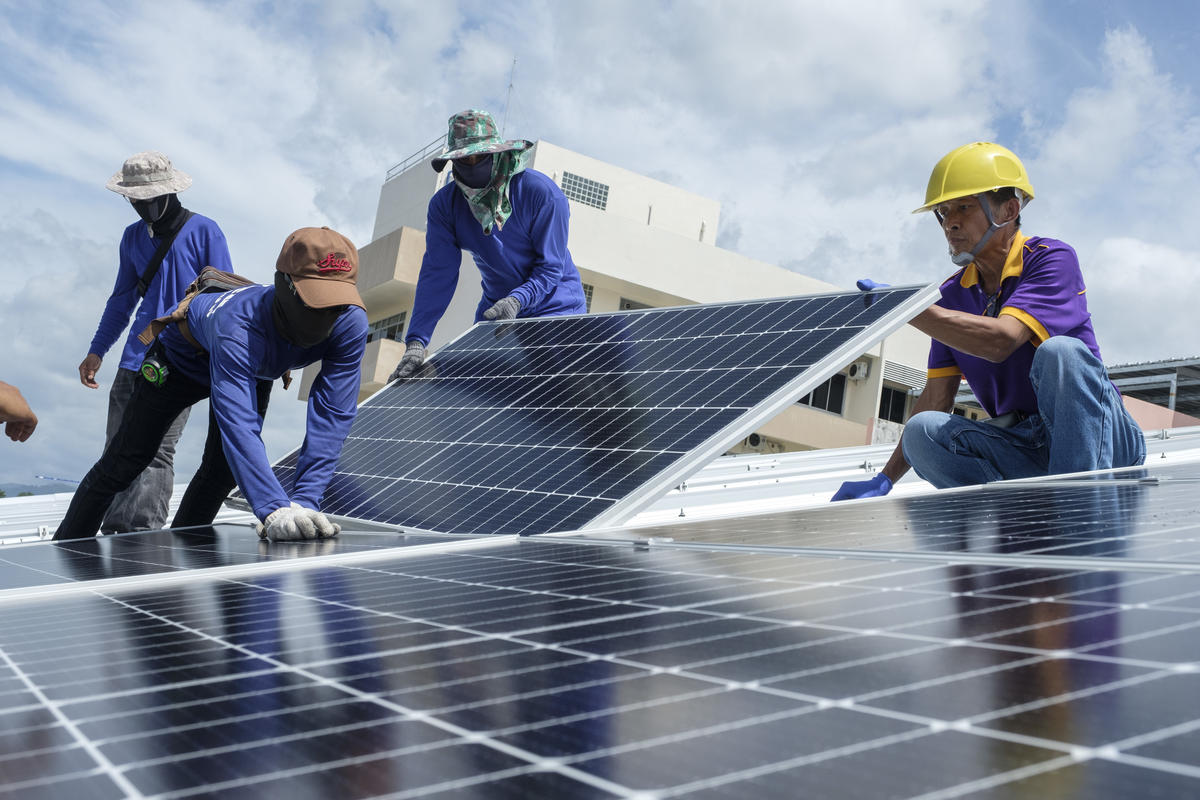
Thailand Solar Fund installs solar rooftop panels in hospitals in Thailand’s Northeastern Region
Thais from far and wide got together to install solar rooftop panels at the Thung Si Udom Hospital in Ubonratchathani, Phu Sing Hospital in Si Sa Ket, and Chum Phae Hospital in Khon Kaen on 18,19 and 22 October 2019. People were asked to donate to the crowdfunded Thailand Solar Fund and to sign a…
-
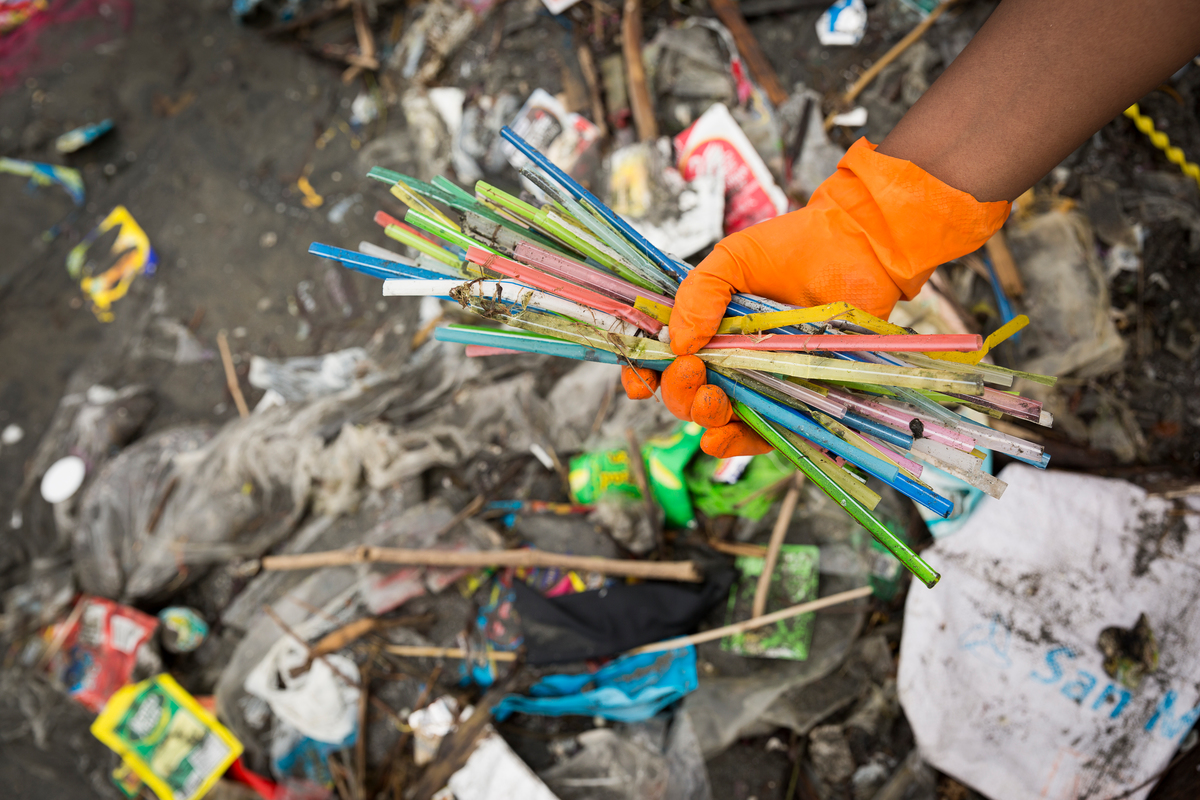
Communities and Greenpeace volunteers clean up beach and conduct plastic brand audit in Songkhla
On International Coastal Cleanup Day, around 60 volunteers from the Songkhla Forum, Beach for Life, and Greenpeace together cleaned up the beach at Laem Son On in Songkhla province.
-
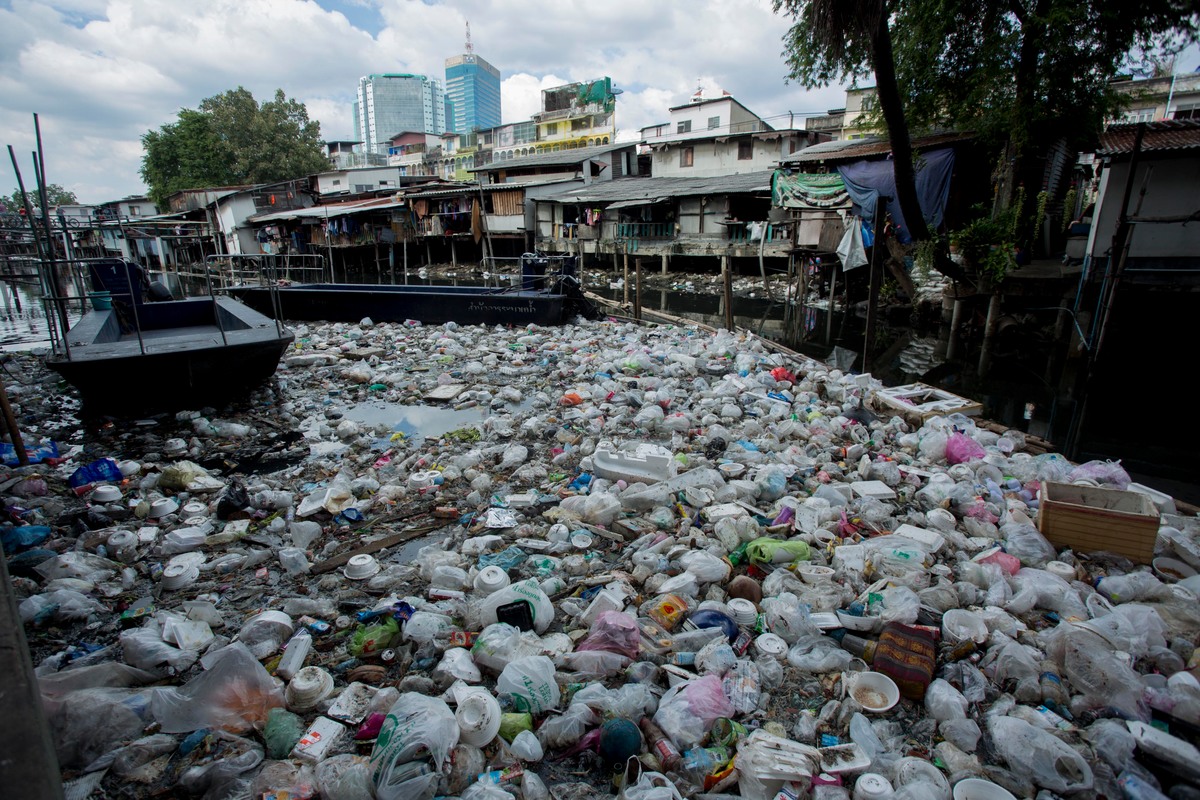
Greenpeace recommendations for Thailand’s plastic management roadmap to mitigate the impacts of plastic pollution on wildlife and iconic species
Thailand's alarming plastic pollution has been linked to the recent deaths of animals and endangered species-- most recently a wild deer and a baby dugong.
-
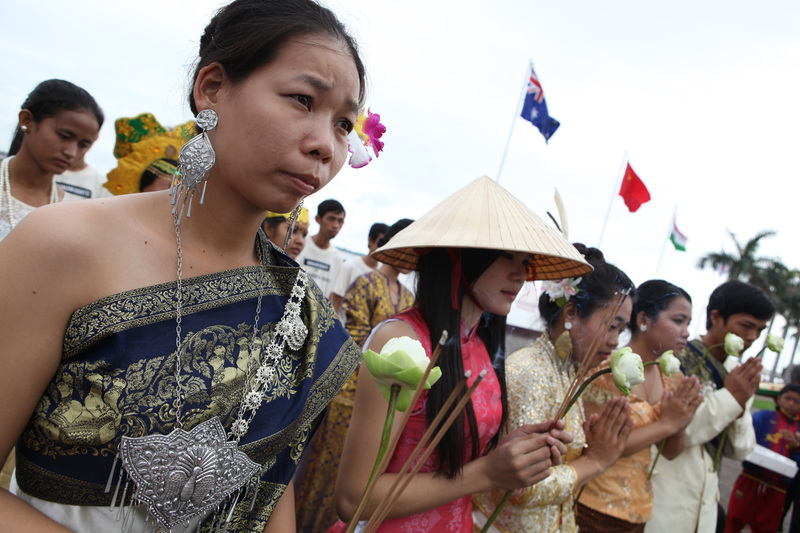
Greenpeace Statement on the ASEAN Framework of Action on Marine Debris
The Bangkok Declaration and the ASEAN Framework of Action on Marine Debris is a good example of how regional action can be achieved to address a common challenge. However, the Framework falls short of addressing the plastic pollution problem at root, by giving more focus to waste management rather than the need to reduce the…
-
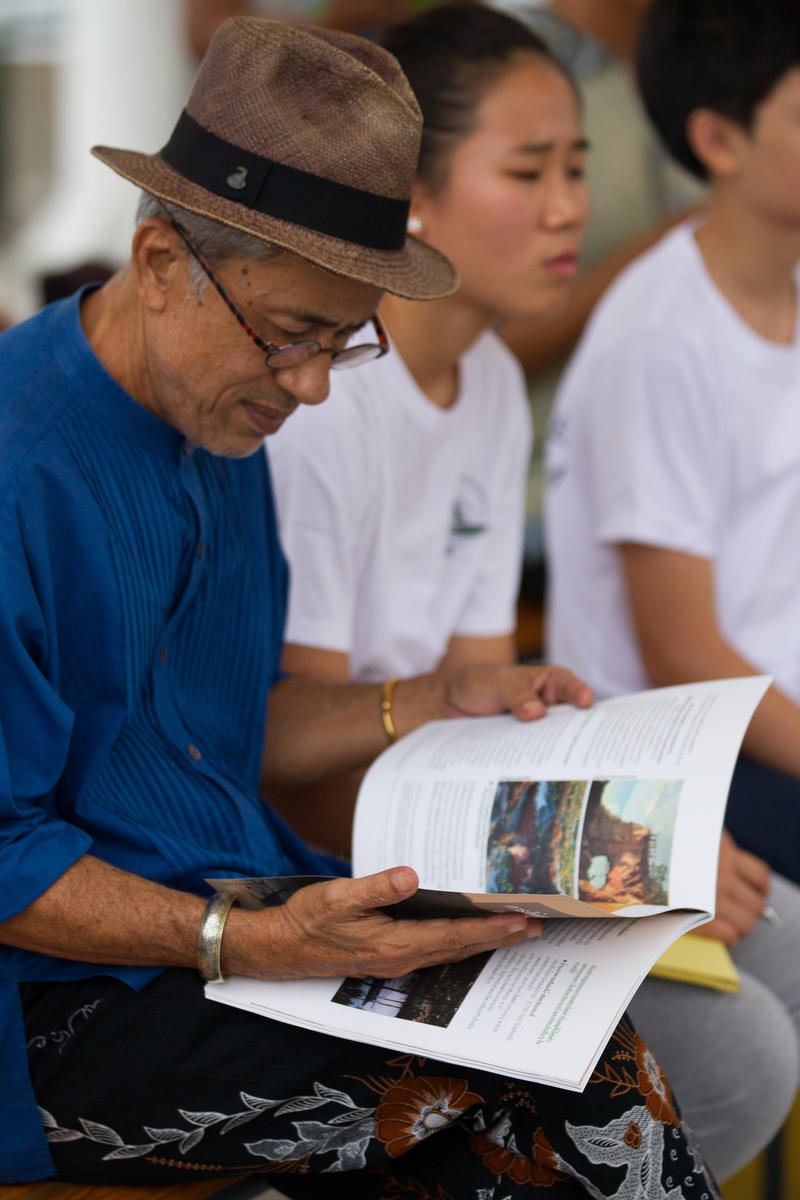
100% Renewable Energy in Krabi possible by 2026
Krabi Province can lead the renewable energy (RE) transition in Thailand and achieve 100% RE by 2026.
-
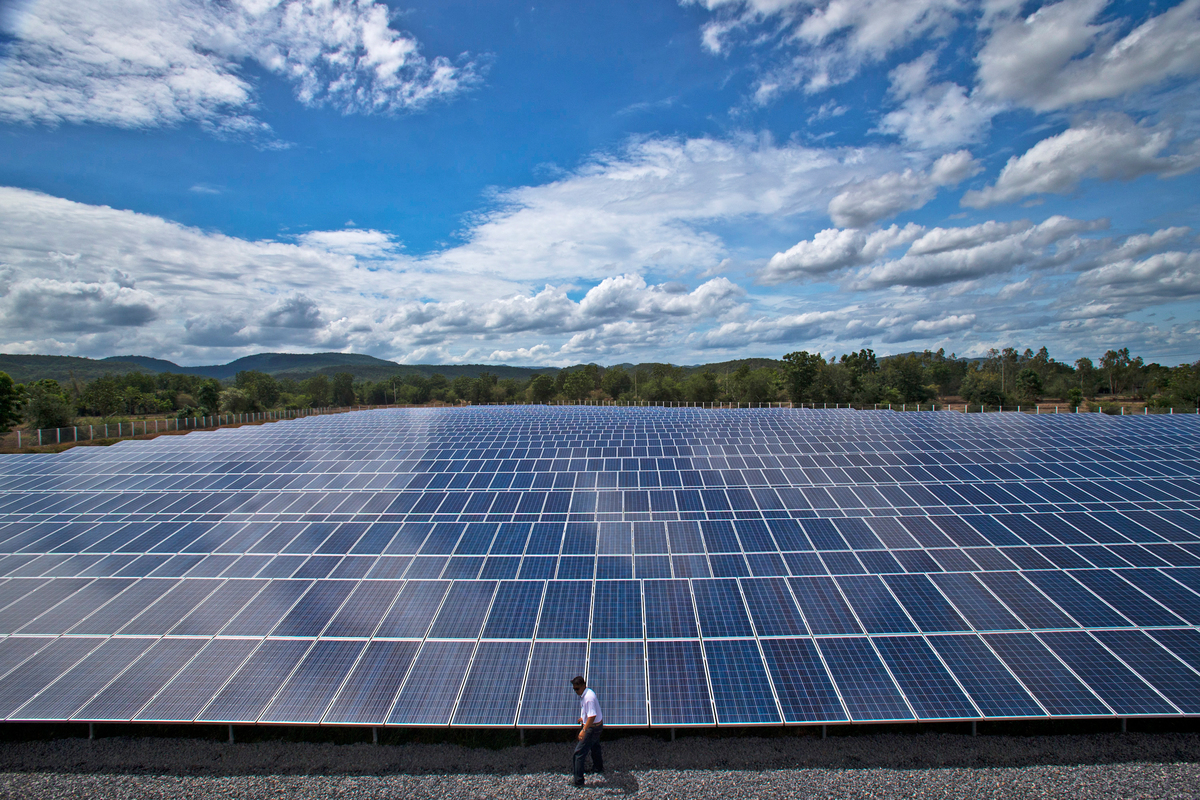
Greenpeace: RE sector to build massive workforce in Thailand
More than 170,000 green jobs by 2050 with 100% Renewable Energy
-

Thai students face off on World Meat Free Day culinary competition
Greenpeace calls for less meat, more vegetables to help fight climate change