The negotiations that could reshape climate finance for generations.
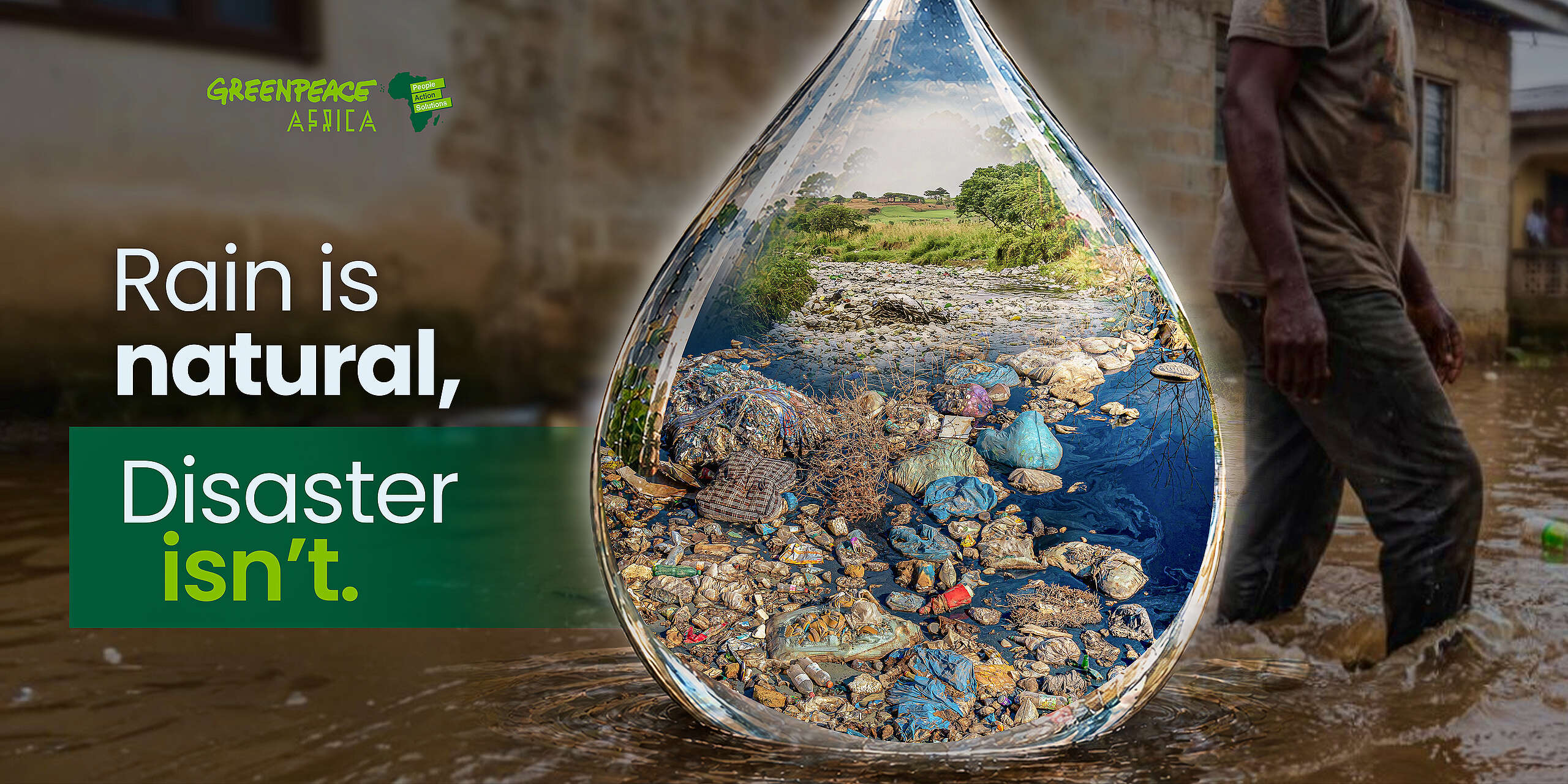
Africa is paying twice for the climate crisis: first through devastating floods, prolonged droughts and rising food prices and then through a global tax system that allows many of the world’s wealthiest individuals and largest multinational corporations to exploit loopholes that reduce their tax obligations, despite their disproportionate contribution to climate change. Those are resources that could help countries invest in climate adaptation and resilience, supporting communities facing climate crisis.
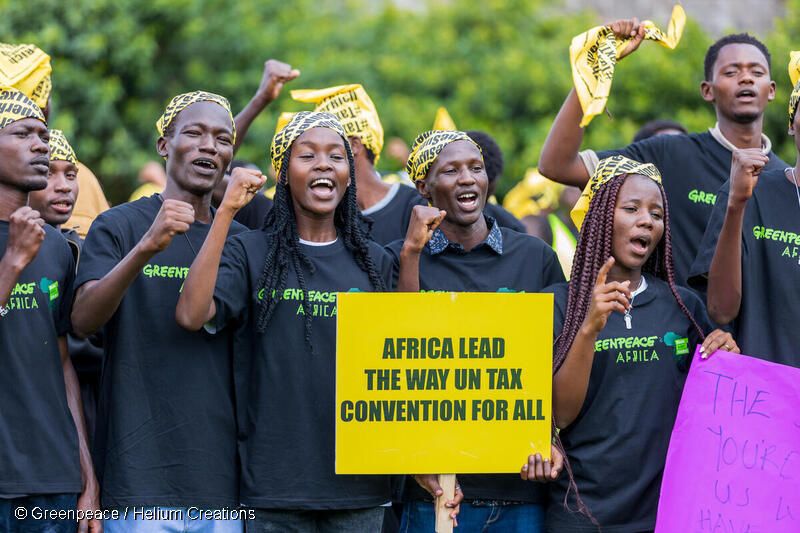
This week, governments from around the world will gather in New York for the Fifth Session of the Intergovernmental Negotiating Committee (INC-5) to negotiate the United Nations Framework Convention on International Tax Cooperation. This is far more than another UN meeting. It is a defining moment that will determine whether the global tax system continues to serve the interests of the wealthiest corporations and individuals, or begins to work for people and the planet.
For decades, international tax rules have disproportionately benefited wealthy countries and multinational corporations, while developing countries have lost billions through tax abuse and illicit financial flows. At the same time, African governments have been expected to respond to escalating climate impacts, rising debt burdens, and growing demands for quality public services with increasingly constrained public resources. This injustice is neither inevitable nor acceptable.
Tax justice is climate justice.
The climate crisis is also a crisis of inequality. Those who have contributed least to climate change continue to bear its heaviest costs, while many of those who have profited most from pollution contribute relatively little through fair taxation.
The UN Tax Convention presents a historic opportunity to change this. A strong Convention must enable countries to fairly tax multinational corporations and the world’s wealthiest individuals, curb tax abuse, and generate the public resources needed to finance climate action, and strengthen essential public services.
Our latest research shows the disproportionate contribution of the ultra-wealthy and their investments to the climate crisis. Those who have accumulated extraordinary wealth while driving environmental destruction must contribute their fair share towards addressing its consequences.
Why Africa cannot afford failure
Africa loses billions of dollars every year through tax abuse while facing enormous financing needs for climate adaptation, renewable energy, healthcare, education, and social protection. At the same time, Africa needs around US$2.8 trillion in climate investment by 2030 but faces an estimated financing shortfall of US$2.5 trillion.These losses often exceed the development assistance many countries receive.
A fair international tax system would allow African governments to retain more of the wealth generated within their own economies, reduce dependence on debt, and invest in resilient, inclusive development.
For communities already experiencing devastating droughts, floods, food insecurity, biodiversity loss, and other climate impacts, these negotiations are not abstract diplomatic discussions. They are about whether governments will have the resources to protect lives, livelihoods, and future generations.
What governments must deliver at INC-5
Governments have a historic opportunity and responsibility to negotiate an ambitious and legally robust UN Tax Convention. To succeed, they must:
- Deliver an ambitious and legally binding UN Tax Convention.
- Support fair taxation of multinational corporations and the world’s wealthiest individuals.
- Strengthen tax transparency and the automatic exchange of information.
- Protect the taxing rights of developing countries.
- Close loopholes that allow profits and wealth to disappear into tax havens.
- Ensure international tax rules help finance climate action and sustainable development.
Anything less would entrench the inequalities the Convention is intended to address.
A defining test of political will
INC-5 is a critical test of political courage. The world does not need another international agreement that preserves an unequal status quo. It needs a democratic, transparent, and inclusive framework that reflects today’s global realities and enables all countries to mobilise the resources they need to meet their development and climate goals.
Africa has long called for a fairer international tax system. The world is finally listening. Now governments must turn that commitment into action.
Every climate summit eventually confronts the same question,where will the money come from? INC-5 offers one of the clearest answers yet. A fairer global tax system will not solve the climate crisis on its own, but without it, climate justice will remain out of reach.
The decisions made in New York will shape whether international tax rules continue to reward wealth extraction or become a powerful tool for reducing inequality, financing climate action, and advancing a more just and sustainable future. The world cannot afford a weak UN Tax Convention.