A note on this story series: Political leaders and big business often push the narrative that oil and gas extraction is a development imperative. Travelling between Cape Town and Port Nolloth by bus, minibus taxi and foot, Greenpeace Africa volunteer Milan Burnett and photographer Tom van der Schijff spent 10 days on the West Coast of South Africa, home to many oil, gas and other mining projects, to gather perspectives from coastal communities on this narrative. A huge thank you to Masifundise Development Trust and Protect the West Coast for their help.
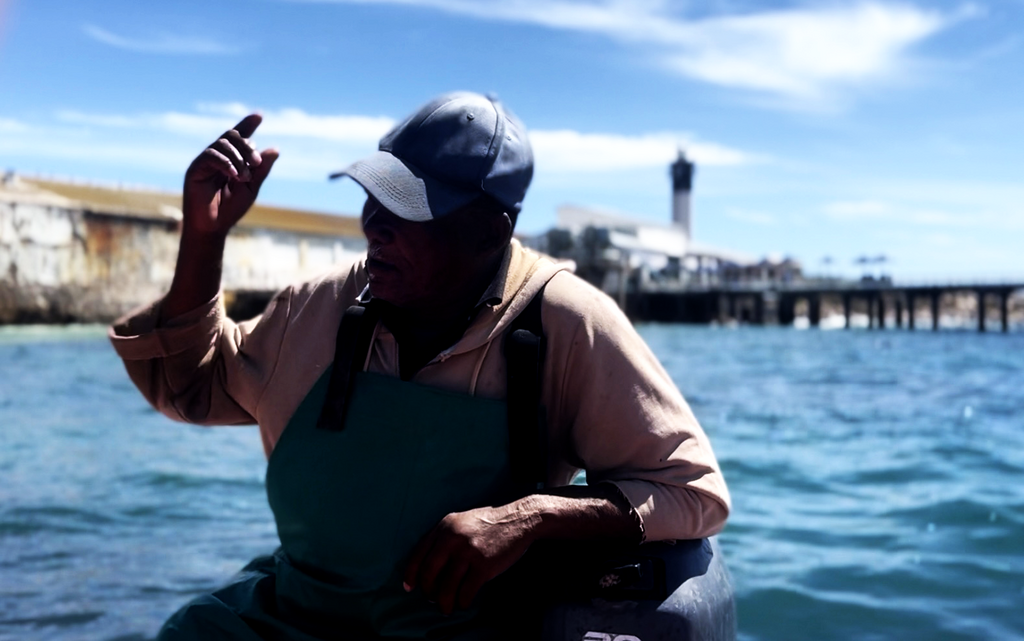
Joey Stevens is 73 years old but still pulls in the fishing lines with ease. He has spent a lifetime on the water; Stevens first went to sea in 1969, the same year his father drowned on a fishing trip. Anyone else would describe the Atlantic ocean as cold. Just cold. But Stevens explains that at different times of the year the temperature of the ocean causes the fish to behave differently. By trailing his hand through the water Stevens knows how far away the snoek-run is; when to fish and when to look forward to the snoek he will catch from the fruits of his knowledge.
The Doringbaai fish factory that hugs the coast, closed in 2006, was where Stevens’ mother worked during the day, while his father worked on the sea that bashes the windows of the factory. During the day his mother and father worked together; his father was one of many men of Doringbaai who brought in the ocean’s gifts while his mother’s hands, one of many mother’s hands, processed the fish. Stevens has never left the sea for more than a few days: “If I left the sea I would die,” he says. Through groundswell socio-economic changes since 1969, Stevens’ bond with the sea has been constant; it has built his character and his family.
But in the background, a fierce battle is being waged for families like Joey’s, a battle fought on multiple fronts. The first fight is for the legal right to access the ocean. The second fight is against oil and gas exploration.
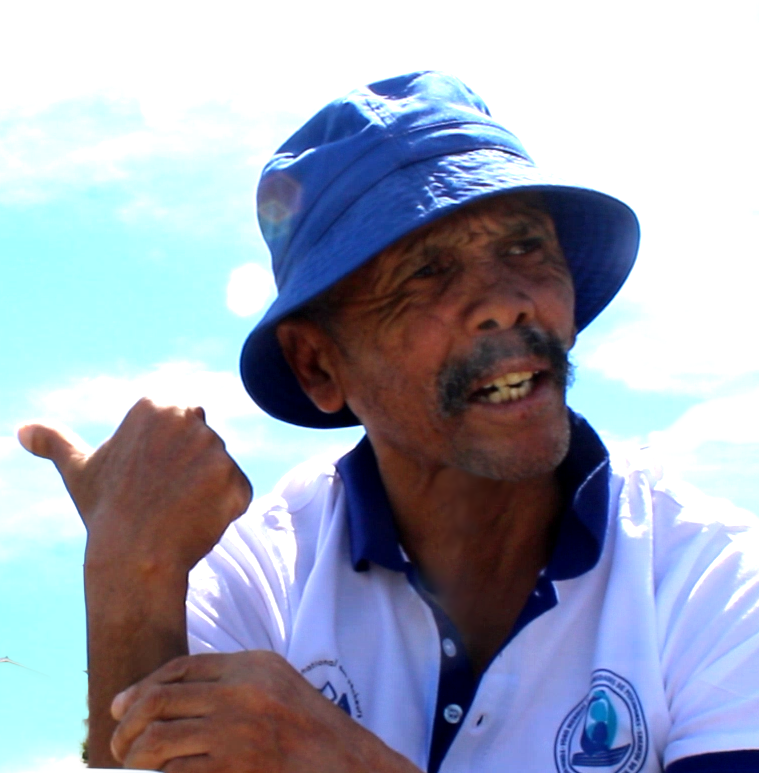
Andre Cloete is the Western Cape Chairperson of Coastal Links, an advocacy network of fishing communities around South Africa. Cloete, born in the fishing village of Papendorp and living in Doringbaai, has been fishing since his early teens. After 1994, says Cloete, the Marine Living Resources Act (MLRA) separated fishing rights into three categories; commercial, subsistence, and recreational. “Nowhere in that window was there provision made for traditional fishers, people who were born in the sea, born in the river, born in the water, to have automatic access,” says Cloete. This meant that in communities like Doringbaai, families like Stevens’ who have lived from the sea for generations, were left disadvantaged. Cloete says that fishing communities started lobbying the Government against the restrictive fishing laws contained in the MLRA in the late 1990s.
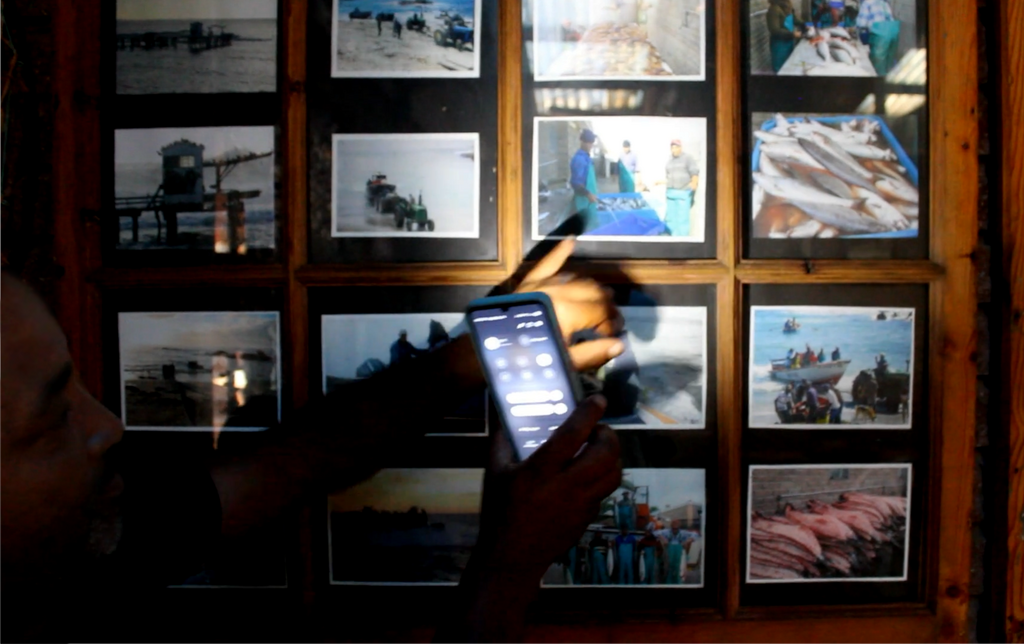
In 2007, after years of lobbying, protesting and legal action by fishing communities, the Equality Court of South Africa ruled that the Government must recognise the right of fishing communities to access the ocean and participate in the ocean economy. Cloete explains that the Court ordered the Government to develop a small-scale fishing policy in conjunction with civil society, a policy which was gazetted in 2012. Cloete says that the policy was supposed to recognise the right of inclusion for fishing communities in the ocean economy and level the playing fields between business interests and community livelihoods. As Cloete describes, this is important because “When they speak of the economy, they forget that your life’s existence is coupled to the sea. They never looked at the social impact of the traditional fisher or the small-scale fisher in the community.” Cloete says that although the policy has been implemented, the lived reality falls far short of what the Court ordered in 2007. Cloete explains that the commercial fishing industry is still granted the lion’s share – at least 67% in 2025 depending on the species – of the fishing quota. Cloete says the impact of this dynamic on the community is huge: “We grew up with the notion that if I go to sea or to the river and come back with fish, then the whole street has fish, regardless of whether you are a fisherman or not, because everyone must eat. You had that connection to your community. This is what makes communities live; the interaction between each other and that interaction with the source.” Cloete says that the declining fish stocks and the unequal allocation of quotas mean that this interaction is more difficult to practice.
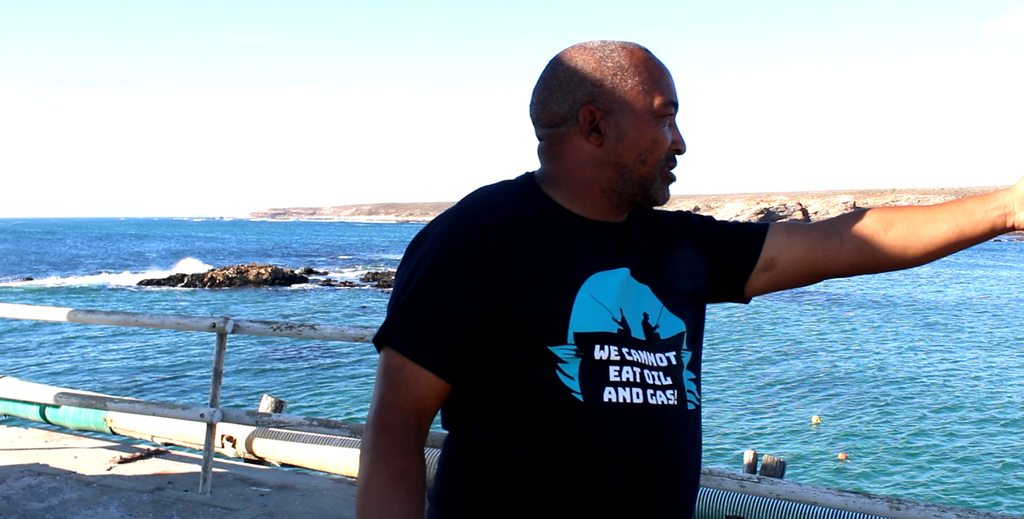
Pedro Engelbrecht (49), born in Doringbaai and Chairperson of the Doringbaai Fishing Cooperative, says that the restrictions placed on fishing communities have huge implications for food insecurity in his community: “We are living from the ocean, how can we survive if we are not allowed to access the sea?” asks Engelbrecht. Jimmy Arendse (59), a fisherman from Doringbaai, has the same concern: “You must think about us. Our fishermen. How will I live without the fish and kreef [West Coast rock lobster]?” The concerns raised in Doringbaai echoed those of this report by Greenpeace Africa on commercial fishing dynamics in West Africa, which documented the “increased pressure on fish stocks from industrial fishing fleets, threatening the food security and jobs of millions of people [in coastal communities].” The synergy between the fight of Doringbaai fishers and those elsewhere in Africa is important because it highlights how the exclusion of fishing communities from accessing their livelihoods is part of a broader struggle by coastal communities for inclusion.
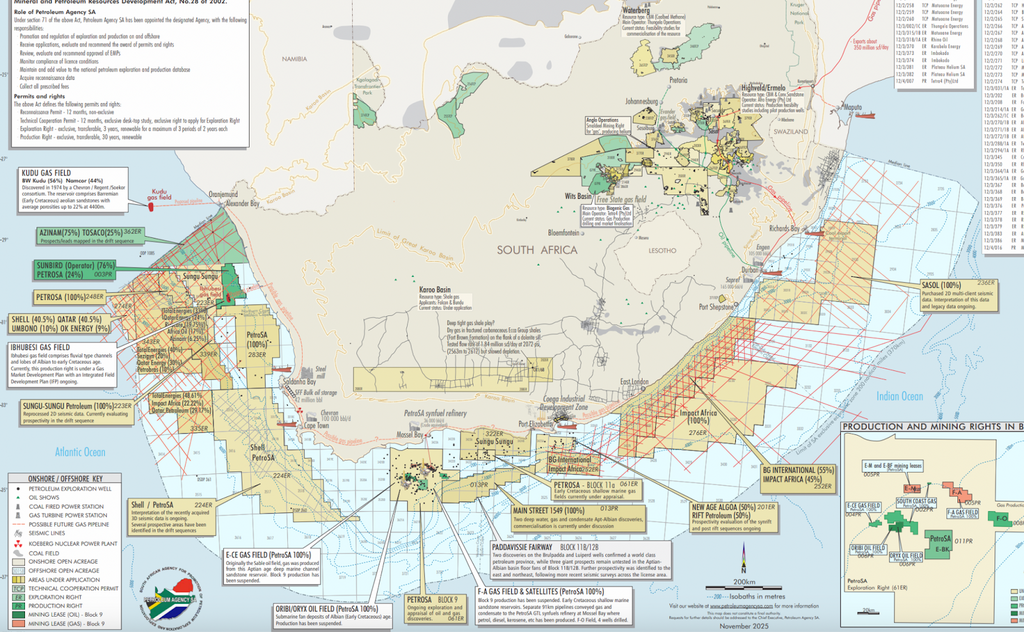
But the exclusion of small-scale fishers from the ocean is just one front on the battleline of the community’s fight for their livelihoods. With around 90% of South Africa’s exclusive economic ocean zone under concessions to mining companies, Engelbrecht says that mining and exclusion from the ocean are part of the same system of resource exploitation. “I’m 49. I was born in this town, my parents were born in this town, I am a bona fide indigenous person, we raised our children in the sea,” says Engelbrecht. “Our fight has become for our customary rights, for our children to access the ocean that gives us life.” This is what oil and gas exploration threatens for Engelbrecht and many others in this community: “I see the danger coming. The challenge is not only now, but for our community, for our children to live,” says Engelbrecht.
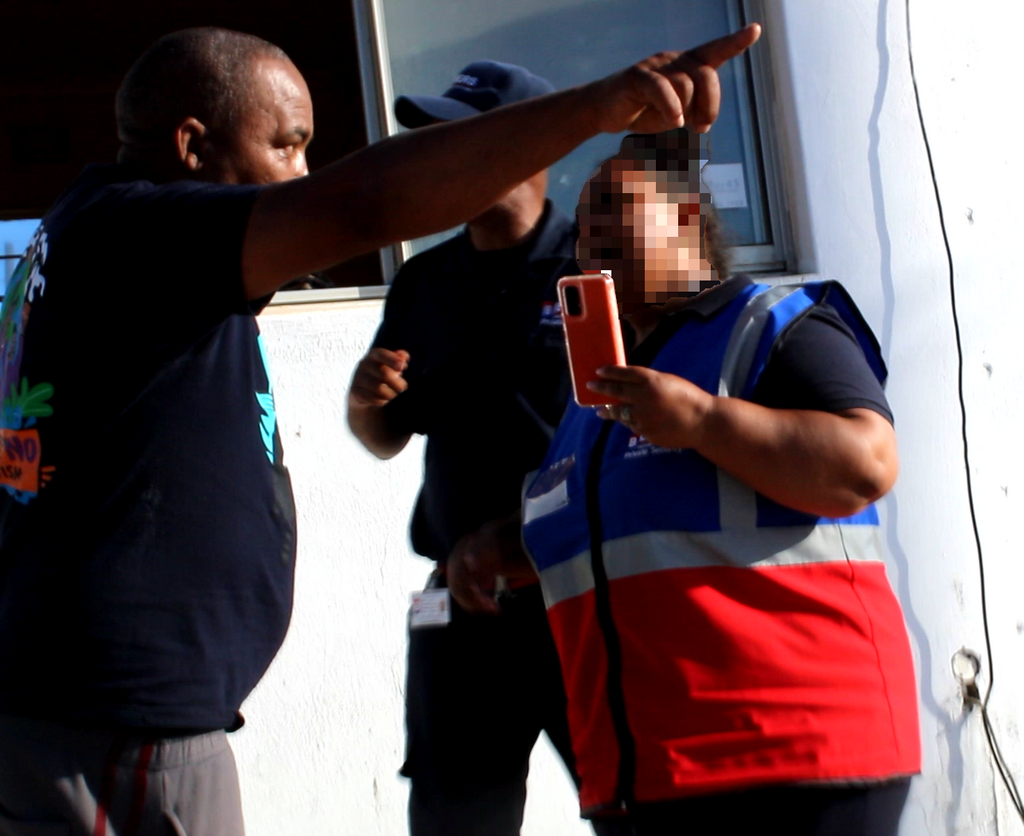
Engelbrecht’s fight for inclusion in this community was made clear when during an interview, we were removed from the harbour by private security who said Engelbrecht needed permission to give an interview. Youngsters and other community members Greenpeace Africa spoke to on the beach say Engelbrecht’s removal is a common experience; they are frequently prevented from swimming and fishing on the jetty, where many in this community say they learnt to fish and swim. Deborah Dewee, founder of local women’s group ‘Spirit of Endeavour Fisherfolk Woman’, says: “This [jetty] is our tradition, this is our young children’s tradition.” Engelbrecht agrees, saying that this dynamic speaks to the broader issue on this coastline of the privatisation of public resources, whereby natural resources are extracted at the cost of the community’s livelihoods and customary rights.
Those who oppose this dynamic are punished, says activist and Ward Councillor Davine Witbooi from neighbouring Lutzville. This is no exaggeration; Witbooi and other activists were sued for a collective R14.5 million under a SLAPP (Strategic lawsuit against public participation) action by Australian owned Mineral Sands Resources (MSR), which operated Tormin mine just above Lutzville. After a lengthy court battle, Deputy Judge President of the Western Cape High Court Patricia Goliath dismissed the SLAPP case, warning that: “[c]orporations should not be allowed to weaponise our legal system against the ordinary citizens and activists in order to intimidate and silence them.”
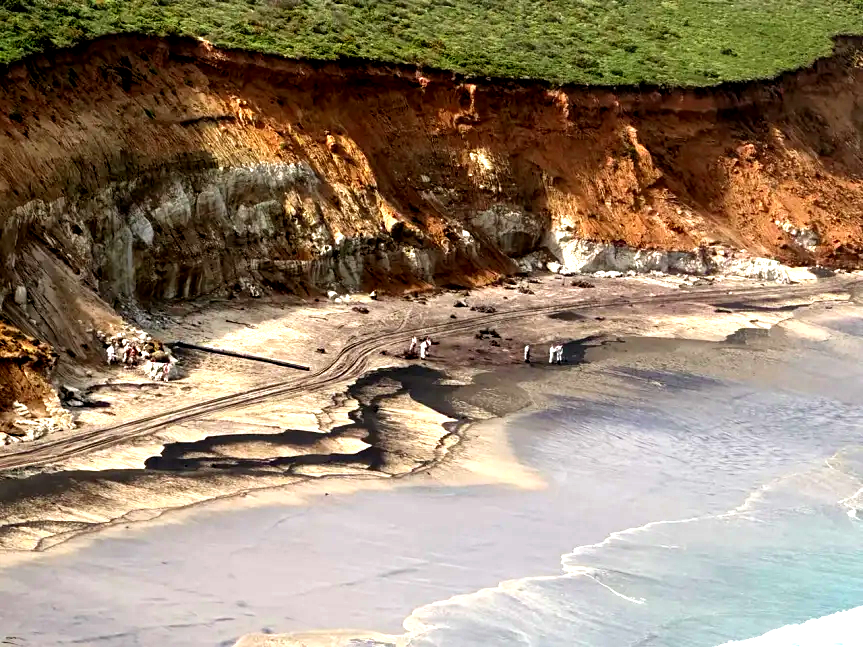
Those behind Operation Phakisa – the Government plan to develop the ocean economy – say resource extraction is part of a strategy to create jobs and generate wealth for the people. But Engelbrecht disagrees: “We have the resources but we don’t make the money. There is nothing for the fisherpeople, we don’t see the social benefits. Oil and gas works for them, it makes them rich. The Minister benefits, but what gives you the right to take away someone’s customary rights? You can’t buy our rights. The Minister says that oil and gas is important for development. But that development is not for us, it’s for them to get rich. You can’t live from oil. Where will the minister be when our sea is black from oil? When I go to sea without catching anything?” Engelbrecht’s reference to a black sea is not an abstraction on this coast; in 2025, the cargo ship MV Ultra Galaxy ran aground off this coast, turning the beach black with 500 tons of diesel and a cargo of fertiliser. Fishers Greenpeace Africa spoke to said that they caught nothing for weeks around the time of the oil spill. While the MV Ultra Galaxy was not linked to oil and gas exploration, Engelbrecht and others in this community fear that oil and gas extraction could mean similar spills, a concern echoed by this report which modelled possible oil spills in South Africa.
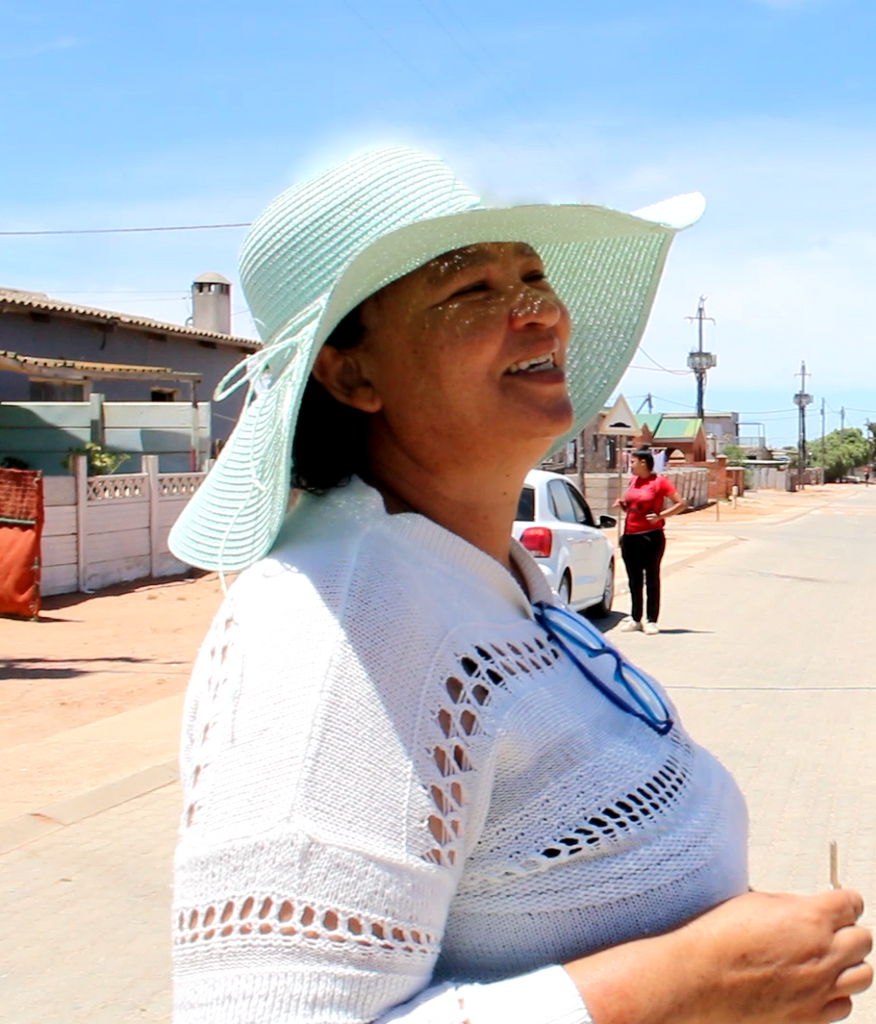
Arendse agrees with Engelbrecht on the disconnect between community benefits and the fossil fuel industry’s profits: “The benefits go to them. I won’t get a cent from that oil. What must I do with oil? That oil and gas is for them, not for us. We come last.” Dewee adds that: “Nothing comes back into the community but it’s our resources, our livelihoods that are gonna be destroyed.” These voices echo the perspectives of Port Nolloth, covered in Part 1 of this series, who say that development promises never materialise. For these communities, the notion that resource extraction leads to development outcomes is not a straightforward tradeoff; resource extraction directly threatens the livelihoods of coastal communities while the socio-economic benefits are often elusive.
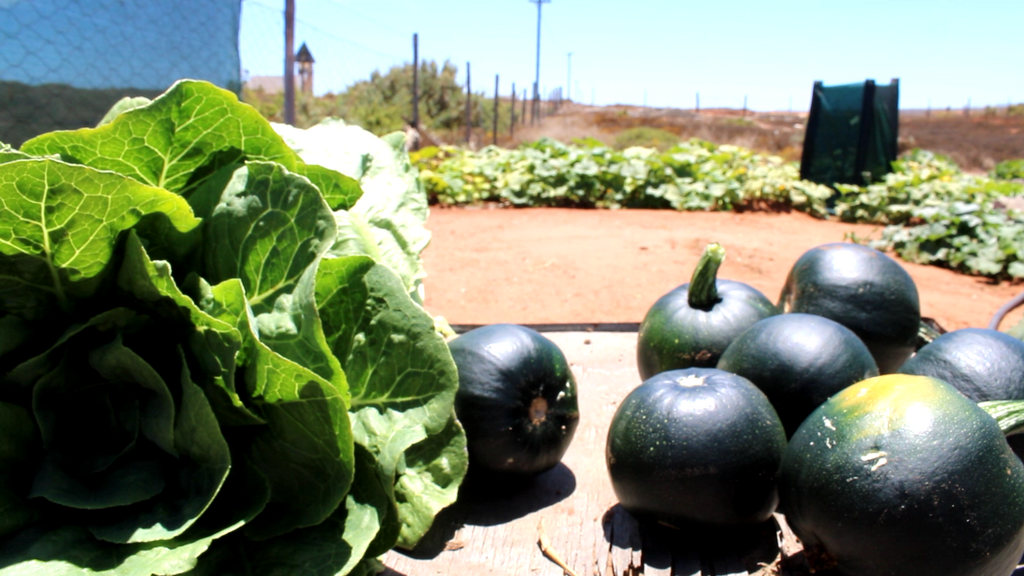
The concerns shared by these voices in Doringbaai is why Dewee is looking for alternatives to build food security in this community. “This oil and gas is going to kill us. And in what way? We are going to starve from hunger,” says Dewee. For this reason, Dewee, with other community members, started a community vegetable garden which services the community soup kitchen. The long term goal, says Dewee, is to develop a sustainable food system for this community: “Our long term plan is to sell food from the garden so our women can support themselves.” But this is about more than food security. “If we let the mining go ahead, our children’s culture will seep away from them. My father was a fisherman for 50 years. He was 16 when he went to sea. With oil and gas they are going to kill the livelihood of the fishers. This is our financial income, this is our food system. So for them it’s going to be development, not for Doringbaai.”
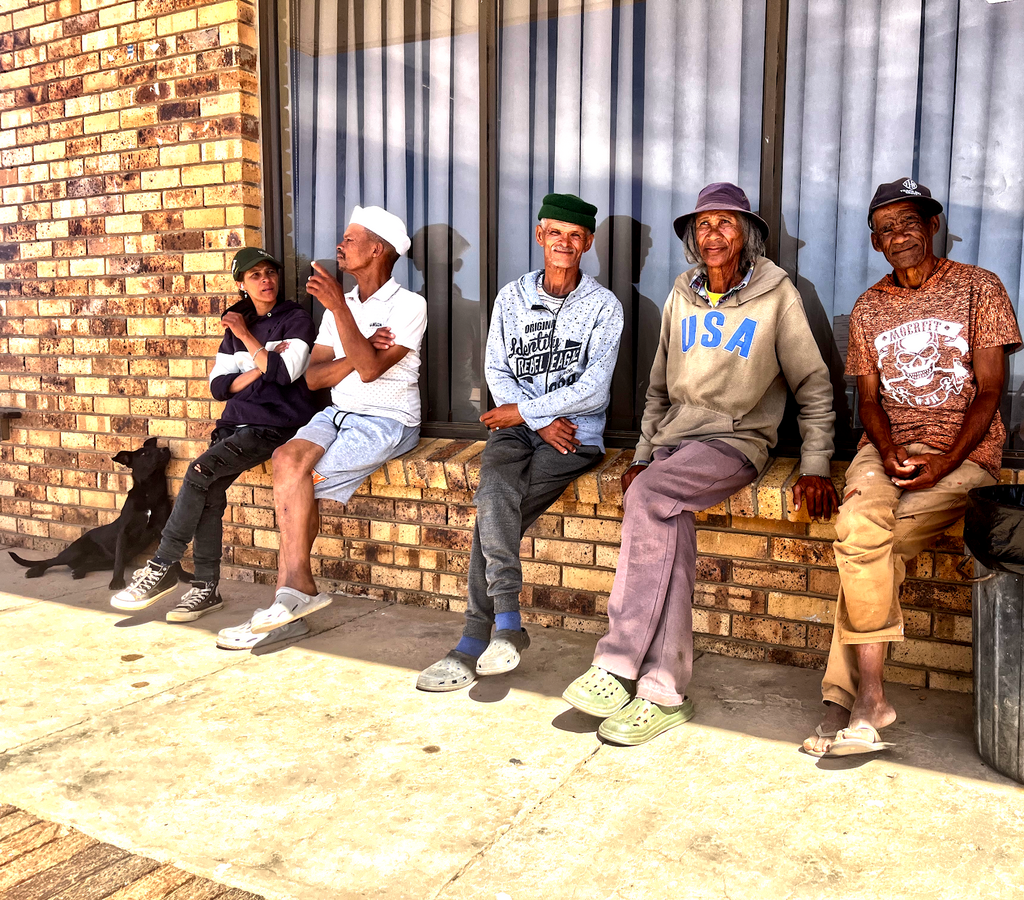
The first democratic Constitution, recognising South Africa’s long history of exploitation and autocratic rule before 1994, enshrines the importance of community consultation and participatory democracy to prevent disconnects between national policy and community needs. However, community members in Doringbaai believe that the current landscape of resource extraction and fishing rights means that the situation on the ground is very different: “No one asked me since the day I was born. They just do what they want,” says Arendse. For Dewee, the solution is clear: “Before they make decisions,” says Dewee, “come to the traditional people who are living on the coast. Come to us, and hear from us, don’t just sit in your office, come to the people on the ground floor, let that people guide you.”
PART 1
Fields of gold PART 1: Community voices on extractive economies from the Richtersveld
PART 3
Fields of gold PART 3: Voices on extractive economies from Ebenhaeser and Hondeklipbaai