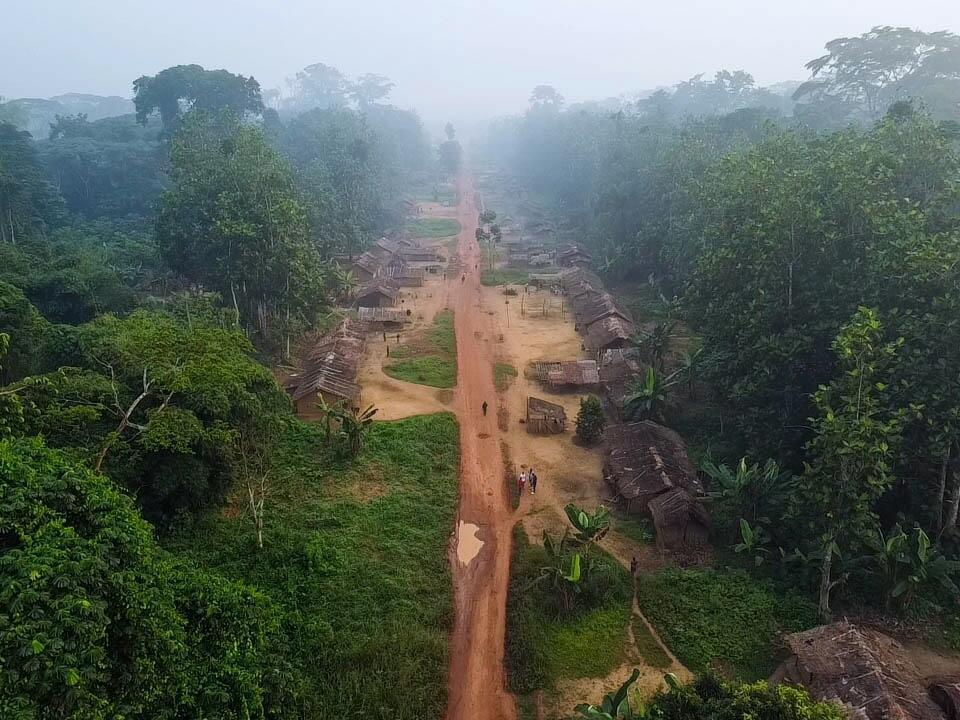
As the sun rises over Lokolama, the forest awakens long before we do.
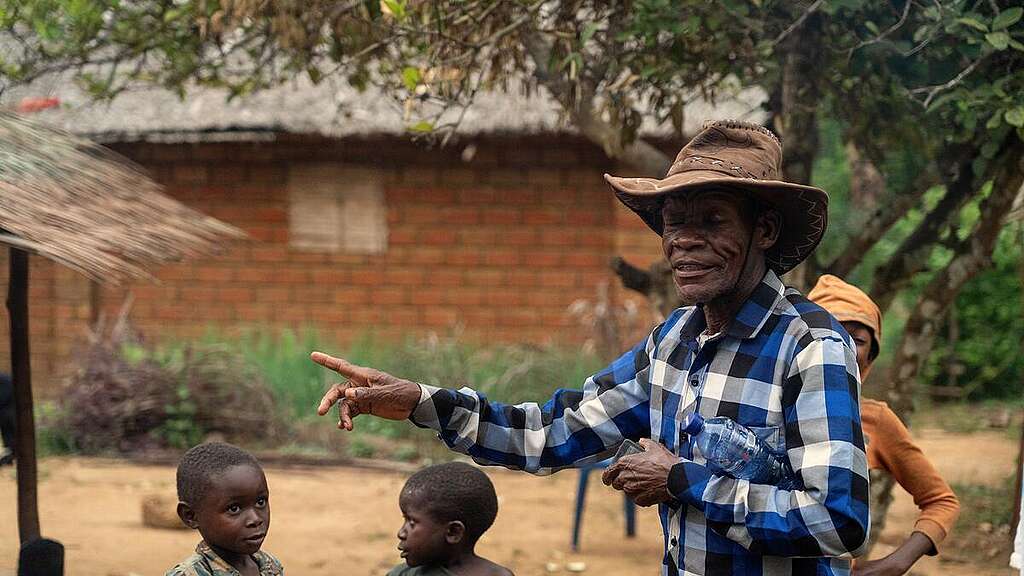
Birdsong echoes through the canopy. Our elders are already walking the familiar forest paths they have known all their lives. Barefoot children run freely among the trees, unaware that during August the world is celebrating the Indigenous Peoples Month.
For them, this month is no different from any other.
It is simply another month spent with the forest that feeds them, protects them, heals them and teaches them how to live.
For me, however, this month is a reminder. A reminder that our story deserves to be told differently.
For far too long, Indigenous Peoples have been portrayed as vulnerable communities in need of protection. Yet long before the world began talking about climate change, biodiversity or nature-based solutions, our ancestors from Africa and other parts of the planet were already protecting these forests. They understood something fundamental: you do not own the forest, you belong to it.
I was born in Lokolama, Équateur Province of the Democratic Republic of the Congo (DRC). Here, I learned to recognize the trees, to listen to the silence of the forest, and to understand that every river, every peatland and every living species forms part of a fragile balance that we have a responsibility to pass on to future generations.
Our ancestral knowledge is far more than a cultural heritage
Last year, Greenpeace Africa came to our village.
For several days, we walked together beneath the towering trees. We shared our stories, listened to our elders, met with young people, learned from the women of our community, and discovered together that our ancestral knowledge is far more than a cultural heritage. It is a practical response to many of the challenges our planet faces today. The expedition to Lokolama and Penzélé showed that Indigenous communities are not merely beneficiaries of conservation; we are its first architects.
The forest is our past, our present and our future
One memory remains especially vivid.
I remember watching the children as they drew their vision of the perfect forest.
Not one of them drew an empty forest.
They drew towering trees, rivers filled with fish, bonobos, birds, butterflies and families living together in harmony with nature.
Their drawings were simple.
Yet they carried a profound truth:
Our forest is our home, our identity and our future.
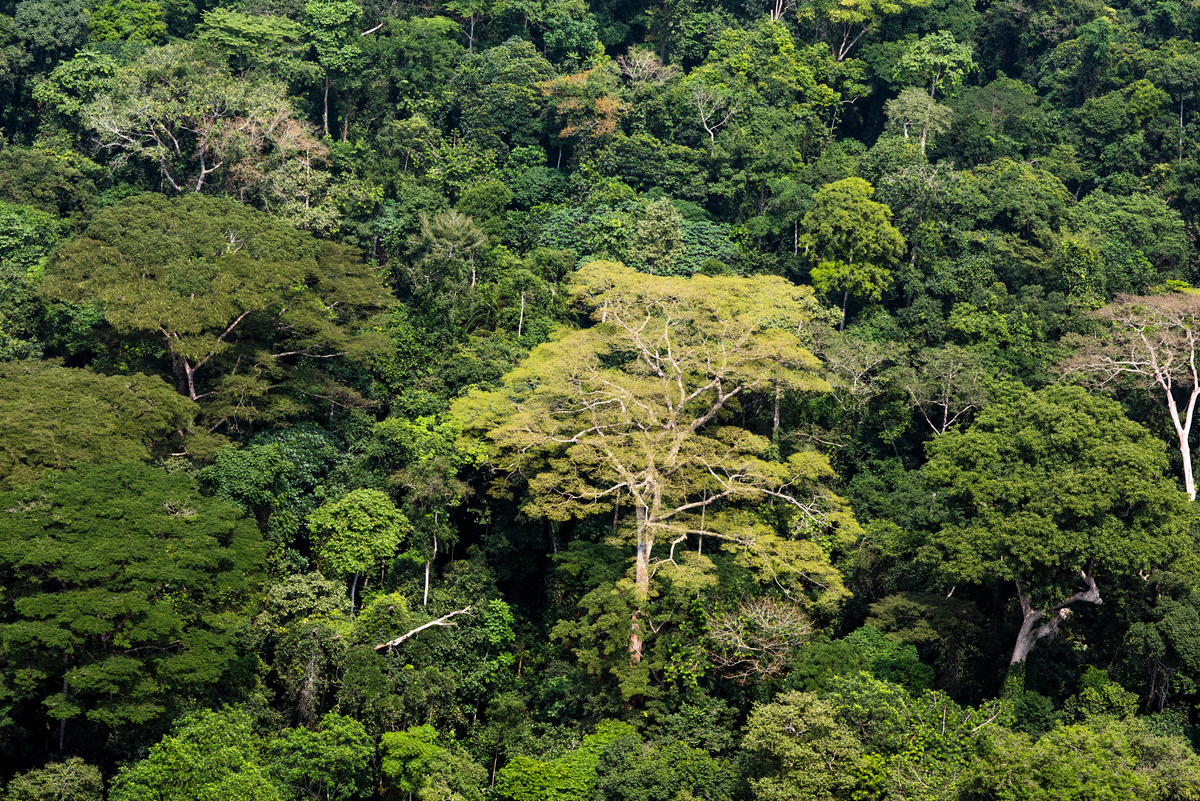
I also remember our conversations with the communities of Penzélé.
Forests as home to cooperation and peace
We spoke about past challenges and misunderstandings, but above all, about our shared determination to build a future where forests are no longer a source of conflict but a place of cooperation and peace. Because protecting the forest also means protecting the bonds that unite the people who call it home.
Today, as world leaders discuss climate finance, carbon markets, biodiversity and sustainable development, I would like to remind them of one essential truth.
The forests of the Congo Basin did not wait for international conferences to be protected.
They have been safeguarded for generations by the women, men and young people who live within them.
Our knowledge does not come from books.
It comes from the seasons.
From the rivers.
From the trees.
From the forest paths our grandparents taught us to walk with humility and respect.
This does not mean that we reject development.
On the contrary.
We aspire to quality schools, accessible healthcare, better roads that connect our villages and opportunities for our young people.
But we believe that genuine development can never come at the expense of our identity, our ancestral lands or our rights.
We want to be part of decision making processes
We want to be partners.
Not merely observers.
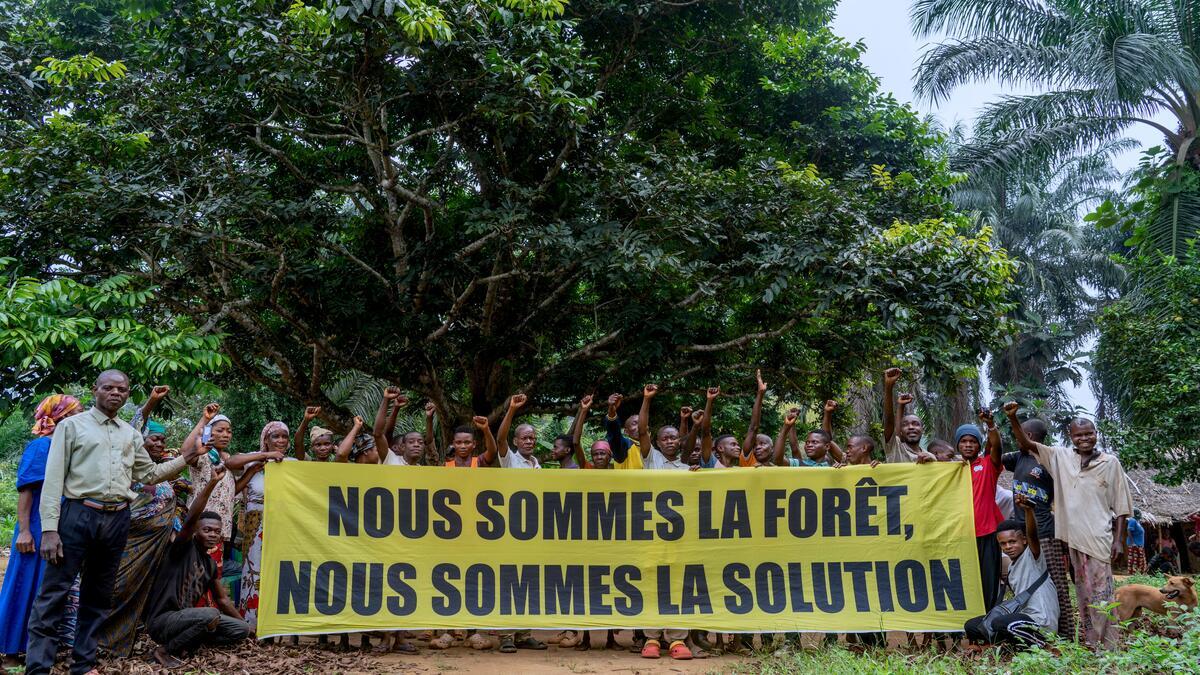
We want to participate in the decisions that affect our territories because no one knows this forest better than the people who have lived with it for generations.
On this International Day of the World’s Indigenous Peoples, I am not asking the world to celebrate us.
I am asking the world to listen to us.
To listen to the voices rising from Lokolama, from Penzélé and from countless other villages across the Congo Basin and across the Earth.
Because behind every one of those voices lies knowledge, solutions and a vision of the future that our planet needs now more than ever.
Our shared future depends on our ability to protect the world’s forests.
And protecting forests begins with respecting those who have always been their first guardians.
We are Indigenous Peoples.
We are not the past.
We are an essential part of the future of the Congo Basin.
And as long as the forest continues to breathe,
We will continue walking beside it.
By Valentin Engobo Mufia
Representative of the Tshwa Indigenous People of Lokolama
Democratic Republic of the Congo