
If left unchecked, agriculture is projected to produce 52% of global greenhouse gas emissions in the coming decades, 70% of which will come from meat and dairy. [1]
Together, we can loosen the grip of industrial animal agriculture on our food system and build a healthier world for our generation and the next.”In response to the rising impacts of animal agriculture on public health, the environment, and the climate, Greenpeace is launching a new global campaign calling for a major shift in the way we eat and the way we farm. Greenpeace calls for a 50% reduction of meat and dairy and a significant increase of plant-based in both production and consumption by 2050.”
Greenpeace calls on governments to end policies that support industrial meat and dairy production, and instead help farmers shift towards ecological methods of growing crops and raising an amount of livestock that the planet can sustain. Greenpeace also urges governments to make healthy, plant-based foods more available, and calls on people around the world to join the movement for less meat and dairy and a healthier planet.
www.greenpeace.org/livestock_vision
[2] World Health Organization, http://www.who.int/mediacentre/news/releases/2017/running-out-antibiotics/en/
[3] Less is More: Reducing meat and dairy for a healthier life and planet, Greenpeace International. www.greenpeace.org/livestock_vision
Read our vision, Less is More: Reducing meat and dairy for a healthier life and planet, and the scientific background here: www.greenpeace.org/livestock_vision
Images available here.
[email protected], Meat and Dairy Comms Lead, Greenpeace Nordic (based in Denmark); +45 2810 9021
[email protected] (available 24 hours); +31 (0) 20 718 2470
Want to see more from Greenpeace?
 Add as a preferred source on Google
Related Posts
-

We’re taking JBS, the world’s largest meat company, to court over its Nigeria expansion
JBS, a global meat empire controlled by two billionaire brothers, wants to stay in the shadows while they export their destructive business model to Nigeria. That’s why we’re taking them to court to reveal the truth.
-
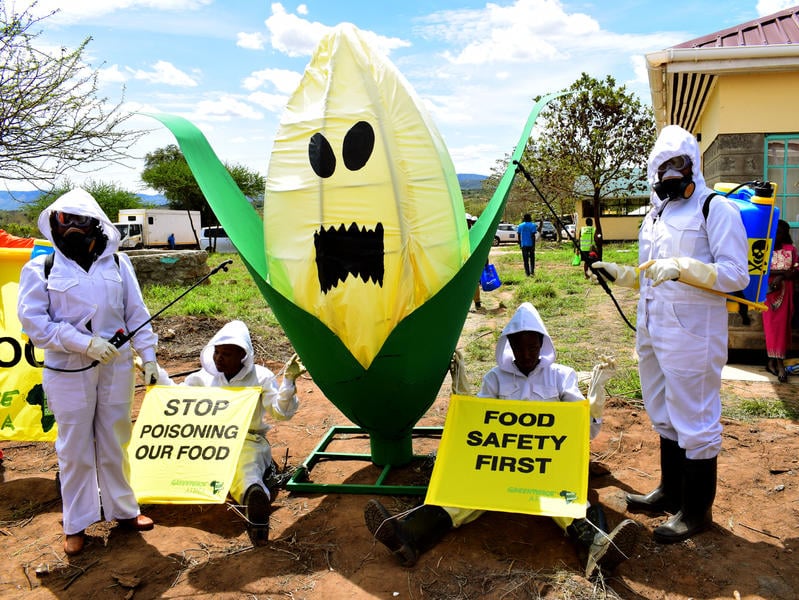
The double standard of toxic pesticides and the legal case for corporate accountability in Africa
Africa’s food sovereignty and public health should never be the collateral damage of global chemical dumping. For years, a silent but deadly double standard has played out across the African continent, hiding in plain sight within our agricultural value chains.
-
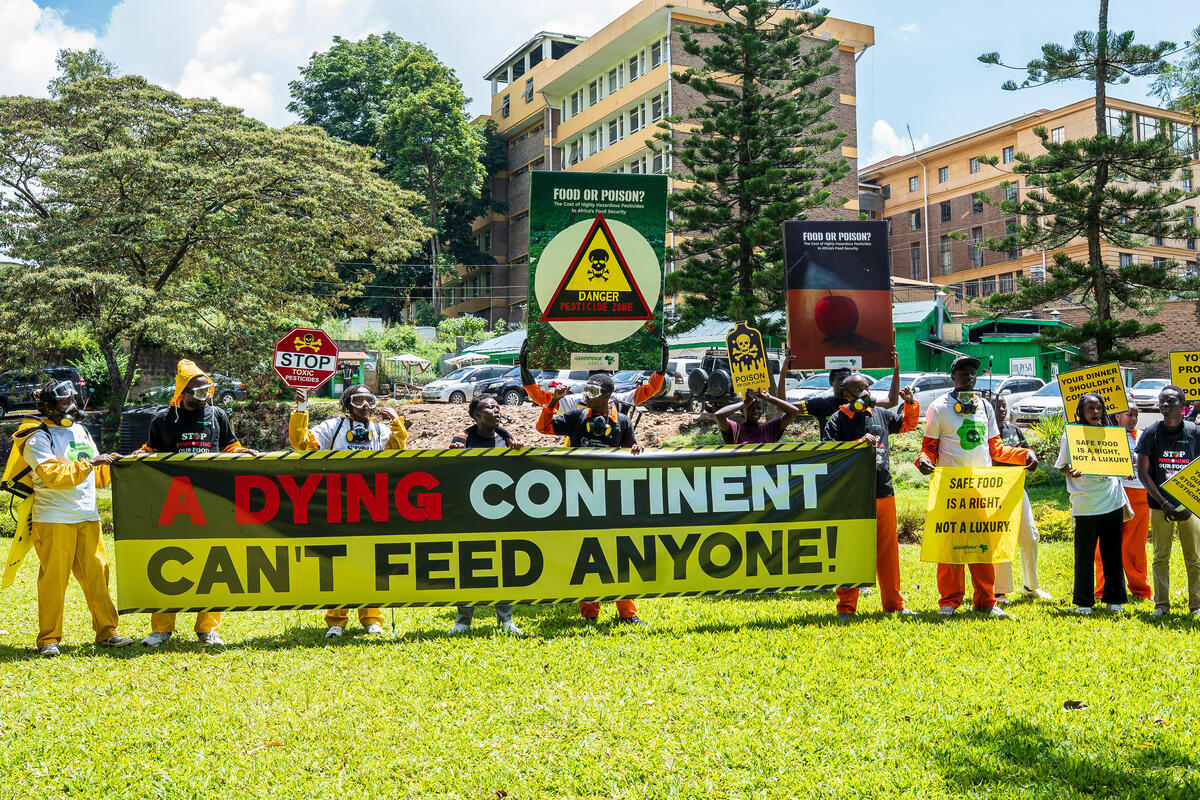
World Food Safety Day 2026: Africa’s Youth to Leaders – If It Is Not Safe, It Is Not Food
On 7th June, governments and institutions around the world marked World Food Safety Day with statements, commitments, and carefully worded pledges. My generation marked it differently, with questions about why the food system that is supposed to feed our future is poisoning it instead.