The devastating floods that struck Maroua last weekend are the latest in a pattern of climate-driven disasters spreading across Cameroon. Greenpeace Africa stands in solidarity with the people of Maroua and warns that flooding of this scale is no longer an isolated event but a national emergency that is becoming more frequent, more severe and increasingly costly.
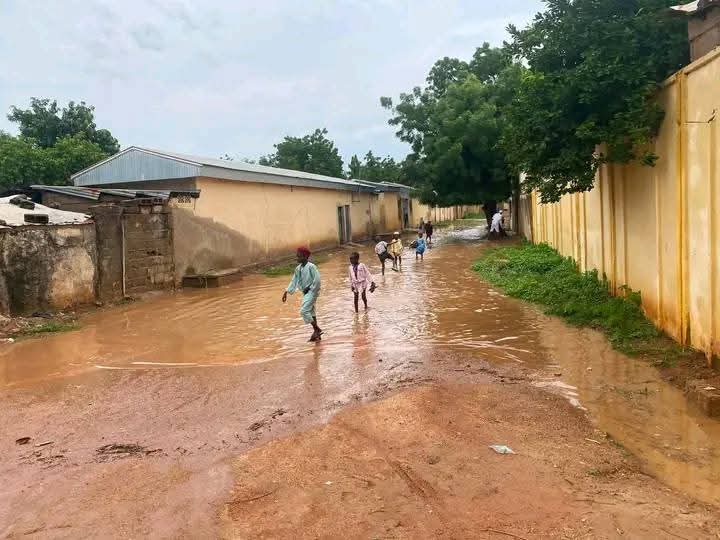
Since the start of the rainy season, devastating floods have also affected Douala, Yaoundé and Limbe. Together with Maroua, these events expose the growing vulnerability of Cameroon’s cities and communities to the combined impacts of climate change, environmental degradation, rapid urbanisation and inadequate waste management.
Dr. Livinus Nchini, of Greenpeace Africa, said:
“Across Cameroon, healthy forests are one of our most effective natural flood defences, and the Congo Basin is the backbone of that system. As forest cover is stripped away, the country loses its ability to regulate rainfall, absorb excess water and stabilise soils. No amount of concrete infrastructure can fully replace what a living forest does for a watershed. Forest loss is one of the forces making floods across the country more frequent and more severe. “
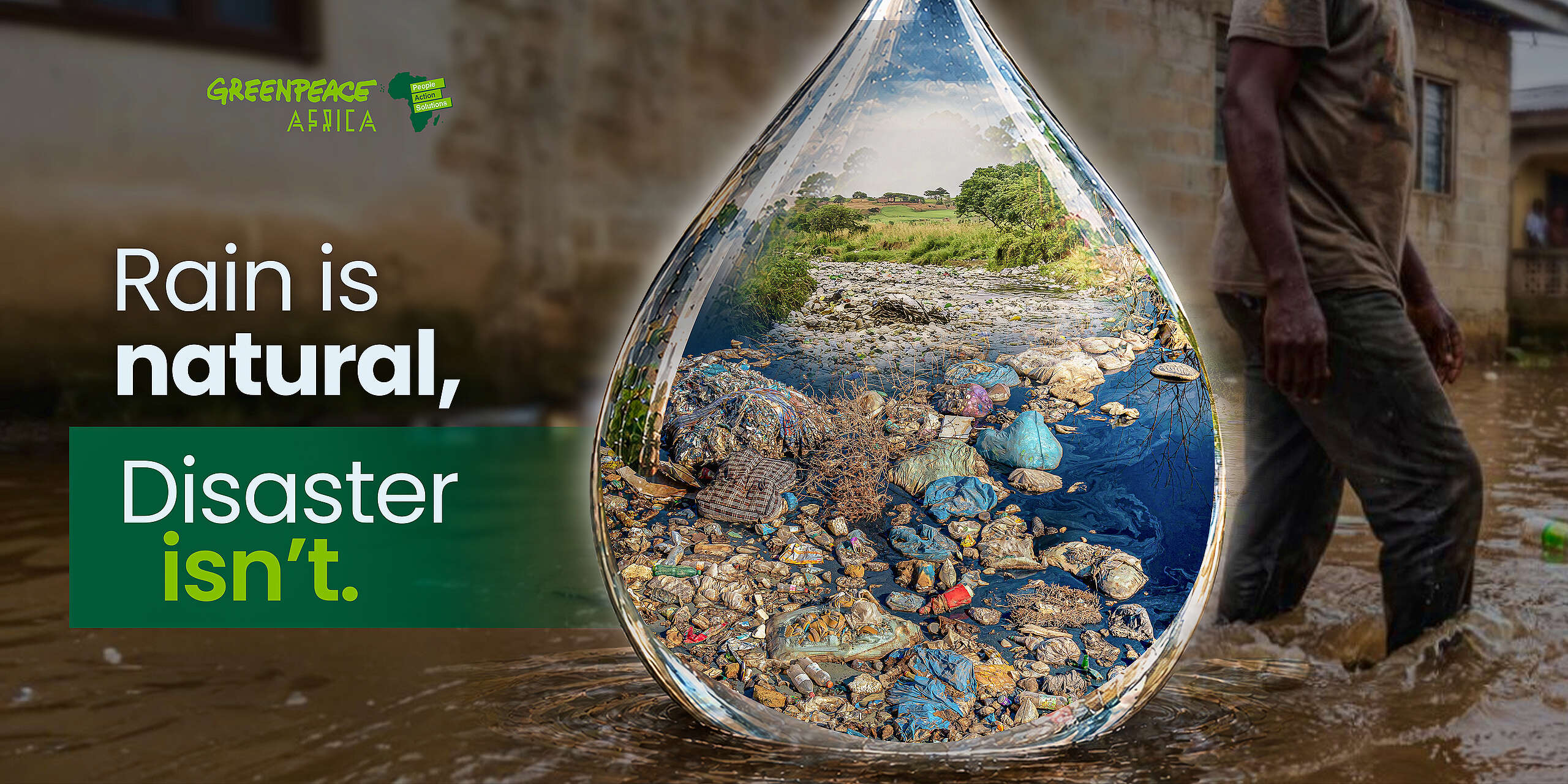
Hydro-meteorological disasters have become Cameroon’s most significant environmental threat, with floods and landslides accounting for more than three-quarters of recorded natural hazards in recent years. As forests continue to disappear, the ecosystems that regulate rainfall, absorb excess water and stabilize soils are being weakened, increasing the risk of flooding and landslides. At the same time, poorly planned urban expansion, settlements in flood-prone areas and drainage systems clogged with plastic waste are turning heavy rainfall into recurring humanitarian emergencies.
Recent years demonstrate that Cameroon is facing a structural crisis rather than isolated disasters. Floods and landslides continue to claim dozens of lives every year while affecting hundreds of thousands. Communities are repeatedly displaced, livelihoods destroyed, and public health emergencies, including cholera outbreaks, become more likely as critical infrastructure is damaged.
Dr. Livinus Nchini added:
“Floods are not acts of God, they are the consequence of Governance choices. Climate change is intensifying extreme weather, but weak urban planning, continued destruction of forests, poor waste management and inadequate investment in resilient infrastructure are magnifying its impacts. These disasters can no longer be treated as exceptional events. They require urgent political action.”
Greenpeace Africa calls on the Government of Cameroon to:
- Strengthen climate adaptation measures in flood-prone communities;
- Protect and restore the Congo Basin forests as critical natural infrastructure for climate resilience;
- Enforce effective waste management policies and prevent plastic waste from obstructing drainage systems;
- Invest in resilient urban planning and drainage infrastructure that prioritizes the safety of vulnerable communities;
- Integrate nature-based solutions into national and local climate adaptation strategies.
The increasing frequency of floods across Cameroon is a warning that climate change is no longer a future threat but a present-day reality.
ENDS
Media Contact
Luchelle Feukeng: Communication and Storytelling Manager: [email protected] +237656463545
Livinus Nchini, PhD: Forest Campaigner at Greenpeace, [email protected], +237578801489