
Stop the development of new oil blocks in the DRC
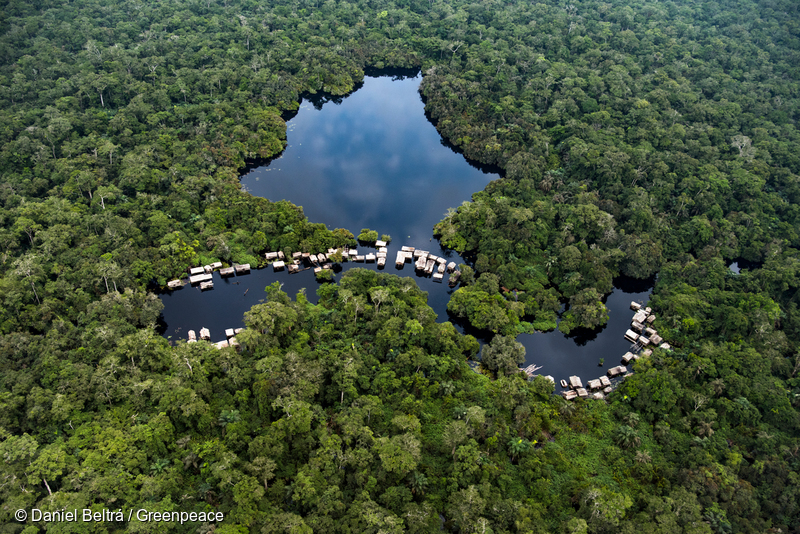
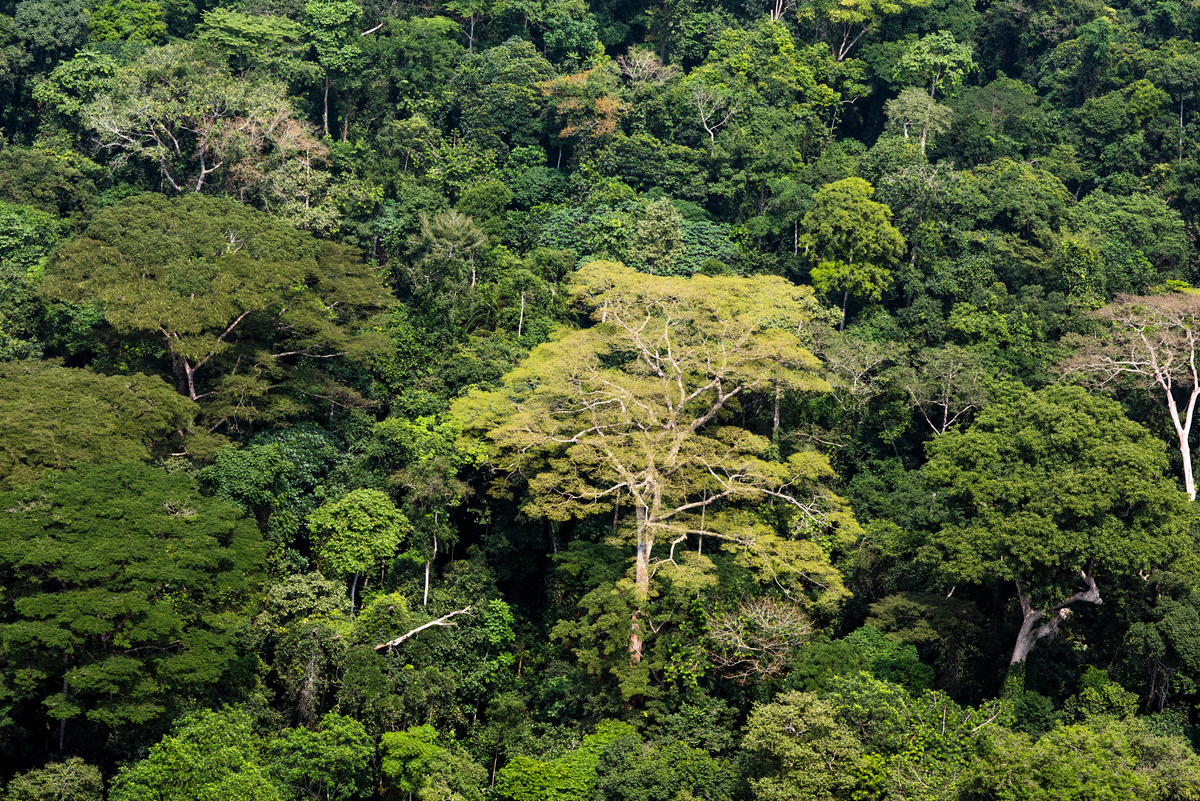
Only a few months after the signature of a $500 million deal with donors at COP26, the DRC government plans to auction 27 oil and 3 gas blocks. President Tshisekedi wants to sacrifice vast areas of Congo rainforest and peatland for oil. These blocks cover some of the last remaining intact forests on Earth that are home to thousands of local and indigenous communities and countless animal and plant species. Three of them overlap one of the world’s largest carbon sinks estimated to store 30 billion tonnes of carbon. This would be an unmitigated disaster for the climate, biodiversity and local people.
Stop the toxic Auction
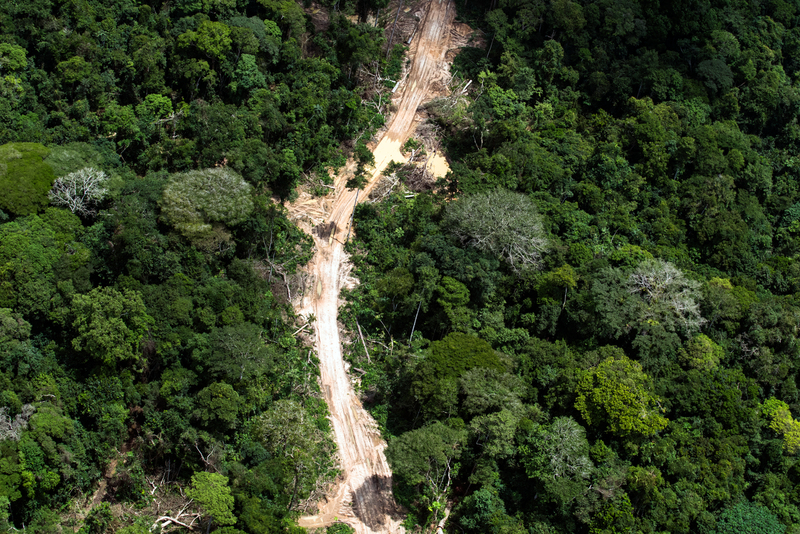
Sell-off of Congolese resources only serves to make foreign countries richer. It does not make the lives of Congolese people any better. If the government truly wants to show patriotism it will start by working with the Congolese and building industry that provides decent work, not selling off the country’s natural treasures to the highest bidder.
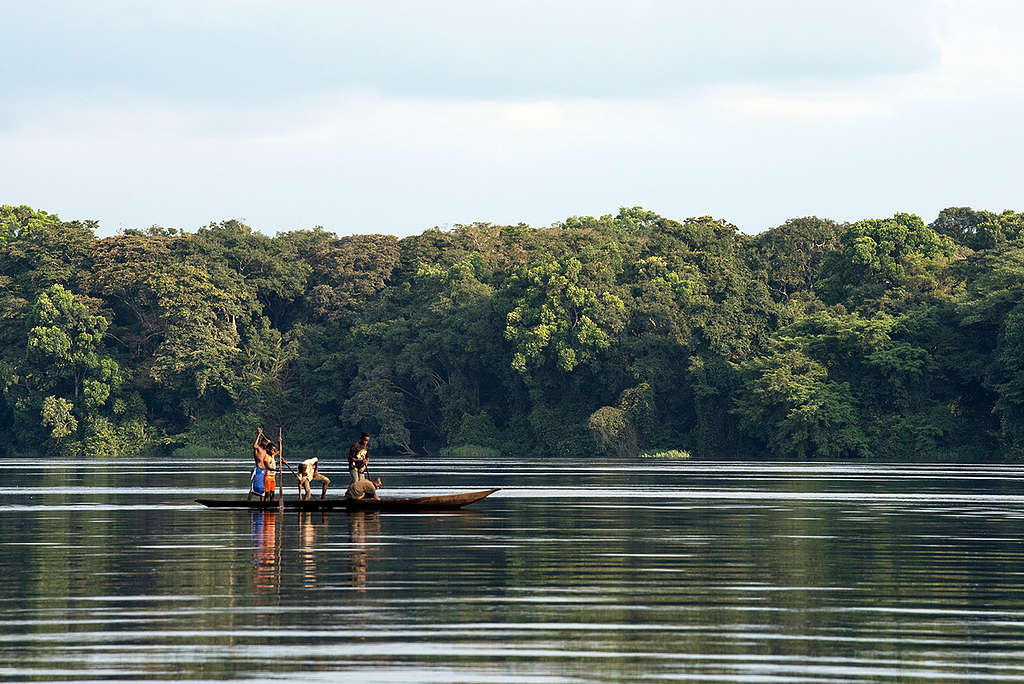
More oil, less rain: African countries are disproportionately affected by climate change, already suffering intense droughts and floods across sub-Saharan Africa. But the Congo rainforest helps regulate sub-Saharan Africa and is responsible for 50 per cent of its rainfall. More oil in the DRC means less rain for all Africans.

Local rights and climate emergency: the rights of Congolese people are best served by intact forests, which serve millions of Congolese people, and by a planet that isn’t warming beyond the limits of the Paris Agreement.

27
oil blocks are up for auction
30Bn
tonnes of carbon in peatlands

15 days
before the auction happens
SIGN THE PETITION

-
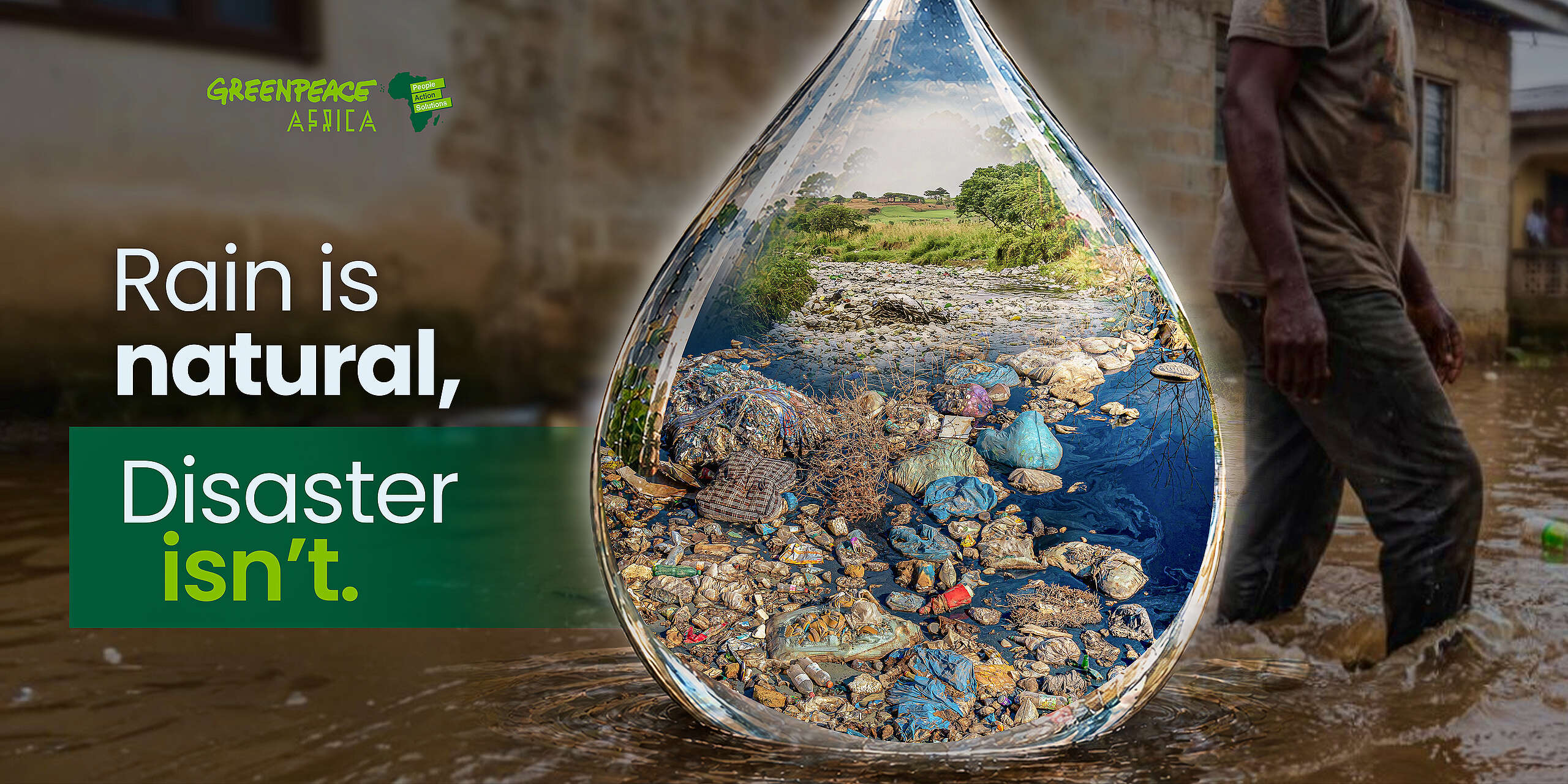
Rain is natural. Disaster should not be.
Heavy rain doesn’t have to become a disaster. What happens next depends on more than the weather.
-
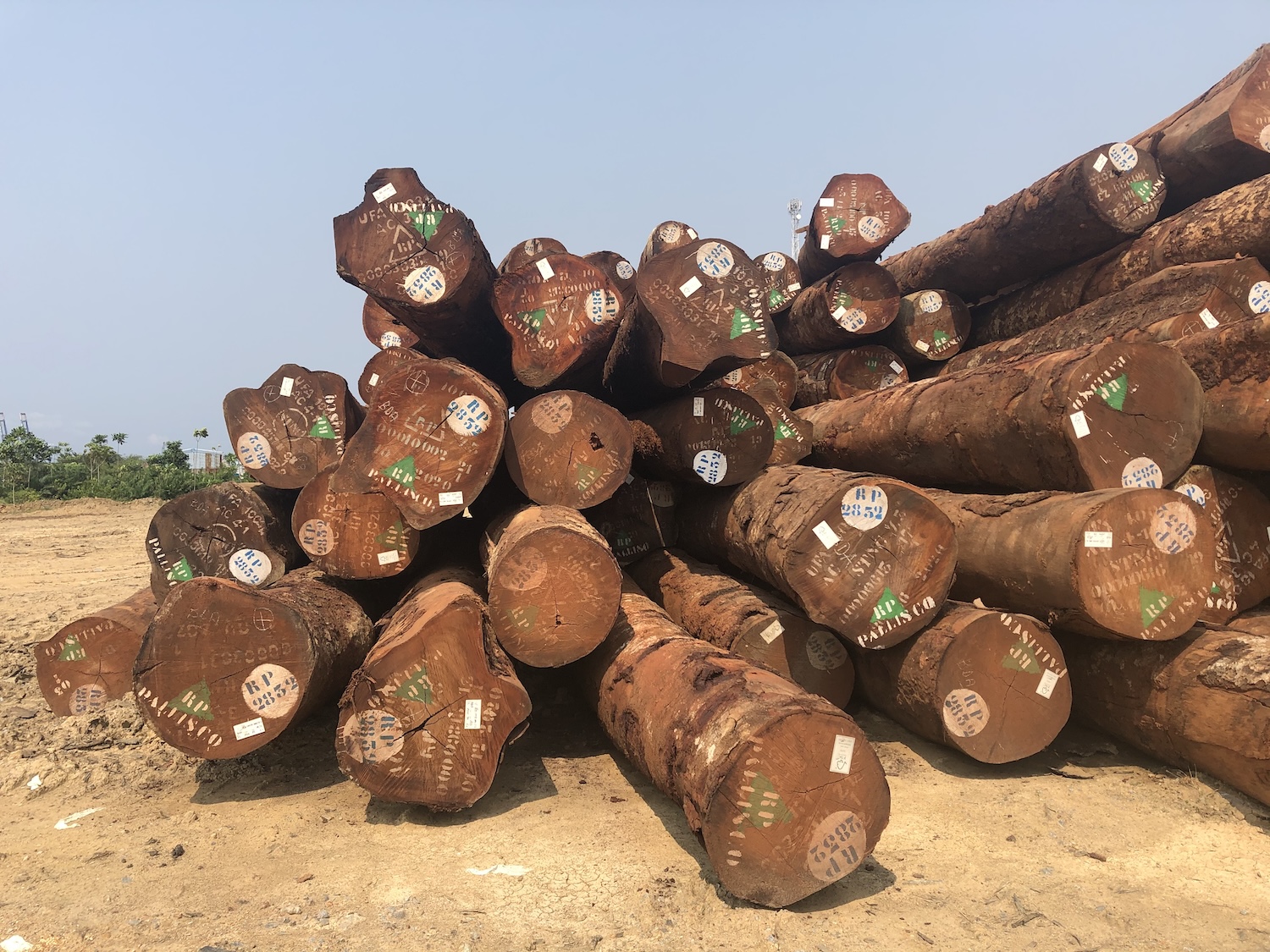
After the flood, before the next storm: Cameroon needs adaptation, not an endless cycle of emergency relief
28 September 2026, Douala – As Cameroon remains under climate vigilance during the rainy season, Greenpeace Africa is calling for weather warnings to be matched by stronger investment in prevention, adaptation and protection for communities.
-
Ahead of UN General Assembly President Tshisekedi urged to halt expansion of extractive projects in Kivu-Kinshasa Green Corridor
Greenpeace Africa and its partners released an open letter addressed to the President of the Democratic Republic of the Congo (DRC), His Excellency Félix-Antoine Tshisekedi Tshilombo, calling on him to take concrete action to safeguard the integrity of the Kivu-Kinshasa Green Corridor (KKGC) from the expansion of new oil, gas and mining projects.