
Live Sustainably
But we’re not the only ones with roles to play in living sustainably. Corporations (and often governments) are benefiting from consumer culture. More than that, they are the ones who, more than anyone else, have created and contributed to the culture themselves. We challenge the practices and business models that drive this culture of consumption. These include questioning industrial meat and dairy production – which is tearing down forests, polluting our water, warming the planet and putting our families’ health at risk – and the production of single-use plastics. A better future is achievable. And while individual efforts are undoubtedly invaluable, it is through sustained pressure on corporations and key decision makers that our culture truly shifts to sustainable living.

What you can do
-

Stop Deep Sea Mining
We need Canada to stop deep sea mining before it starts. Join the campaign now.
-

Save the bees, protect our food system!
Add your name to demand that Canada take action to protect pollinators from harmful insecticides and herbicides.
-
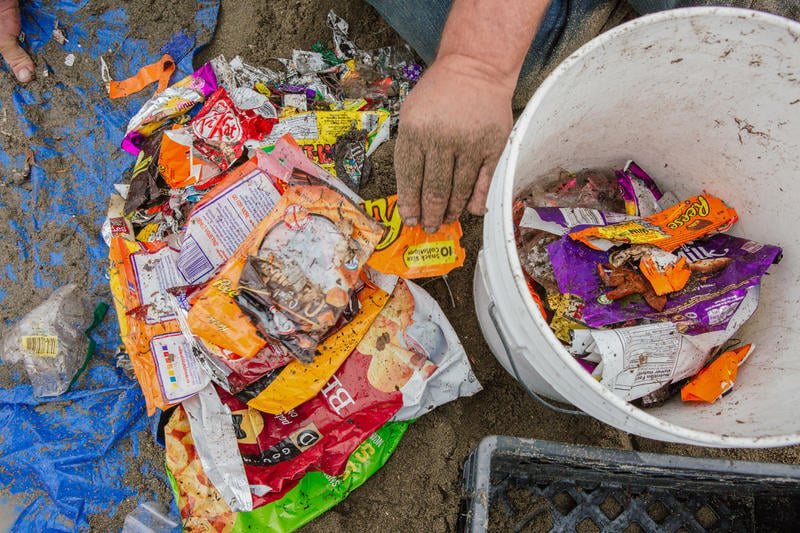
Tell Canada to expand the ban on single-use plastics
Canada’s single-use plastic ban only covers 3% of plastic waste. We need a ban list that matches the scale of the waste and pollution crisis!
-
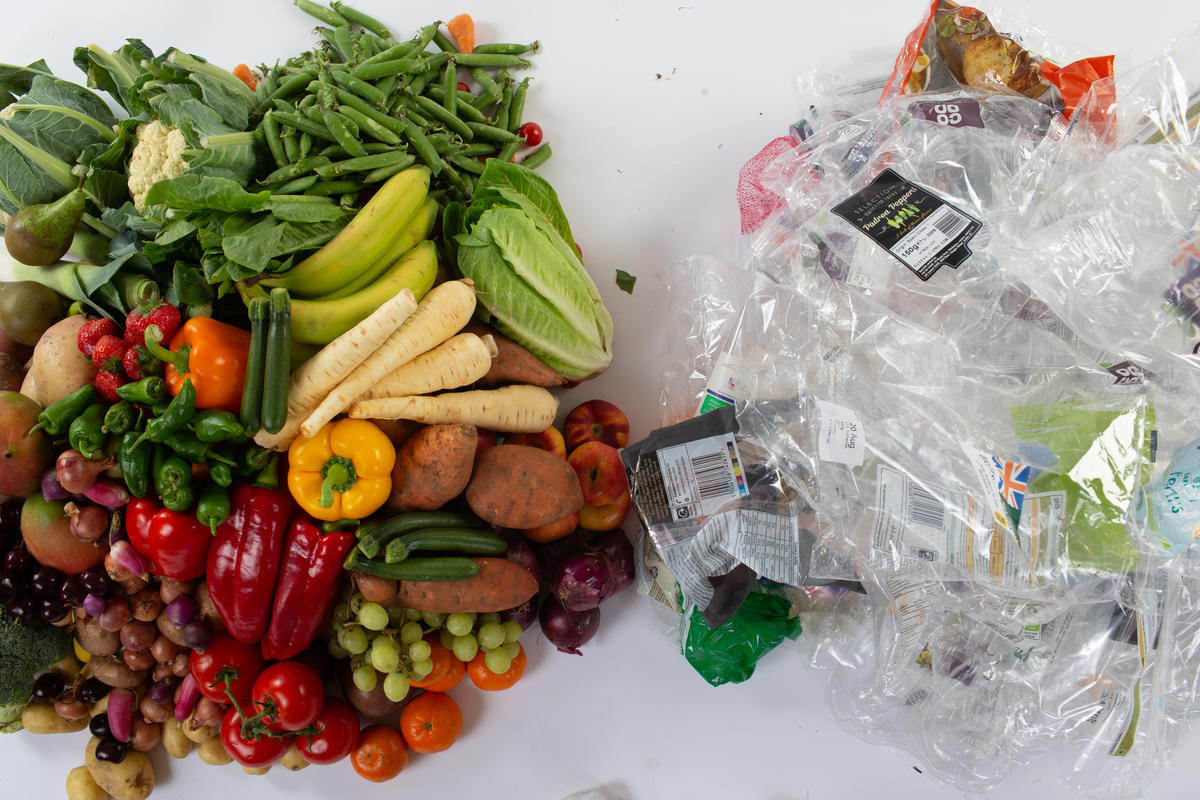
Help create plastic-free supermarkets
So much of the plastic packaging and waste we generate we get from our weekly visits to supermarkets. Canada’s major supermarkets aren’t taking any real action to address their massive plastic footprints.
-
Report: Greenwashing big oil & gas: the fossil fuel deception playbook
As countries discuss a way forward on the increasingly urgent climate crisis at COP28, a new report by Greenpeace Canada and the Canadian Association of Physicians for the Environment (CAPE) exposes widespread greenwashing practices fossil fuel companies use to maintain social license and avoid accountability for the harms they cause.
-
Report: Plastic Recycling: that’s not a thing
A new Greenpeace investigation reveals that Canada can’t handle the plastic trash companies generate. Findings demonstrate that the federal government’s new approach for achieving zero plastic waste by 2030 is likely doomed to fail, leaving households, communities and the environment to deal with the consequences.
-
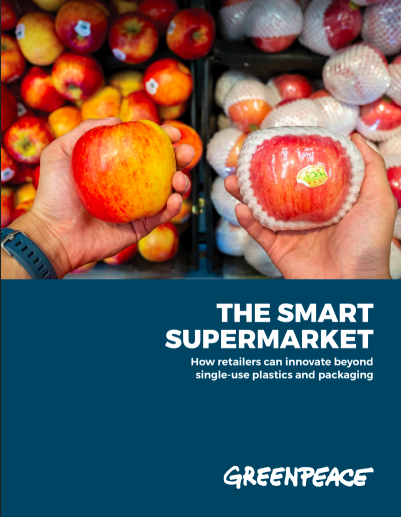
The Smart Supermarket: How Retailers Can Innovate Beyond Single-Use Plastic and Packaging
Supermarkets are the places where people encounter the most single-use plastics, and people clearly want change. It’s time to build smarter supermarkets. A Greenpeace USA report, The Smart Supermarket: How…
-
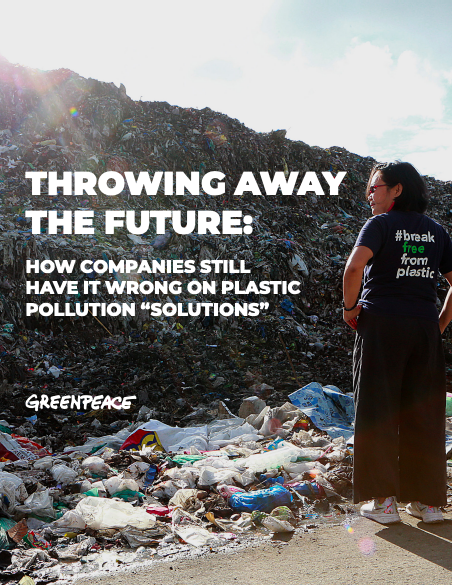
Throwing Away the Future: How Companies Still Have it Wrong on Plastic Pollution “Solutions”
A Greenpeace USA report, Throwing Away the Future: How Companies Still Have it Wrong on Plastic Pollution “Solutions”, warns against the so-called solutions announced by multinationals to deal with the plastic pollution crisis.
-

Stop the Bulldoze Nature Bill (C-39): Supporters Action Toolkit
There are many ways you can take action to oppose C-39, and urge your elected representatives to reject the bill in Parliament.
-

A Dose of Good News!
Discover some recent campaign accomplishments and updates in this month’s dose of good news!
-

UN Biodiversity COP17: Halfway to 2030, Canada must act on nature
Yerevan, Armenia – Greenpeace Canada is demanding the Canadian delegation at the UN Biodiversity Conference (CBD COP17) to deliver strong, action-oriented decisions to prevent irreversible ecosystem collapse and biodiversity loss.…