
News & Stories
Filter posts
Filtered results
-
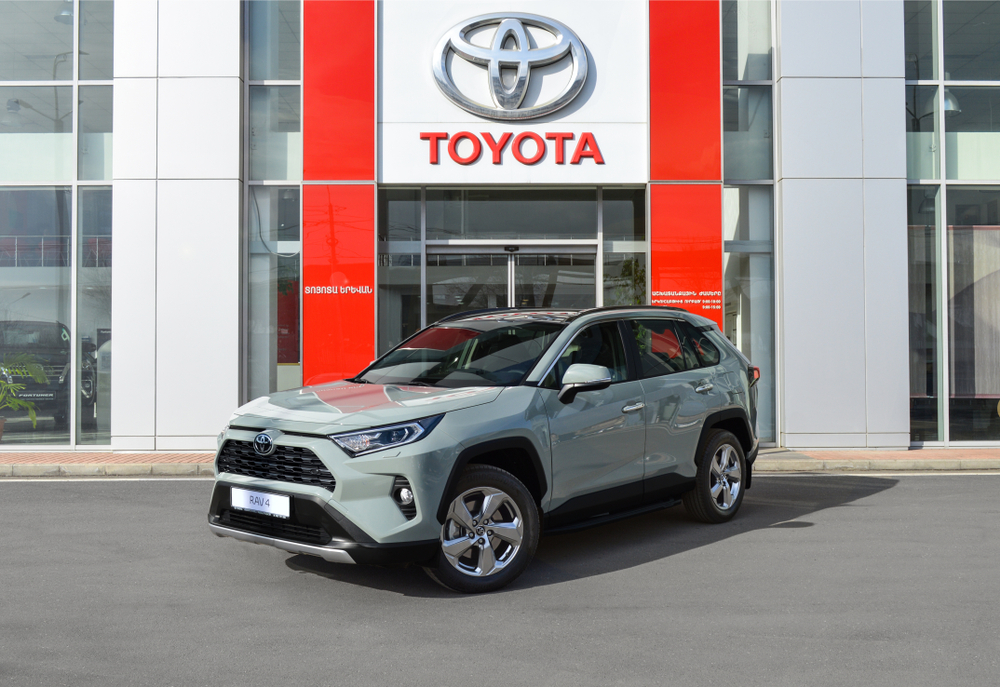
Greenpeace on Toyota 2026 Shareholders’ Meeting: “Multi-Pathway” Strategy Hinders EV Progress
TOKYO — As Toyota Motor Corporation held its Annual Ordinary General Shareholders’ Meeting today in Toyota City, Aichi Prefecture, media reported that shareholders re-elected Akio Toyoda as chairman and backed…
-
NVIDIA’s FY2026 Sustainability Report Reveals Scope 3 Emissions Have Nearly Tripled Since 2024: Greenpeace Response
NVIDIA’s FY2026 Sustainability Report Reveals Scope 3 Emissions Have Nearly Tripled Since 2024: Greenpeace Response
-
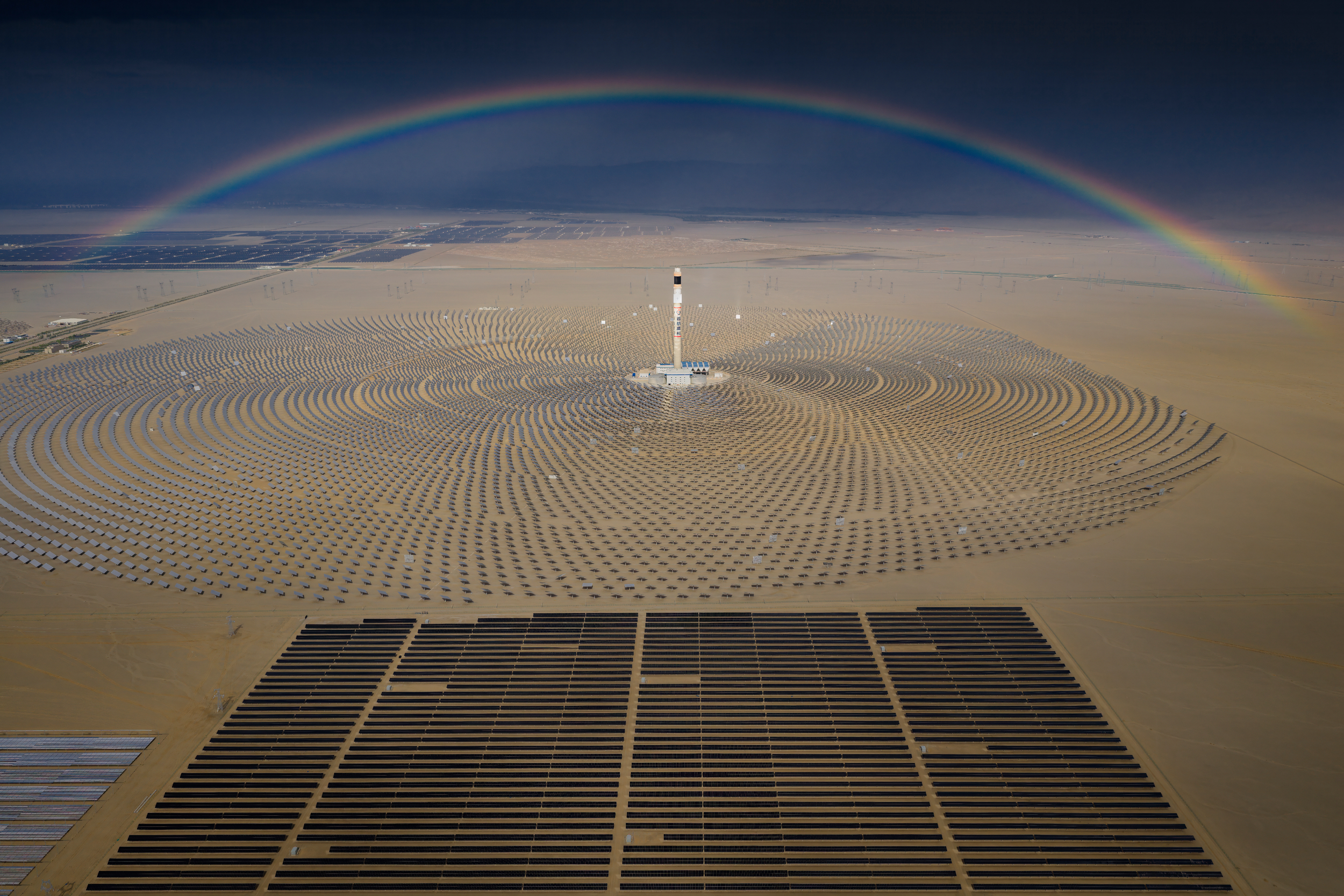
Does clean energy make China immune to fossil fuel price shocks?
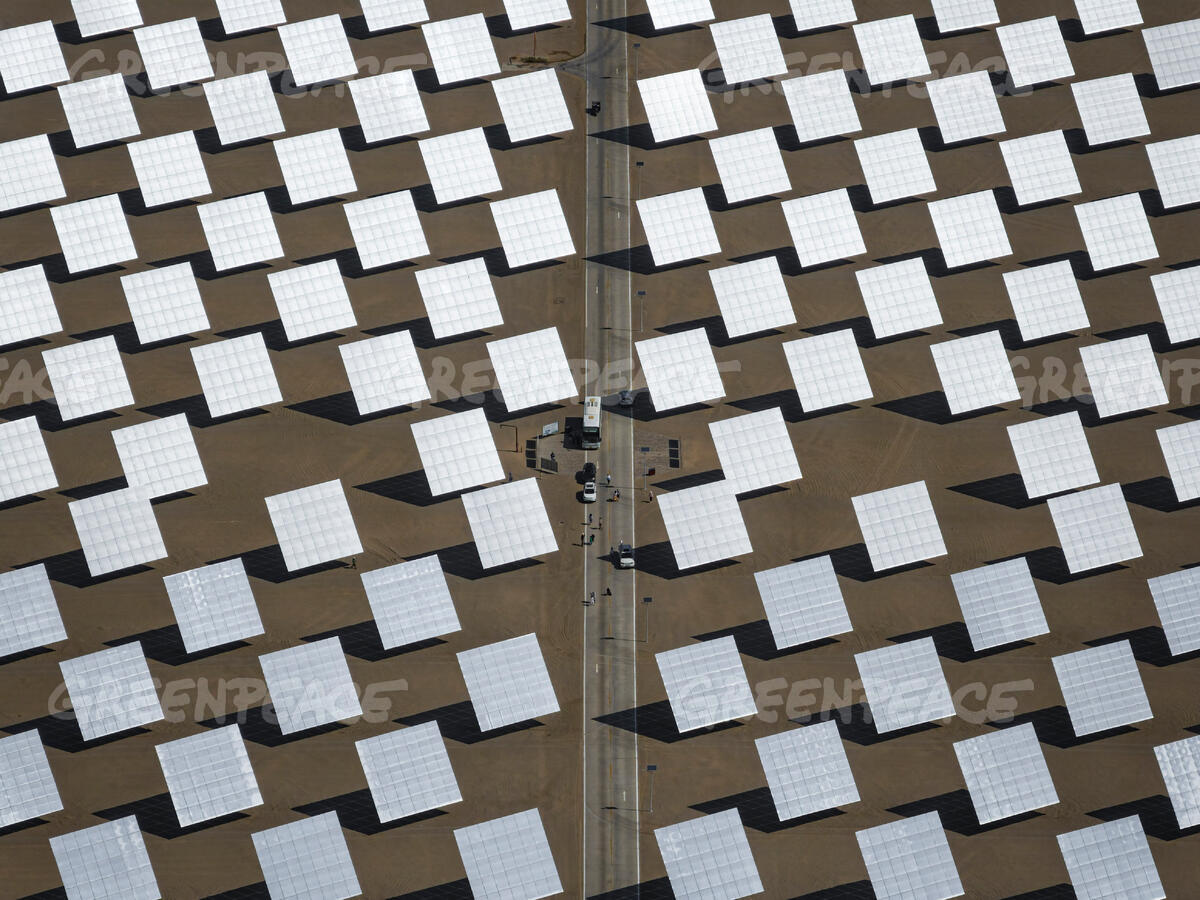
Dunhuang, Gansu Province, the photovoltaic and solar thermal power generation base on the desert after rain, July 2025. From September 19 to 23, 2025, Greenpeace and Enviro Friends co-organized the…
-
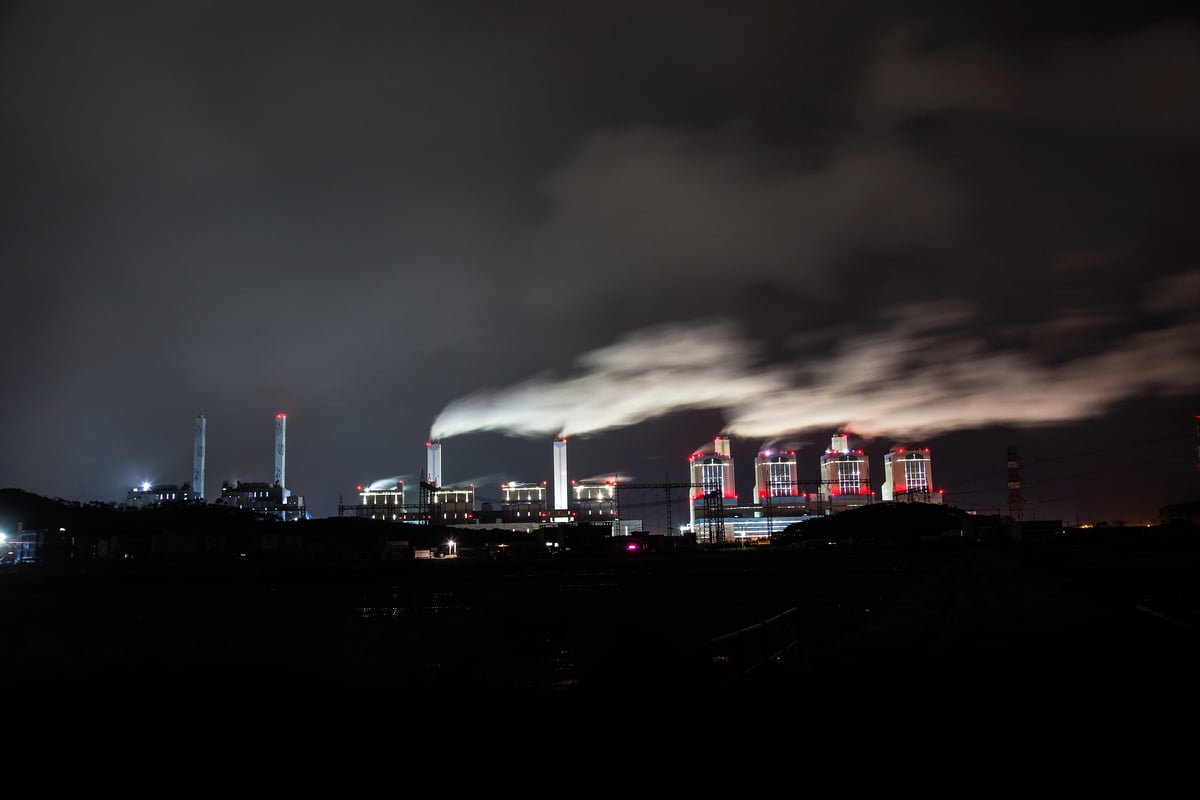
Greenpeace Criticizes South Korea’s Energy Plan as a “Fossil Fuel Swap,” Demands Full Clean Energy Transition Amid Geopolitical Crisis
Following the Ministry of Climate, Energy, and Environment’s announcement of the “Energy Transition Promotion Plan” on April 6, Greenpeace East Asia has issued a response calling the government’s strategy inadequate, which risks failing to reduce the nation's dependence on volatile fossil fuels worsened by the war on Iran.
-

Greenpeace: Middle East Tensions Aren’t the Culprit to Korea’s Economic Crisis—Fossil Fuel Dependency Is
The following is a statement from Greenpeace East Asia Seoul office regarding the economic crisis triggered by the Iran war and an urgent call for the South Korean government to abandon its reliance on fossil fuels and accelerate the transition to a self-sufficient, renewable energy system.
-
Greenpeace East Asia’s comment on China’s 15th Five-Year Plan and Two Sessions
Beijing – At the opening of two sessions in Beijing on Thursday, China submitted the 2026 Government Work Report and a draft outline of the 15th Five-Year Plan (2026 –…
-

Greenpeace: Nvidia Records Highest-Ever Revenue While Outsourcing Massive Supply Chain Emissions to East Asia
As Nvidia reported its highest quarterly revenue last month and its market valuation neared US$5 trillion, a new analysis from Greenpeace East Asia reveals the hidden environmental cost behind the US semiconductor giant’s financial success.
-
Greenpeace to Nvidia: An “AI Industrial Revolution” Cannot Be Powered by 19th-Century Energy
As Nvidia announces a staggering annual revenue of US$215.9 billion, Greenpeace East Asia raises concerns that CEO Jensen Huang’s vision for an "AI industrial revolution" is built on outdated energy sources.
-
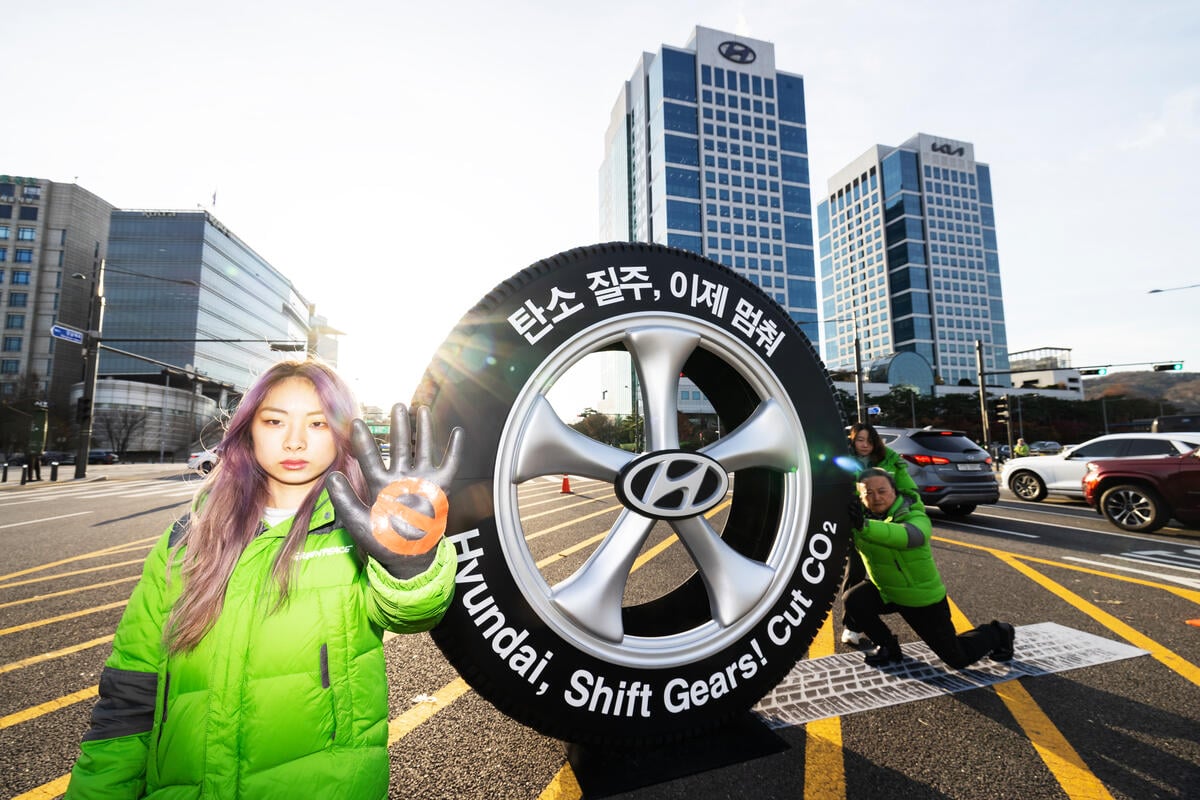
Hyundai’s Stalled Electrification Strategy in Indonesia Risks Market Loss: Greenpeace Warns
As the Indonesia International Motor Show kicks off, a new research briefing from Greenpeace East Asia warns that Hyundai-Kia is rapidly losing its foothold in one of the world’s fastest-growing electric vehicle markets due to stalled electrification strategy.
-
Toyota’s Reply to Greenpeace Open Letter Concerning the Automaker’s Emissions Reduction Efforts
Greenpeace East Asia’s response following Toyota Motor Corporation’s reply to our open letter, which challenged the carmaker’s greenhouse gas emissions reduction efforts.