
Global Plastic Treaty
Plastic is everywhere, in our food, air, water, and blood. It’s fueling the climate crisis, harming wildlife, and disproportionately impacting vulnerable communities.
We need bold, systemic change. That’s why Greenpeace is campaigning for a strong Global Plastics Treaty that tackles plastic pollution at its root: production.
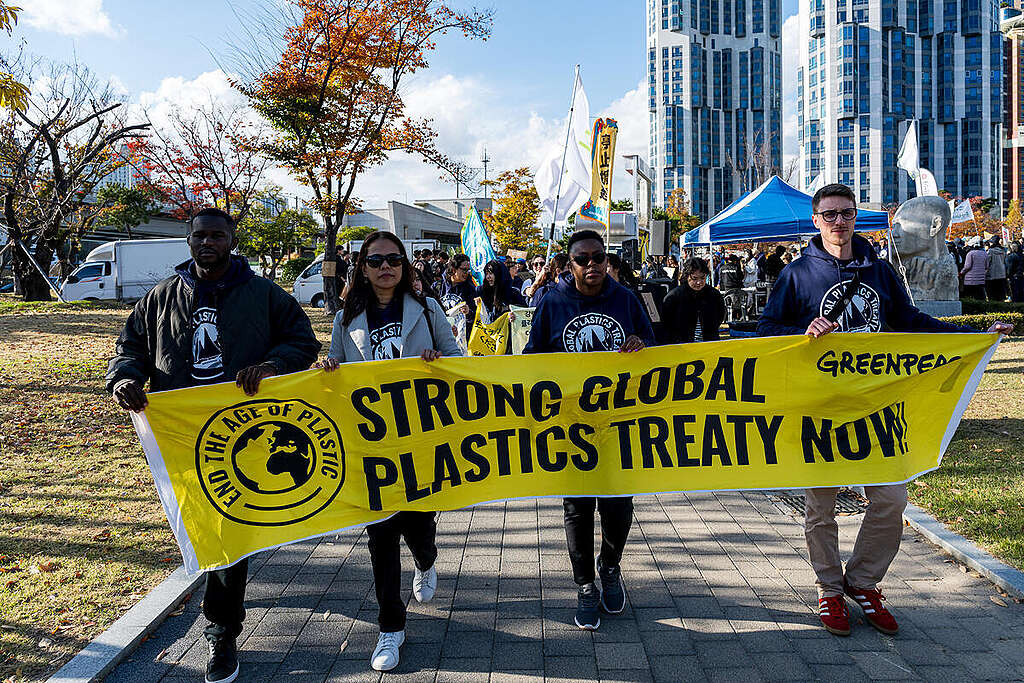
Our Approach
Plastic pollution doesn’t stop at borders, and neither should the solutions.
A strong Global Plastics Treaty sets global rules that hold the biggest polluters accountable, stop plastic dumping in vulnerable communities, and tackle the problem at its root: by cutting plastic production and focusing on upstream solutions, not just cleanup. Our approach focuses on turning this vision into reality:
Drive political action
We engage local and global policymakers through lobbying, roundtable discussions, and direct advocacy, encouraging them to champion a strong Global Plastics Treaty on behalf of our country and region.
Expose the system
Through investigations, research, and storytelling, we expose the companies driving plastic pollution and the false solutions like burning plastic or pretending recycling is enough.
Mobilise global pressure
We support people-powered actions across borders, from marching to digital campaigns, especially elevating voices from the Global South and frontline communities.
Center justice and equity
We work with allies, activists, and affected communities to ensure the treaty doesn’t just serve powerful countries or corporations, but protects people and the planet.
Our Projects
We use art installations, creative activism, and policy recommendations to expose the real cost of plastics pollution and demand long-term solutions.
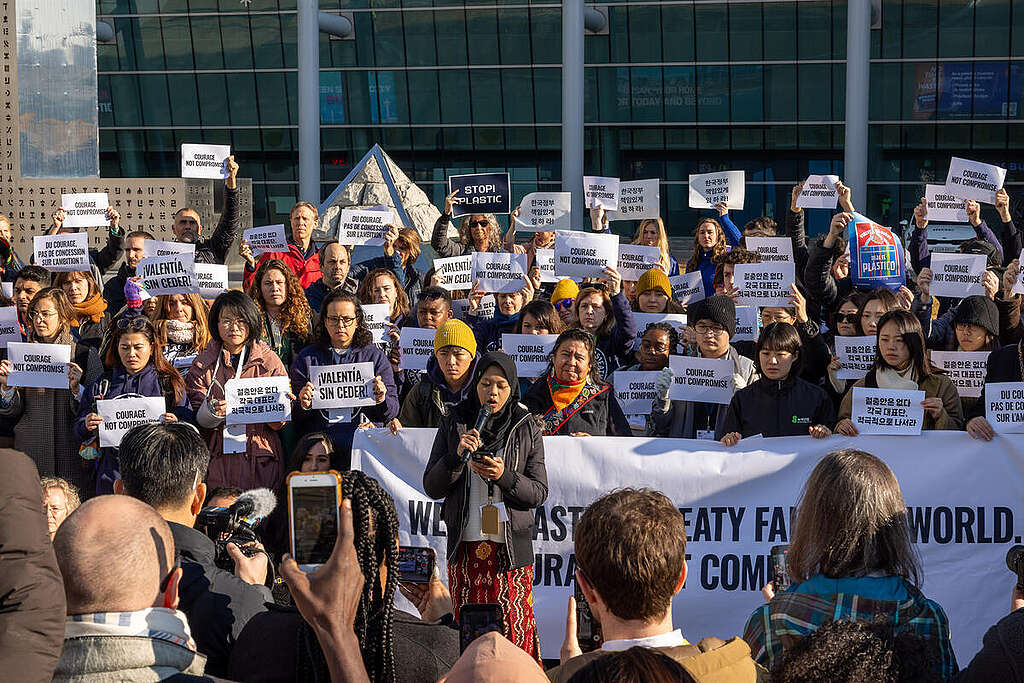
Global advocacy & movement
Through grassroots organizing, coalition-building, and global day-of-action campaigns, we unite allies and people from every corner of the world to demand justice, and show leaders that the world is watching.
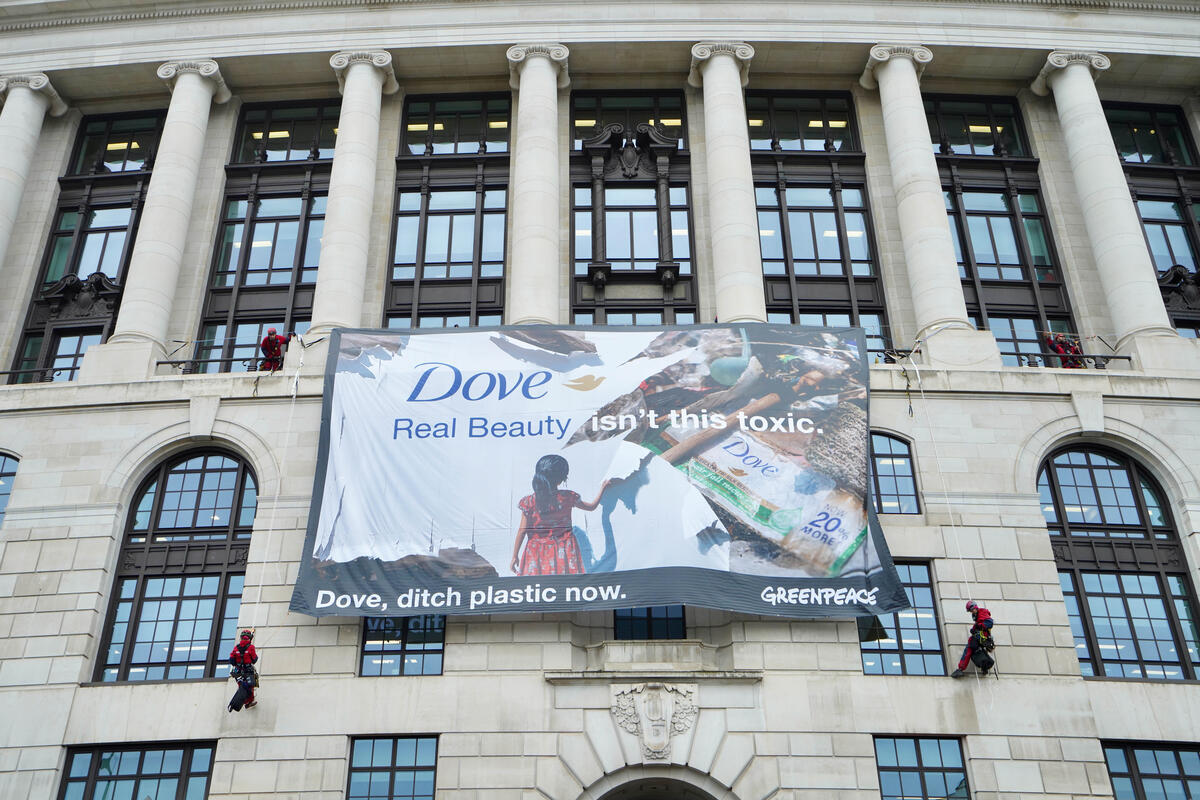
Rally against polluters
We expose corporations like Dove fueling the plastic crisis and mobilise public pressure to hold them accountable, online and in the streets. Because without corporate change, there’s no real solution.
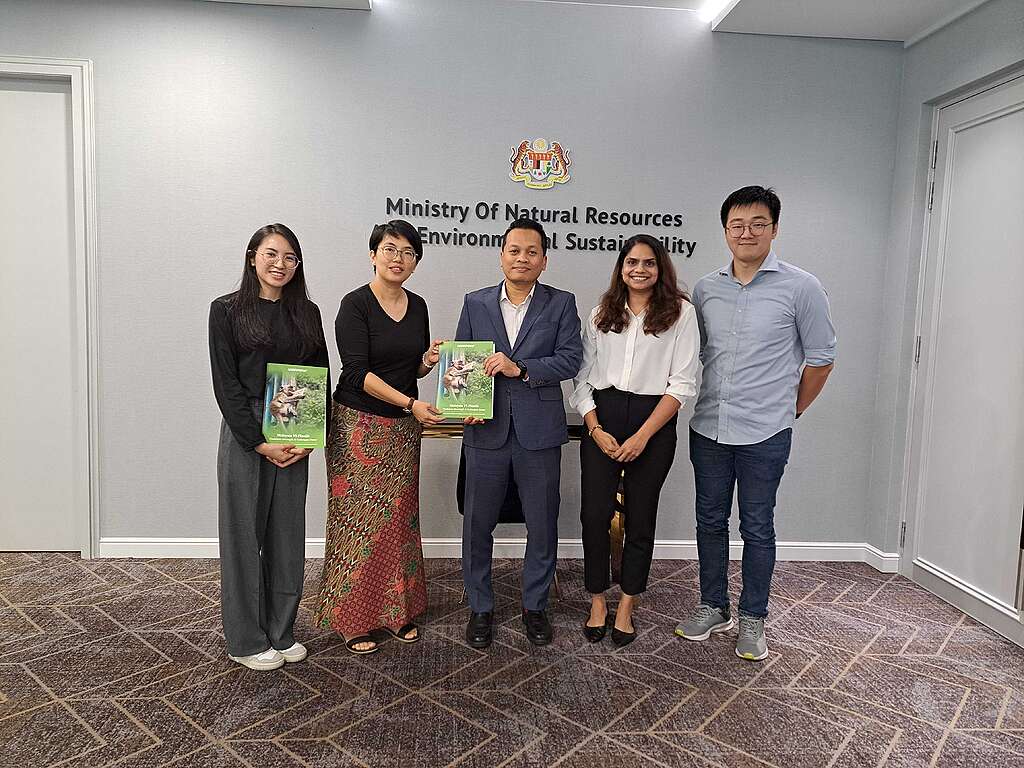
Policy recommendations
We engage with and urge policymakers like Malaysia’s Ministry of Natural Resources and Environmental Sustainability to push for a strong Global Plastics Treaty, backed by clear, actionable recommendations.
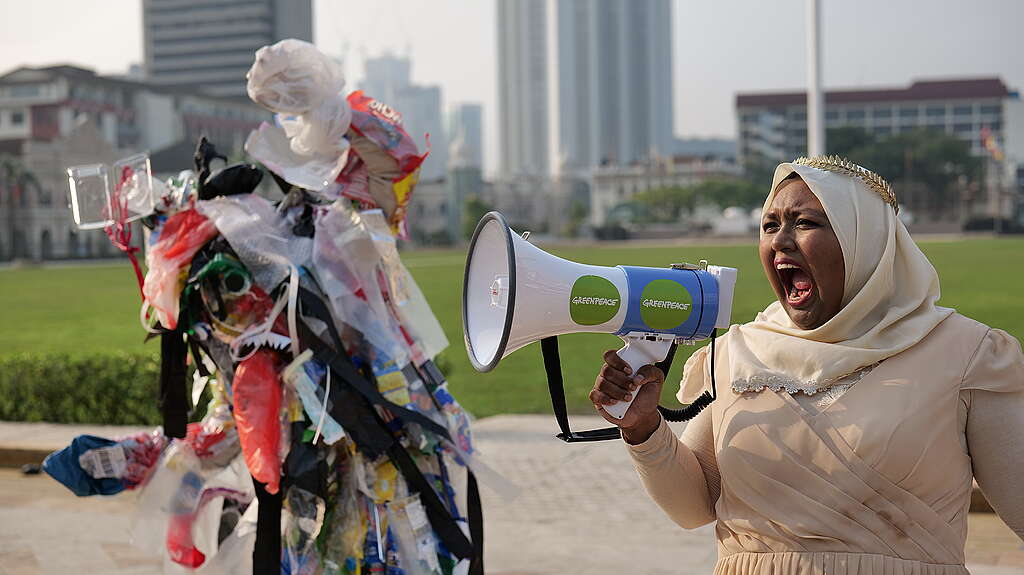
Creative activism
We use storytelling and art to make the plastic crisis impossible to ignore. From installations made of waste to social media campaigns, our creative campaigns raise public awareness, shift mindsets, and spark conversations.
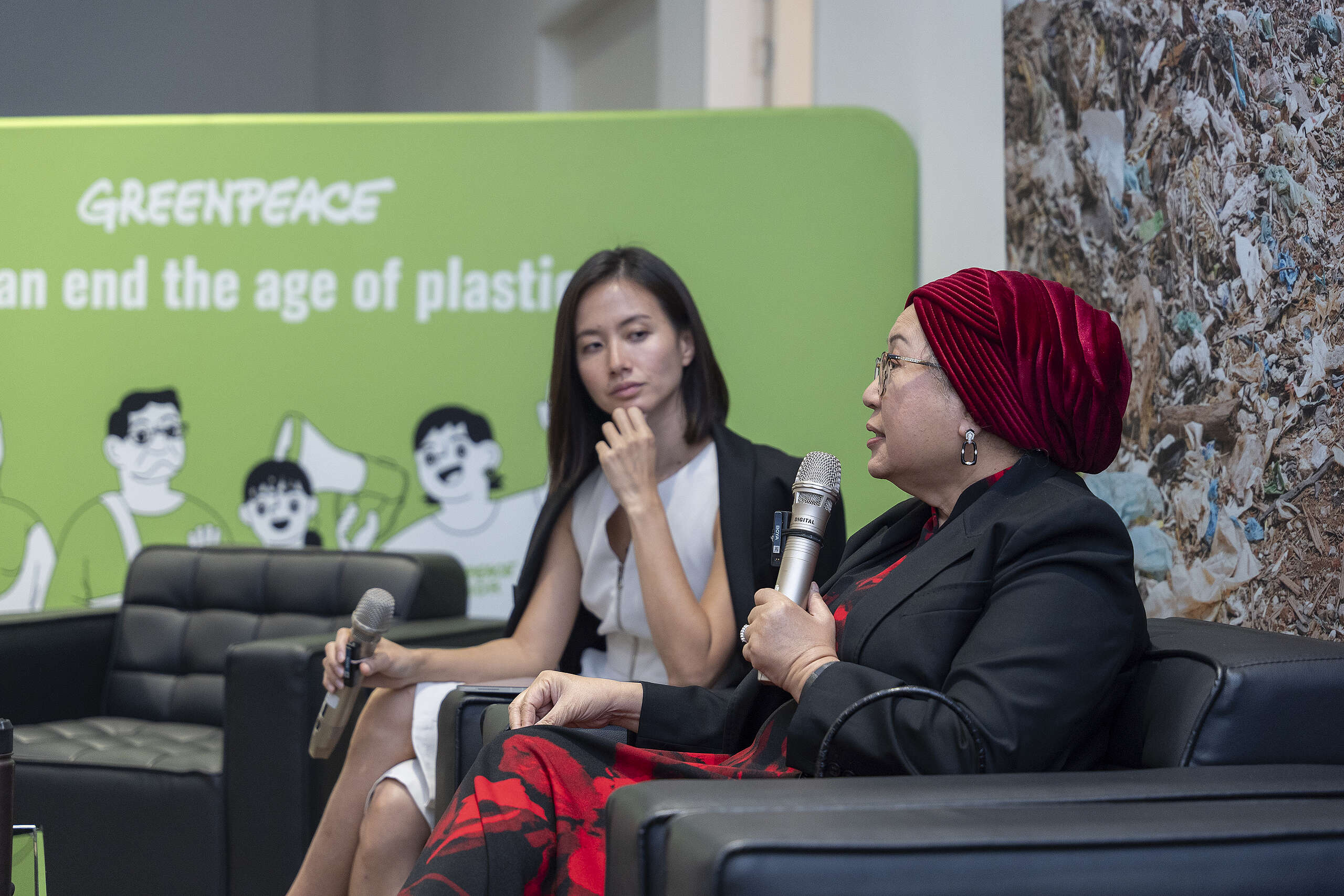
Events & activities
We mobilize people across the region through cleanup drives, plastic-free campaigns, workshops, and public forums. We create momentum and public pressure for real change.
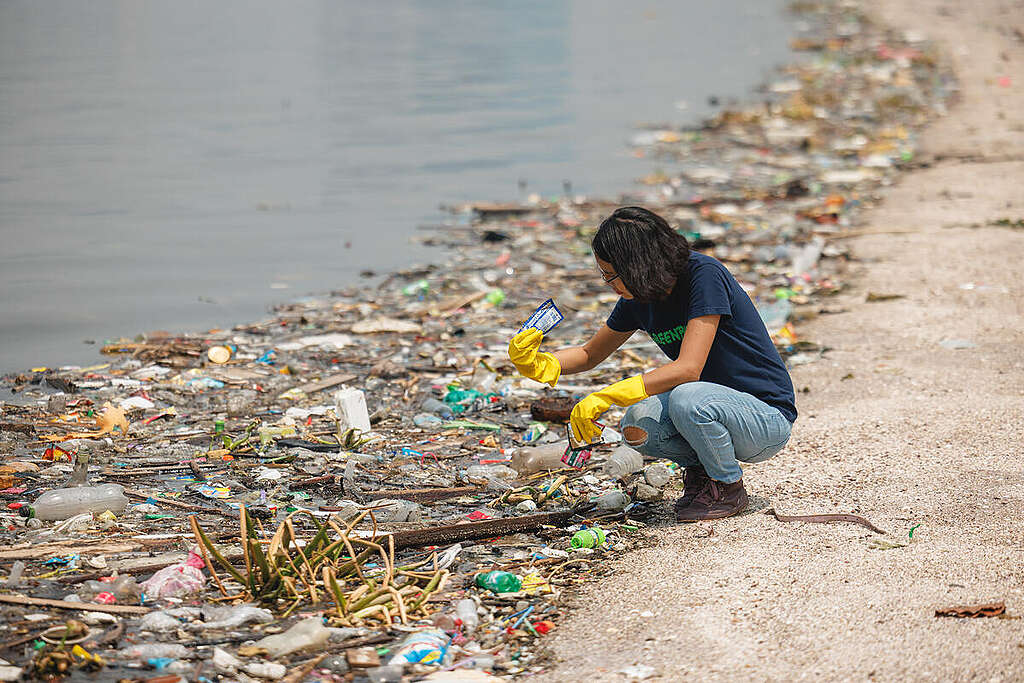
Use research to drive change
We use scientific reports, policy briefings, and investigative research to expose the truth behind the plastic crisis, and to pressure decision-makers with facts they can’t ignore.
How You Can Help
-
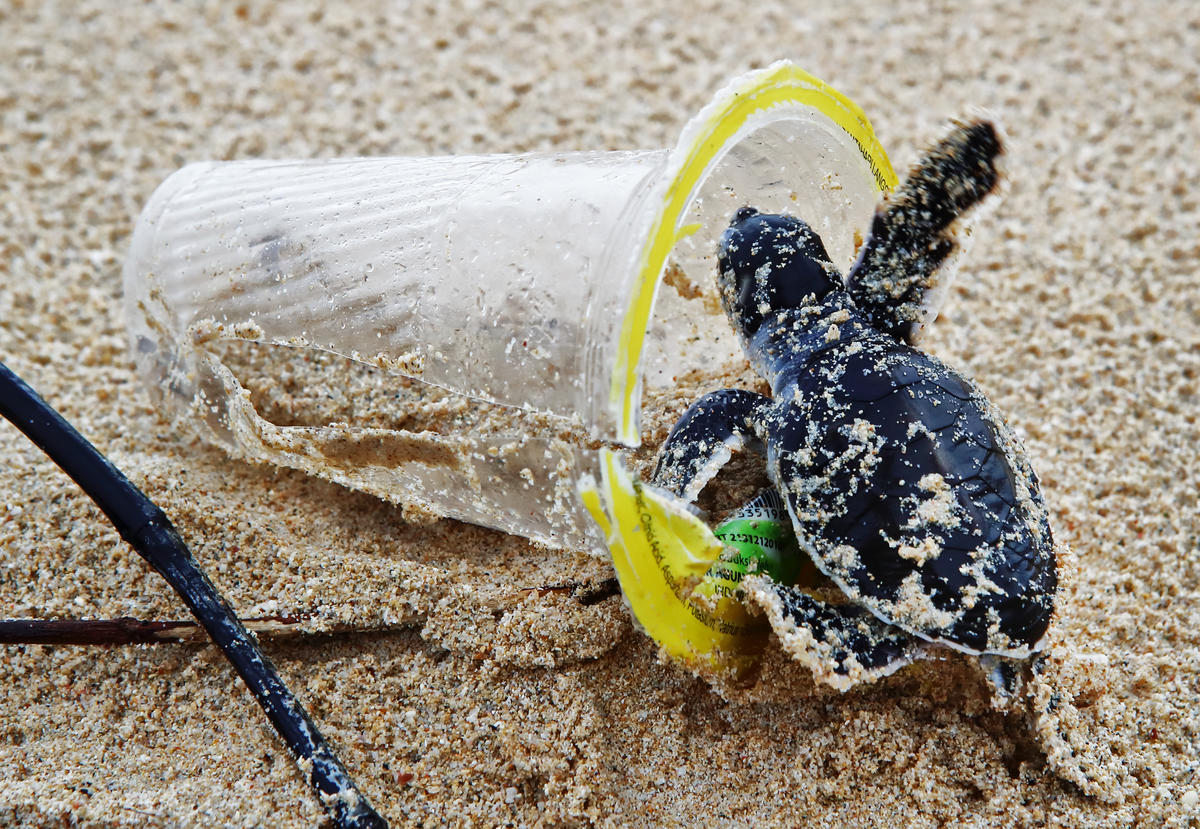
Let’s end the age of plastic!
We have a rare chance to turn the tide on plastic. Add your name before the final Global Plastics Treaty talks this August.
-
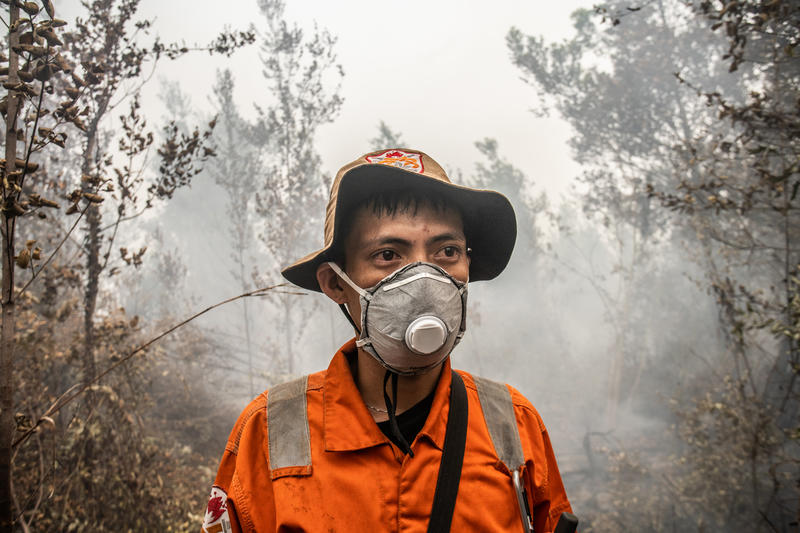
Every donation counts.
We can’t do this without your help. Take action for environment protection, please make a donation today.
-

A riverside cleanup to end the plastic tide
On the 18th of July, Greenpeace Malaysia organised a riverside clean-up activity in the Klang Valley region in conjunction with Plastic-Free July.
-
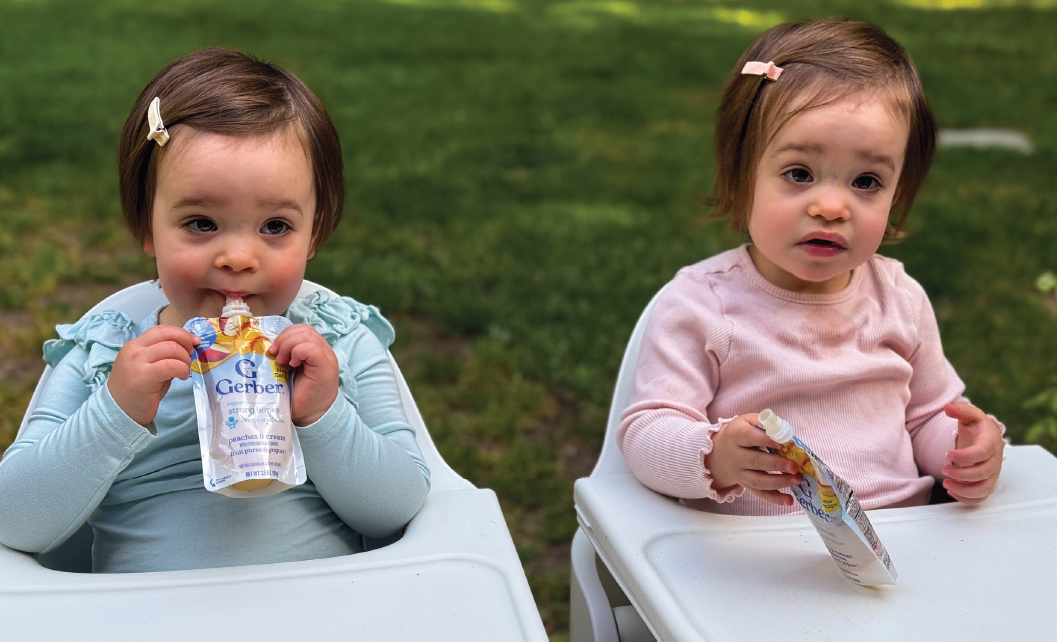
Greenpeace study finds microplastics in Nestlé, Danone baby food sold in plastic pouches, raising alarm for millions of babies
The report, Tiny Plastics, Big Problem: The Hidden Risks of Plastic Pouches for Baby Food, detailed the laboratory testing of popular baby food brands, Nestlé’s Gerber and Danone’s Happy Baby Organics, where microplastic particles were found in every sample analysed
-
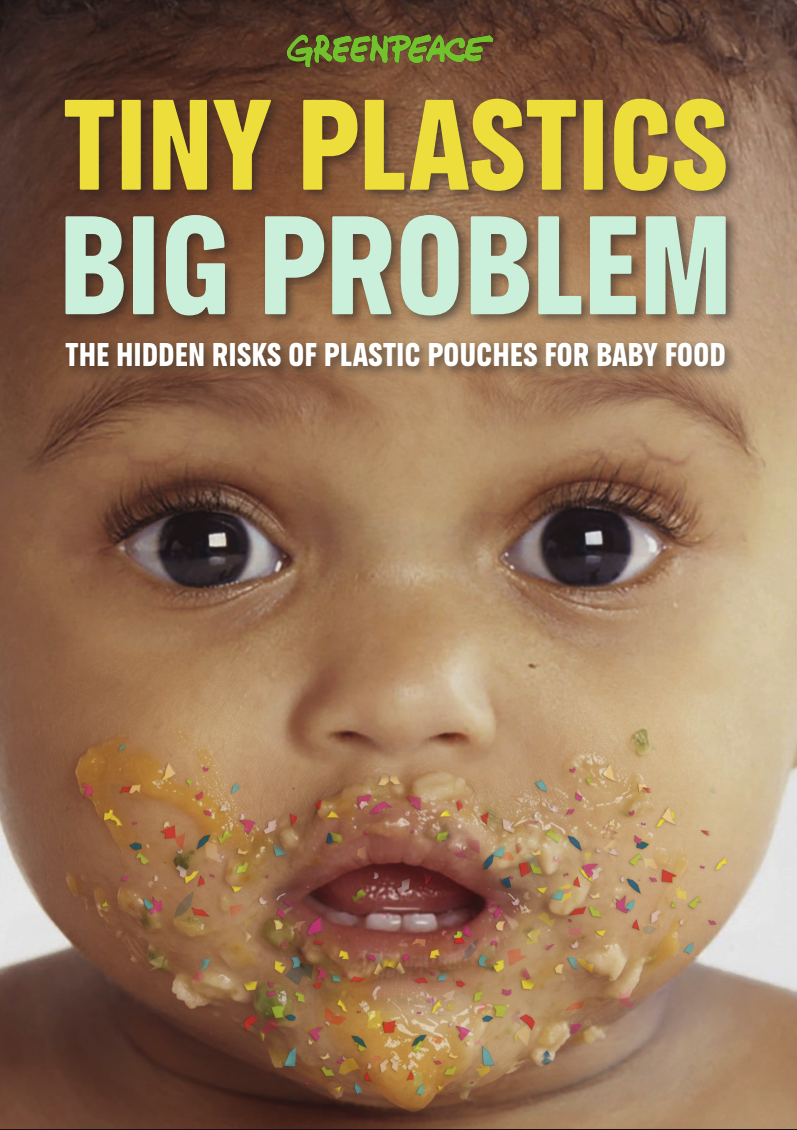
Tiny Plastics, Big Problem
Emerging evidence raises concerns that big food brands are feeding our children plastic pollution with unknown consequences, by selling baby food in flexible plastic packaging
-
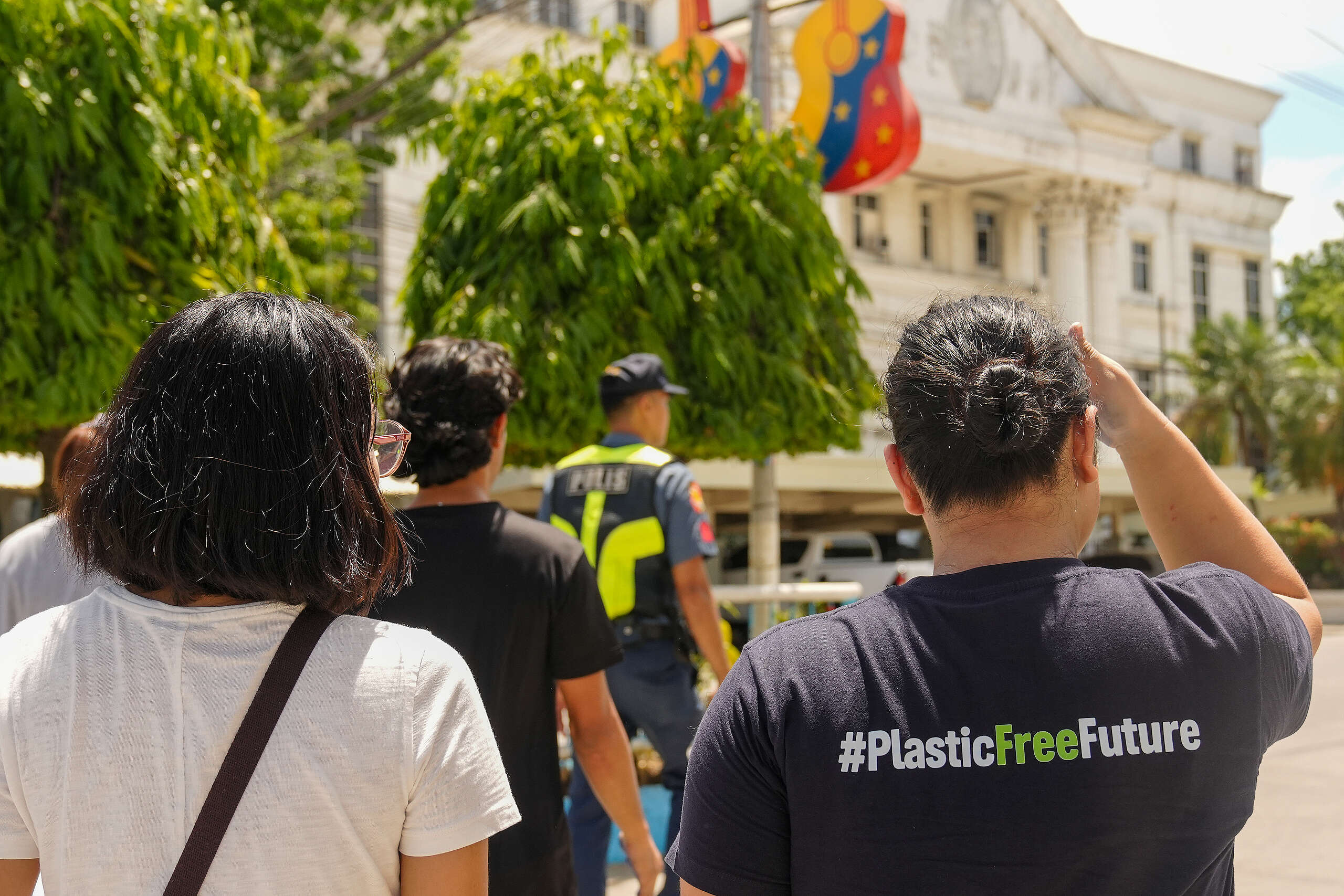
ASEAN leaders cannot claim climate leadership while silencing peaceful protest
While ASEAN leaders spoke of sustainability and regional resilience at opening day of the summit, peaceful Greenpeace activists outside the venue calling for solutions and urgent action were taken into police custody.
-
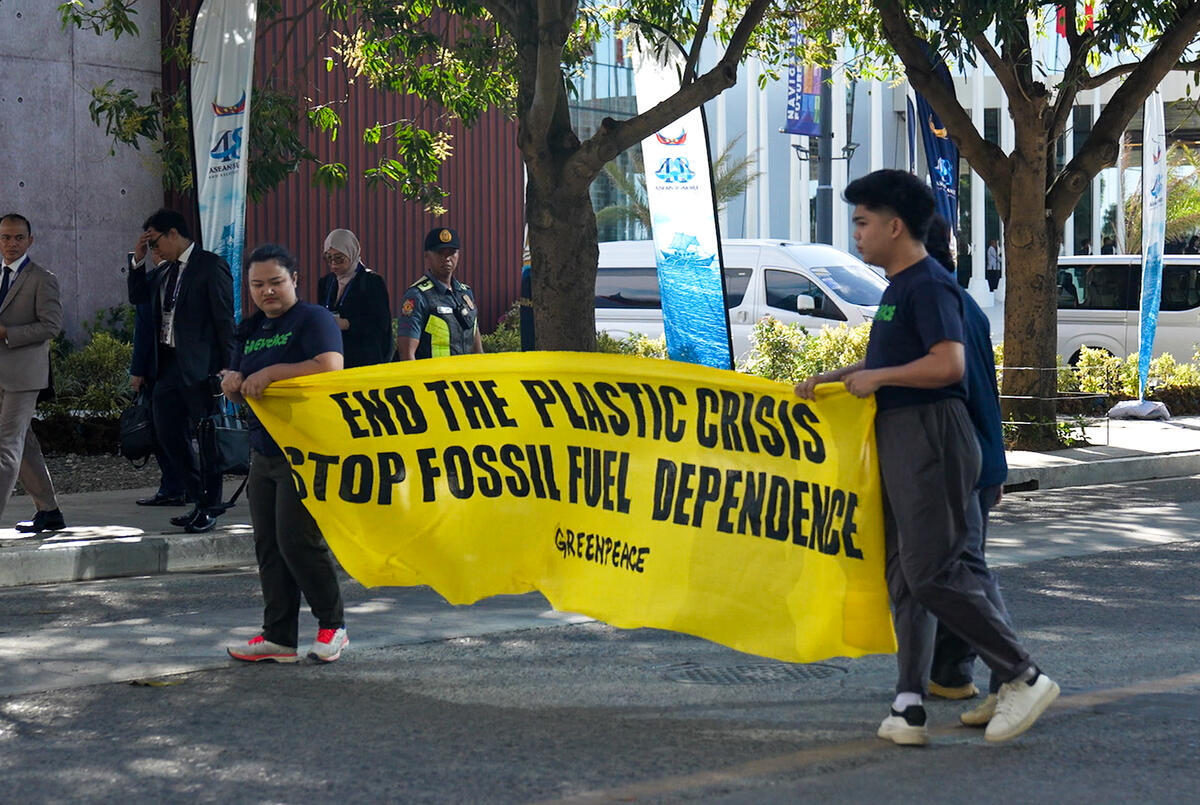
Greenpeace challenges the 48th ASEAN Summit
Greenpeace Philippines activists held a peaceful protest on the opening day of the 48th Association of Southeast Asian Nations (ASEAN) Summit.
Subscribe for updates
Together we are part of a growing, global movement determined to bring about the changes our planet desperately needs.