
| Despite the significant renewable energy potential and legislative progress in Egypt, the energy transition continues to face systemic barriers, from grid access to financing gaps that leave smallholder farmers and local communities behind. Decentralized renewable energy offers a concrete, community-centred pathway forward. |
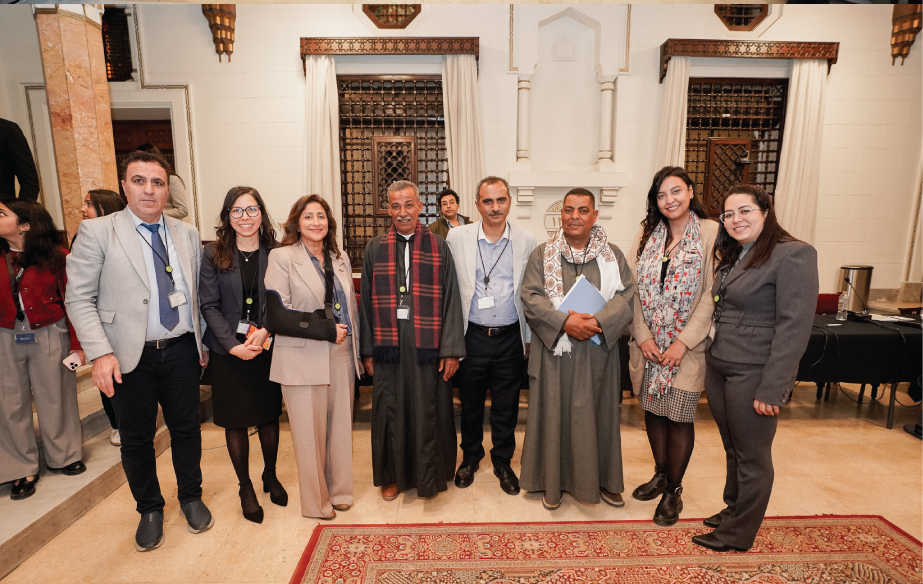
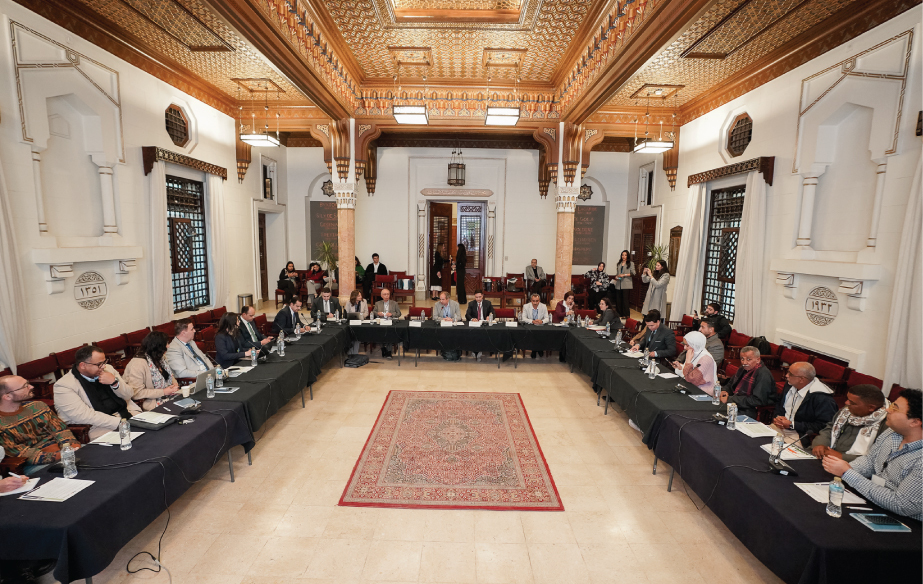
A new roundtable report by Greenpeace MENA, Pathways Beyond Neoliberalism (American University of Cairo), and the Social and Cooperative Economy Network MENA (SCEN MENA) documents the findings of a high-level multi-stakeholder dialogue convened on 11 February 2026 at the American University of Cairo. Bringing together representatives from five government ministries and parliamentary bodies, legal experts, researchers, civil society organisations, and smallholder farmers, the roundtable identified systemic barriers to decentralized renewable energy (DRE) in Egypt and outlined priority areas for collaborative action.
The report advances DRE, encompassing rooftop solar, community-scale installations, and small-scale productive-use systems, as a strategic response to Egypt’s growing energy vulnerabilities, including its continued dependence on imported fossil fuels amid regional geopolitical instability and global energy crisis. DRE is presented not merely as a technical fix, but as a driver of energy sovereignty, local economic resilience, and climate justice.
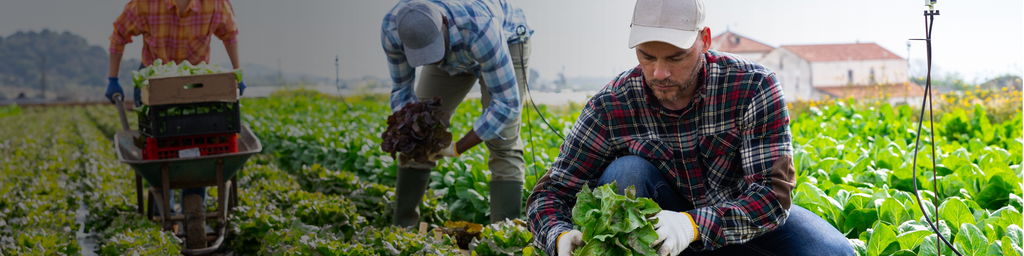
The report gives particular attention to smallholder farmers because agricultural energy use offers the clearest productive case for DRE, faces its most acute barriers, and connects most directly to Egypt’s food security, water conservation, and economic resilience priorities, making it a high-impact starting point for scaling decentralized renewable energy more broadly.
Key findings from the roundtable
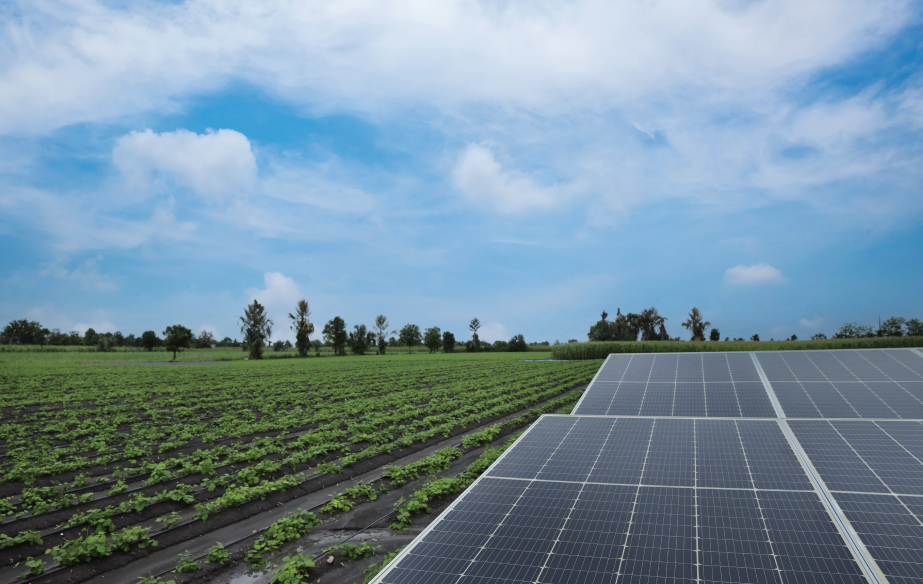
1. Solar energy delivers real gains for smallholder farmers. Farmers who have adopted solar energy reported reduced diesel costs, lower irrigation expenses, expanded cultivated land, and greater autonomy in energy access. Over time, solar has become a pathway to cost stability, increased productivity, and reduced exposure to volatile fuel prices.
2. Grid connectivity is a critical bottleneck. Solar alone is insufficient for most farming needs. Reliable energy outside daylight hours requires hybrid systems connecting solar to the grid, yet farmers face complex and unclear connection procedures, minimum capacity thresholds that exclude small producers, and administrative delays. This implementation gap between policy and practice limits the accessibility of DRE solutions.
3. Egypt has a strong regulatory foundation but a persistent implementation gap. Egypt’s legal framework for renewable energy is relatively advanced: auto-production provisions, net metering systems, and national priority recognition are all in place. However, the gap between policy design and practical execution remains wide, particularly for small-scale and agricultural users.
4. Financing remains out of reach for those who need it most. High upfront costs, long payback periods, rising equipment prices, and limited access to concessional financing keep DRE beyond the reach of many farmers and small businesses. Participants argued that investment in grid modernisation and targeted financial mechanisms, including domestic and international climate finance, is essential for equitable scale-up.
5. Institutional fragmentation is slowing implementation. Coordination gaps between ministries, regulators, and sectoral actors create confusion around procedures, slow implementation, and deepen the policy-to-practice divide. Strengthening cross-institutional governance platforms was identified as a key enabling condition.
6. Awareness and advisory support are critically lacking. Many potential DRE users, including farmers and small producers, are not fully aware of available mechanisms, benefits, or how to navigate existing systems. Structured outreach and advisory services were highlighted as essential but largely absent.
7. Cooperative and community energy models are an underutilised pathway. Cooperative and community-owned energy systems emerged as promising vehicles for equitable, locally-grounded scale-up. Participants called for a deeper analysis of enabling legal frameworks, financial models, and governance arrangements that strengthen cooperative autonomy.
8. Energy sovereignty is a strategic imperative, not a secondary concern. Egypt’s growing reliance on imported gas, including from Israel, exposes the country to supply disruptions, price volatility, and political risk. Participants framed energy sovereignty, reducing external energy dependence through locally generated renewables, as a national resilience priority that DRE can directly address.
Priority areas for action
The roundtable identified four interconnected priority areas that require targeted engagement:
From legal framework to equitable implementation: Clarify grid connection procedures, simplify administrative processes, and ensure small-scale producers can meaningfully access net metering and other existing mechanisms.
Financing and grid modernisation: Develop targeted financial mechanisms, including concessional loans and incentive structures for farmers and small producers, alongside strategic investment in grid infrastructure.
Institutional coordination and policy integration: Strengthen governance across ministries, regulators, parliament, and community actors to reduce fragmentation and support integrated implementation.
Agriculture and the energy transition: Design dedicated policy attention for smallholder farmers, including hybrid energy systems, targeted incentives, technical advisory support, and pilot initiatives.
The roundtable demonstrated clear consensus: decentralized renewable energy can play a meaningful and urgent role in advancing an energy transition in Egypt that is both resilient and inclusive. Unlocking this potential depends on closing implementation gaps, ensuring that systems are accessible and coordinated, and ensuring that the communities most affected by climate and economic pressures- smallholder farmers, households, and local producers are at the centre of the transition.
This report is just the beginning. The recommendations from this roundtable are now being developed into a policy brief with experts and stakeholders to help turn ideas into action.
Join our community