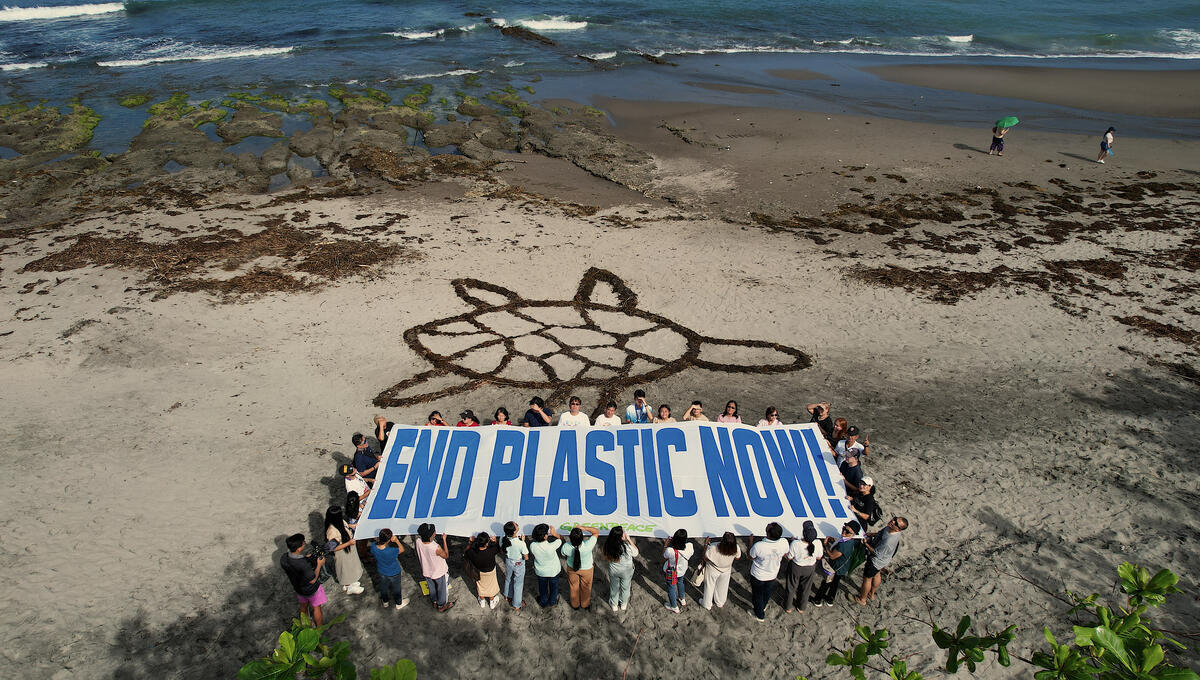
8 May 2026, Lapu-Lapu City, Cebu, Philippines — Greenpeace Philippines activists held a peaceful protest on the opening day of the 48th Association of Southeast Asian Nations (ASEAN) Summit. Greenpeace Southeast Asia (GPSEA) activists from different countries in the region are also in Cebu to engage with ASEAN Leaders. As the region’s highest policy-making body, the Summit presents a critical opportunity for leaders to address the twin crises of plastic pollution and climate change. Activists are calling on ASEAN leadership to end the waste crisis and pivot away from the fossil fuel dependence that drives the climate crisis impacting the region’s diverse communities.
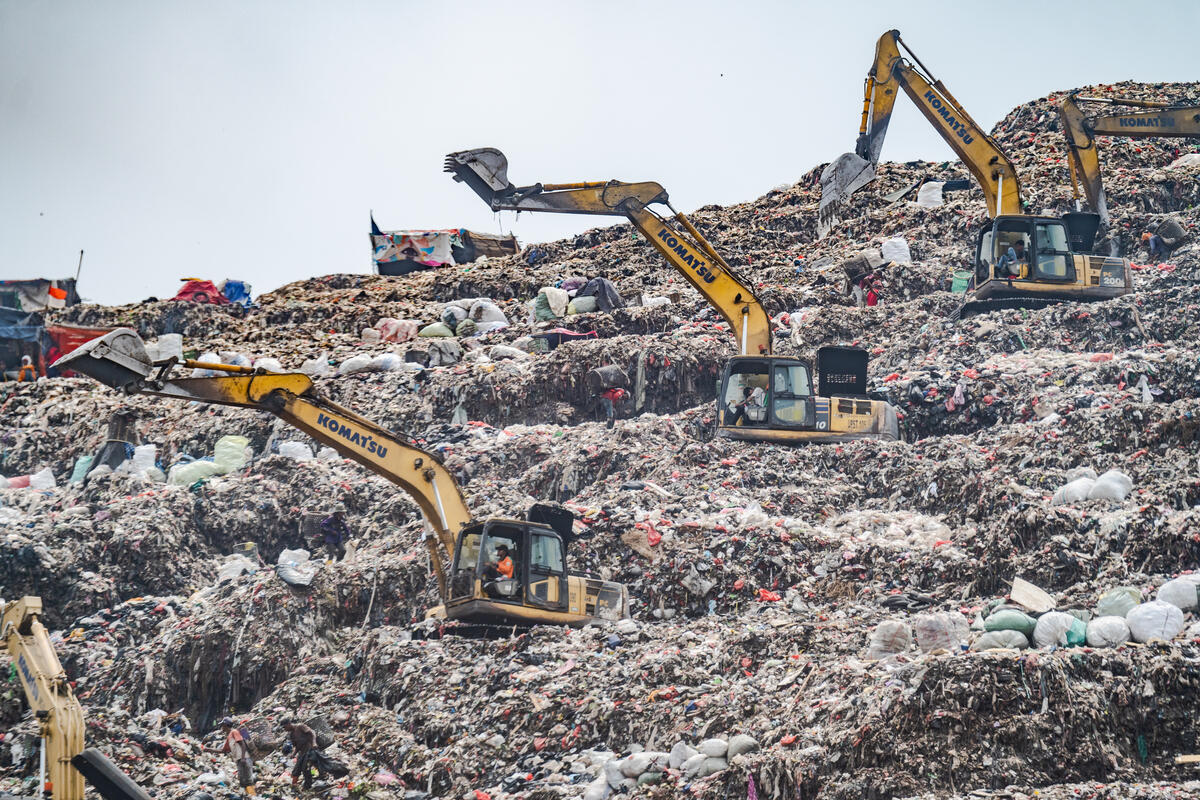
The urgency of this message is underscored by a string of recent landfill disasters. Earlier this year, the Philippines suffered devastating landfill collapses in Cebu City and Rizal, while toxic smog continues to blanket the National Capital Region from a smoldering landfill in Navotas. Similar tragedies have struck Indonesia’s Bantar Gebang landfill and sites across Thailand and Malaysia. These are no longer isolated incidents; these are systemic failures demanding immediate intervention from ASEAN governments.
The plastic crisis is a staggering regional threat. Six ASEAN nations alone generate 31 million tonnes of plastic waste annually. Beyond the dire health risks posed by plastic chemicals, plastic production, microplastics, landfills, and toxic pollution, the crisis is an economic wrecking ball: microplastics threaten up to 14% of global staple crops, and marine pollution causes trillions in ecosystem service losses. This burden falls disproportionately on the region’s most vulnerable and marginalized groups, driving deep environmental and social injustices for low-income communities, women, and Indigenous Peoples.
Compounding these impacts are the economic, social and environmental toll of the region’s fossil fuel dependency. Countries like the Philippines are one of the most vulnerable to climate impacts. With the conflict in West Asia, disrupted supply chains are resulting in spiking fossil fuel costs, increased prices of transport and goods, and an energy crisis. This just adds another layer of consequences borne by Southeast Asians.
ASEAN Heads of State must recognize that this crisis is a byproduct of a linear extract-produce-dispose model. With 99% of plastics originating from the petrochemical industrial complex, the crisis is inextricably linked to the fossil fuel industry. The sachet economy, driven by corporate reliance on single-use packaging, persists only because of a lack of corporate accountability and the absence of legal frameworks mandating a reduction in plastic production and use.
In a position paper released at the start of the summit, Greenpeace Southeast Asia (GPSEA) recommended that ASEAN integrate aggressive “upstream” interventions into its Regional Plan of Action (RPA). This includes a 75% reduction in plastic production by 2040 and a total phase-out of problematic single-use plastics like sachets. Such a transition requires a regional framework that mandates a shift toward reuse and refill models, supported by shared infrastructure and fiscal incentives to ensure sustainable systems outcompete disposables. By prioritizing resource management over waste disposal and management, ASEAN can decouple its economy from volatile fossil fuels and slash the carbon emissions that define 90% of the plastic lifecycle.
Crucial to this effort is the establishment of a dedicated ASEAN Senior Officials for Environment (ASOEN) Working Group on Plastic Pollution and Waste Trade. This body would coordinate transboundary policy and elevate Extended Producer Responsibility (EPR) frameworks. These measures must move beyond voluntary pledges to hold corporations legally and financially liable for their products’ full lifecycles, applying the “polluter pays” principle to end corporate impunity. Furthermore, regional legislation should be anchored in UN environmental principles to safeguard environmental defenders from retaliatory lawsuits.
Greenpeace Philippines Zero Waste Campaigner, Marian Ledesma, said: “Southeast Asia is facing a crisis as a result of being held captive by overproduction of plastic and high volumes of waste driven by corporations’ use of single-use packaging and products. Furthermore, plastic deepens the region’s fossil fuel dependency, causing economic burdens to people and destabilizing the region. The impacts are clear—plastic harms health, pollutes ecosystems, contaminates food and water, and disrupts our economies. Despite the harms on people and climate, leaders in the region have failed to hold corporations accountable for the pollution and impacts they create. The region can no longer afford to ignore the crisis. To safeguard Southeast Asians, ASEAN leaders must act now and address the plastic crisis at its source by creating strong policies that reduce plastic production and use, end fossil fuel dependency, and catalyze a just transition to reuse systems.”
Greenpeace Indonesia Zero Waste Campaigner, Ibar Akbar, said: “Industry players and ASEAN leaders alike already know that dependence on petroleum and its derivative single-use plastics is a time-ticking bomb that could destroy us all. This risk hits too close to home for Southeast Asian countries. In March, a waste overload that resulted in a deadly disaster created a devastating loss in Bantargebang, Indonesia. Earlier this year, a similar disaster had first hit our neighbor in Cebu, Philippines. As the developing global conflict disrupted the global plastic supply chain, we are once again reminded how civilians are forced to bear the brunt for the war waged by the elites. This momentum should be a turning point in reducing single-use plastics and encouraging reuse systems. Otherwise, we will remain stuck in the fossil fuel trap, making it difficult for us to transition toward alternative and renewable options.”
Greenpeace Malaysia Zero Waste Campaigner, Dunxin Weng (Yan), said: “The landfill collapses in Indonesia and the Philippines, and the landfill fires in Malaysia, are not isolated incidents. These are human rights violations, and they are happening to communities that did the least to cause this crisis. This is a shared crisis across our region, and it demands a shared response rooted in justice, equality, and solidarity. ASEAN leaders cannot arrive at the summit, sign a declaration, and call it progress. Our communities deserve the right to a safe, clean, healthy and sustainable environment. The people of Southeast Asia need binding commitments, corporate accountability, and enforceable protections. The tide of plastic pollution is rising, the time to act is now.”
Greenpeace Thailand Plastic-Free Future Project Lead, Pichmol Rugrod, said: “As ASEAN’s largest petrochemical production base, Thailand has an important opportunity to redefine regional leadership. Rather than deepening dependence on fossil-based plastics, Thailand and ASEAN can lead a more resilient and future-ready pathway that reduces exposure to fossil fuel price volatility, supply chain risks, plastic pollution, health impacts, and climate impacts. We recommend that the Chair of ASEAN must adopt a systemic approach towards a just and sustainable future, one that ends plastic pollution and places plastic production reduction, reuse, and refill systems at the heart of the regional agenda.”
ASEAN must adopt a rights-based approach that views plastic pollution as a fundamental human rights issue. A Just Transition is essential, one that is inclusive of youth, women, and informal waste workers, while upholding the Free, Prior and Informed Consent (FPIC) of Indigenous Peoples. By embedding environmental justice into its strategic plans, ASEAN can ensure a resilient future where human health and social equity are prioritized over corporate interests.
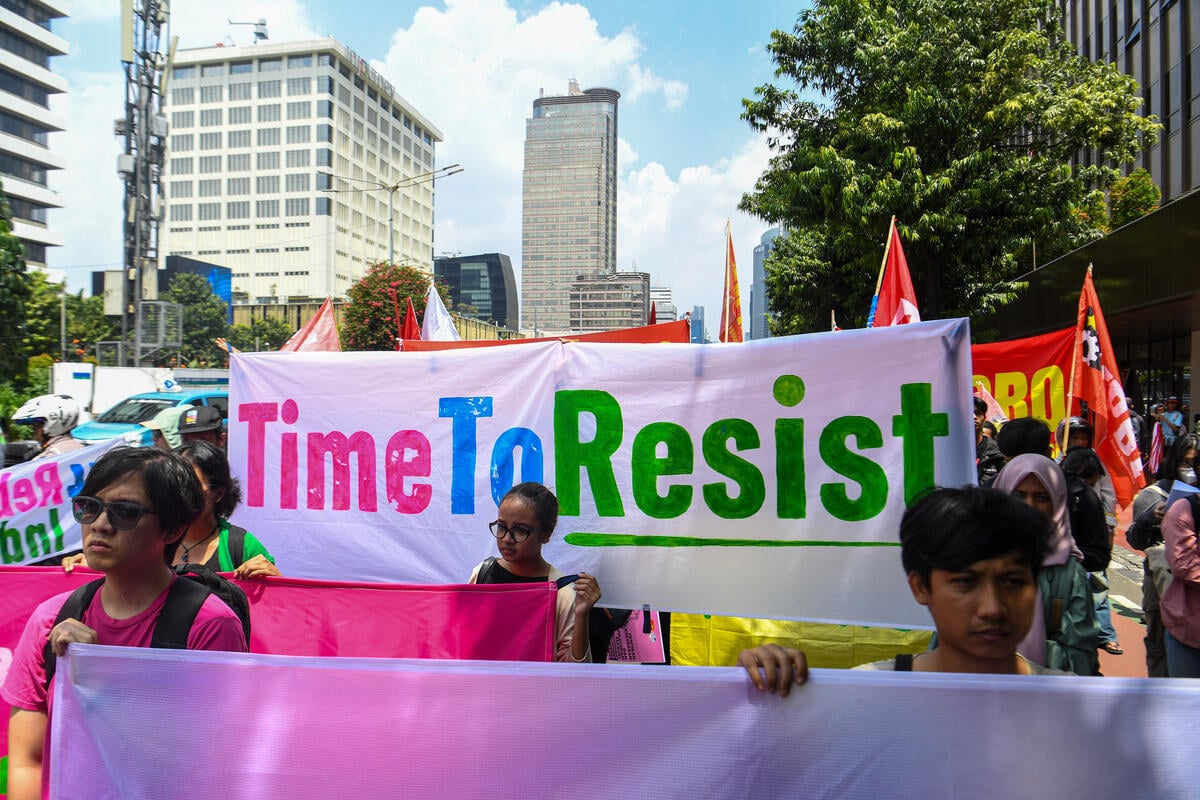
Other organizations across Southeast Asia released a joint statement echoing GPSEA’s recommendations. The growing support and solidarity in the region underscores the ambitious and decisive action required, not just from individual nations, but from ASEAN as a unified bloc. This summit is a definitive moment for Southeast Asian governments to act with urgency and prioritize the health and sustainable future of their people and the environment amid global crises that continue to hit the region hardest.