
All articles
-
Greenpeace Waves Warning Sign on First Anniversary of Omnibus Law on Job Creation
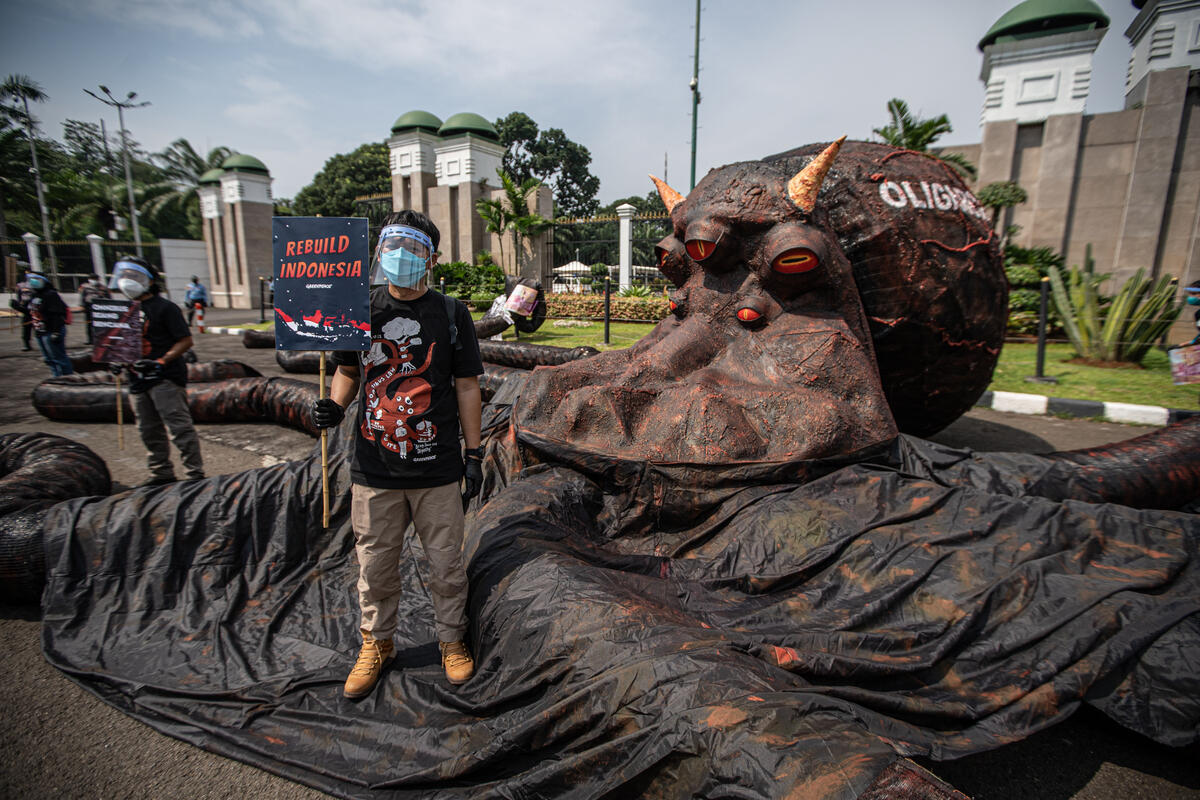
An oligarch monster has spread over the parliament building courtyard this Tuesday morning. The octopus monster is part of a peaceful protest by Greenpeace activists, marked the first year since the problematic Omnibus Law on Job Creation (UU Cipta Kerja) is being ratified.
-
Greenpeace Philippines on Duterte’s UN speech: Hold big polluters accountable, cancel climate-destructive plans
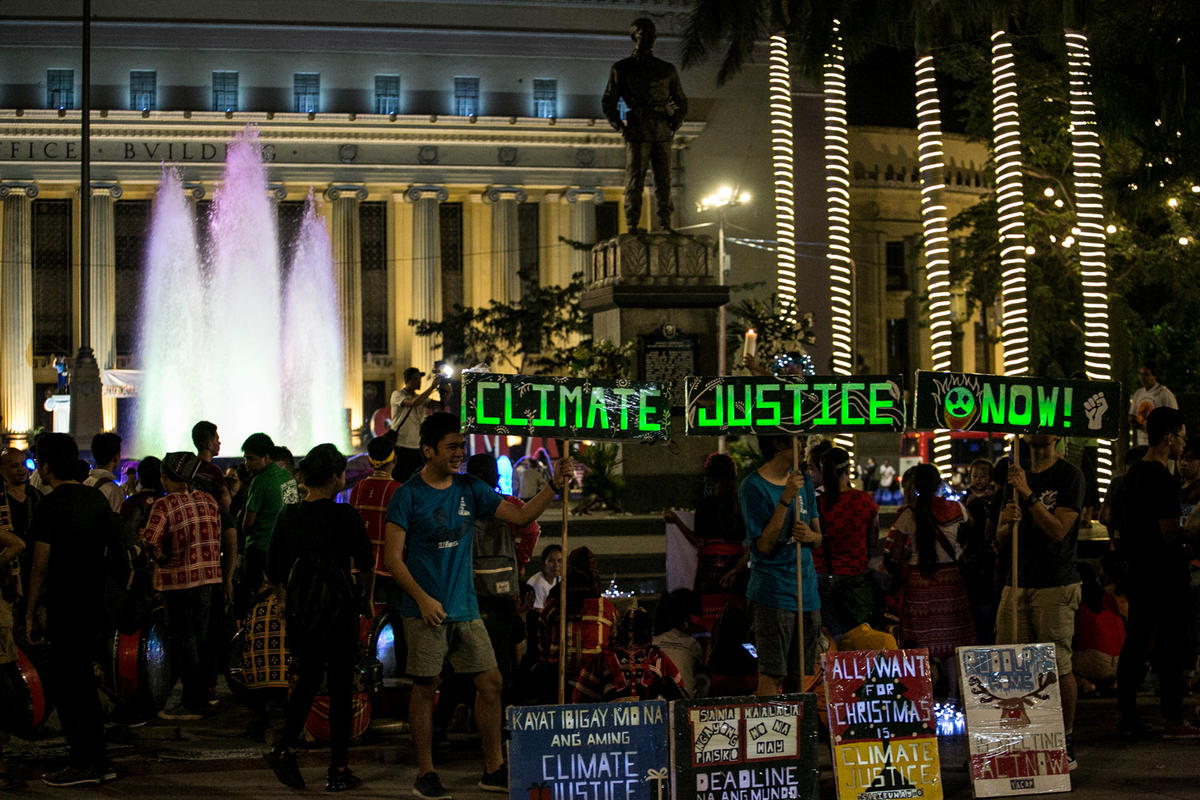
While vulnerable countries are suffering and communities are bearing the brunt, we have yet to hear governments, such as the Philippines, call for accountability from fossil fuel companies who hold a big share of the responsibility.
-

Seven Indonesia’s State Officials Found Negligent for Jakarta Air Pollution
After two long years and eight sentencing delays, The Central Jakarta District Court ruled in favour of citizens fighting for clean air.
-
Greenpeace Indonesia urges more ambition and cooperation as Norway – Indonesia agreement ends
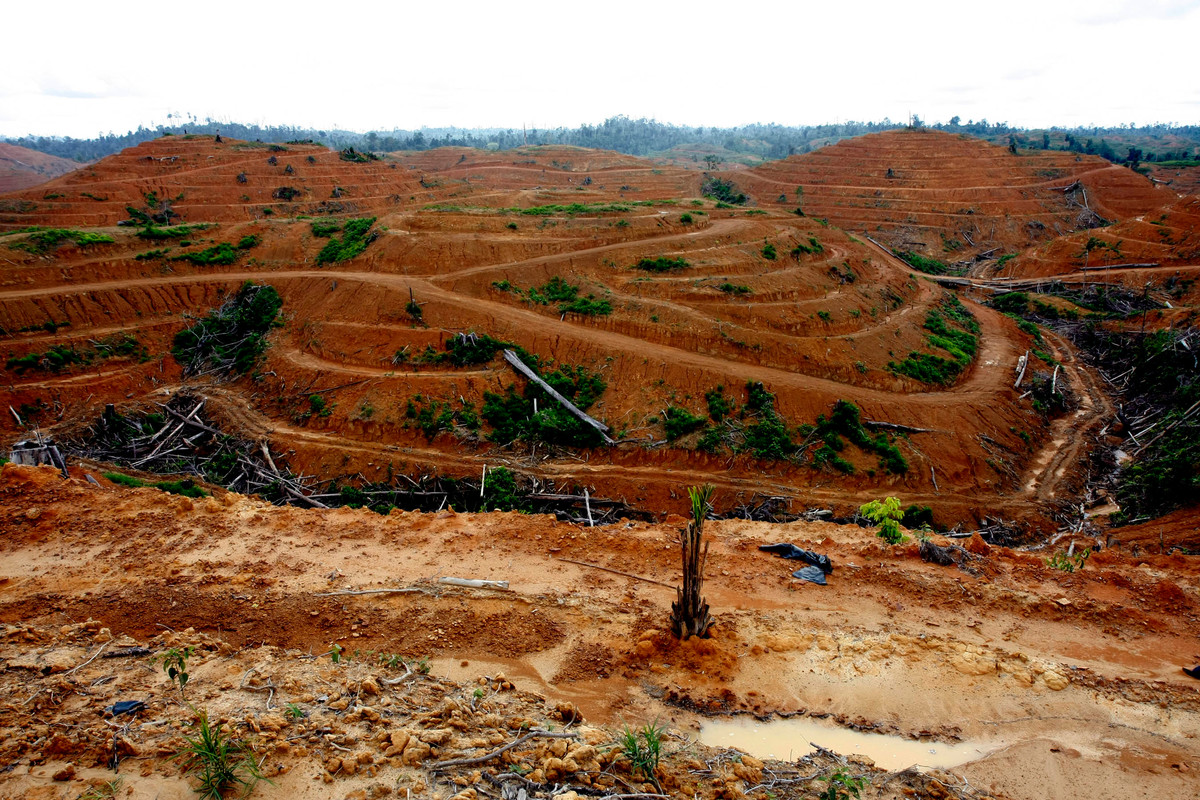
Although the result of the agreement on REDD+ between Indonesia and Norway has ended and its results are far from fulfilling its target, international collaboration is still needed and important to reducing deforestation and carbon emissions.
-

Greenpeace on Global Witness report: Urgent protection of environmental defenders needed
Greenpeace Philippines echoes the recommendations of the Global Witness report that companies and governments must be held accountable for the violence and persecution of land and environmental defenders.
-
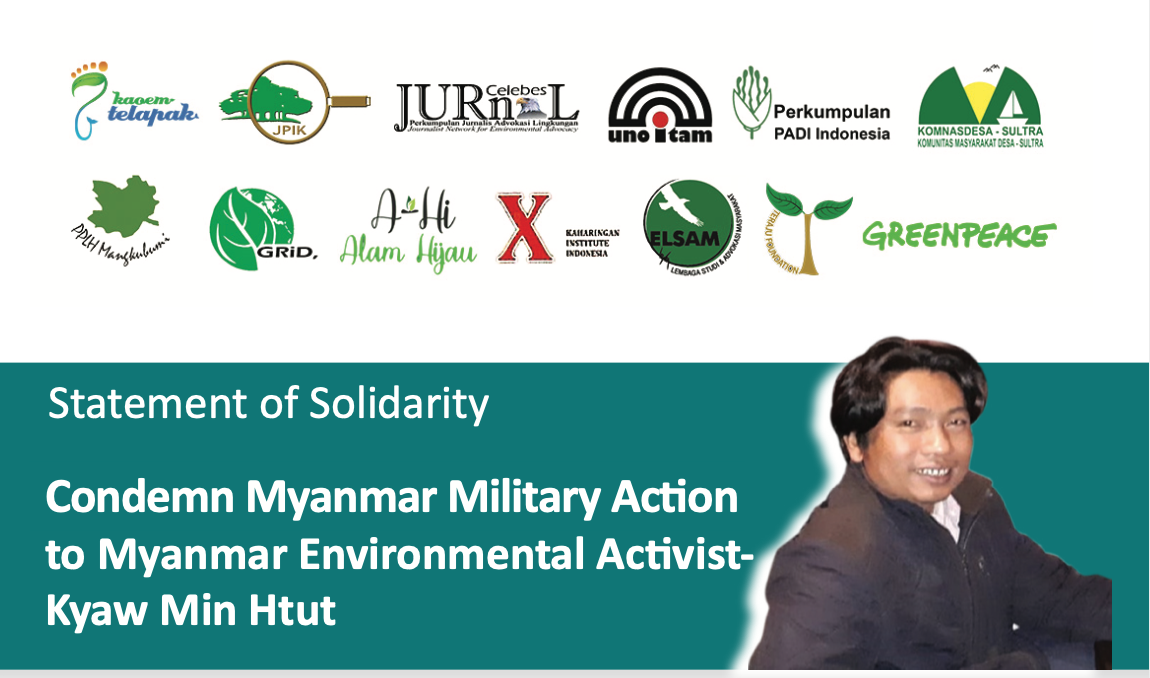
Statement of Solidarity: Condemn Myanmar Military Action to Myanmar Military Activist – Kyaw Min Htut
We, the undersigned, have learned that our colleague, respected forests and rights defender and democracy advocate Kyaw Min Htut has been arrested and detained by the junta in Myanmar. He…
-
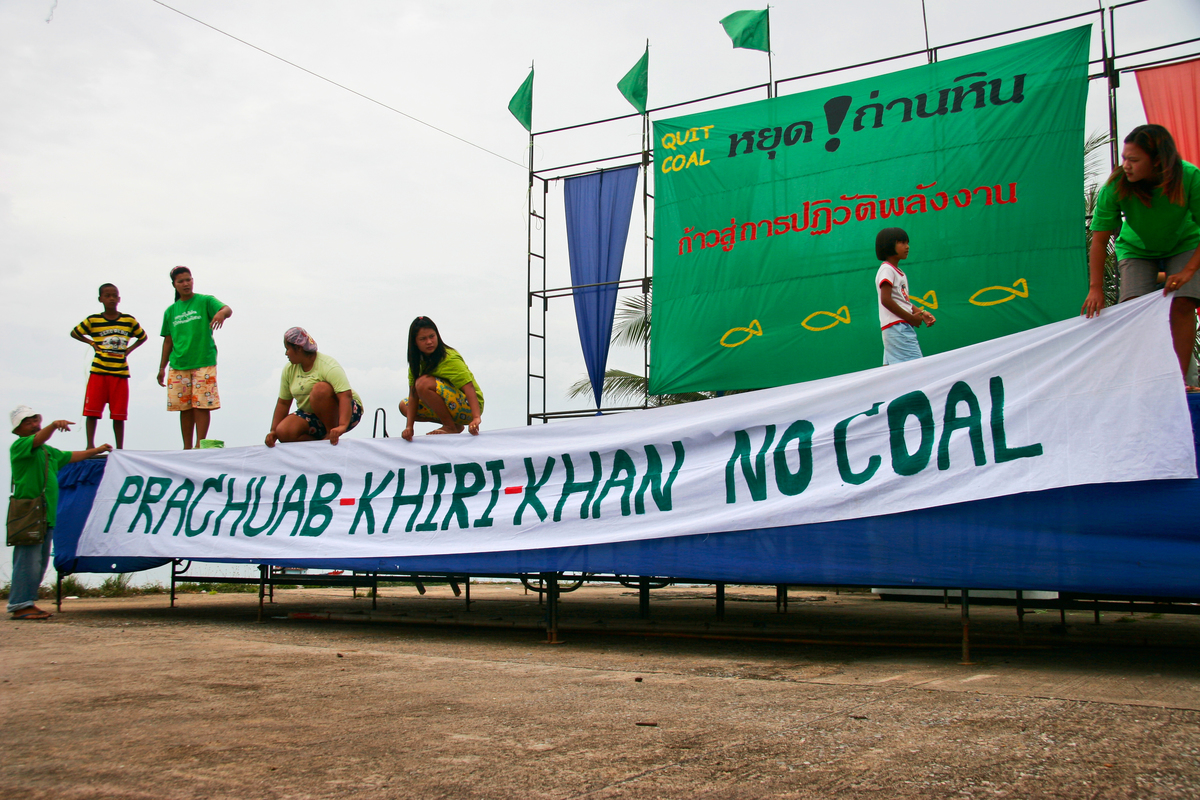
A leader’s legacy. A people’s victory.
Confronting the coal industry has never been easy, and it will never be. But the people of Prachuab Khiri Khan have proven that if everyone came together, overcame their fears and resisted as one, they can persevere and achieve the impossible.
-
Satellite Data Reveal Global Air Pollution Rebound One Year After First Covid-19 Lockdowns
In this report, we investigate nitrogen dioxide (NO2) pollution data from ground level monitors and satellite observations. The analysis compares air quality before the emergence of Covid-19 against pollution measurements made during different stages of the pandemic.
-
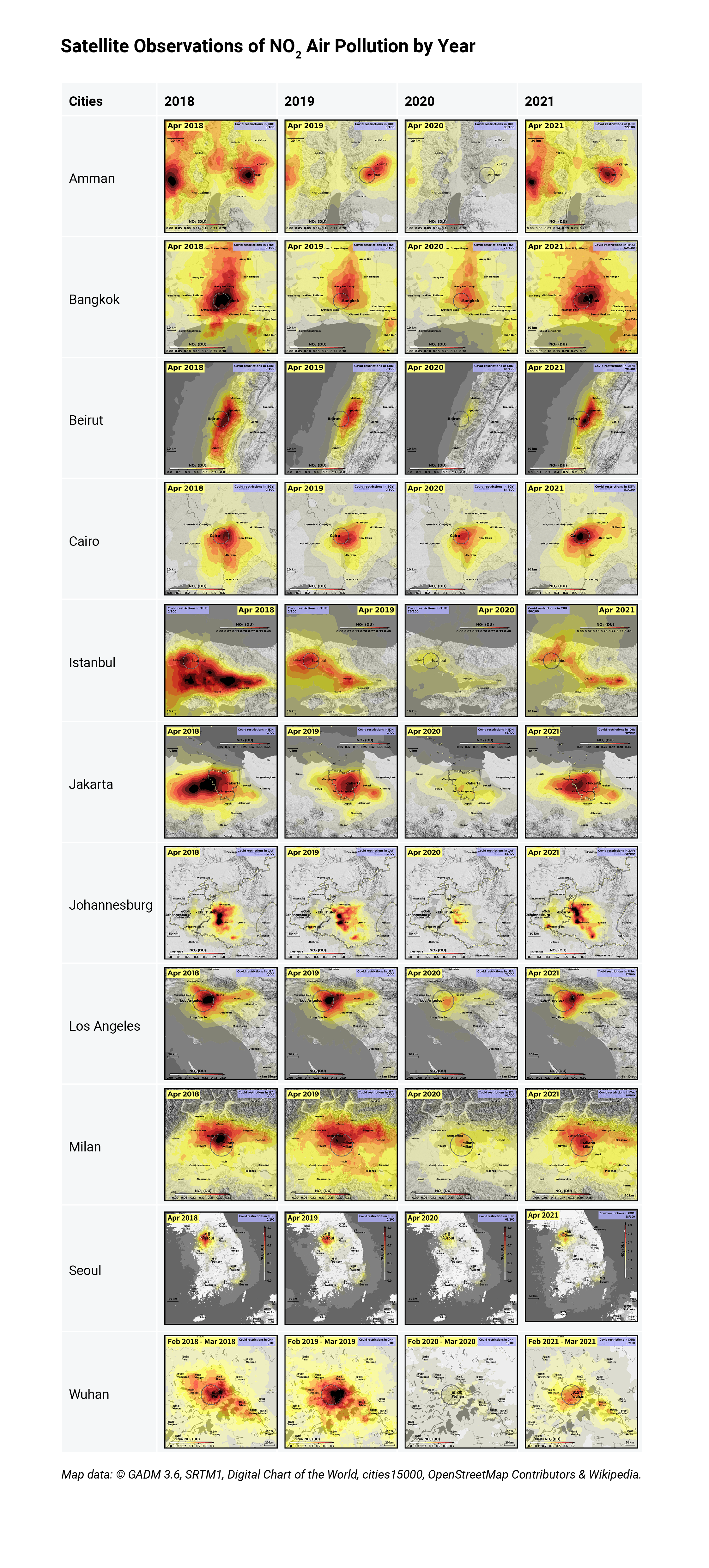
Satellite images reveal global air pollution rebound 1 year after first Covid-19 lockdowns
Levels of toxic NO2 air pollution have rebounded in cities around the world one year after initial Covid-19 lockdowns went into effect, a new report from Greenpeace Southeast Asia finds.
-
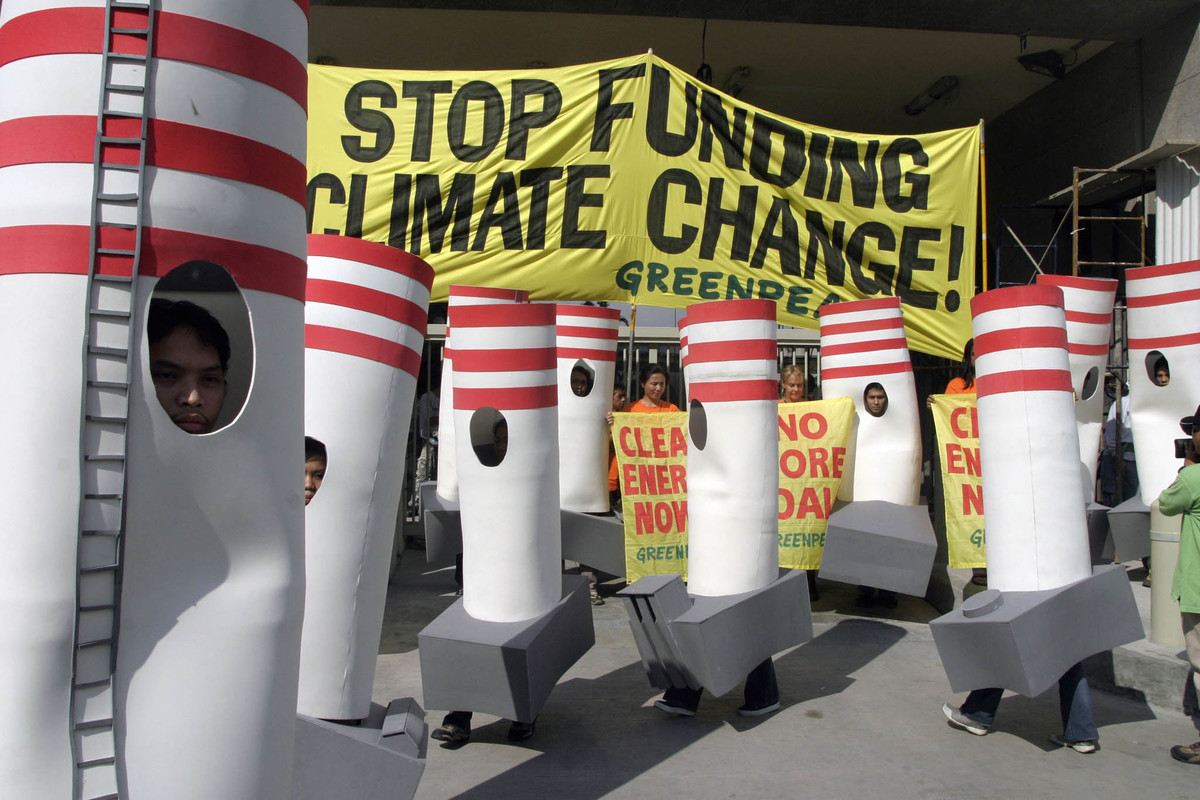
Greenpeace Southeast Asia on ADB’s draft energy policy
QUEZON CITY, Philippines — The Asian Development Bank (ADB) on Friday released its draft energy policy [1], which states that the institution “will not finance any new coal-fired capacity for power and…