

All articles
-
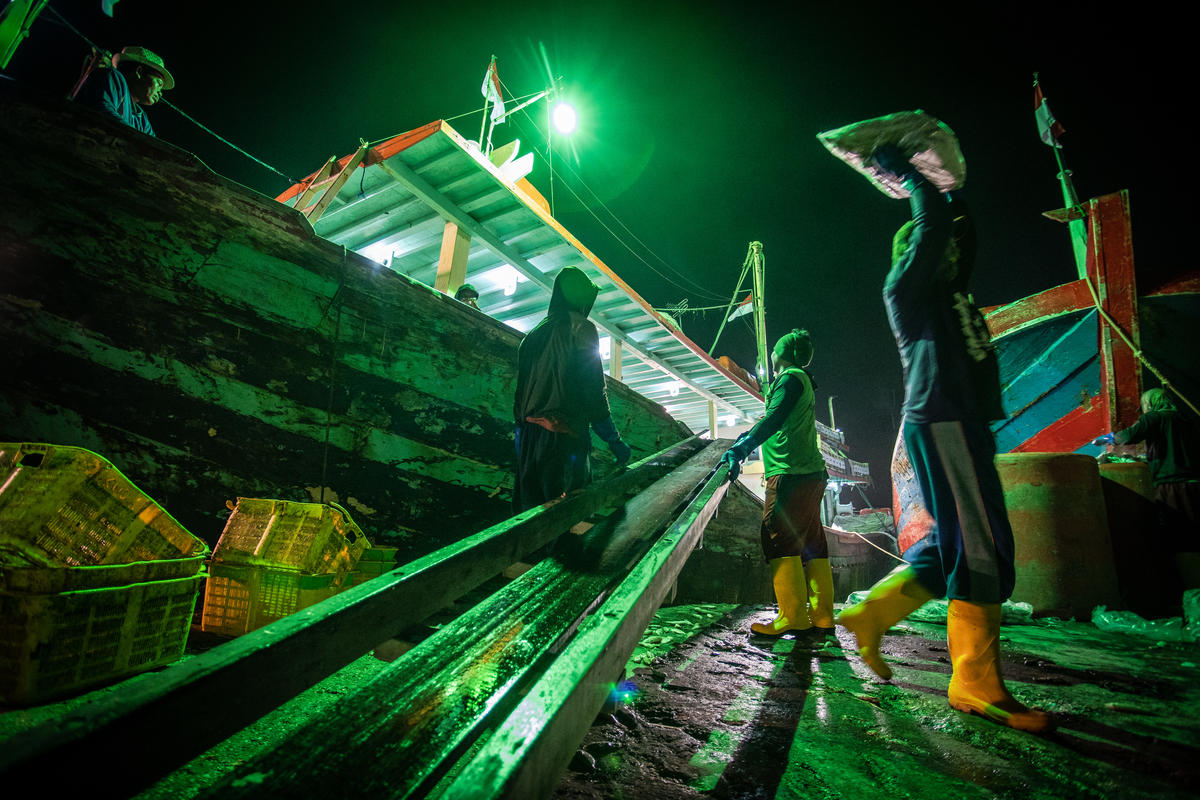
Five reasons modern slavery at sea is still possible in 2019
In a new report, “Seabound: The Journey to Modern Slavery on the High Seas”, Greenpeace Southeast Asia spoke to many migrant fishers about their experiences in order to present a snapshot of the living and working conditions onboard distant water fishing (DWF) vessels, according to the fishers themselves.
-
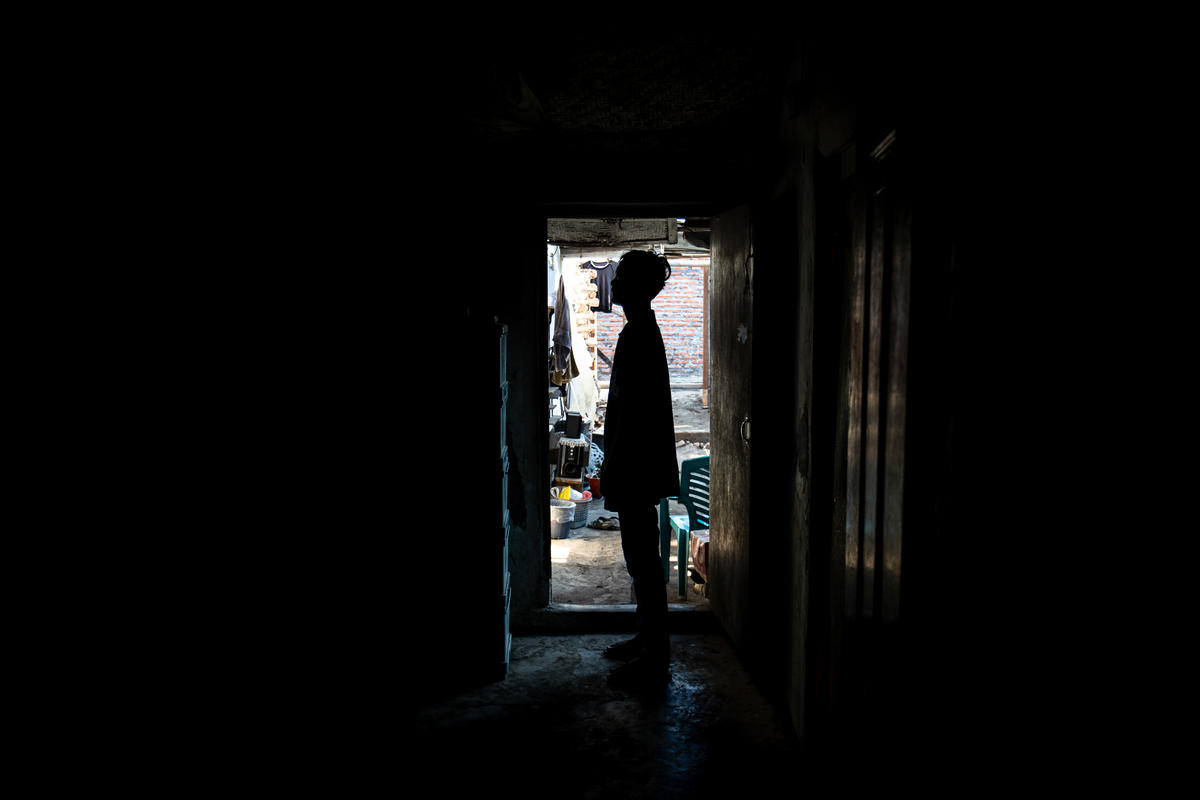
New testimonials suggest “modern slavery” for Southeast Asian migrant fishers working out at sea
13 foreign distant water fishing vessels have been accused of abusing migrant fishers from Southeast Asia, in cases so severe it has been characterised by many as “modern slavery”
-
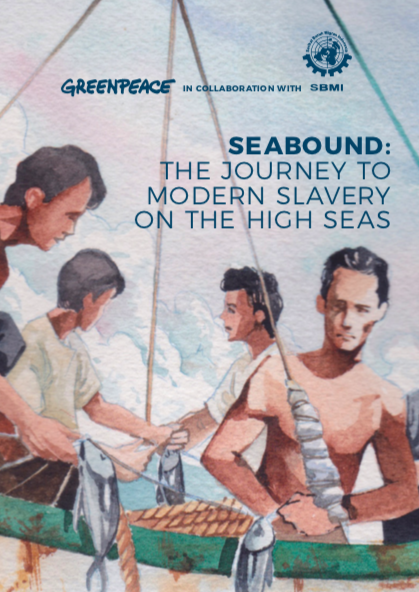
Seabound: The Journey to Modern Slavery on the High Seas
For several years now, international media has shone a spotlight on the inhumane working conditions of migrant fishers from Southeast Asia. The vessels they work on reportedly use destructive, illegal, and unreported methods, which take a heavy toll on the health and viability of our already fragile oceans.
-
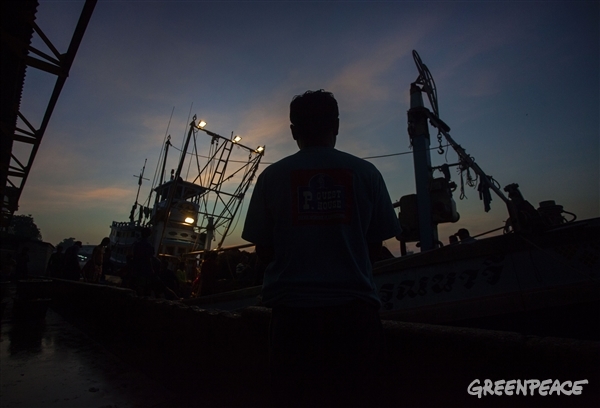
We must put an end to modern-day slavery at sea
With the ever growing demand for seafood, commercial fishing vessels need to work overtime and catch as much as they can, whenever they can. For such a labor-intensive business, you would need a lot of man-power. Men from Cambodia, Myanmar, Thailand, Indonesia and the Philippines end up working on these ships. For most, their freedom…
-
Deep Sea Mining Is Not The Future
Find out the three myths about deep sea mining, and why they’re not what they seem!
-

How an Instagram hashtag is inspiring thousands to protect the oceans
If you follow artists and illustrators on Instagram, it is likely you’ve come across the #DrawThisInYourStyle challenge, where artists recreate others illustrations in their own unique style.
-
A wave of support to save our oceans
Life on earth would not exist without the vast blue waters that cover more than 70% of the planet. The oceans provide us the oxygen we breathe, the fish we eat, even life-giving medicine sourced from the deep.
-

Groundbreaking scientific study maps out how to protect a third of the world’s oceans by 2030
London – As governments meet at the UN to negotiate towards an historic Global Ocean Treaty, a groundbreaking study by leading marine biologists has mapped out how to protect over…
-
Greenpeace: Only five out of 23 tuna canneries in Southeast Asia make the grade
Greenpeace Southeast Asia today released its latest tuna cannery ranking evaluating 23 canneries and brands from the Philippines, Thailand and Indonesia based on their policies on sustainability, transparency and equitability.
-
From Sea to Can: 2018 Southeast Asia Canned Tuna Ranking Report
Greenpeace is running an international campaign to steer the global tuna industry towards more environmentally and socially responsible sourcing.