
Latest Updates
Filtered results
-

CP named top plastic polluter for the second year in the row, according to Greenpeace Thailand’s 2020 brand audit report
Five Thai companies, namely, Charoen Pokphand Group (CP), Dutch Mill Co., Ltd., Osotspa, TCP Group, and Lactasoy, have been identified as the top plastic polluters locally responsible for plastic pollution affecting two provinces, according to the latest brand audit report conducted by Greenpeace Thailand.
-
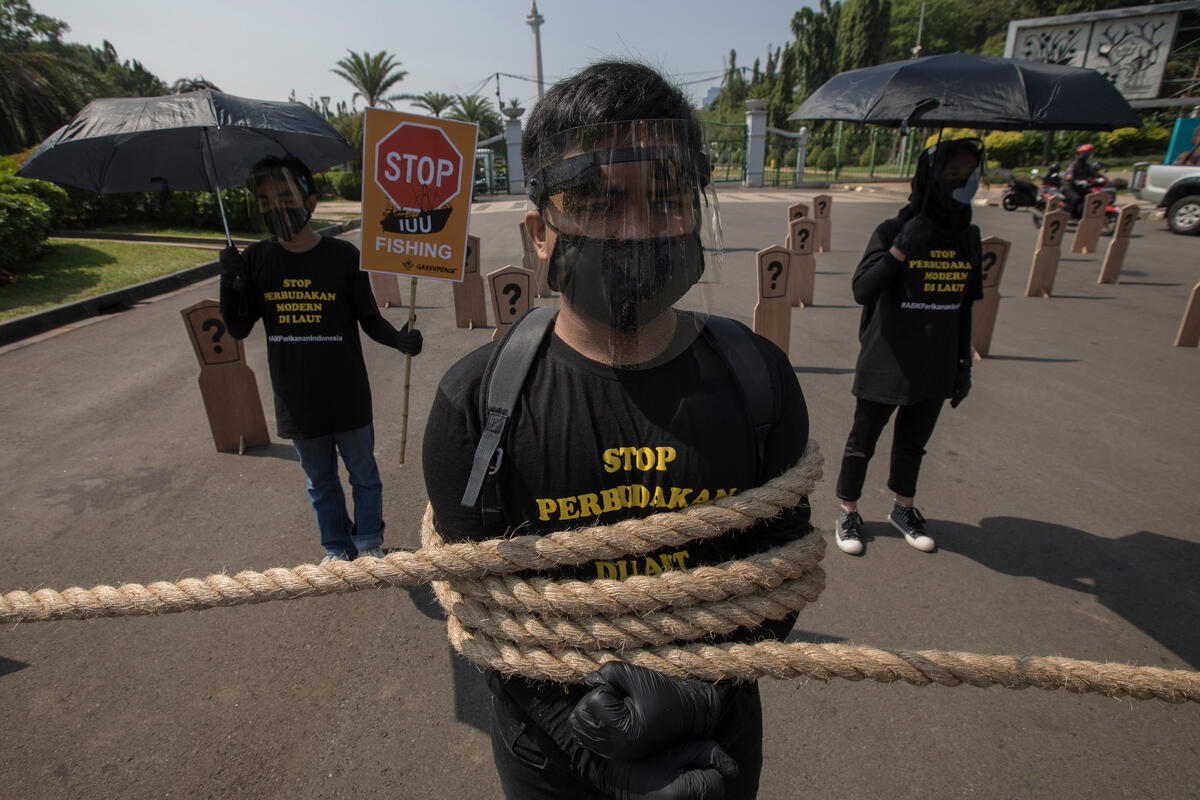
Why are Indonesian fishing crews dying?
With easy access to mobile technology, migrant fishers are able to document their mistreatment and often, evidence of illegal fishing and bycatch, such as shark finning. It’s led to an outpouring of attention and renewed focus on forced labour, human trafficking, and other forms of exploitation that have been commonplace on industrial fishing vessels for…
-
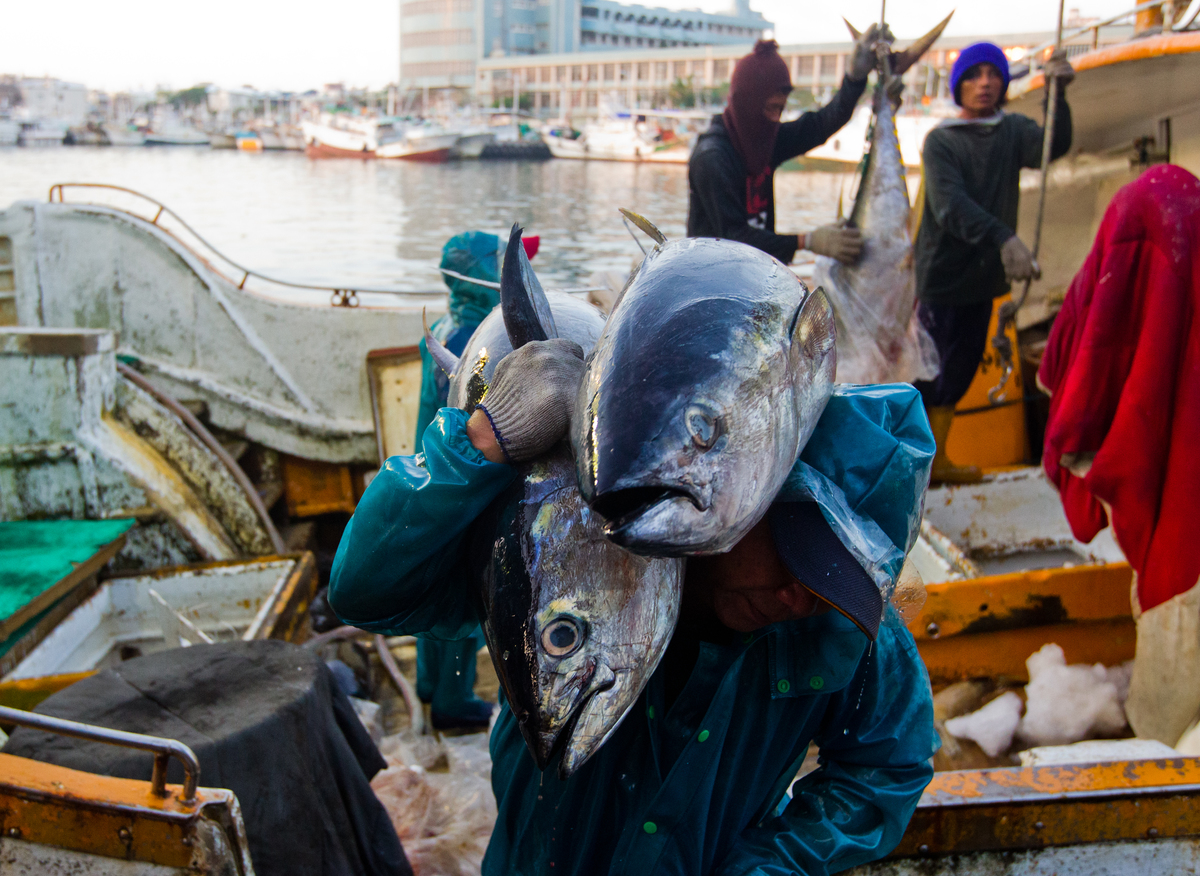
Greenpeace Southeast Asia on the latest case of Indonesian migrant fishers onboard Chinese fishing vessel Liao Yuan Yu 103, requesting immediate rescue by Indonesian authorities
In the past six years, Greenpeace Indonesia and Indonesian Migrant Workers Union (SBMI) have received 338 labor abuse complaints of Indonesian migrant fishers onboard foreign fishing vessels. It is important to note that this kind of case is recurring because of the lack of proactive and effective actions taken by Indonesian government in the last…
-
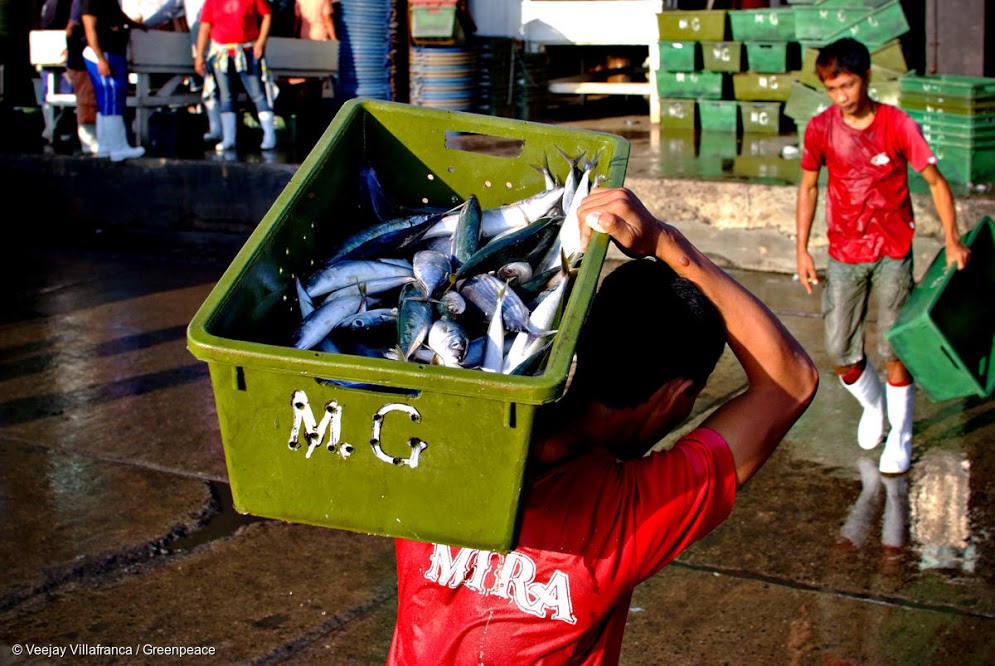
Better Normal in the Seafood Industry
Modern slavery and human rights abuses at sea are real and happening today, and the tuna industry is at the centre of this global scandal.
-

Sustainability and Justice on the High Seas: 2020 edition Southeast Asia Canned Tuna Ranking
In the fourth edition of Greenpeace Southeast Asia’s Tuna Cannery Ranking, we evaluated nine canned tuna brands in Thailand, five tuna canneries in Indonesia, and six tuna canneries in the Philippines
-
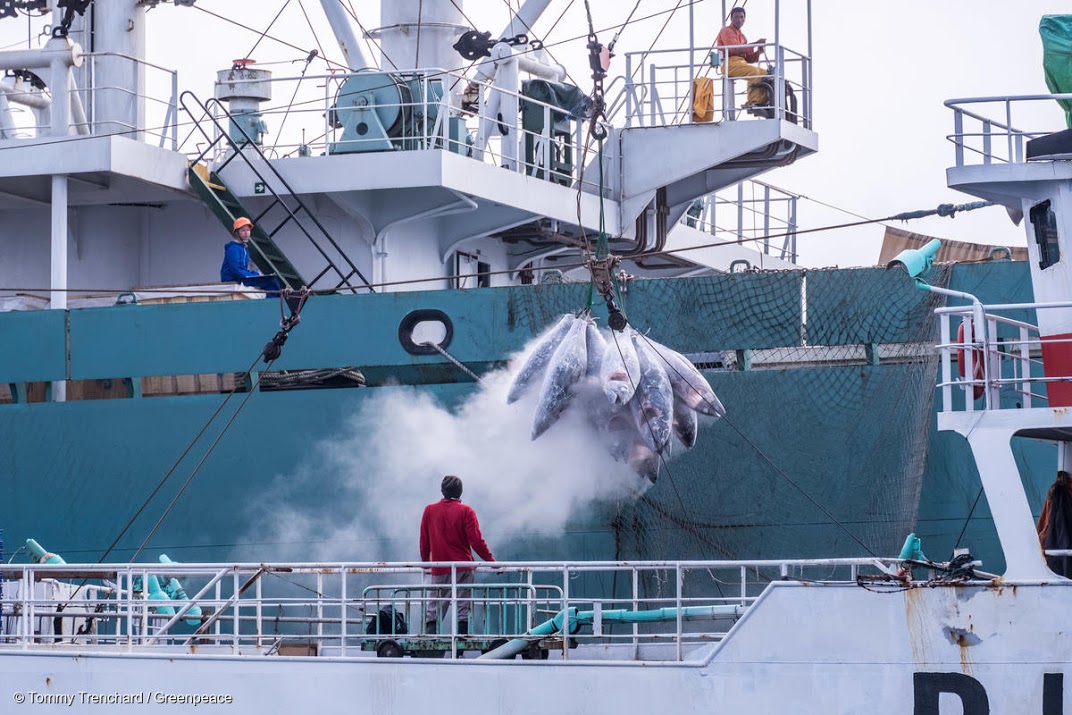
Greenpeace demands sustainability and due diligence on human rights for tuna industries in Southeast Asia
Lack of support and accountability for migrant fishing crew remain a failing issue, with only 20 percent of major southeast Asian tuna brands providing measures to reduce, or eliminate modern slavery at sea, according to the latest cannery ranking report by Greenpeace Southeast Asia.
-
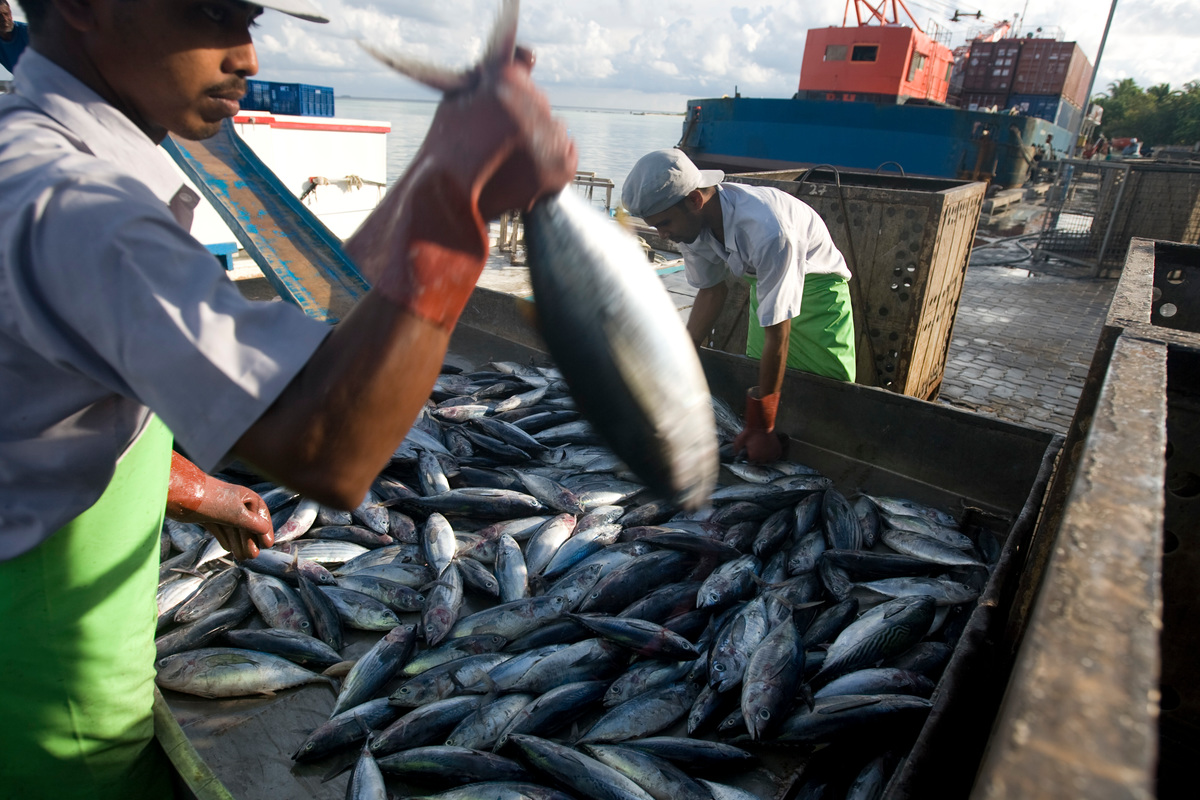
Fisherfolk helping out Thailand’s essential workers is the community spirit we need right now
During the lockdown, the fish markets were temporarily closed. Few people visited so local fishers lost their regular clientele, and fresh seafood prices significantly dropped by more than a half due to higher transportation costs.
-
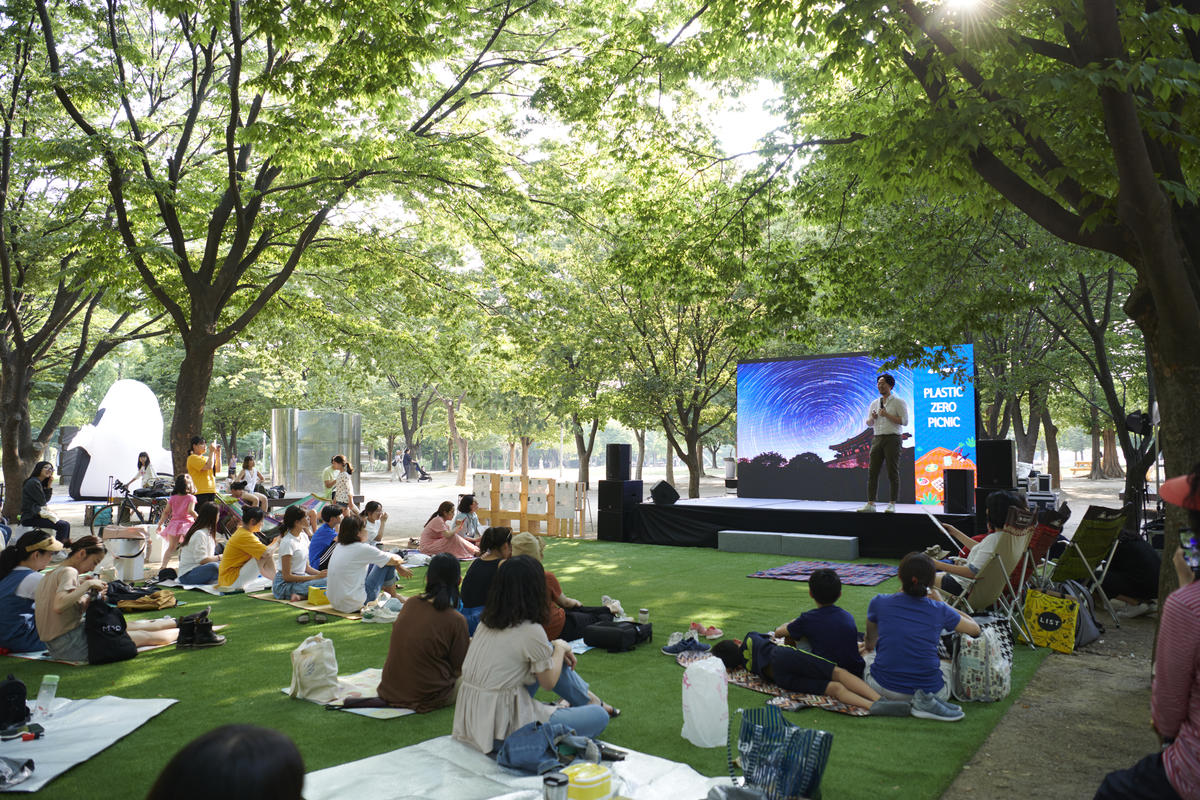
The city of our post-COVID future
While we are in the midst of this pandemic, a powerful act is to start imagining what kind of city we might be living in when this pandemic slows down.
-
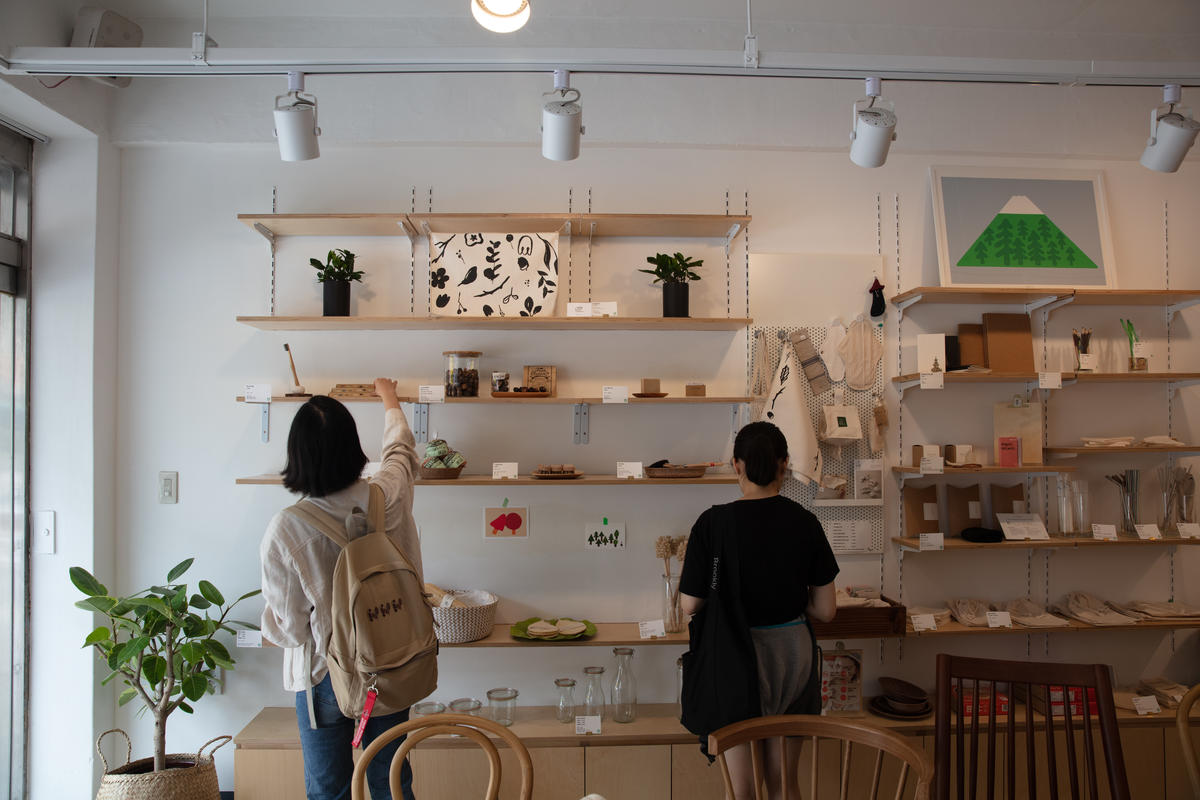
Health and the Reuse Revolution: Is disposable safer than reusable? Let’s consult the science
We’re tackling the questions: are single-use packaging and containers actually safer? Is the fear of contamination from reusable containers justified?
-
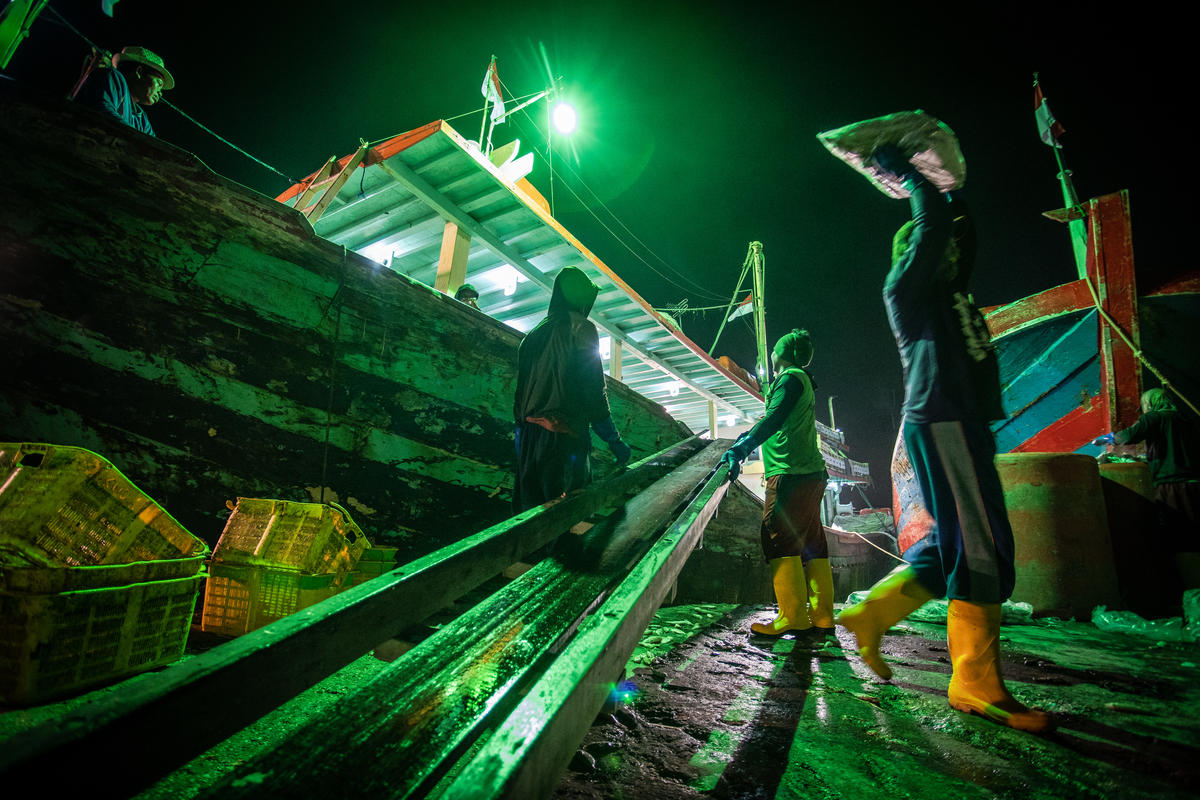
Five reasons modern slavery at sea is still possible in 2019
In a new report, “Seabound: The Journey to Modern Slavery on the High Seas”, Greenpeace Southeast Asia spoke to many migrant fishers about their experiences in order to present a snapshot of the living and working conditions onboard distant water fishing (DWF) vessels, according to the fishers themselves.