
Latest Updates
Filtered results
-

New testimonials suggest “modern slavery” for Southeast Asian migrant fishers working out at sea
13 foreign distant water fishing vessels have been accused of abusing migrant fishers from Southeast Asia, in cases so severe it has been characterised by many as “modern slavery”
-
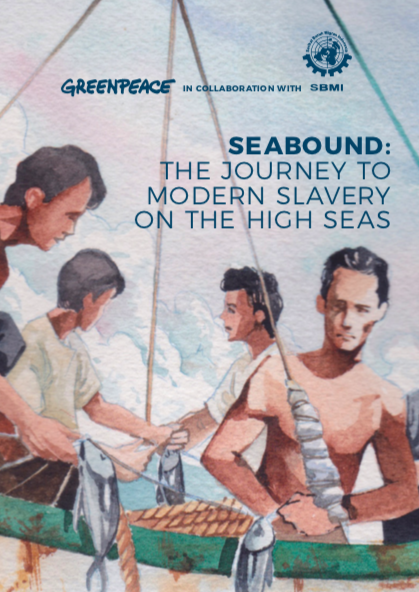
Seabound: The Journey to Modern Slavery on the High Seas
For several years now, international media has shone a spotlight on the inhumane working conditions of migrant fishers from Southeast Asia. The vessels they work on reportedly use destructive, illegal, and unreported methods, which take a heavy toll on the health and viability of our already fragile oceans.
-

Joint NGO statement on failure of RSPO to meet the demands of global climate crisis
Last year, RSPO members approved a new set of Principles and Criteria that align with the global “No Deforestation, No Peat, and No Exploitation” policies of many of its members. Yet the RSPO’s new standard will only be meaningful if it is audited and upheld in a thorough, comprehensive and competent way.
-

There is no smoke without fire
The fires blazing in Indonesia, that have placed nearly 10 million children at risk, are linked to companies widely considered to be “sustainability leaders” in palm oil. Greenpeace International’s research found that Unilever, Mondelez, Nestle, and P&G are each linked to nearly 10,000 fire hotspots in 2019 alone.
-
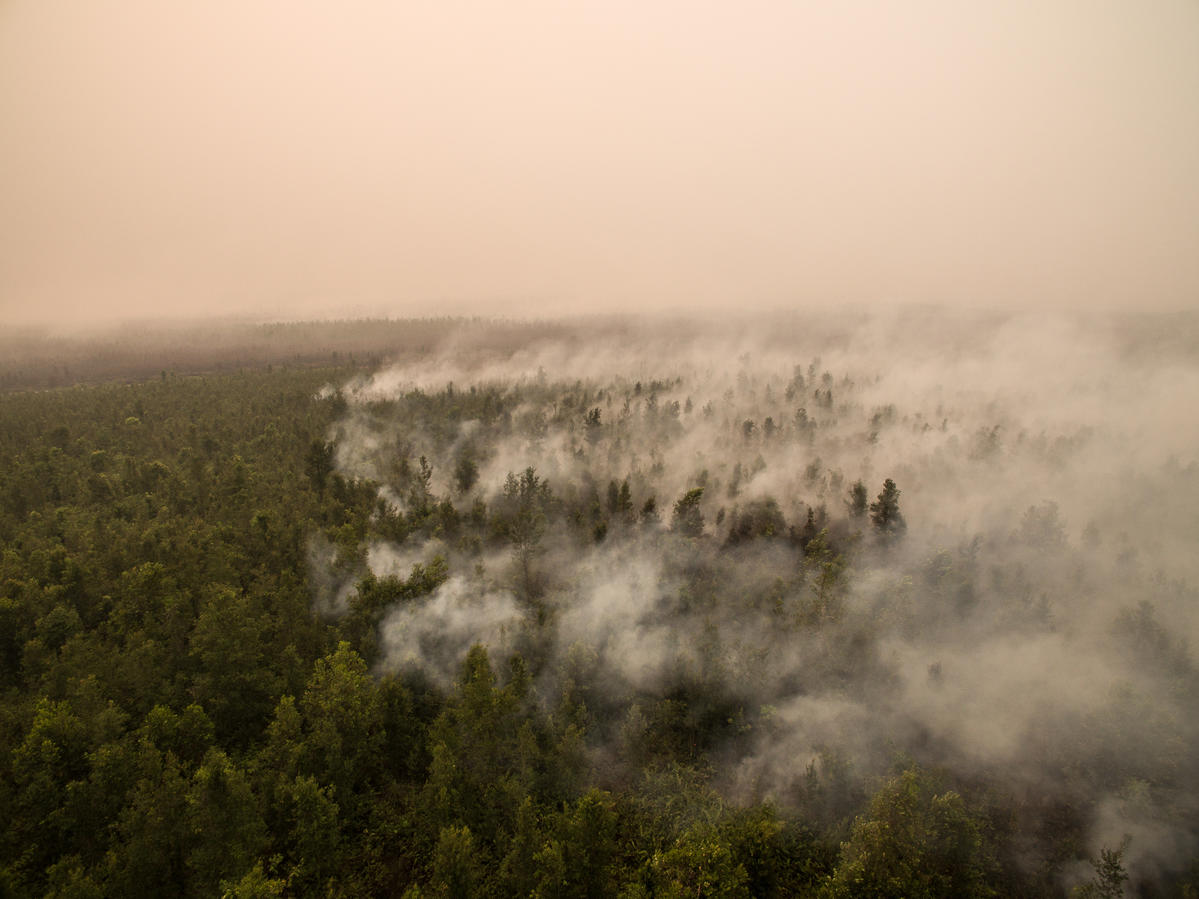
Top consumer companies’ palm oil sustainability claims go up in flames
Unilever, Mondelez, Nestle, and P&G are each linked to up to 10,000 fire hotspots, as they buy from palm oil producer groups with the highest numbers of fire hotpots in 2019. The palm oil traders Wilmar, Cargill, Musim Mas, and Golden-Agri Resources (GAR) have extensive links to this year’s fires in Indonesia and together supply…
-
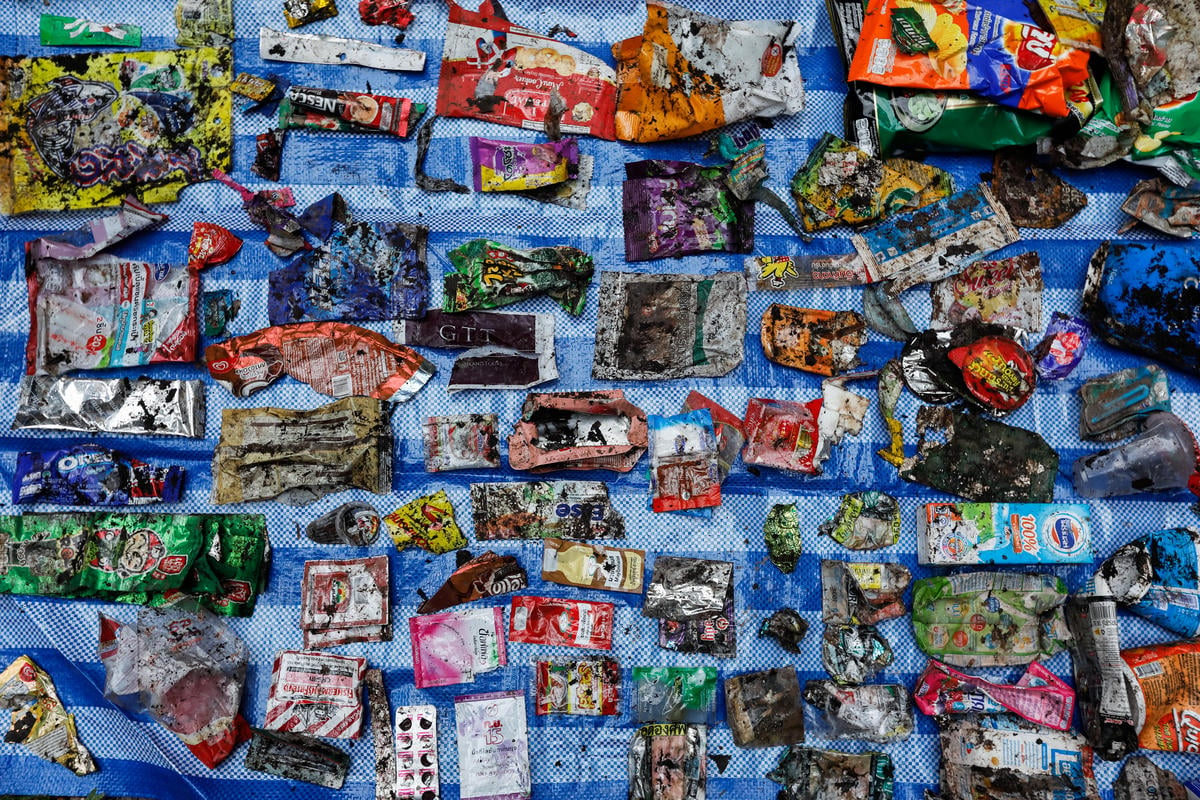
CP and Coca-Cola among worst offenders for plastic pollution in Thailand based on Greenpeace report
This report provides more evidence of how corporations have greatly contributed to the plastic crisis that we find ourselves in. Their continued reliance on single-use plastic packaging translates to more throwaway plastic into the environment.
-
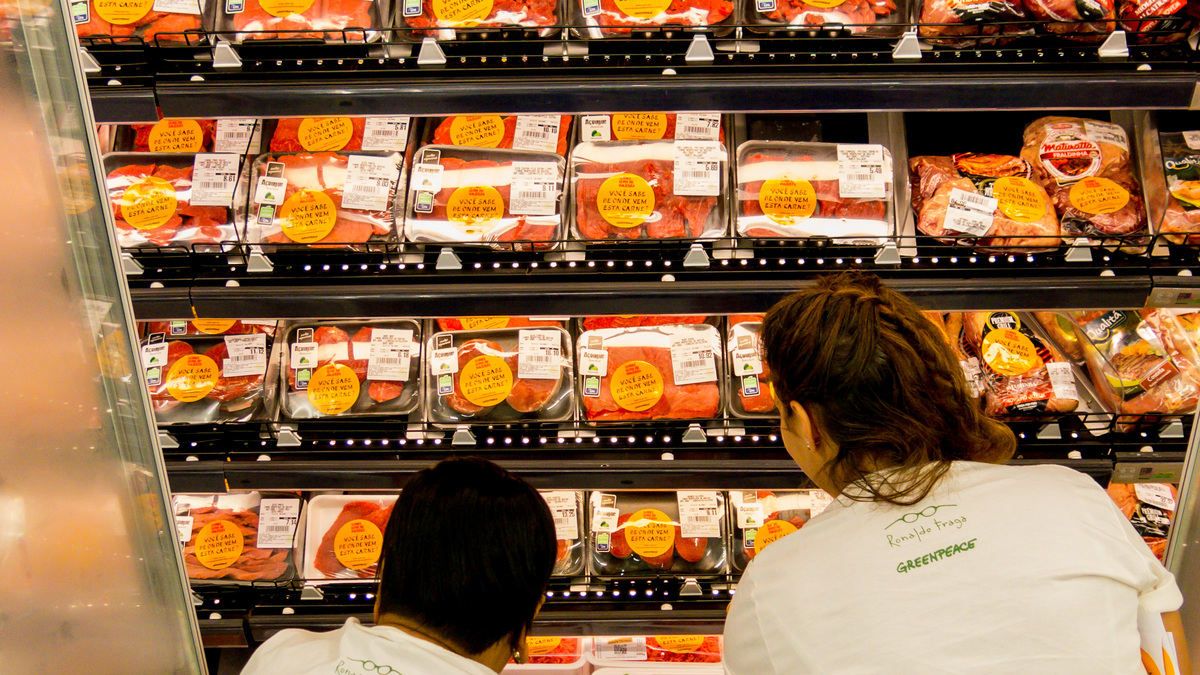
The importance of meat labelling
With our unhealthy food systems, there is a need for people to be more discerning and critical of what's being produced and sold in markets and groceries.
-
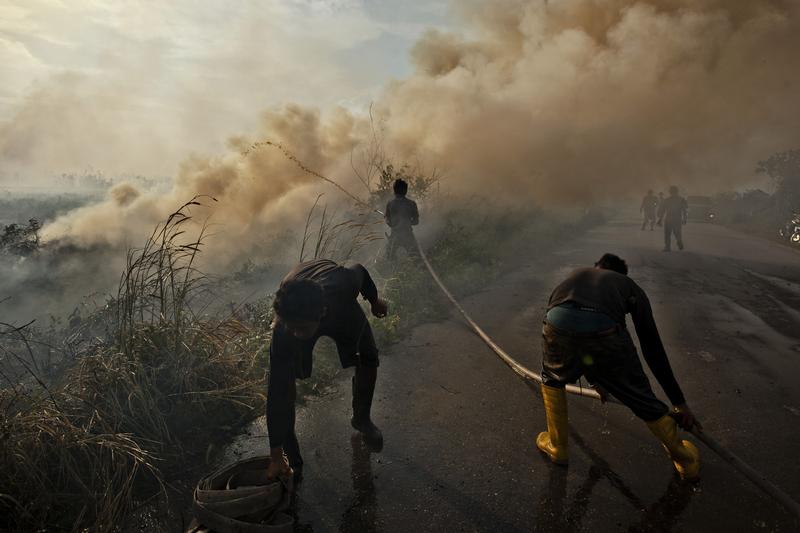
Palm oil and pulp companies with most burned land go unpunished as Indonesian forest fires rage
Despite the ongoing Indonesian forest fire crisis, no serious civil or administrative sanctions have been given to the ten palm oil companies with the largest areas of burned land from 2015 to 2018, new Greenpeace Indonesia mapping analysis revealed. The Indonesian government has also not revoked a single palm oil licence due to forest fires.
-
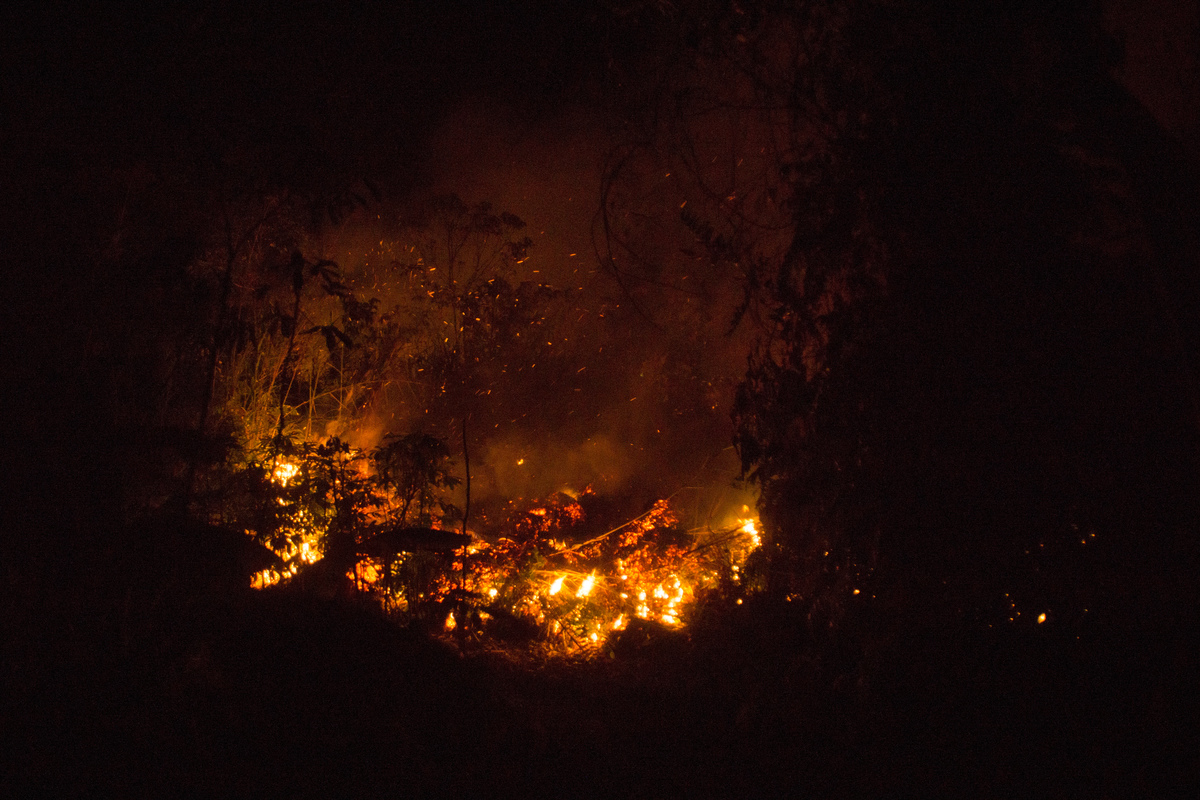
Indonesian Forest Fires Crisis: Palm oil and pulp companies with largest burned land areas are going unpunished
A total of 3,403,000 hectares (ha) of land burned between the years 2015 and 2018 in Indonesia, according to analysis of official government burn scar data. In 2015 alone more than 2,600,000 ha of land burned. The fires that ravaged Indonesia in 2015 are considered one of the greatest environmental disasters of the 21st century…
-
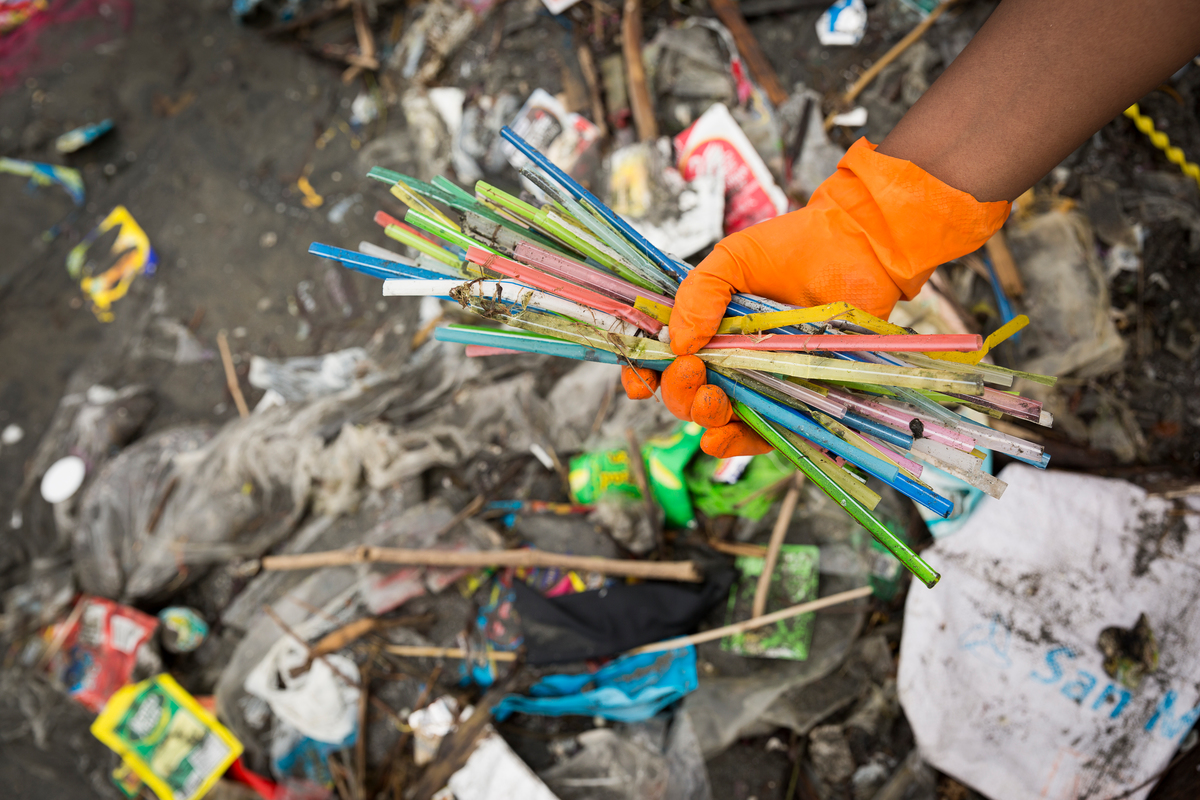
Communities and Greenpeace volunteers clean up beach and conduct plastic brand audit in Songkhla
On International Coastal Cleanup Day, around 60 volunteers from the Songkhla Forum, Beach for Life, and Greenpeace together cleaned up the beach at Laem Son On in Songkhla province.