

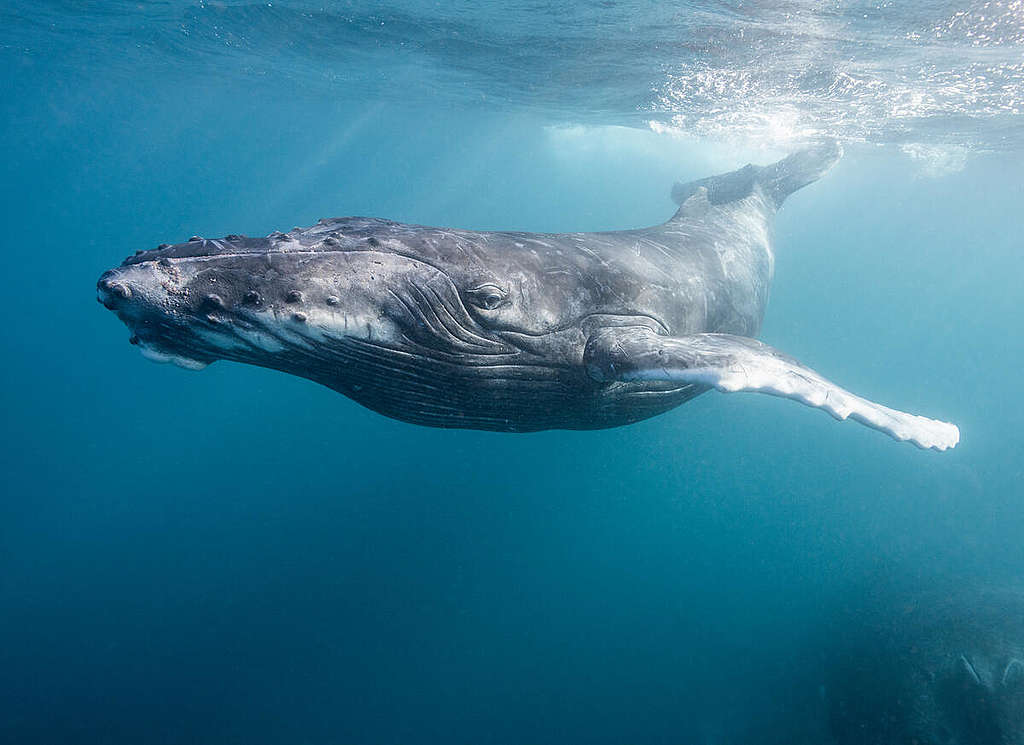
It has taken decades, but we finally have a Global Ocean Treaty that can deliver the protection the oceans desperately need.
This Treaty is the tool that can create vast protected areas covering at least 30% of the oceans by 2030 – the 30×30 target governments agreed in December 2022 at the Convention on Biological Diversity (CBD) COP15.
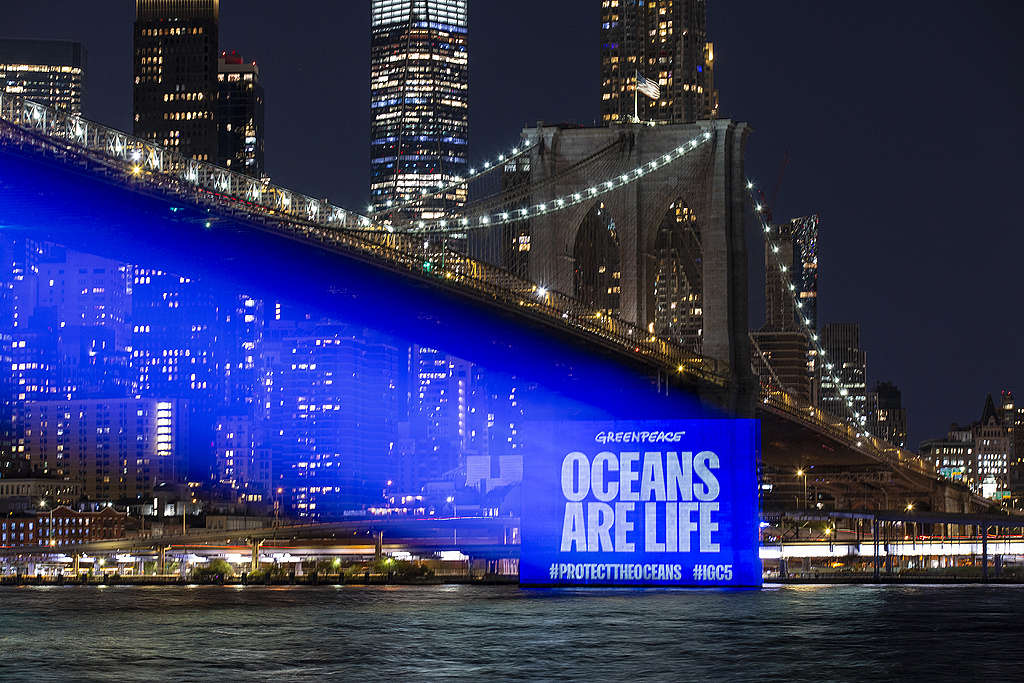
Governments are meeting again this week at the United Nations to formally adopt the Treaty after the Text was agreed back in March. The world will be watching.
Since then, the text has been translated into all of the official UN languages, and gone through a legal scrubbing process to prepare for this adoption moment.
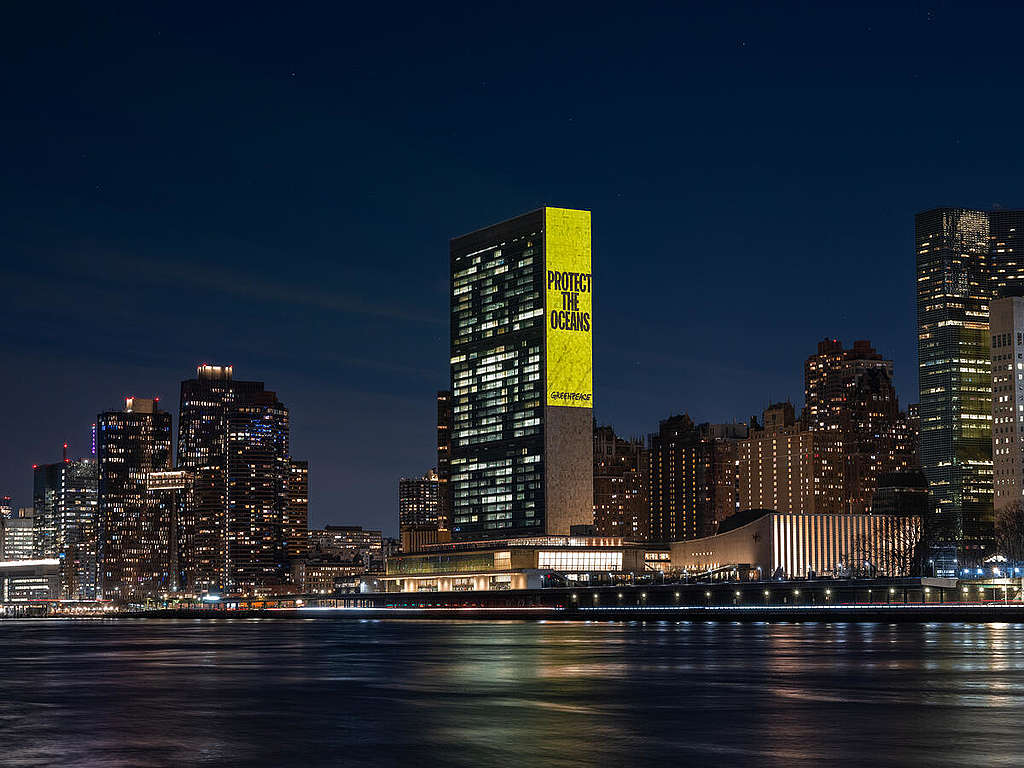
With the Text agreed and the official adoption moment coming up, we wanted to share the history of the Global Ocean Treaty, how we got here and the role Greenpeace has played in this historic victory for nature.
Greenpeace’s role
Greenpeace has played a key role in the Treaty process from the very beginning.
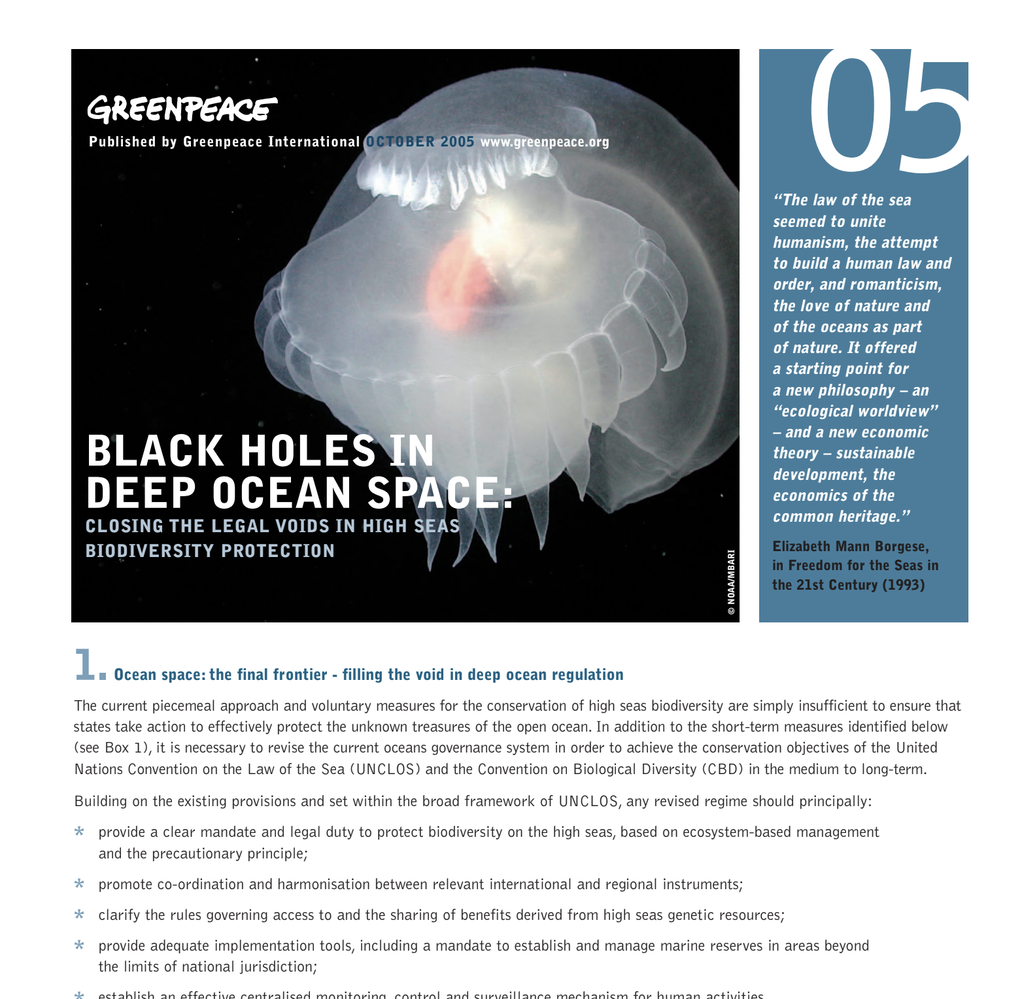
In 2005, we published our first ever piece of public content calling for a new treaty under the UN Convention on the Law of the Sea which would protect biodiversity and provide tools to create marine protected areas on the high seas.
This was vital because the high seas, waters beyond the jurisdictions of countries, were and still are a wild west of destructive activity.
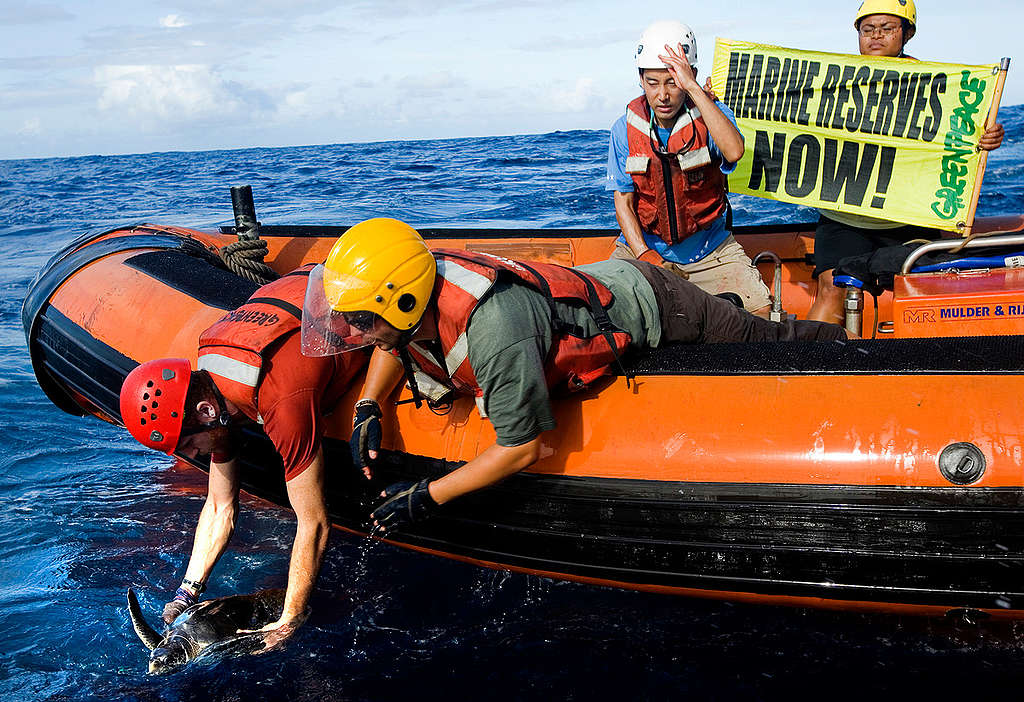
We, along with our allies, were also among the first to call for at least 30% of the world’s oceans to be protected by 2030. This target, the 30×30 target, was finally agreed to by all governments in December 2022 under the United Nations Convention on Biological Diversity. 30% is the absolute minimum scientists say is necessary to enable the oceans to recover and thrive.
Without the millions of people on every continent who joined us to call for ocean protection, the strong Treaty and 30×30 target would not have been possible.
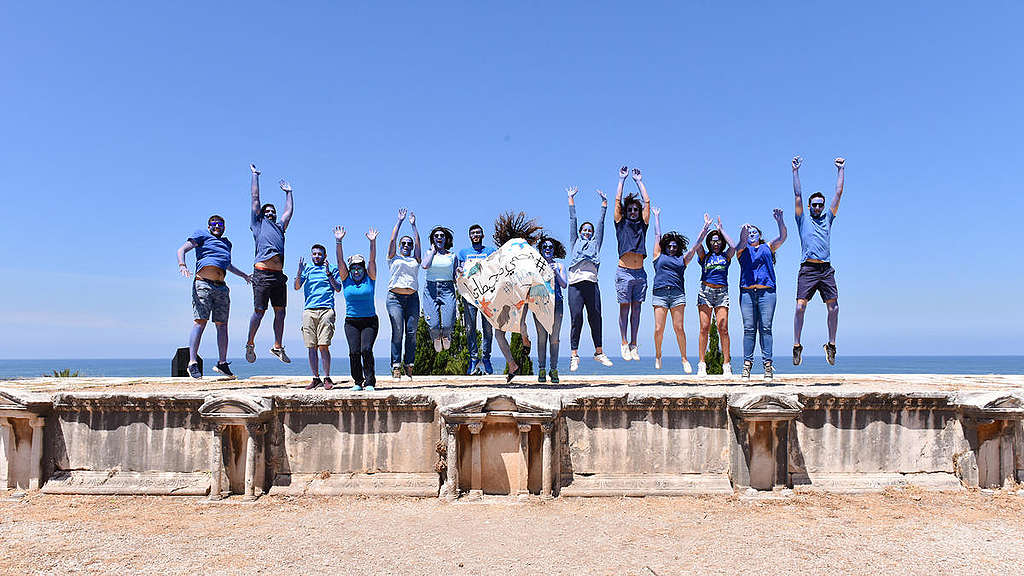
People power won.
Treaty timeline: a treaty that was years in the making
The Global Ocean Treaty is the first legally binding Treaty process related to the oceans in over 20 years, and is the first ever to focus specifically on the protection of marine life on the high seas.
The process began in the early 2000s. In 2004, an ad hoc working group was established to study gaps in global ocean governance. In 2008, the first debates were held on a new Implementing Agreement, and in 2011, the “key elements” of the Treaty package were agreed.
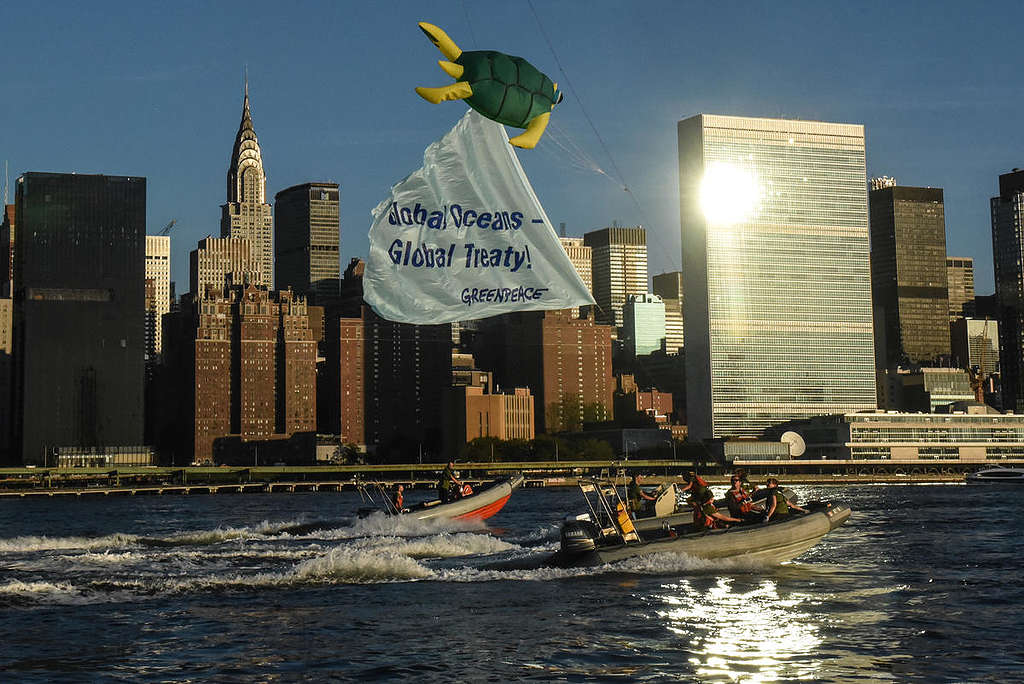
In 2015, the UN General Assembly recommended the development of a new Implementing Agreement, and the first Preparatory Committee (Prep Comm) was established which would elaborate on the key elements of the Treaty.
A series of 4 PrepComms were held in 2016 and 2017, paving the way for a series of negotiations on a Treaty text – the IGCs – Intergovernmental Conferences.
The first Intergovernmental Conference was held in New York in 2018. Five years, and five (well, 6 really) negotiating sessions laters, we finally have a Treaty text.
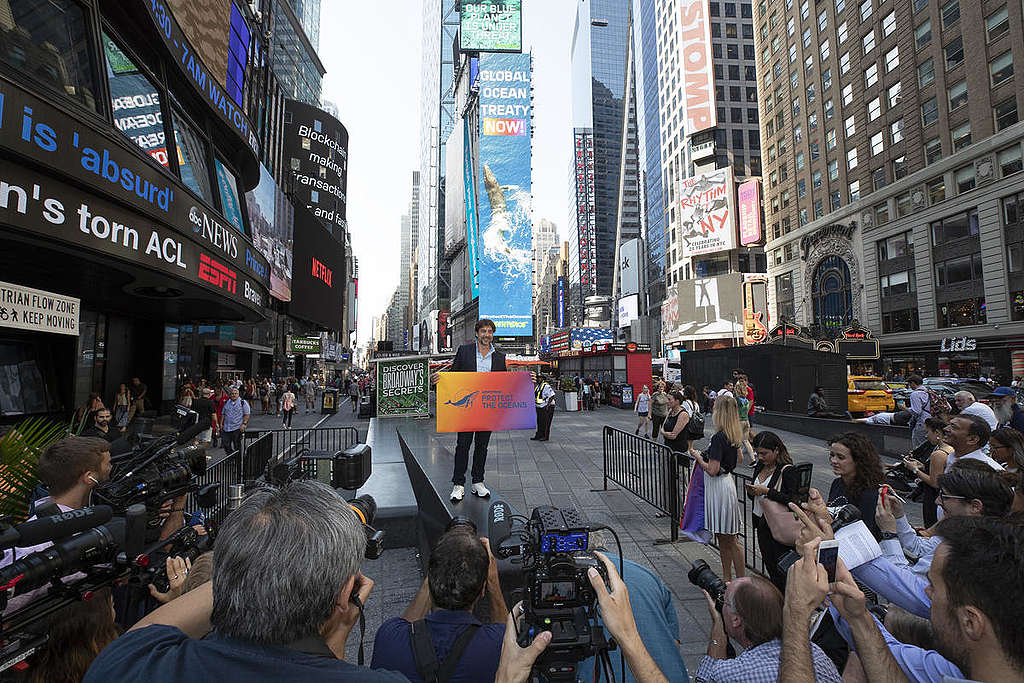
This long process has been full of highs and lows, but it’s a testament to sticking with campaigning, even when the going gets tough and progress is slow.
Why the Treaty matters
The oceans need our help. They are in crisis, caused by centuries of human exploitation and extraction. They can bounce back, but only if we give them space to recover. That’s why we need ocean sanctuaries.
The oceans are fundamental to all life on this planet. They regulate our climate and provide food and livelihoods to billions of people, with fish moving between the high seas and coastal waters. They are home to some of the most magical habitats on Earth, and sea creatures from giant whales to dumbo octopi and the tiny krill which keep the oceans’ carbon pump going.
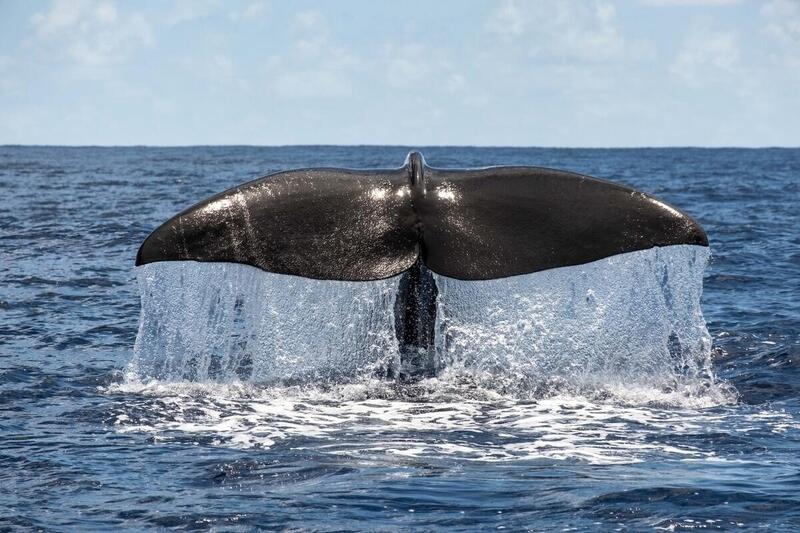
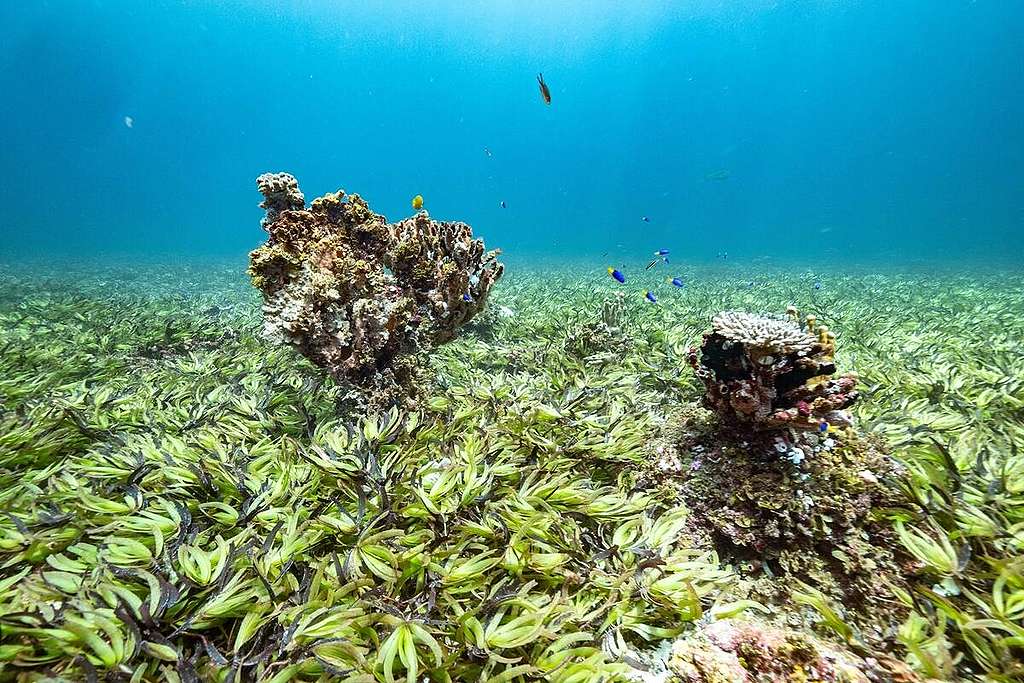
All of these things are in danger because of human destruction, but if we can create ocean sanctuaries covering 30% of the oceans, it will give marine life space to recover and ensure delicate habitats like colourful reefs are teeming with life or underwater golden forests are protected from the most destructive forms of industrial fishing.
The agreement of this Treaty is a powerful symbol that protecting nature can still triumph over geopolitics. We live in a divided world, but countries put aside their differences and agreed a strong Treaty text that prioritises protecting the oceans, over exploiting them.
But this Treaty is just a starting point. It’s been a long voyage to get us here, but we can’t stop now. Now the Treaty needs to come to life at sea.
However, we can’t use the Treaty to deliver ocean sanctuaries unless the same governments which agreed to the text sign it into national law – this is called ratification.
For the Treaty to enter into force, at least 60 governments need to ratify it, and they must do so in record time to keep the 30×30 target alive. This means aiming to have the Treaty ratified by the UN Ocean Conference in 2025, leaving 5 years to use the Treaty to protect 30% of the oceans.
We have no time to waste. Once the Treaty is adopted, those governments which have done so much to deliver this historic moment must go back to their countries, and urgently pass the necessary legislation which will let them ratify the Treaty.
Once it’s ratified by 60 countries, the hard work of delivering ocean sanctuaries begins. We’ve come so far, and even if we still have a long way to go, together, we can win.
The world will watch this week as governments come together to adopt the Treaty. Then the race to ratification begins…
James Hanson is the Head of Communications & Engagement with the Protect the Oceans campaign with Greenpeace UK.