
#LiterallyNastyGas
It’s not about a fart, it’s a fossil gas problem.

Silently but deadly
The fossil gas industry is pushing massive projects across Southeast Asia and the Global South, locking us into a dirty, risky, and expensive energy system.
Countries like the US, Qatar, and Australia are ramping up production and targeting Southeast Asia, exploiting rising demand and declining domestic reserves.
They call LNG a transition fuel, but it’s volatile, globalised, and can become unaffordable or unavailable, proven by the 2022 gas crisis. Fossil gas wrecks the climate and threatens energy security. Southeast Asia cannot build its future on it, especially with better alternatives available.
Stop Fossil Gas Expansion
Watch Video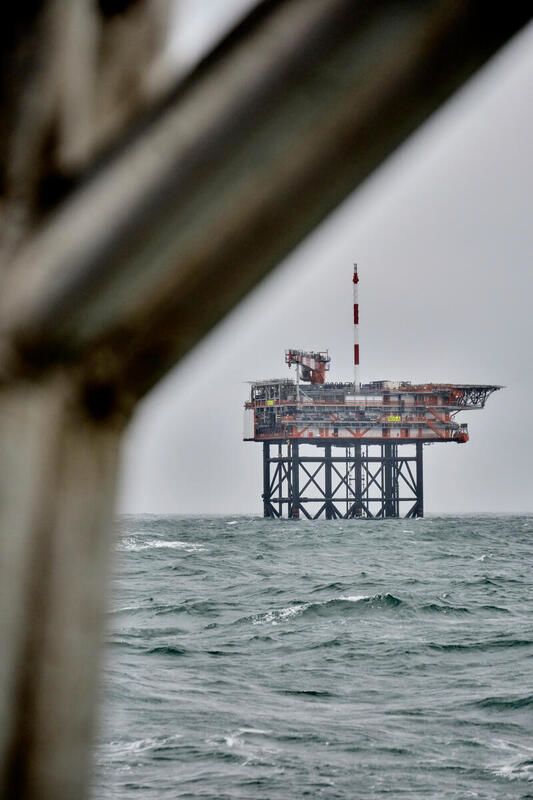
The real cost of gas
Gas might not smell but it certainly stinks. Fossil gas is wrecking the climate, emitting CO₂ and methane, which is 84 times more powerful than CO₂ over 20 years. Leaks happen throughout extraction, processing, and transport, making gas as bad or worse than coal.
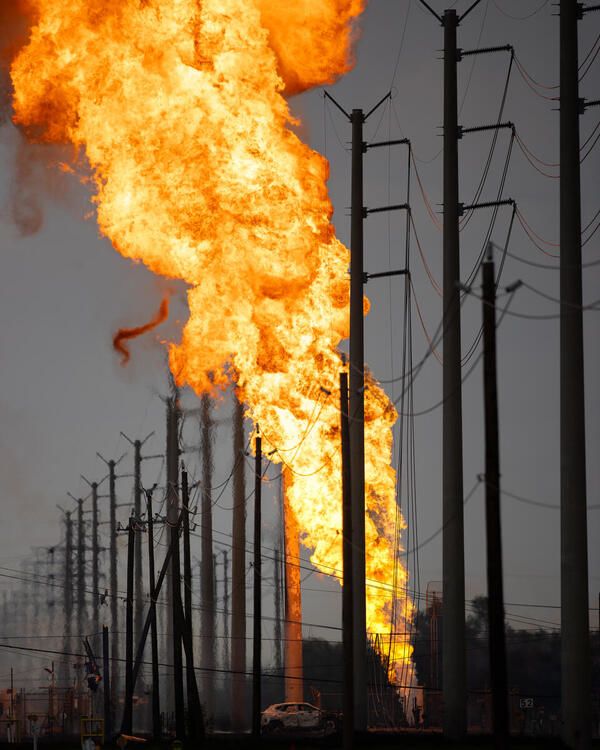
Fossil gas harms nature, destroying forests, oceans, and wildlife, and it threatens human health through toxic emissions and pollution. It’s dangerous too: explosions, fires, and earthquakes happen regularly along the gas supply chain.
In Southeast Asia, fossil gas projects are expanding fast, locking the region into a dirty, risky, and expensive energy system. LNG is not a transition fuel. It’s globalised, volatile, and can become unaffordable or unavailable, as seen in 2022.

The good news?
Southeast Asia is blessed with renewable energy potential. Governments must shift away from fossil fuels, invest in clean energy infrastructure, and work regionally to build a safe, affordable, and climate-friendly energy future.
-
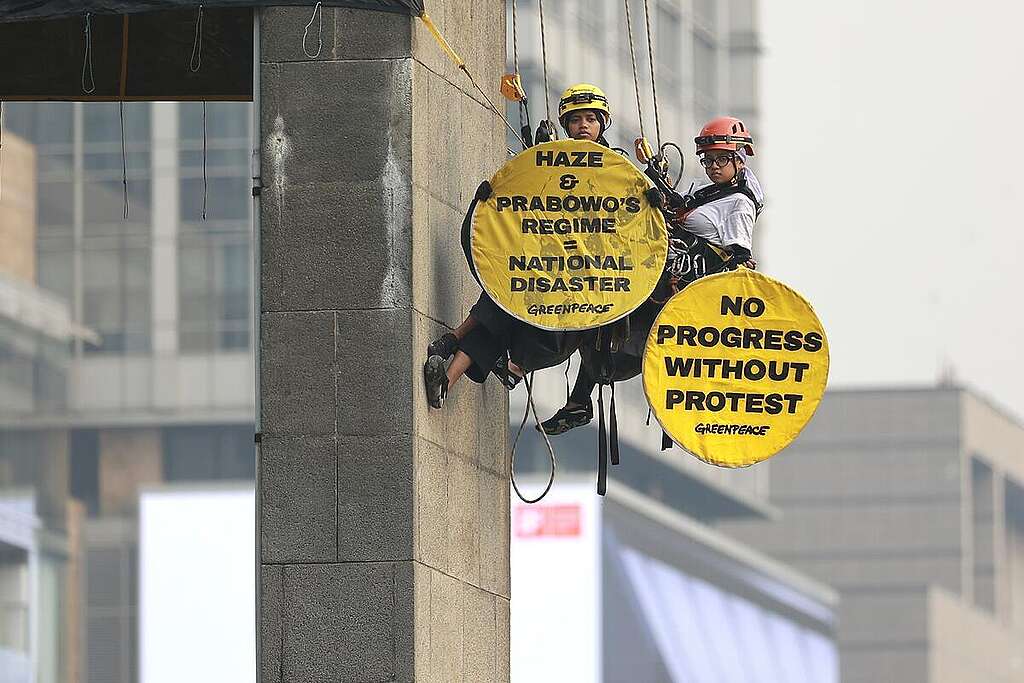
Indonesia’s protest ‘queens’ are a viral sensation. Here’s why their message on haze, climate and cost of living hits the spot
Courage and HOPE are contagious. As people protest around the globe to demand justice and a liveable planet. Greenpeace Indonesia’s climbers captured the moment.
-
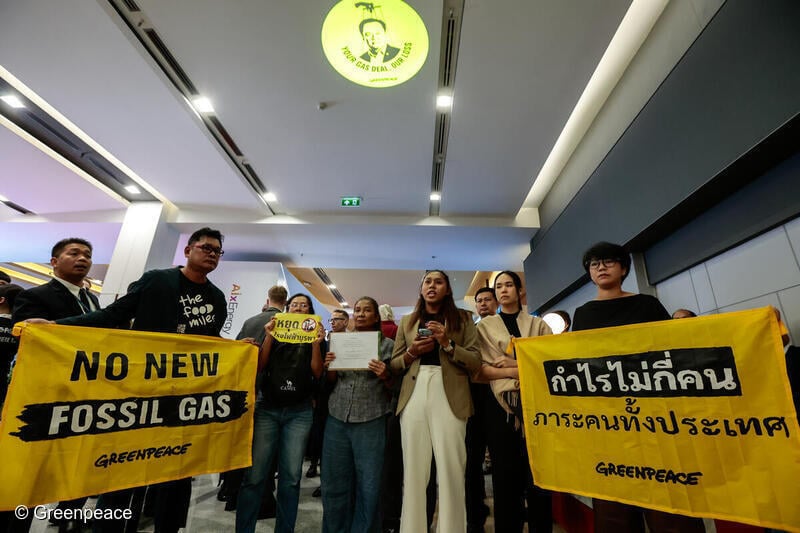
Gastech 2026 Ends with More Fossil Gas Expansion, Not the Energy Transition Thailand Needs
BANGKOK, THAILAND, 18 September 2026 – As Gastech 2026 comes to a close in Bangkok, Greenpeace Thailand expressed disappointment that a conference framed around energy security and the energy transition…
-
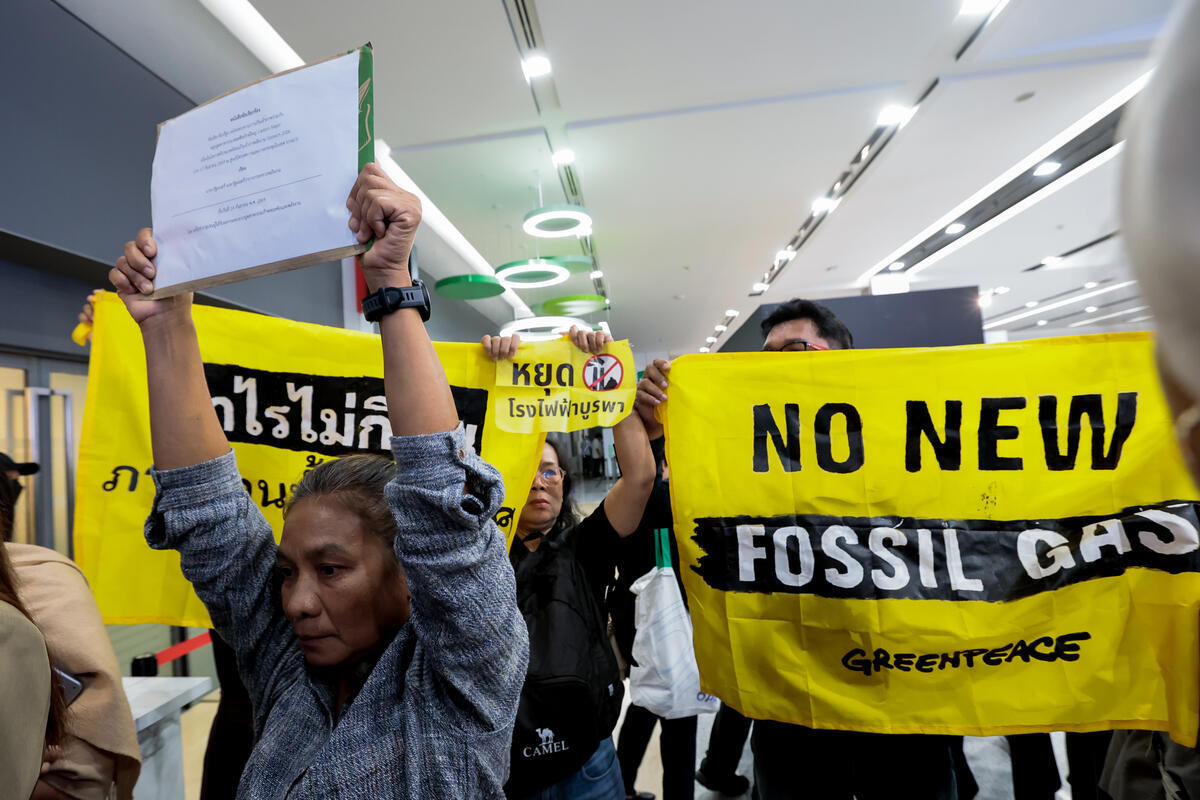
The Fossil Illusion: Asian Civil Society Exposes the Hidden Costs Behind Gas Expansion as Gastech 2026 Takes Place in Bangkok
As fossil gas companies, investors and governments gather for Gastech 2026 in Bangkok to promote new gas deals and infrastructure, civil society groups and frontline communities from across Asia gathered at the Foreign Correspondents’ Club of Thailand (FCCT) to bring another perspective to the discussion, exposing the corporate and financial interests behind continued fossil gas…
-
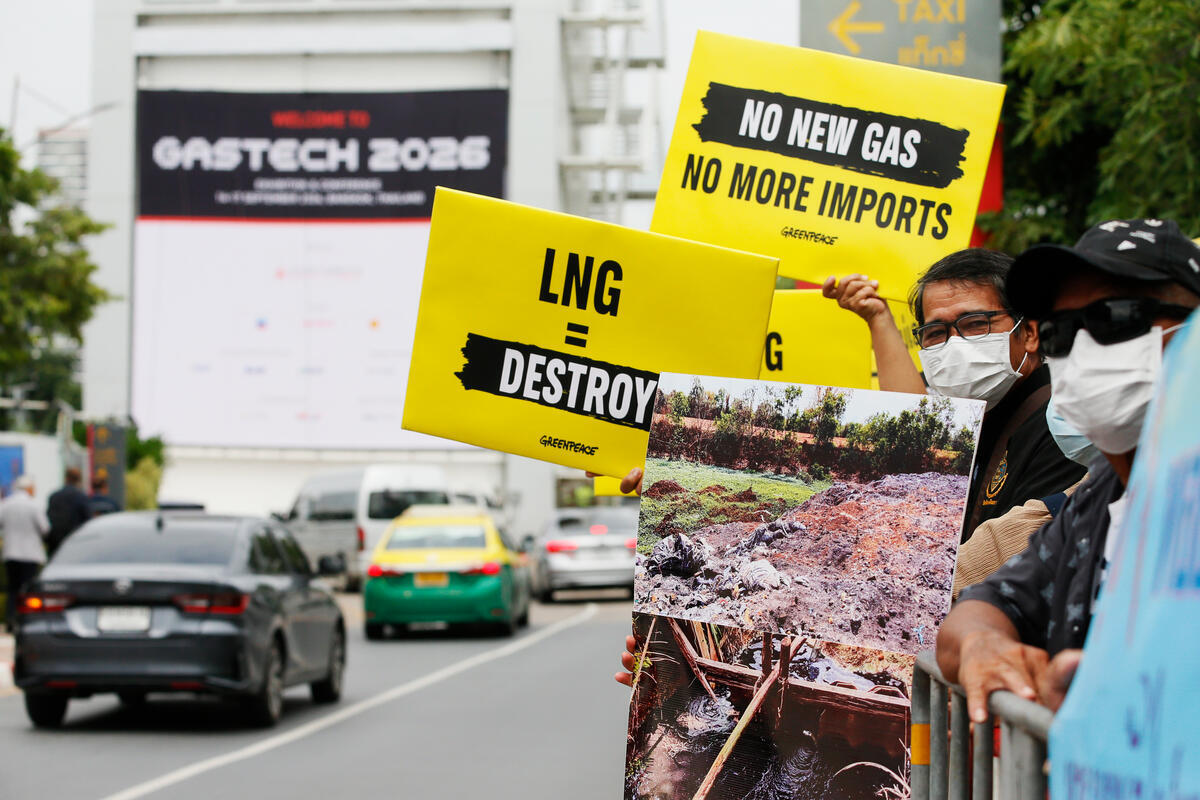
Greenpeace East Asia Slams Japan’s Gas Push and Outdated Auto Strategy at Gastech 2026 as a “Dangerous Climate Trap”
Reacting to speeches delivered today by Japanese government officials, including Tetsuya Azuma, Director at Japan’s Ministry of Economy, Trade and Industry (METI), at the Japan Energy Summit during Gastech 2026 in Bangkok, Greenpeace East Asia condemns Japan’s push to position fossil gas and fossil-fueled vehicles as drivers for regional growth and energy security.
-
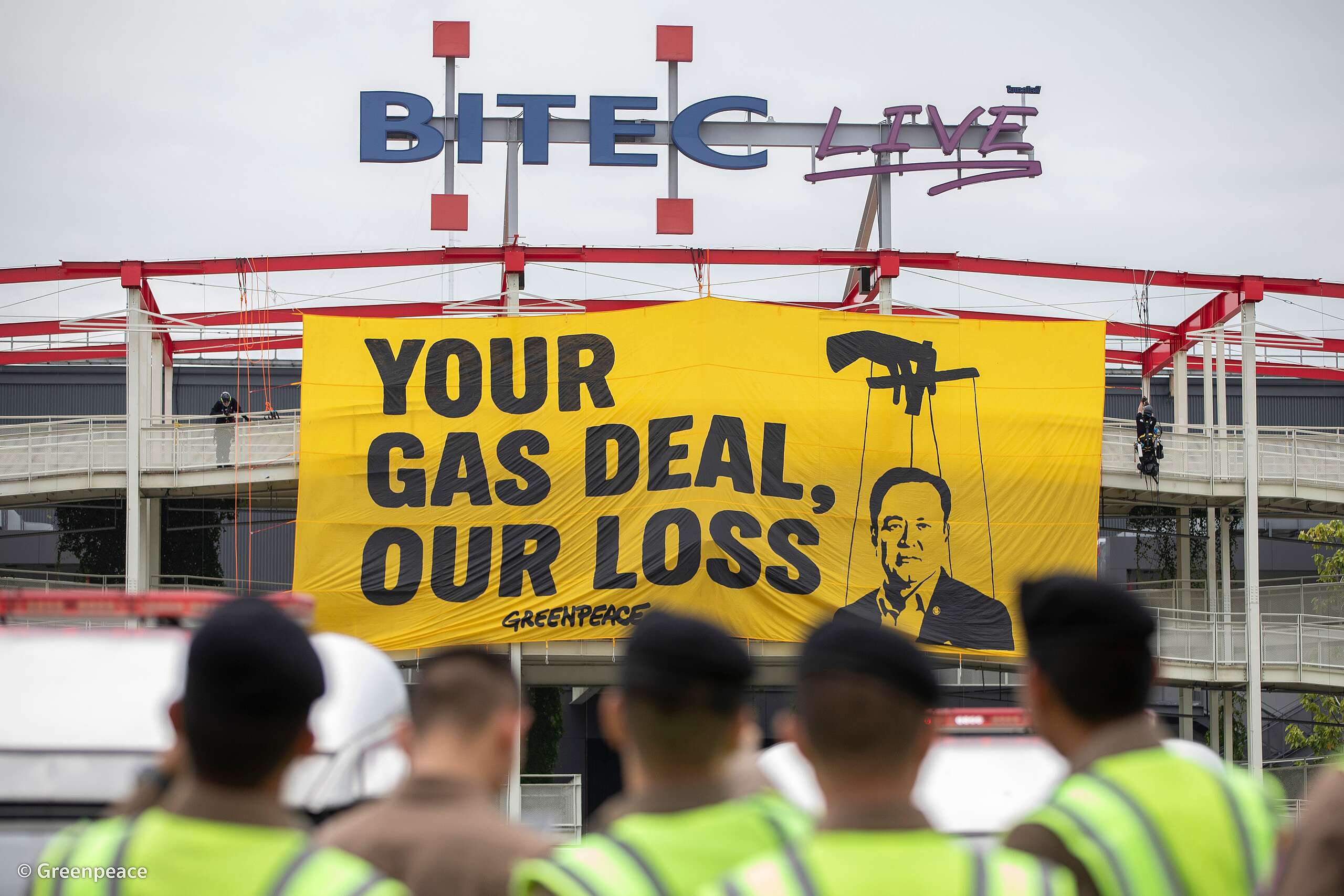
Greenpeace Thailand Calls Out Anutin’s Government at Gastech 2026: Stop Prioritizing Carbon Majors Over People’s Lives
Greenpeace Thailand activists unfurled a 17-by-7-meter banner with the message “YOUR GAS DEAL, OUR LOSS” at the opening of Gastech 2026 in Bangkok, calling out the Thai government and fossil fuel industry while challenging their promotion of fossil gas and LNG expansion as a solution for energy security, economic growth and the climate crisis.