
Against nuclear danger
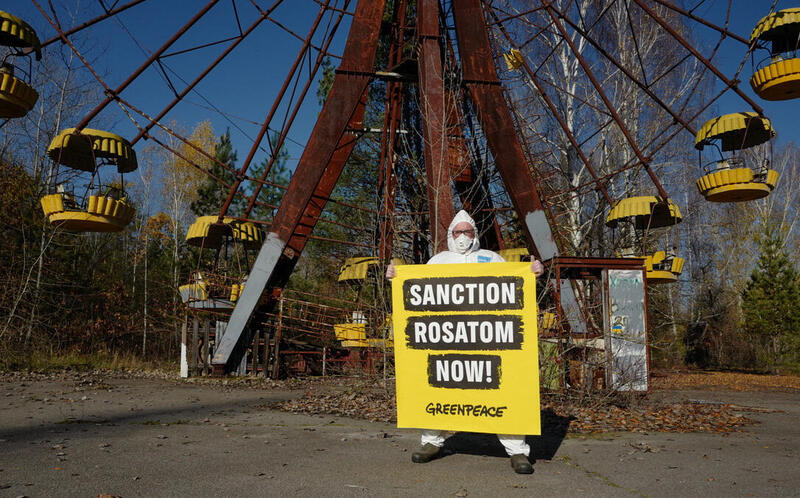
Greenpeace Ukraine’s work on nuclear issues began after the Chornobyl explosion. We were the first international organization to assess the impact of the Russian occupation of the Chornobyl zone. We also systematically monitor the Zaporizhzhia NPP and advocate for sanctions against Rosatom.
Chornobyl missions
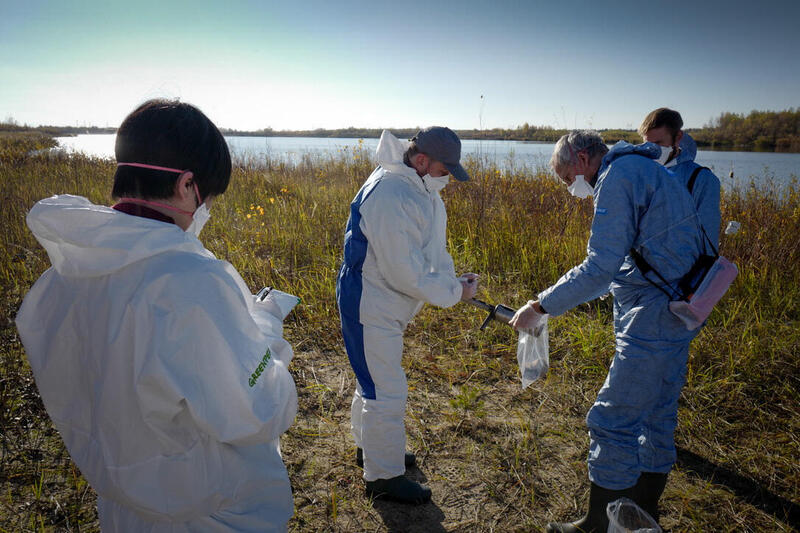
Greenpeace Ukraine team conducted two missions in Chornobyl since the invasion to have an independent assessment of the Russian occupation zone, and to discover new technological ways to research the long-term consequences of the disaster.
Monitoring radiation and the situation around Zaporizhzhia NPP
Since the Russian occupation of the Zaporizhzhia NPP, Greenpeace Ukraine has led independent investigations into the safety and security risks caused by Russia’s illegal attack and occupation of Ukraine’s largest nuclear power plant. The organization is also campaigning vigorously for sanctions against Rosatom and has carried out in‑depth research to identify and mitigate the threats posed by the occupied facility.

-

Unveiling the Potential of the Dnipro River on the Eve of International Dnipro River Day
On July 2, 2024, in Kremenchuk, Greenpeace Austria and Ro3kvit Urban Coalition for Ukraine presented the Dnipro River Integrated Vision — an extensive study highlighting the Dnipro…
-

Greenpeace Germany Study: Ukraine Needs a Solar Energy Marshall Plan
Berlin/Kyiv, June 8, 2024 – A new groundbreaking study reveals that it would be feasible and beneficial if Ukraine installs five times more solar energy capacity in the next three…
-

Truth Hounds: New report claims that the destruction of Kakhovka Dam is an environmental war crime
Kyiv, Ukraine – [6.06.2024] – On the first anniversary of the destruction of the Kakhovka Hydroelectric Power Plant (HPP), Truth Hounds (TH) and Project Expedite Justice (PEJ) are publishing a…
-
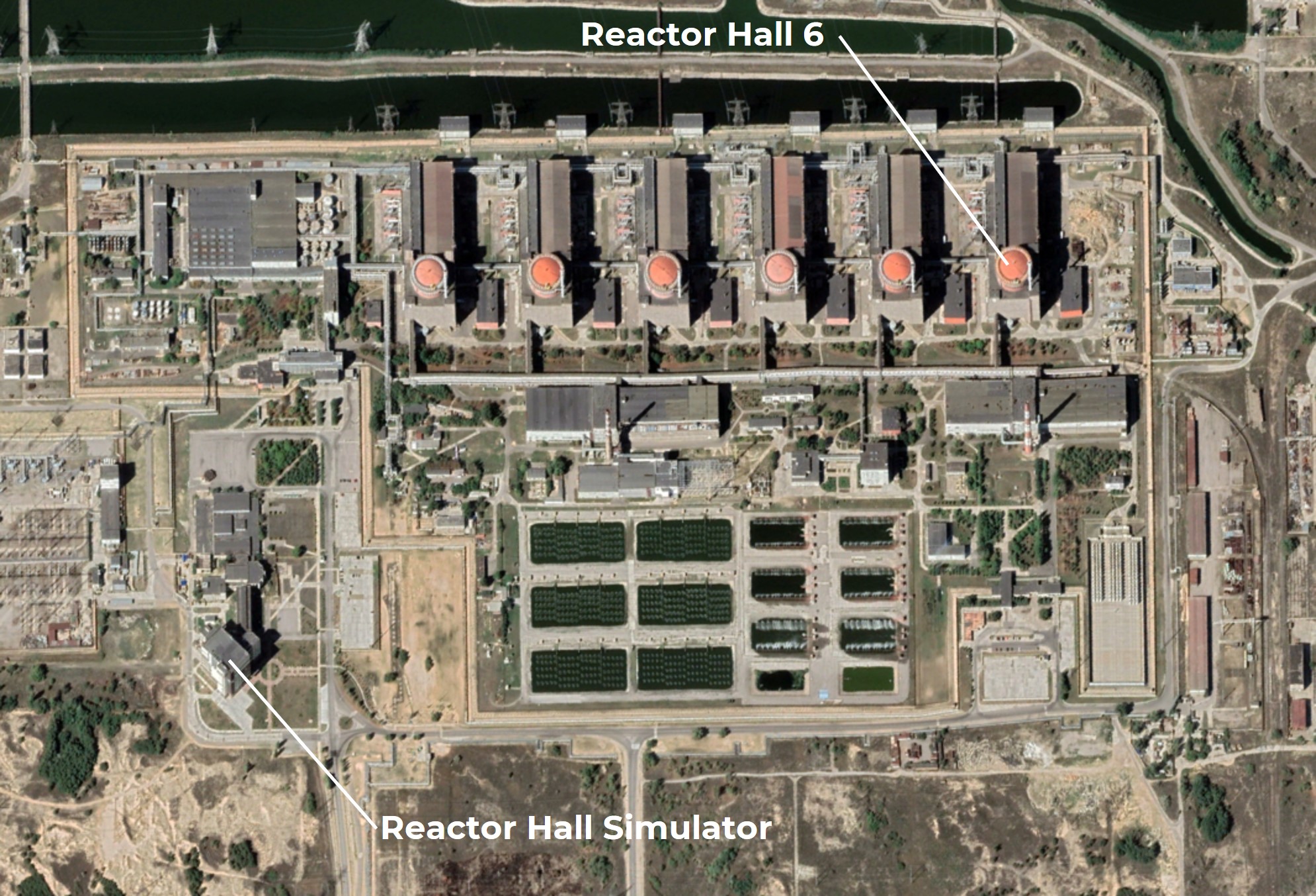
McKenzie Intelligence analysis published on Russian claims of drone attacks on ZNPP offers strong indications of staged false flag operation by Russia
Their preliminary assessment based on the limited publicly available imagery is that the drones are likely to have been launched close to the ZNPP and thus likely, but not conclusively, from within Russian occupied territory.

