
Nature protection
Nature is a silent victim of war. The Russian invasion has been causing huge damage not only to people but also directly to nature. Greenpeace Ukraine is continuously monitoring environmental war crimes and advocates for Russia to be held accountable for the damage.


Mobile Rescue Station in the Ukrainian part of the Carpathian mountains
European companies are complicit in the destruction of old-growth forests in the Ukrainian Carpathians, the timber from which is sold throughout the European Union. This is the shocking finding of a Greenpeace Austria research, including an expedition in the Ukrainian old-growth forests. The report, published in November 2022, revealed that less than 3% of critical ecosystems are strictly protected from industrial logging. The majority of the forests of the Carpathians are exposed to widespread logging and exploitation.
Our work on protecting the Carpathian forests is ongoing.
Mapping environmental damage
Greenpeace Austria, in collaboration with the Ukrainian NGO Ecoaction, has launched the “Environmental damage map.” It shows a set of cases of environmental destruction that were caused by the Russian war and should be considered by both the Ukrainian government and the European Commission’s Donor Coordination Platform for planning and financing future nature restoration. The data on severe damage was collected by Ecoaction and later confirmed by satellite imagery and mapped by Greenpeace Austria.

-
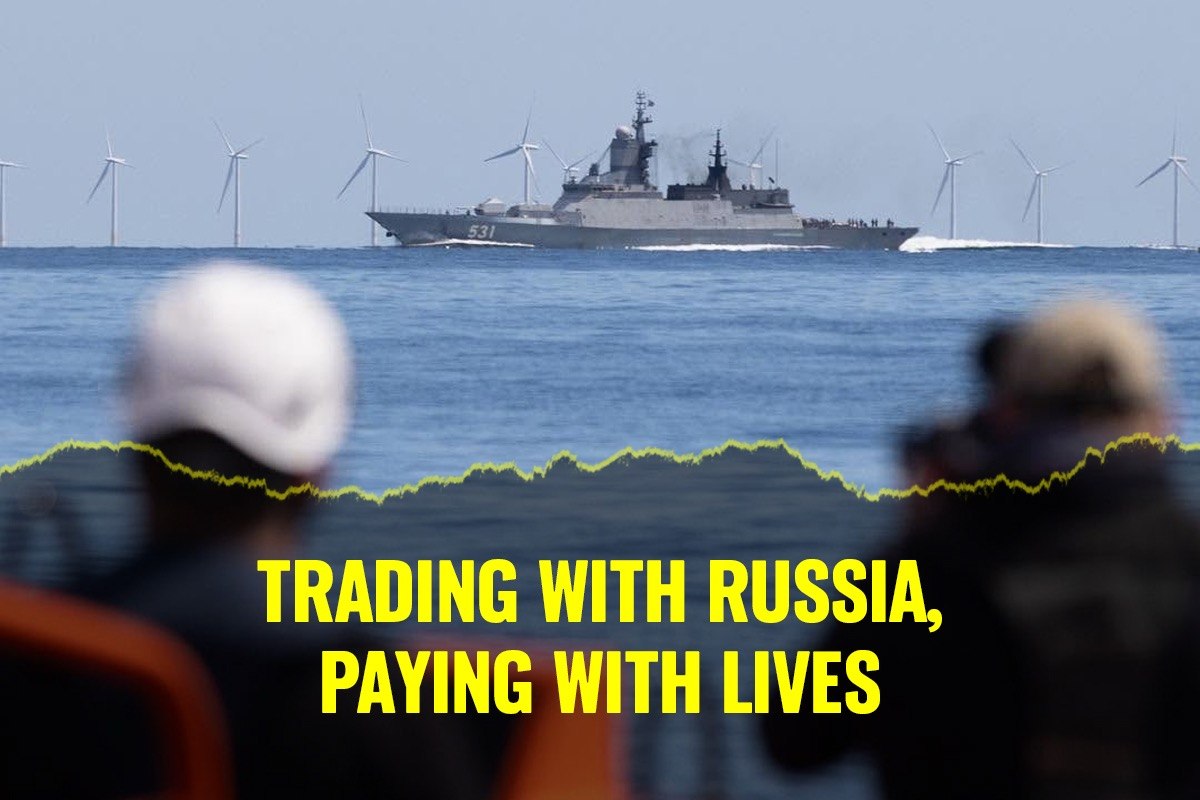
First Russian diesel shipment under Trump agreement is aimed at destroying international sanctions regime
Trading with Russia, Paying with Lives warns Greenpeace Ukraine
-
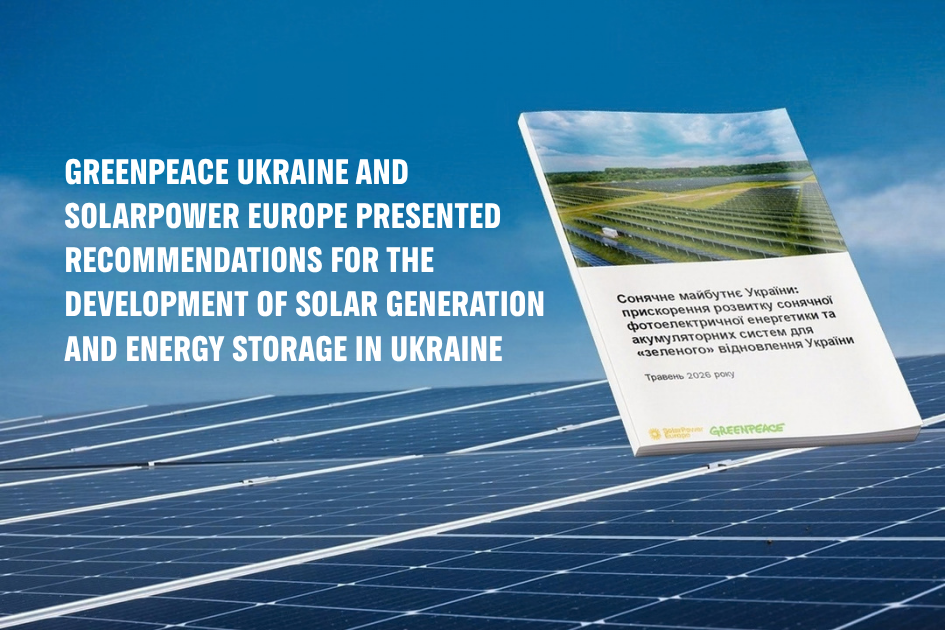
Solar Power and Energy Storage Should Be at the Heart of Ukraine’s Green Recovery — Greenpeace Ukraine and SolarPower Europe
Greenpeace Ukraine, together with SolarPower Europe, Europe’s leading solar energy association, has developed recommendations aimed at accelerating the deployment of solar power and energy storage systems in Ukraine. Their goal…
-

Russia is deliberately sabotaging electricity supply lines at Zaporizhzhia NPP as new Greenpeace satellite analysis exposes Moscow’s disinformation on Ukrainian attacks
More than half of ZNPP’s external power losses since 2022 occurred in the past seven months- new analysis of Greenpeace Ukraine finds no evidence of claimed Ukrainian strikes

