
Greenpeace Africa homepage
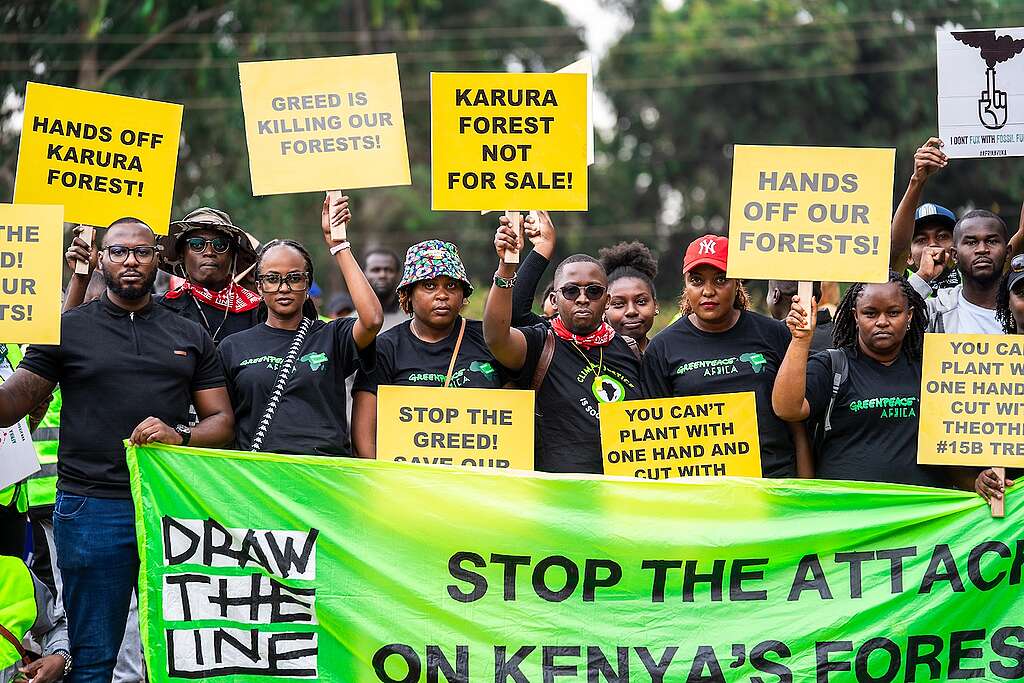
Stop the attack on Kenya's forests now!
Iconic Kenyan forests making up almost 10 times the size of Nairobi are under threat.
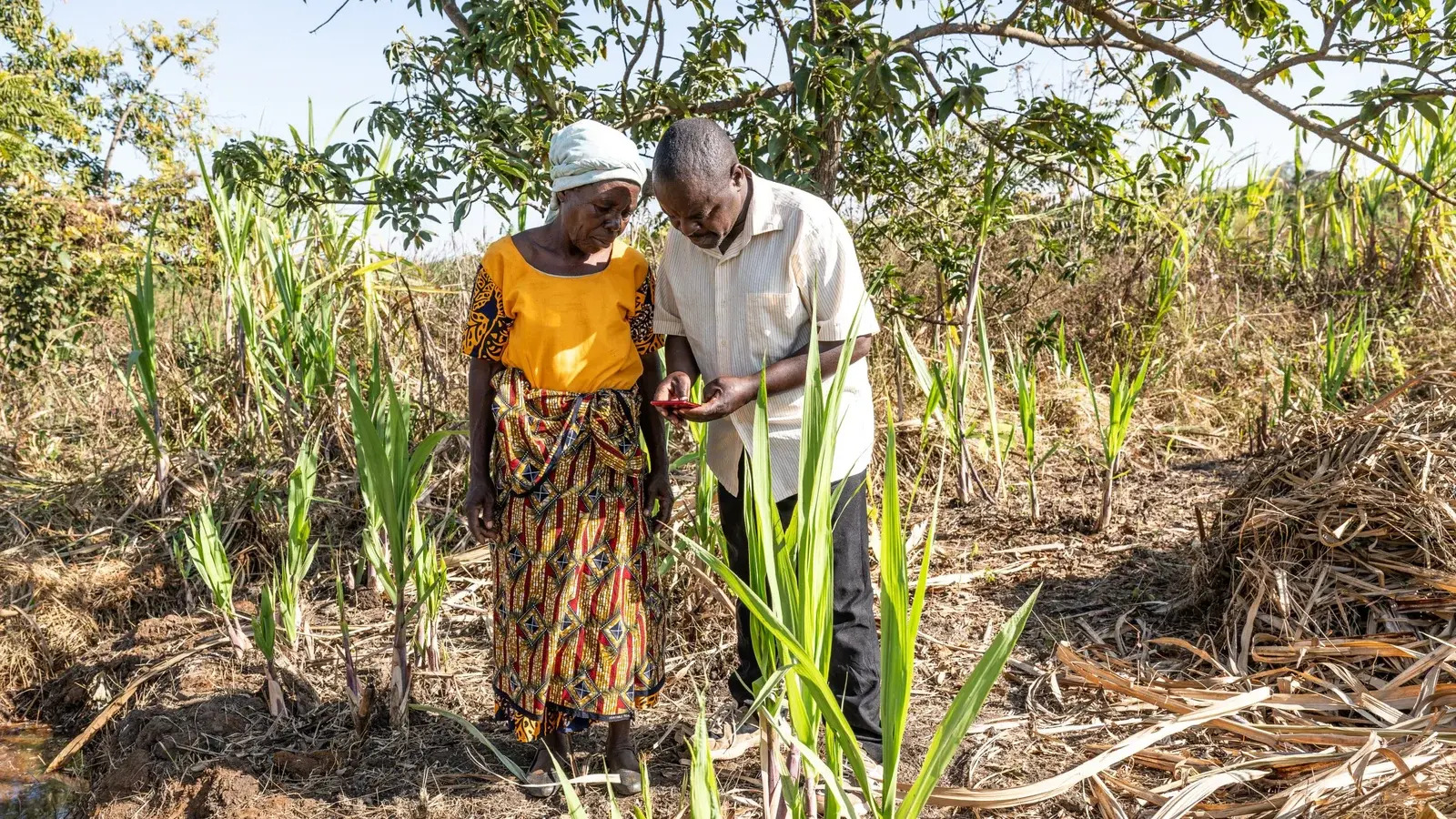

Your donation helps break that cycle – supporting diverse indigenous seeds that farmers can grow, save, multiply, and share, building lasting seed independence.
-
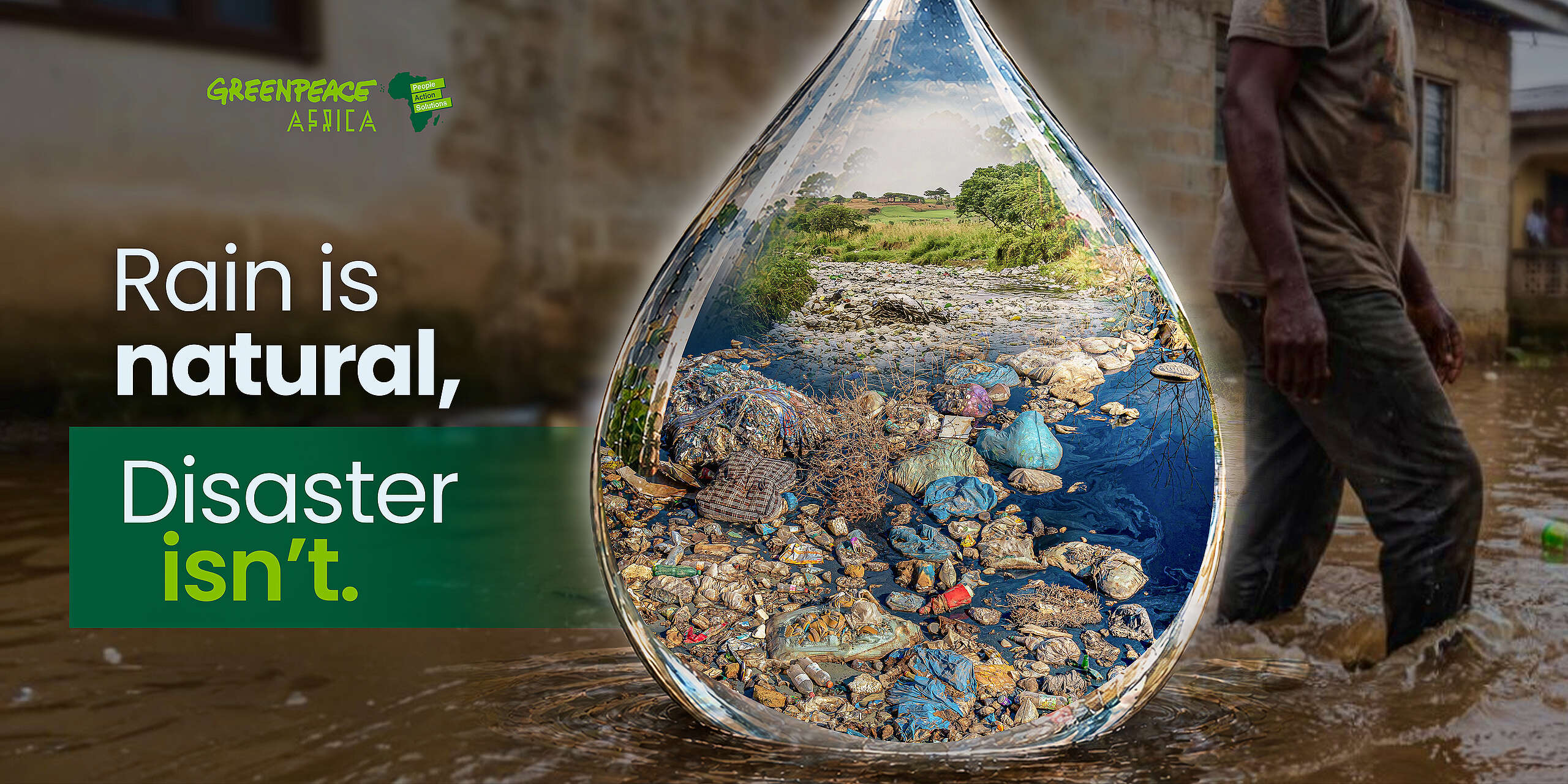
Rain is natural. Disaster should not be.
Heavy rain doesn’t have to become a disaster. What happens next depends on more than the weather.
-
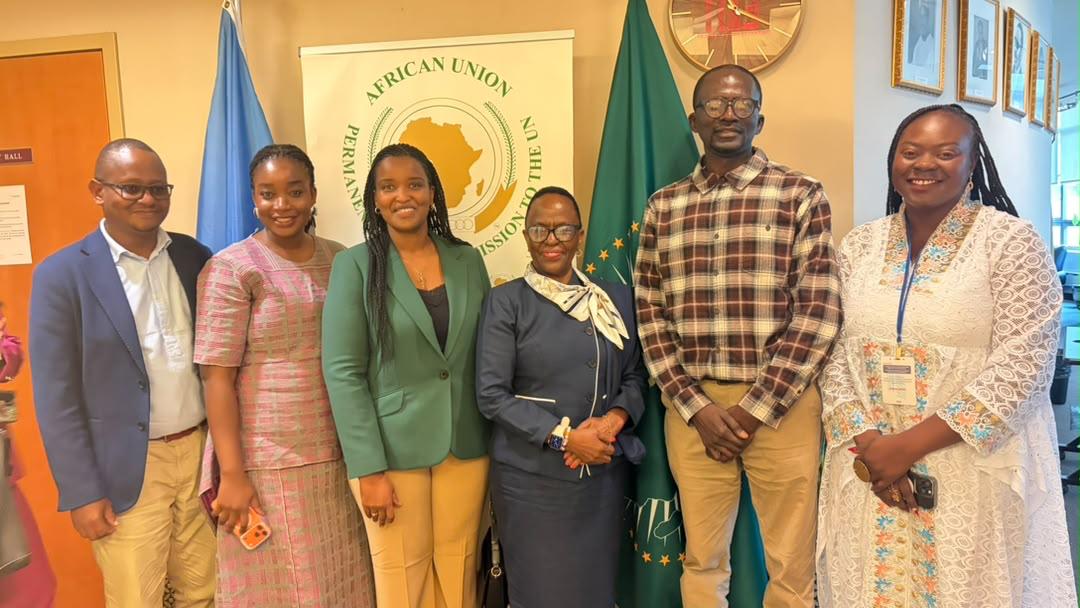
Beyond being invited: Africa’s geopolitical moment at UNGA 81
The 81st session of the United Nations General Assembly (UNGA) marked a subtle yet profound shift in how African leaders and advocates engage on the world stage.
-
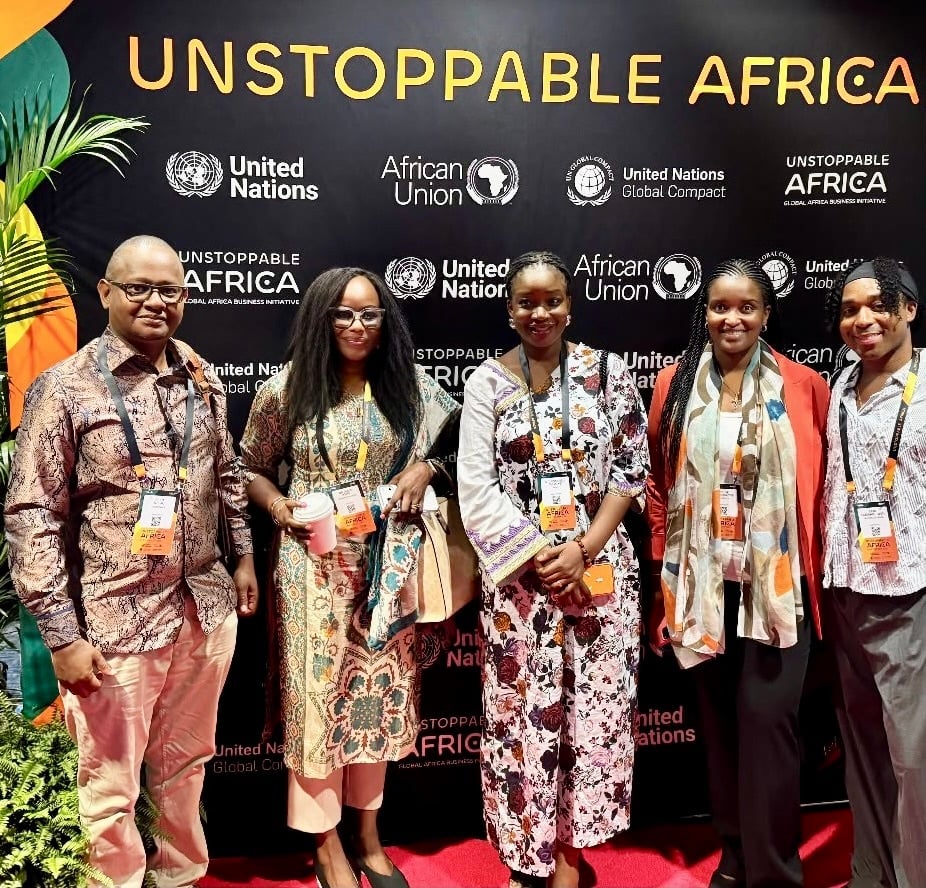
Unstoppable Africa: the continent that refuses to wait for the future
Africa is not waiting for the world to change. Africa is changing the world. From the energy of its young people and the ingenuity of its entrepreneurs to its vast natural resources, cultural influence, strategic minerals, and leadership in climate action, Africa is increasingly central to the conversations shaping humanity’s future.
TAKE ACTION
-
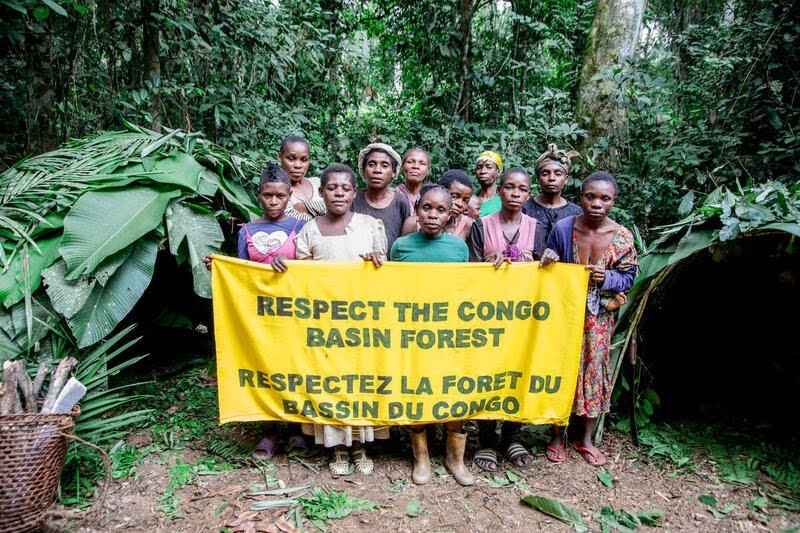
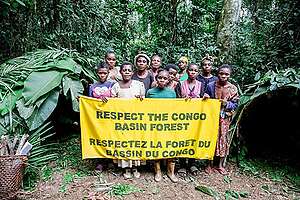
Protect world’s largest Forest Reserve
World’s largest Forest Reserve threatened by mining, logging, oil and gas. Let’s change that.
-

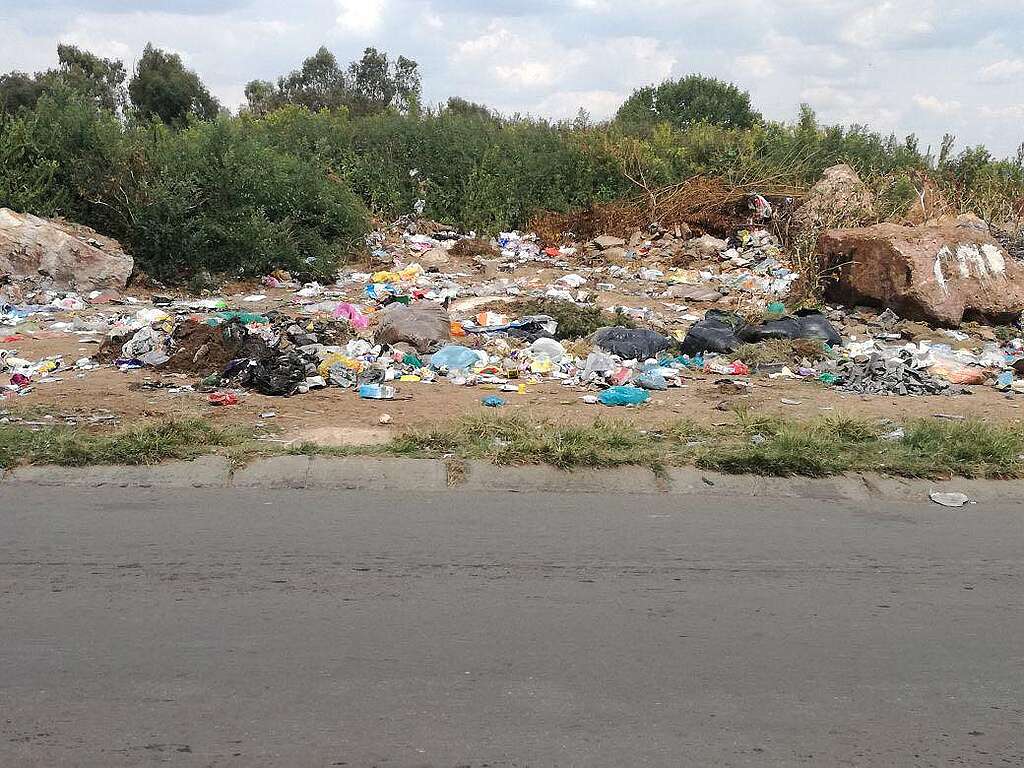
End the plastic pollution crisis in South Africa
Add your name now to demand that South Africa implement a total ban on unnecessary single-use plastic and invest in refill-and-reuse systems.
-
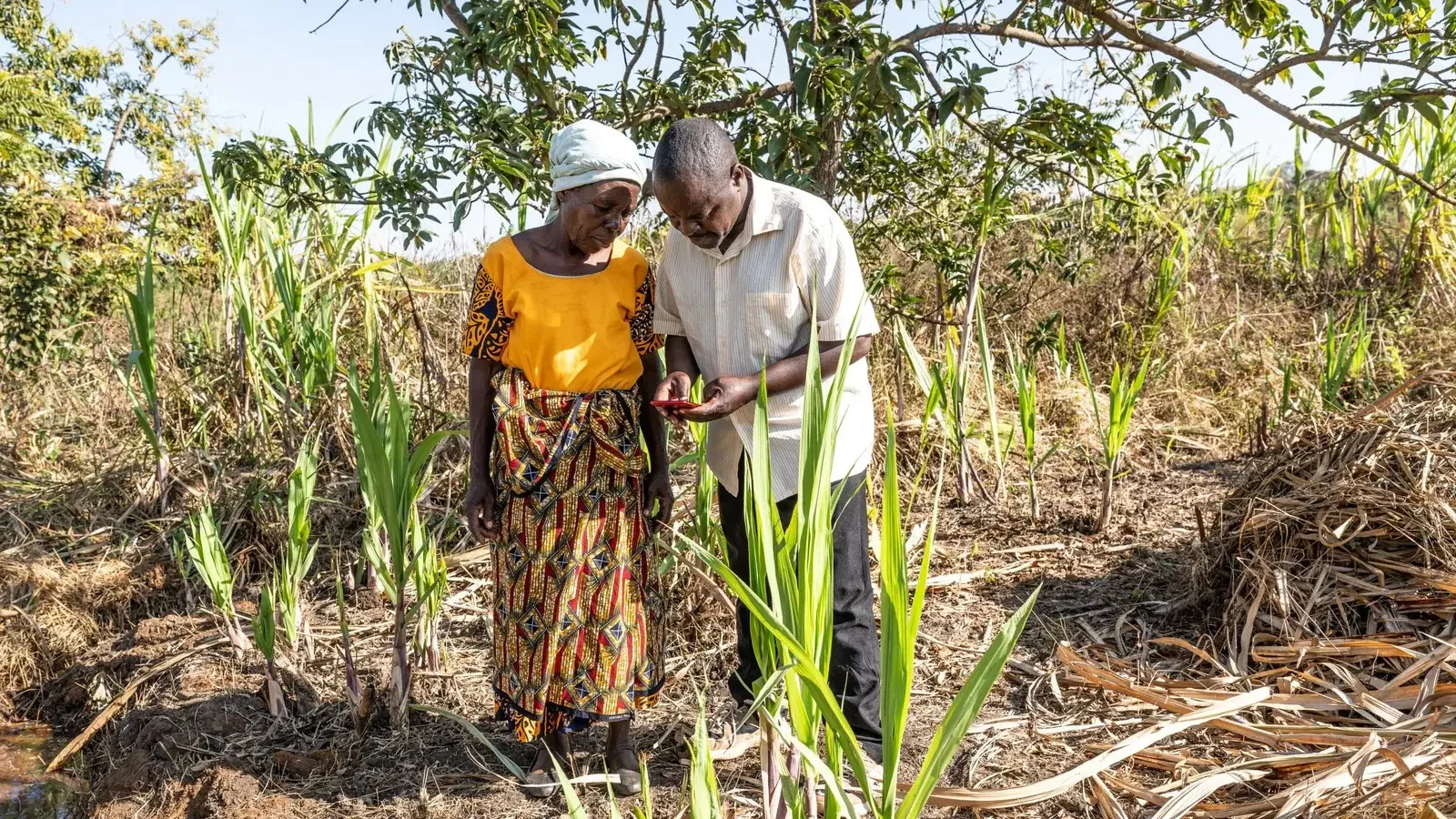
Legal poison! Ban toxic pesticides across Africa. Now.
Add your voice now, demand that African leaders ban the production, trade, and use of toxic pesticides across the continent.
-
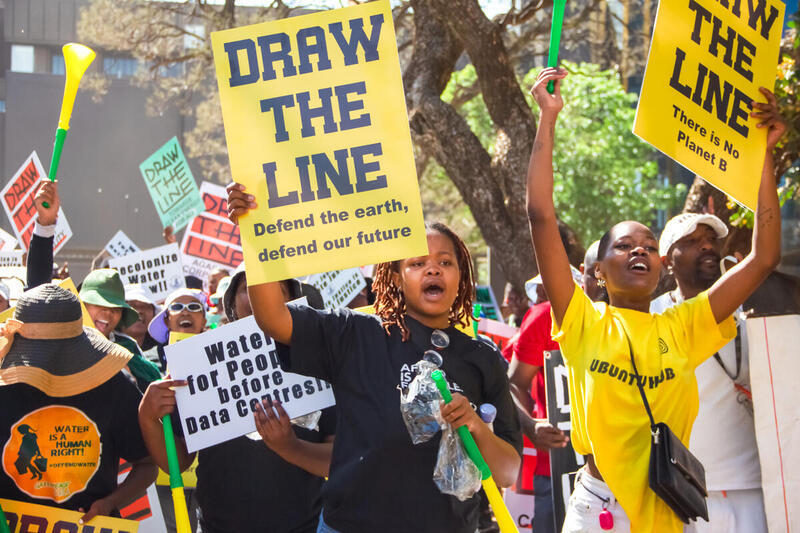
Support landmark change to African law across the continent
This is your moment to be part of history. Let’s tell the African Court to put climate justice into law.
-
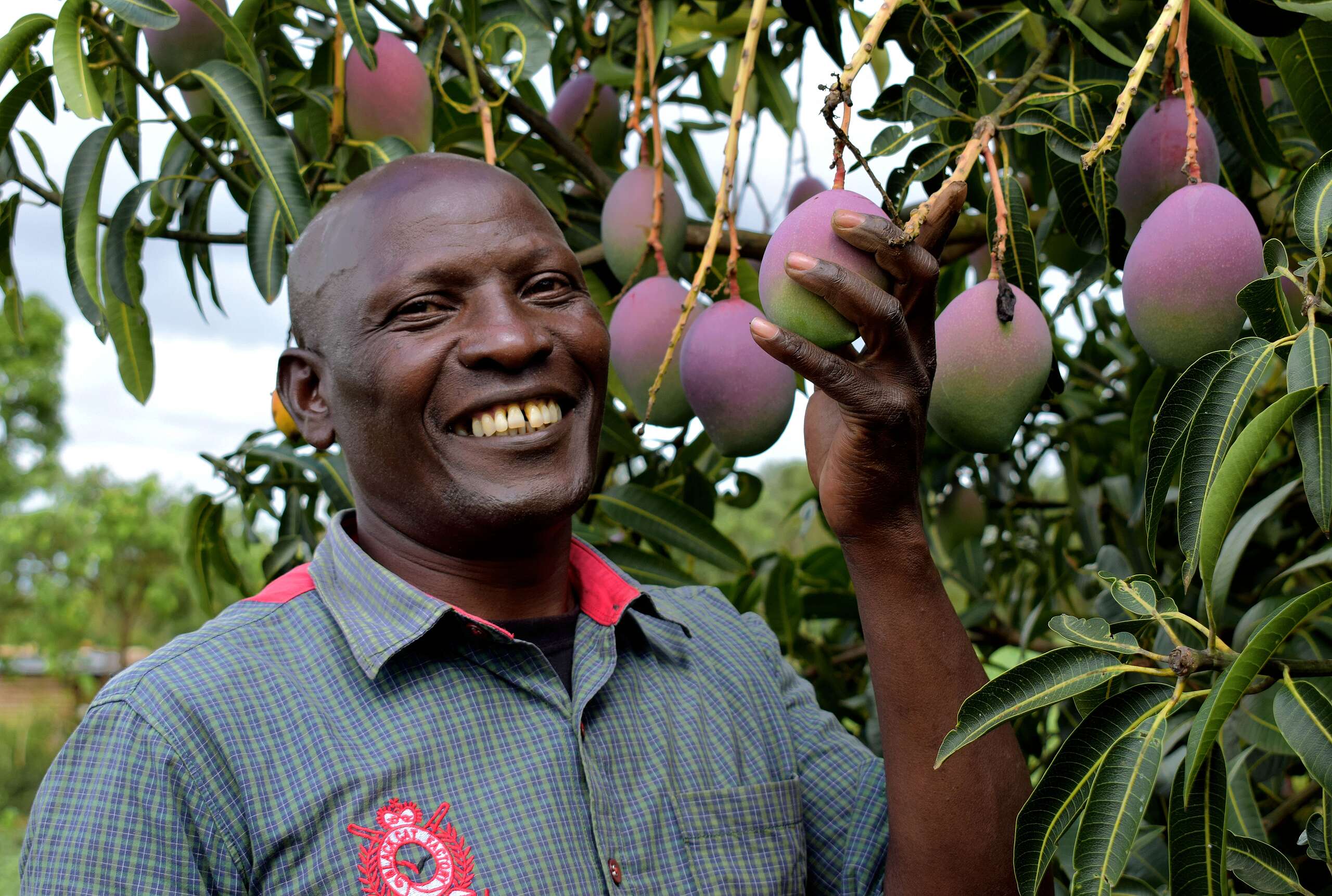
Seed is sovereign
Kenyan government: scrap law that JAILS Kenyan farmers for sharing indigenous seeds
-
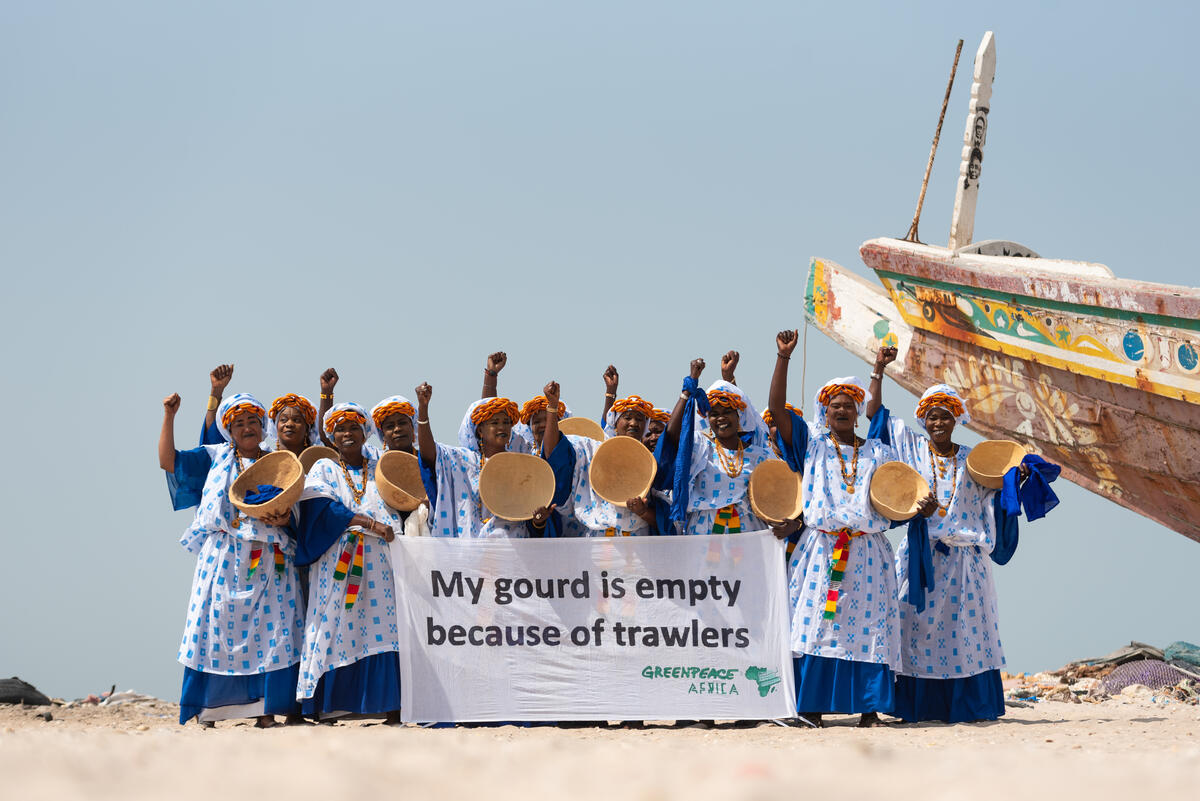
Stop the industrial plunder of West Africa
The industrial fishing lobby is powerful, and West Africa’s fishing communities can’t fight this battle alone.
-
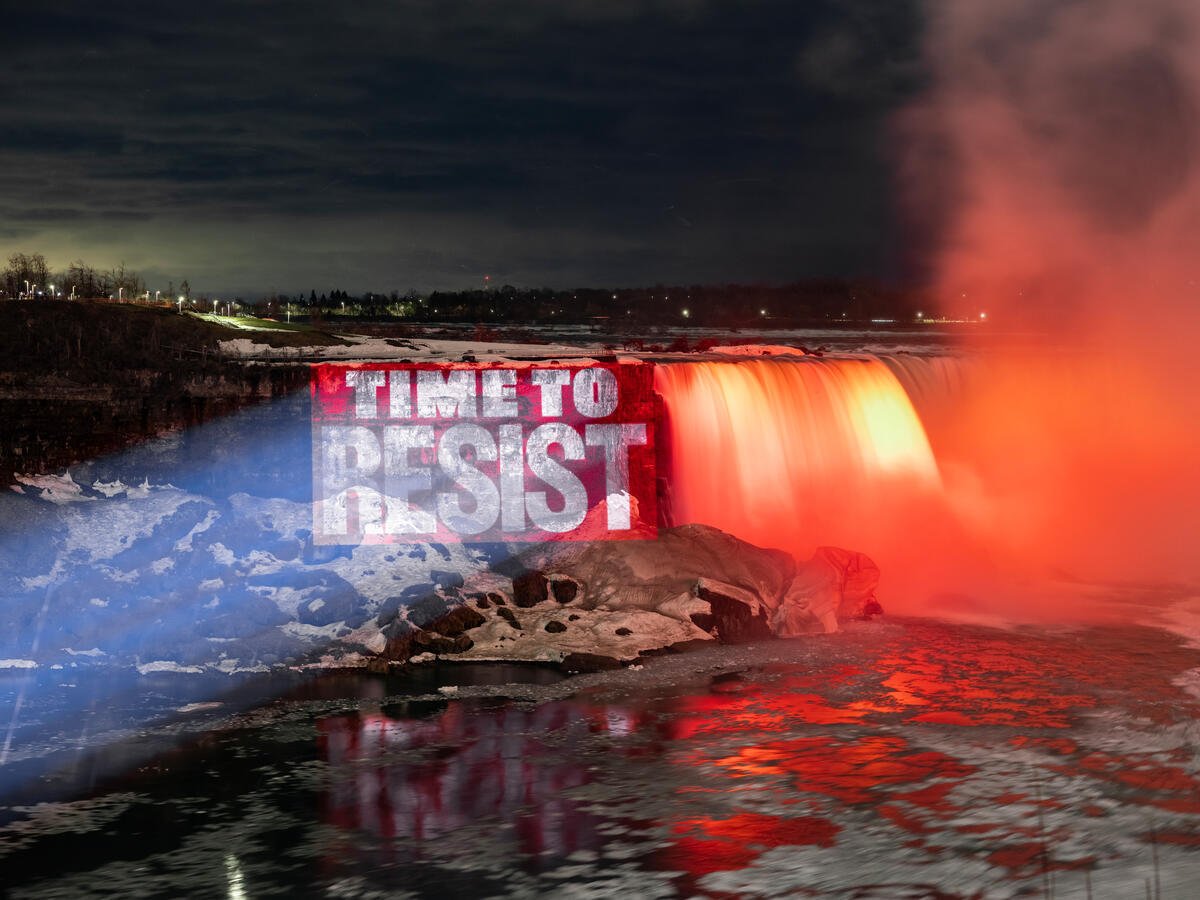
Time to Resist
Billionaires like Elon Musk were born in Africa but now use their power to infiltrate global politics, destroy the world and hurt the poorest in society.
-
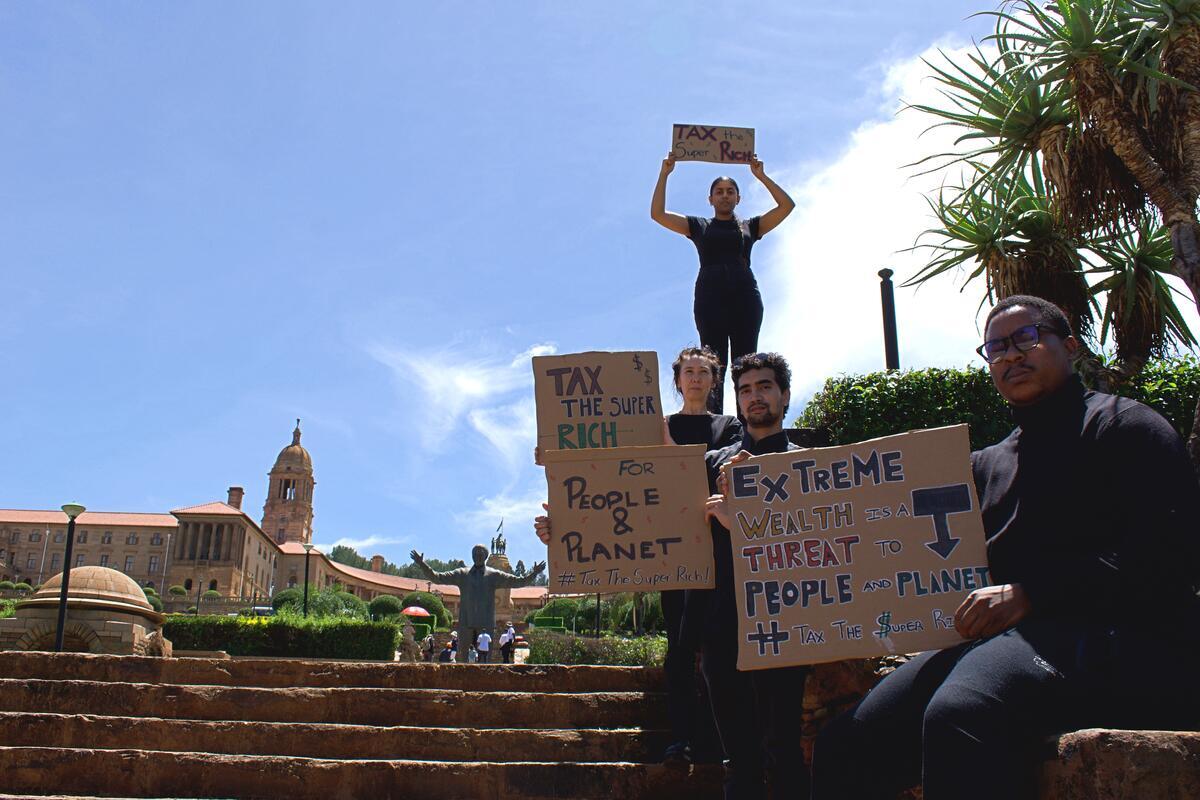
Wellbeing for All
The richest 1% have captured twice as much wealth as the 99% of the world’s population, between 2020 and 2023. The Finance Bill in Kenya would have ONLY managed to collect 2.68 billion dollars from the average person. While 480 BILLION DOLLARS are lost to tax abuse by billionaires and multinationals (including big oil corporations).
-
Stop the attack on Kenya’s forests now!
Iconic Kenyan forests making up almost 10 times the size of Nairobi are under threat.
-
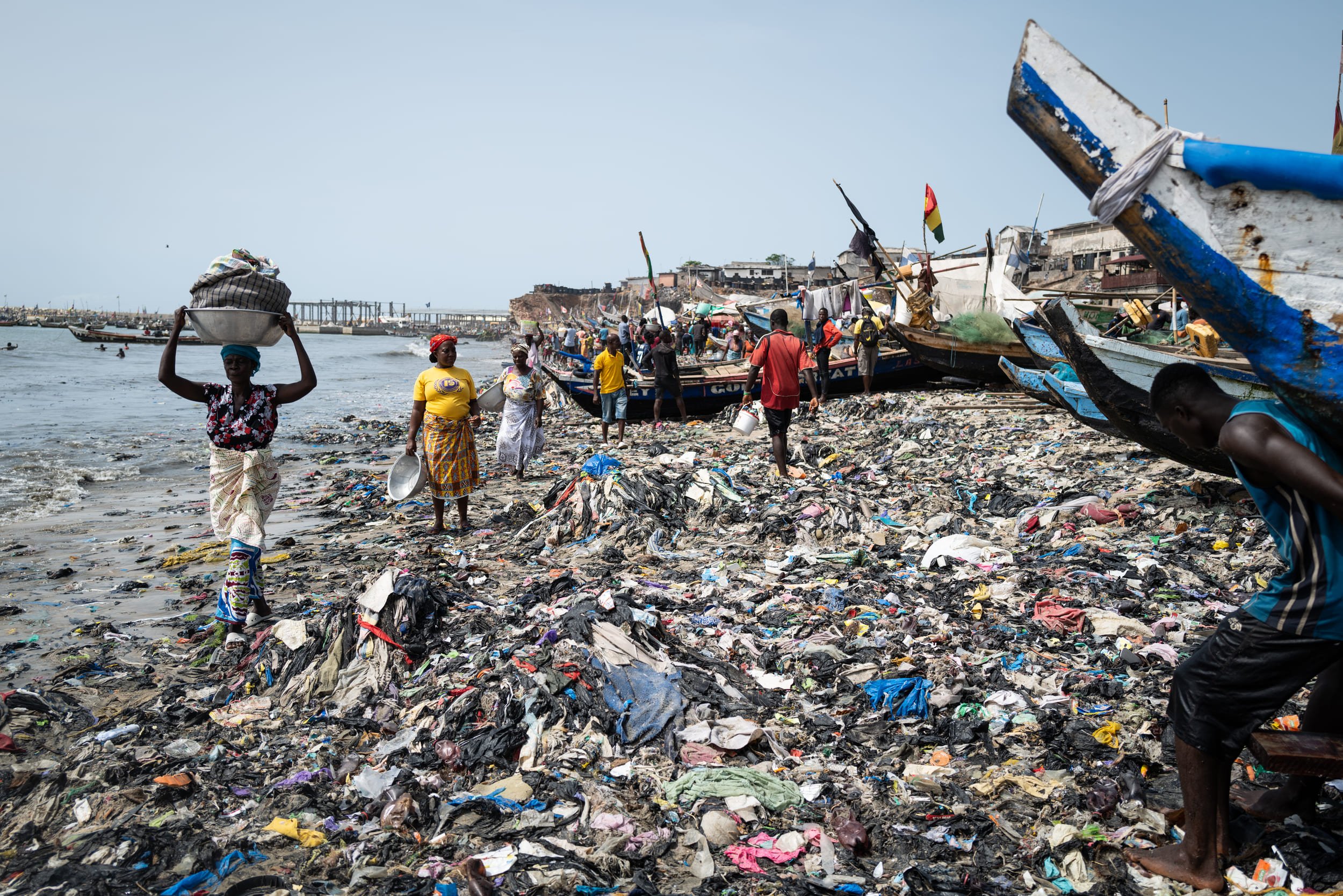
Stop Ghana From Becoming Europe’s Textile Waste Dumpsite
Enough is enough! Instead of importing the Global North’s fast-fashion waste problem let’s put African solutions first. Will you sign the petition now?