Forests

With 80 per cent of the planet's ancient forests already lost or degraded, the need for increased protection of the world's remaining forests is more urgent than ever. Forests help stabilize the climate, sustain life, provide jobs, and are the source of culture for many Indigenous communities. Greenpeace opposes destructive and unsustainable development in the remaining ancient forests in Canada and globally. To effect positive change and put lasting solutions in place, we challenge the global marketplace, engage consumers, pressure governments and work with industry to protect the Boreal Forest, the Great Bear Rainforest and the Indonesian rainforest.

Boreal Forest

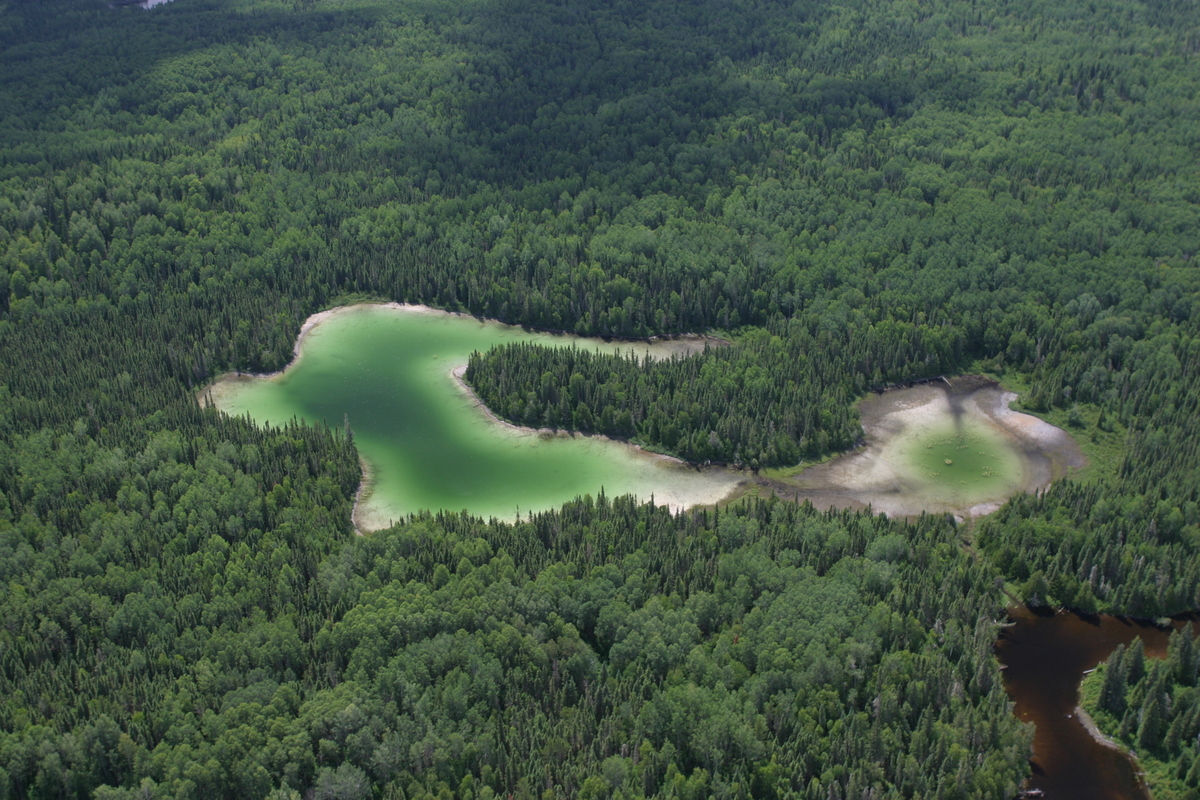
Stretching from coast to coast, the Boreal forest is one of the largest tracts of ancient forest in the world, encompassing more than half of Canada's landmass. It is a diverse and awe-inspiring landscape of granite outcrops, lakes, rivers and marshes, interspersed with pine, spruce, aspen and poplar forests. It is home to hundreds of First Nations and other communities, as well as threatened iconic species such as woodland caribou and wolverine. 

Great Bear Rainforest

The Great Bear rainforest represents one quarter of the world's remaining coastal temperate rainforest. It stretches along the mainland coast of British Columbia to the Alaska border and covers an area the size of Switzerland. The Great Bear rainforest is home to the rare white Spirit Bear, salmon streams and dozens of First Nations communities. Once wholly threatened with large-scale industrial logging, Greenpeace continues to work to ensure that the 2006 and 2009 Great Bear Rainforest Agreements are implemented for the rainforest's long-term protection.

Indonesian rainforests

Greenpeace campaigns to prevent the reckless destruction of Indonesia's remaining rainforests. We are doing so to protect endangered wildlife like the Sumatran tiger and orangutan, to support forest communities, and to stop greenhouse gas emissions from deforestation. One of the leading drivers of this forest destruction is Asia Pulp and Paper (APP), part of the Sinar Mas group of companies.

Clayoquot Sound

British Columbia’s Clayoquot Sound is an ecological treasure of regional, national and global significance. Its mountains, valleys and islands represent Vancouver Island’s largest intact ancient rainforest. Home to 45 known endangered, threatened and vulnerable animal species, Clayoquot’s forests are an invaluable haven for wildlife. In the early 1990s, Greenpeace joined fellow environmental groups, the region’s First Nations and the public to protect the intact old-growth rainforests of Clayoquot Sound from logging. However, despite increased protection, many of these ecologically intact areas remain unprotected and are still vulnerable to logging today.

The latest updates


Sonora Island & the Great Bear Rainforest: Protecting What Remains

Blog entry by Eduardo Sousa | May 21, 2013 3 comments

The Great Bear Rainforest is so vast that it’s taken me four years just to visit the extraordinary old-growth forested valleys and islands, and communities of the central and north coasts of British Columbia – Bella Bella, Bella Coola,...

Buyer beware, Resolute’s sustainability falls flat

Feature story | May 15, 2013 at 7:00

A new Greenpeace report concludes that Resolute Forest Products’s sustainability claims cannot be trusted and unveils to customers the false promises these claims contain.

Algonquin community defends their lands against Resolute Forest Products

Blog entry by Tina Nottaway | May 14, 2013

KWE, I am an Anishinaabe woman who speaks the Algonquin language fluently. I live in the la Verendrye Wildlife Reserve in Quebec, which is located two and a half hours north of Ottawa. This is where my roots have been for generations.

Protecting our land - the Mishigamish in the Broadback Valley in Quebec

Blog entry by Paul Gull & Steve Blacksmith | April 25, 2013

By Paul Gull, Chief of Waswanipi Cree Nation and Steven Blacksmith, Director of Natural Resources, Waswanipi Cree Nation The traditional traplines of the Cree First Nation of Waswanipi are located in Northern Quebec above the 49...

App it! Don’t trash it! App helps prevent forest trashing

Feature story | April 22, 2013 at 21:50

There’s a new free tool for making forest-friendly tissue product decisions!

1 - 5 of 168 results.

Topics