Forests

With 80 per cent of the planet's ancient forests already lost or degraded, the need for increased protection of the world's remaining forests is more urgent than ever. Forests help stabilize the climate, sustain life, provide jobs, and are the source of culture for many Indigenous communities. Greenpeace opposes destructive and unsustainable development in the remaining ancient forests in Canada and globally. To effect positive change and put lasting solutions in place, we challenge the global marketplace, engage consumers, pressure governments and work with industry to protect the Boreal Forest, the Great Bear Rainforest and the Indonesian rainforest.

Boreal Forest

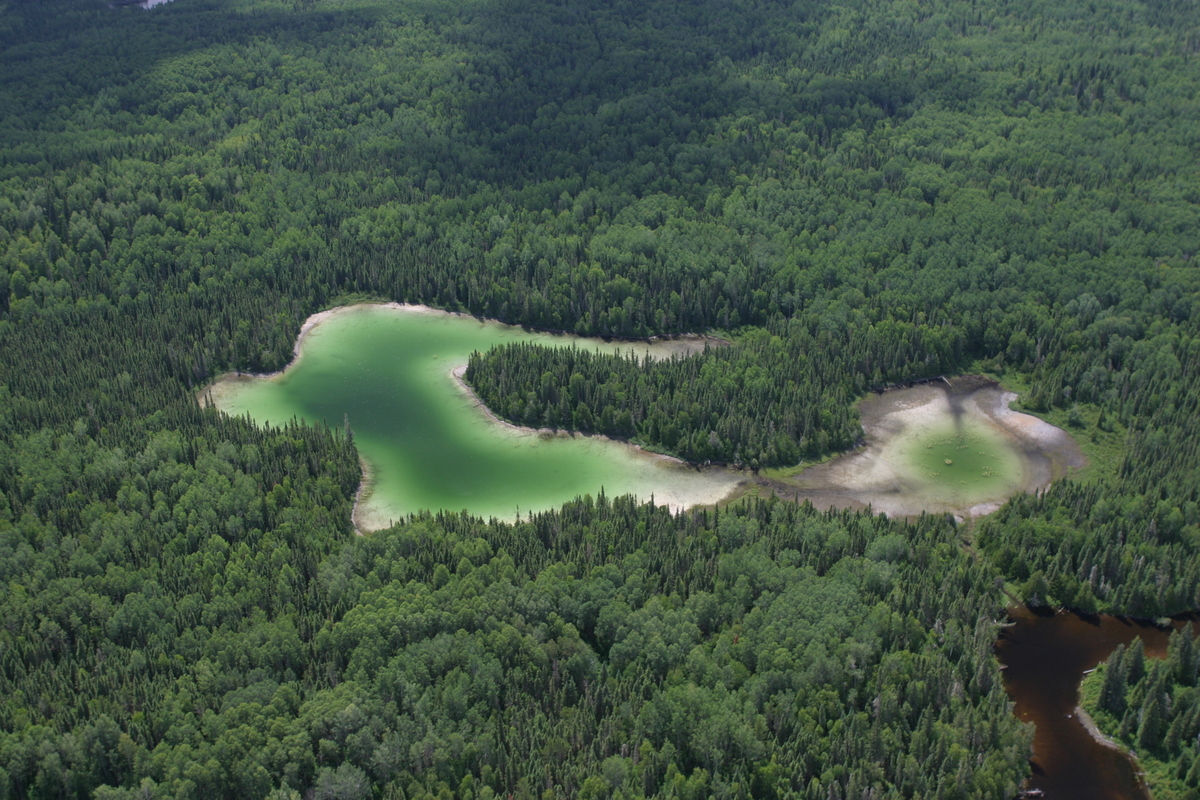
Stretching from coast to coast, the Boreal forest is one of the largest tracts of ancient forest in the world, encompassing more than half of Canada's landmass. It is a diverse and awe-inspiring landscape of granite outcrops, lakes, rivers and marshes, interspersed with pine, spruce, aspen and poplar forests. It is home to hundreds of First Nations and other communities, as well as threatened iconic species such as woodland caribou and wolverine. 

Great Bear Rainforest

The Great Bear rainforest represents one quarter of the world's remaining coastal temperate rainforest. It stretches along the mainland coast of British Columbia to the Alaska border and covers an area the size of Switzerland. The Great Bear rainforest is home to the rare white Spirit Bear, salmon streams and dozens of First Nations communities. Once wholly threatened with large-scale industrial logging, Greenpeace continues to work to ensure that the 2006 and 2009 Great Bear Rainforest Agreements are implemented for the rainforest's long-term protection.

Indonesian rainforests

Greenpeace campaigns to prevent the reckless destruction of Indonesia's remaining rainforests. We are doing so to protect endangered wildlife like the Sumatran tiger and orangutan, to support forest communities, and to stop greenhouse gas emissions from deforestation. One of the leading drivers of this forest destruction is Asia Pulp and Paper (APP), part of the Sinar Mas group of companies.

Clayoquot Sound

British Columbia’s Clayoquot Sound is an ecological treasure of regional, national and global significance. Its mountains, valleys and islands represent Vancouver Island’s largest intact ancient rainforest. Home to 45 known endangered, threatened and vulnerable animal species, Clayoquot’s forests are an invaluable haven for wildlife. In the early 1990s, Greenpeace joined fellow environmental groups, the region’s First Nations and the public to protect the intact old-growth rainforests of Clayoquot Sound from logging. However, despite increased protection, many of these ecologically intact areas remain unprotected and are still vulnerable to logging today.

The latest updates


Exposed: KFC’s secret recipe for rainforest destruction

Feature story | May 23, 2012 at 7:35

Greenpeace unveils KFC’s dirty little secret with a global campaign exposing KFC’s links to rainforest destruction. KFC has been using products in packaging sourced from rainforests, supplied by the notorious Asia Pulp and Paper (APP). Forensic...

Where is the forest protection in Asia Pulp and Papers ‘new’ forest protection policy?

Blog entry by Bustar Maitar, Forest Campaigner, Greenpeace SEA | May 15, 2012

This morning in Jakarta APP invited journalists to the launch of what it’s PR people grandly referred to as the ‘biggest announcement yet’ which would ‘reveal APP’s greatest commitment to natural forest protection as part of its...

New York City imports tar sands resistance

Blog entry by Stephanie Goodwin | May 13, 2012 1 comment

On May 8, a book published along Enbridge's proposed tar sands pipeline route launched in New York City. The Enpipe Line: 70,000+ kilometres of poetry written in resistance to the Enbridge Northern Gateway Pipelines proposal , was...

One year on: the good and bad of Indonesia’s forest moratorium

Blog entry by Yuyun Indradi | May 8, 2012

As an Indonesian, and an experienced political campaigner working for Greenpeace, I have felt the full range of emotions in recent years as I’ve fought to protect my country’s forests with my Greenpeace colleagues, friends from other...

Greenpeace Canada to denounce the "biomess" at the UN

Blog entry by Nicolas Mainville | May 7, 2012

Is wood energy good or bad? This is the question that will be asked in a policy debate held by the UN/FAO to many international stakeholders in Geneva this week. Greenpeace Canada will be representing the environmental community...

46 - 50 of 168 results.

Topics