Oceans

Life on our blue planet depends on healthy oceans, but recent reports warn that sea life faces the next mass extinction. Next to climate change, overfishing is the single greatest threat to marine biodiversity. Industrial fishing has reduced populations of large, predatory fish like tuna, cod and sharks by about ninety per cent in the last fifty years. Growing demand for seafood, wasteful fishing practices and mismanaged fish stocks and aquaculture operations are leading to broken links in marine food chains in Canadian waters and worldwide. Urgent action is needed to protect marine life and allow recovery. Greenpeace works to relieve pressure on ocean ecosystems and to establish a network of no-take marine reserves–ocean parks–covering 40 per cent of the world's oceans.

Tuna

Tuna

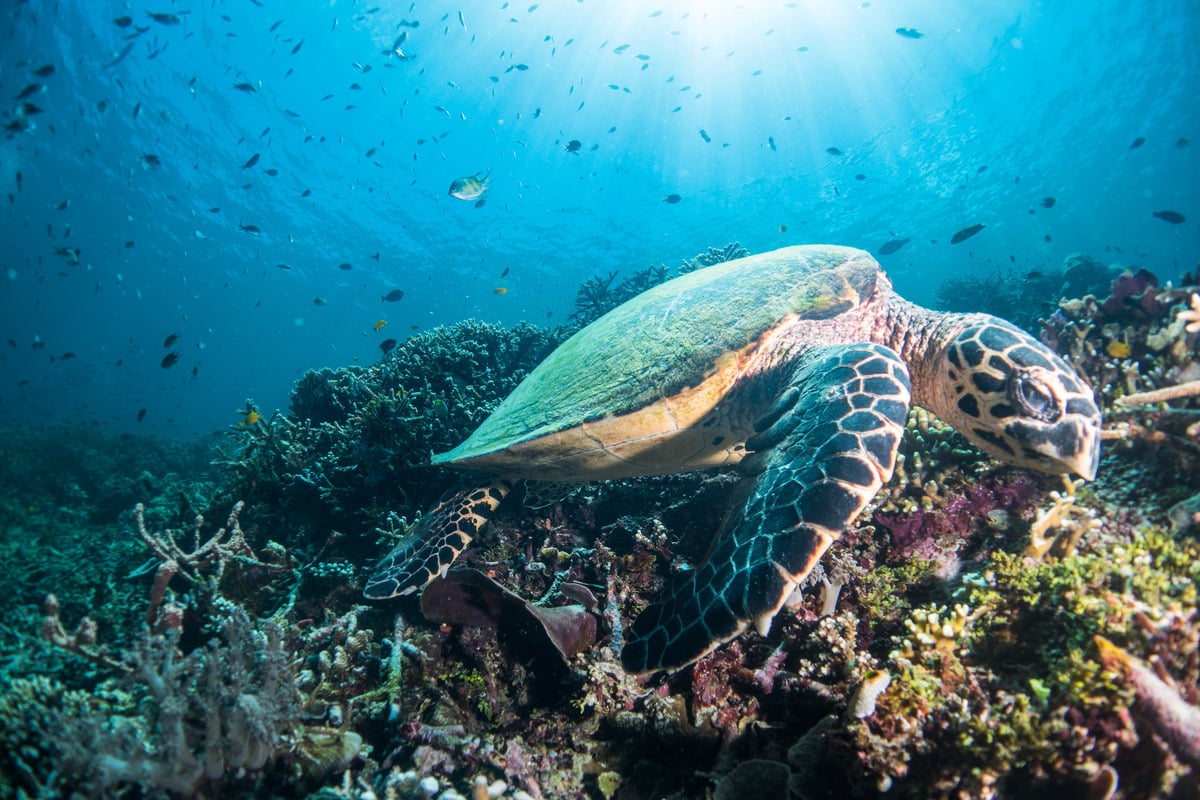
Greenpeace urges major canned tuna brands across the country to source only ocean-friendly tuna. Greenpeace also exposes brands unwilling to change their destructive ways. Tuna companies must stop sourcing tuna from overfished stocks and wasteful fisheries that kill far more than just the tuna in your can. Often sharks, rays, sea turtles and baby tuna from vulnerable stocks are caught through wasteful fishing methods. Much of the tuna on Canadian supermarket shelves is still caught by destructive methods, but a sea change is underway.Every year, Greenpeace ranks 14 of the largest tuna companies in Canada. See how they stack-up.

Supermarkets

Sustainable Seafood Markets

Greenpeace is calling on Canada’s major supermarkets to green how they source seafood and become ocean advocates. With sustainable seafood policies now in place with every major chain in Canada, Greenpeace pushes for an end to selling redlist seafood and irresponsible procurement practices. As the middlemen between consumers and seafood producers, supermarkets play a pivotal role in cleaning up the supply chain and pushing for positive change in our oceans.


The latest updates


Libyan conflict poses threat to tuna populations

Blog entry by Meaghan Krohn | May 24, 2011 1 comment

A recent National Geographic article detailed the interesting relationship between human conflict and fish populations. Historically, during periods of conflict, decreases in fishing activities led to sharp increases in predatory...

Greenpeace US releases new supermarket ranking report

Blog entry by Sarah King and Casson Trenor | April 16, 2011

Greenpeace US has released its 5th supermarket ranking report and this year Safeway US came out on top with a score of 64%. As Greenpeace Canada gears up for our 2011 and third ranking report, it looks like it's going to be a close...

International Unsustainable Overfishing

Blog entry by Sari Tolvanen, Greenpeace International | March 4, 2011

Despite the crisis facing our oceans , we often hear excuses from industry players: telling us that we do not need urgent changes to rescue our seas or proposing measures that sound good but when examined closely would fail to do much...

Costco makes a move toward ocean protection

Blog entry by Sarah King | February 28, 2011

Costco Canada has officially released an updated sustainable seafood policy and removed various Redlist species from sale in the U.S. and in Canada. This marks the last of Canada's major supermarket chains to commit to moving away from...

Canada’s major canned tuna brands not stacking up on sustainability

Feature story | February 1, 2011 at 0:30

Greenpeace Canada today released its first sustainability ranking of 14 major tuna brands sold in Canada, as industry representatives convene at the annual Seafood Summit in Vancouver.

41 - 45 of 188 results.

Topics