
In the politics of climate change, it doesn’t get much bigger than this. The world’s biggest emitter last night announced how it intends to reduce its carbon emission beyond 2020.
China has joined 41 other nations to unveil its ‘Intended Nationally Determined Contribution’, or INDC in UN jargon. These are documents that every country attending this year’s climate summit in Paris must submit. They are long and tedious, but we did the hard work for you.
Here are three simple takeaways.
1. China is joining the battle against climate change. This alone is BIG.
For years China believed that it was industrialised Western nations who bore the primary responsibility for fixing the climate problem. This view has changed. China is now a fully active participant in the battle to keep global warming in check. Last November, China announced its intention to peak CO2 emissions earlier than 2030 and to ramp up clean energy use to around 20% by 2030. This gave the world an important preview of its long term plan.
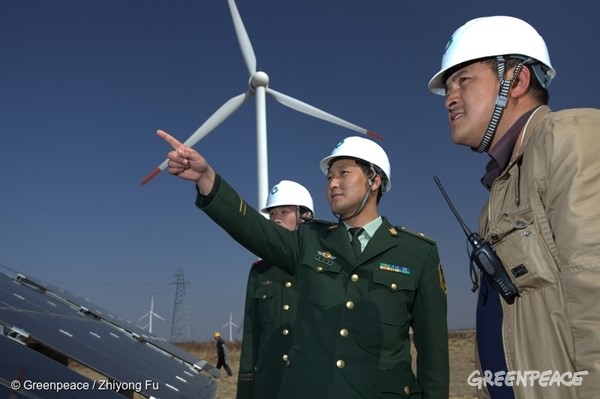
2. China’s energy diet: cutting the carbs!
China’s commitment does not go far enough however. China has pledged a new carbon intensity reduction target of 60-65% by 2030 based on 2005 levels. This means that it will further reduce the quantity of CO2 emissions per unit of GDP. But Greenpeace believes that with the decline of China’s coal consumption, which contributes close to 80% of China’s energy related CO2 emissions, China could and has to do more than what was pledged today.
China’s carbon reduction plan, coupled with the world’s other two major emitters, the US and the EU, is not enough to keep global temperature rises within two degrees, after which scientists warn our climate could spin out of control.
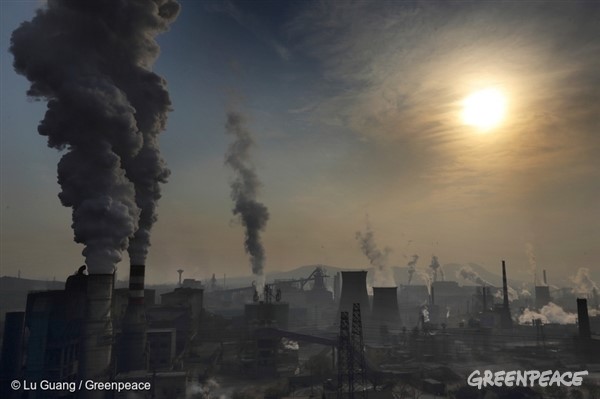
3. All eyes are on Paris. Will it deliver?
The announcement today marks huge progress, but it must be seen as the starting point for more ambitious actions. From our analysis, China’s commitments will have a large impact in the run up to Paris and after, but their ambition falls short of what we had hoped for and what is necessary to keep the world within the safe zone of a two degree temperature rise.
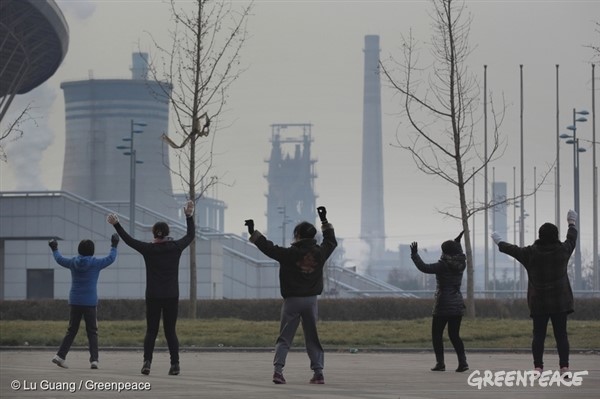
What China’s INDC announcement shows more clearly than ever is that all countries at the Paris climate summit must ramp up their ambition, and lock in goals that can potentially avoid catastrophic climate change. From today, all eyes turn to the Paris Climate Conference.
Li Shuo is a climate and energy policy officer with Greenpeace East Asia