Innovative solutions in waste management are evolving beyond traditional sorting, often appearing as recycling while actually focusing on advanced technological transformation and circular economy integration. This downstream focus exposes a deeper vulnerability in the approach to the waste crisis, where producers face no meaningful obligation to reduce production to close the gap in the waste stream. Real progress must target the source of the plastics crisis, not just the point of disposal and diversion of waste to failed solutions.
Will Singapore’s Beverage Container Return Scheme (BCRS), reduce waste?
Singapore’s Beverage Container Return Scheme (BCRS), that encourages the return of empty containers with a 10¢ cashback. But the question is, will it help reduce the amount of waste generated from consumption under the Extended Producer Responsibility (EPR) mechanism?
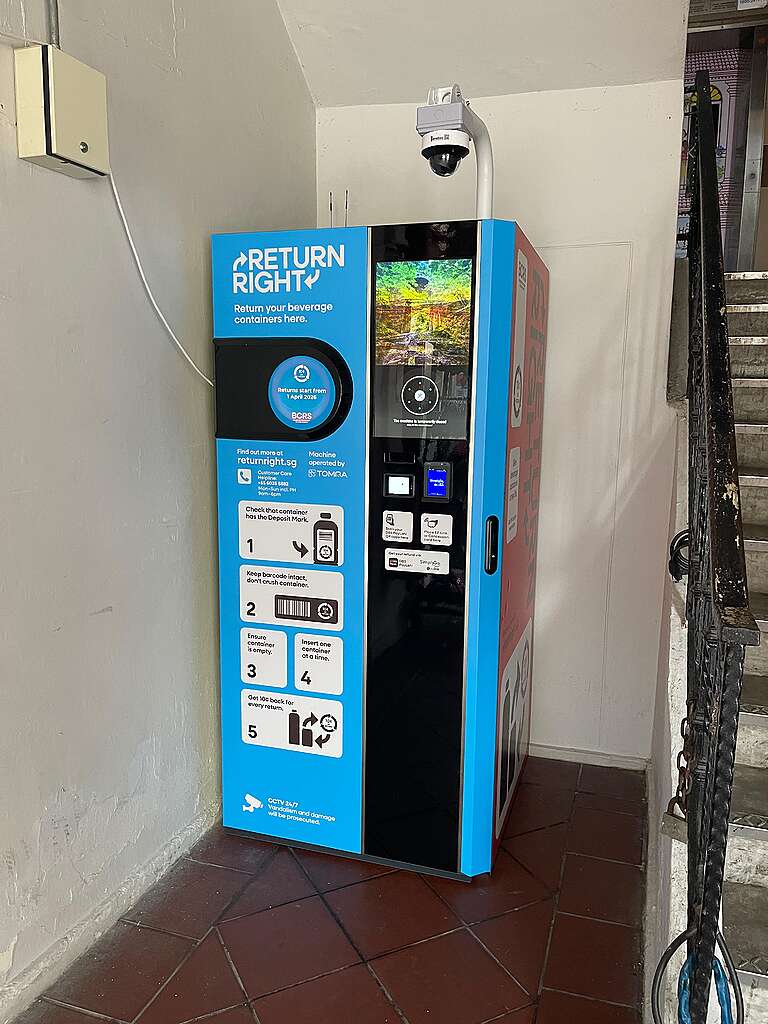
The BCRS launched on the 1st April 2026, with a 6-month transition period until the 30th September 2026. From the 1st October 2026, only beverages in containers with the Deposit Mark can be sold; non-compliance will constitute an offence.
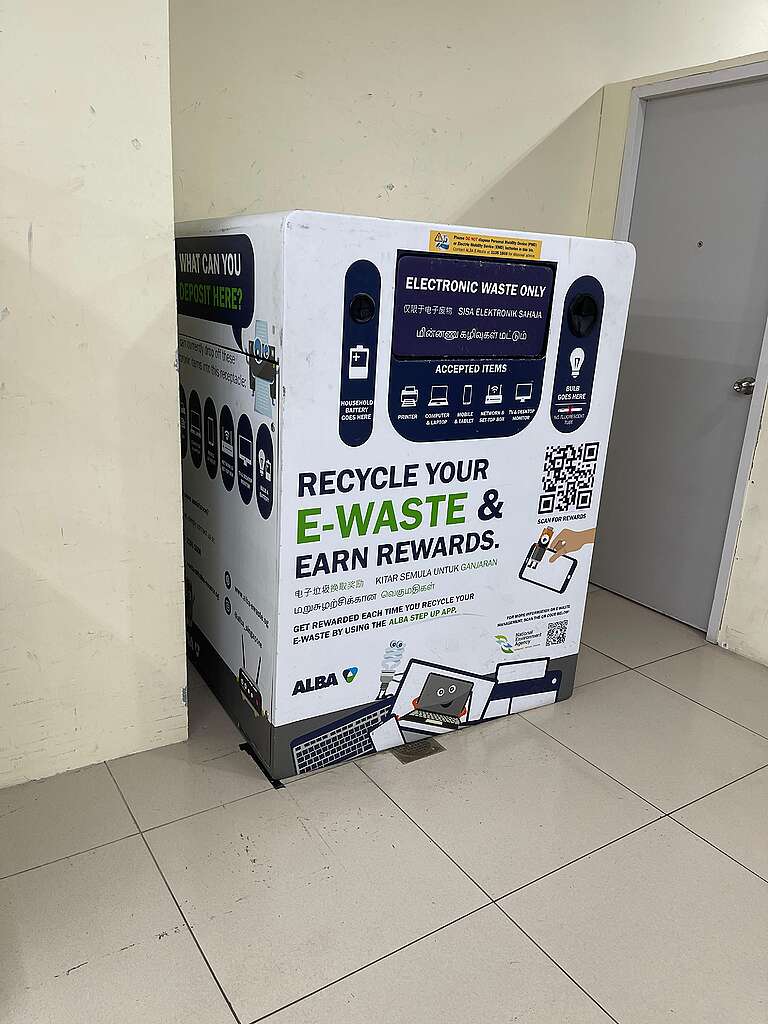
Under the Scheme:
- Beverage producers and retailers are responsible for ensuring that beverage containers are properly collected and treated at end-of-life,
- While consumers are encouraged to return empty containers for recycling in exchange for a deposit refund.
The Scheme is meant to contribute to a more sustainable Singapore by:
- Increasing the recycling rate of beverage containers and reducing waste sent for disposal;
- Encouraging consistent recycling habits among the public; and
- Aggregating a clean, high-quality stream of recyclable materials.
At this stage, only regulated products of pre-packaged beverages in plastic and metal containers (150ml to 3.0L), including bottles, cans and polypropylene (PP) cups, are eligible for refunds. Supermarkets and other retailers will charge the S$0.10 cent deposit to consumers for each beverage container sold that bears the Deposit Mark.
There will be more than 1,000 operating Reverse vending Machines (RVMs) serving as collection points across Singapore. Grants are provided to F&B Retailers to adopt the scheme, while continuing business-as-usual for dine-in and takeaway. All collected containers will be processed at a central counting and sorting facility, which will count, sort and bale the containers into a clean, high-quality material stream. However, data and information regarding the recycled materials are unclear, as of the writing of this opinion.
Additionally, there will be a move to charge a producer fee on the manufacturers or importers. It was provided that a “Net Cost” recovery model will determine the producer fee:

The confirmed Year 1 Producer Fee per unit (subject to GST):
Aluminium/Metal – S$0.031/unit
Plastic – S$0.037/unit
Thus, subjecting an obligation on the producers of their put-to-market products – paying the producer fee and a S$0.10 cent deposit for each beverage which is affixed with a deposit mark.
What about Malaysia?
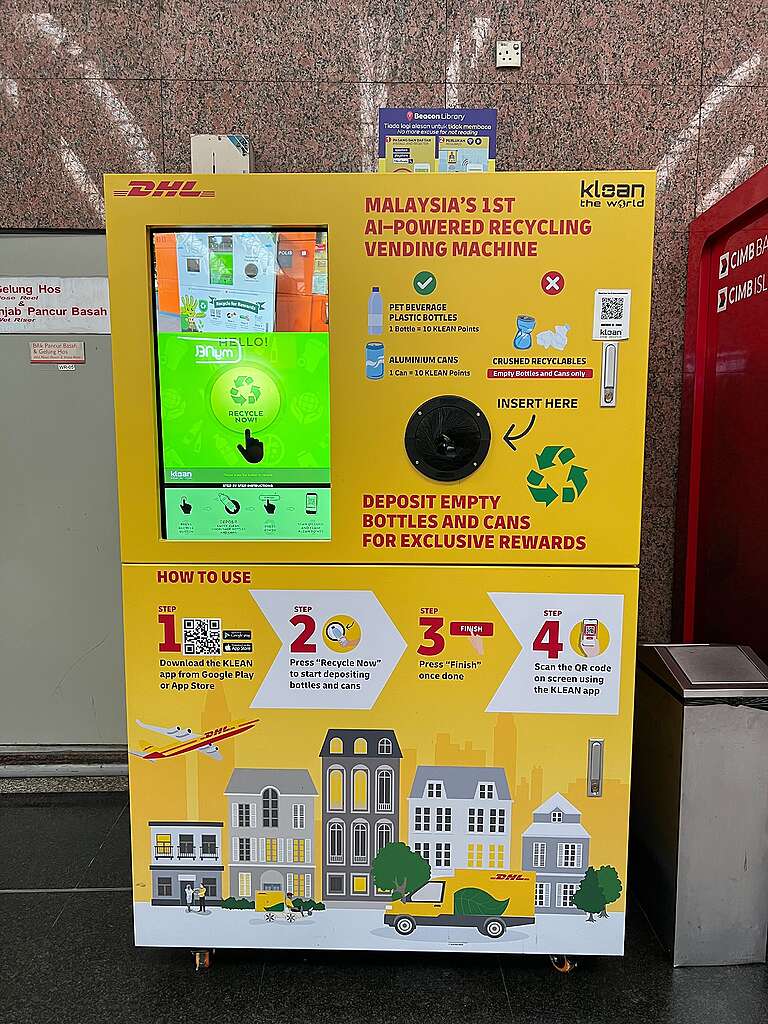
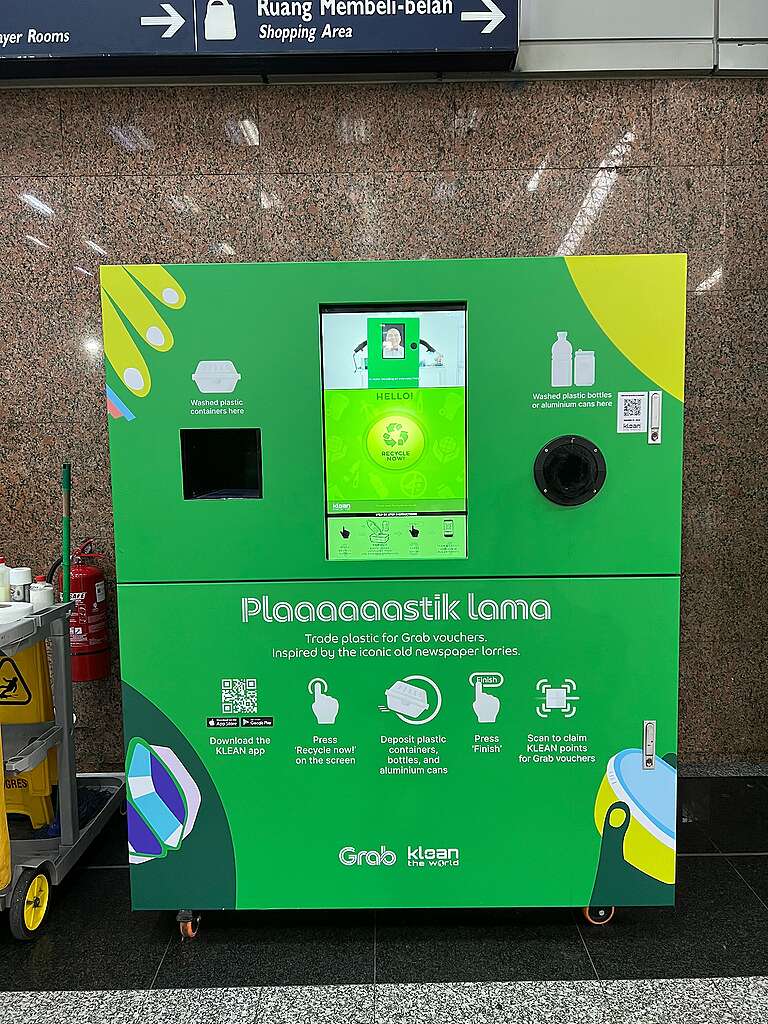
In Malaysia, similar RVMs were deployed at selected locations to collect plastic bottles and cans. Consumers can earn redeemable reward points, exchangeable for vouchers from retail partners. This initiative is set to combine smart technology with incentives to drive sustainable behaviour. The machines utilise data-tracking systems to monitor user engagement levels and the volume of recyclable materials collected. Yet, there is no public access available to these data, raising concerns of transparency. There is no responsibility mandated on manufacturers and importers, indicating the need to strengthen corporate responsibility and accountability.
Will these approaches see long-term environmental impacts?
These approaches to enhance sustainability and shared-public responsibility are a move away from the take-make-waste linear consumption approach. But we must not overlook the bigger picture of the impacts and implementation of the RVMs. The public should raise questions about the reality of recycling, taking into consideration the misinformation and prerequisites of proper recycling.
This is because recycling alone cannot keep pace with the scale of plastic production. Without reducing production, even the most efficient waste systems will continue to be overwhelmed. Producers are churning out disposable plastic faster than what waste management in the country can handle. People, nature, and future generations pay the true costs. There needs to be transparent public communication about what recycling can and cannot achieve.
RVMs are energy-intensive, especially when running on AI. Each machine potentially requires continuous power to operate sensors, cooling systems and connectivity, and that’s before accounting for the logistics of collecting, transporting, and processing the items. When scaled across hundreds of stations nationally, the net energy footprint can be substantial, potentially undermining the environmental gains the scheme sets out to achieve if the electricity supply is not generated from renewable energy.
There needs to be practical, concrete actions and corporate accountability, with a high support ban on single-use packaging.
Revamping existing business models and corporate responsibility
Looking at the plastics crisis through a climate lens, the best available modelling (Eunomia and Pacific Environment) tells us that cutting plastic production by 75% by 2050 will be required to keep warming to 1.5°C and prevent the most dire impacts of a rapidly warming planet. Hence, the refill and reuse business models, by contrast, promote a low-carbon and toxic-free future, with much-needed government attention and mandates to combat the “concerning lack of ambition and action on reuse”.
Plastic is a health crisis
Corporations’ mass production of plastics and a broken waste management system have contributed massively to a worldwide plastic pollution crisis. Marginalised communities face disproportionate negative impacts from plastics manufacturing, incineration, and illegally dumped waste – the forever chemicals and microplastics embedded in every stage of plastic’s life are already inside us — in our blood, our lungs, and our children’s bodies. Zero-waste and reuse-centred businesses have proven that there are effective and replicable solutions to the waste and pollution problems plaguing numerous sectors, see the list of the Champions of Change signatories driving systematic change.