
Green Ramadan
The month of Ramadan presents a golden opportunity to adopt a more sustainable and environmentally friendly lifestyle, when Muslims dedicate their time to worship in the form of fasting, conscious living, collective responsibility, and a care for what surrounds us.
Our daily activities, how we treat others, and our relationship with the environment, ecological awareness, and how we collectively manage our shared home all become subjects of reflection and change.
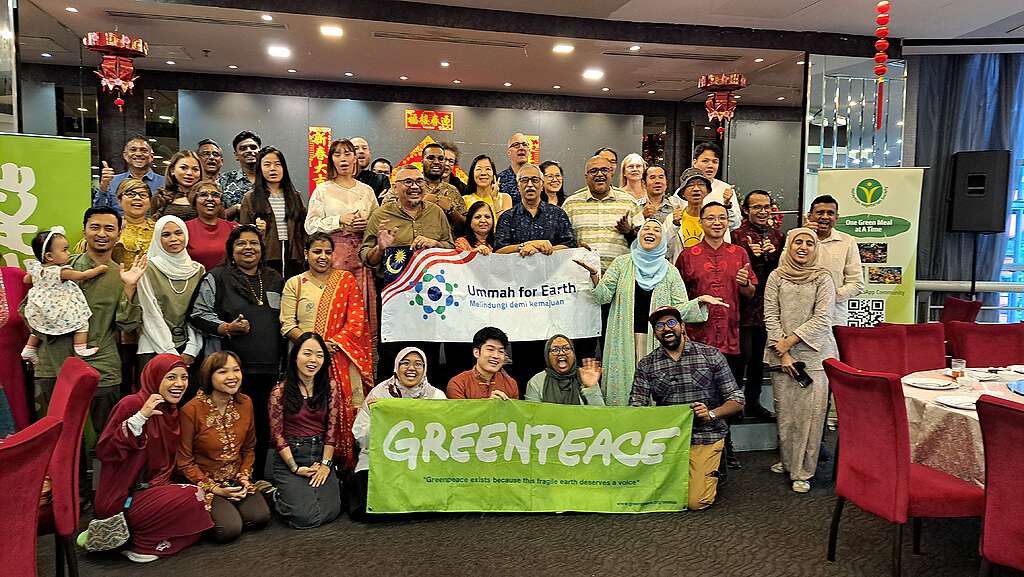
Our Approach
People First
We work with people from all walks of life – there is no room for discrimination. It starts with one person’s passion and wanting positive change for themselves and the environment.
Continuous Learning
Each person’s journey is unique and treasured – they each bring a story to the table. Each religion has values we can learn from on stewardship and living in harmony with the environment.
People Power
Coming together, our shared values and stories guide us to co-create a sustainable and environmentally empowering community.
Our Collective Work
Our work on Green sustainable living throughout the month of Ramadan and beyond. The core principles of the campaign can even apply to those of other faiths and non-faiths. As a movement, we come together in solidarity and shared values to share experiences, learn best practices from one another, and break fast in zero waste fashion, and with impact.
In the spirit of mindfulness, we gather as an interfaith collective to reflect on current issues, highlight the connection between spiritual practices and environmental responsibility, and share eco-friendly habits that can be incorporated into lifestyles.
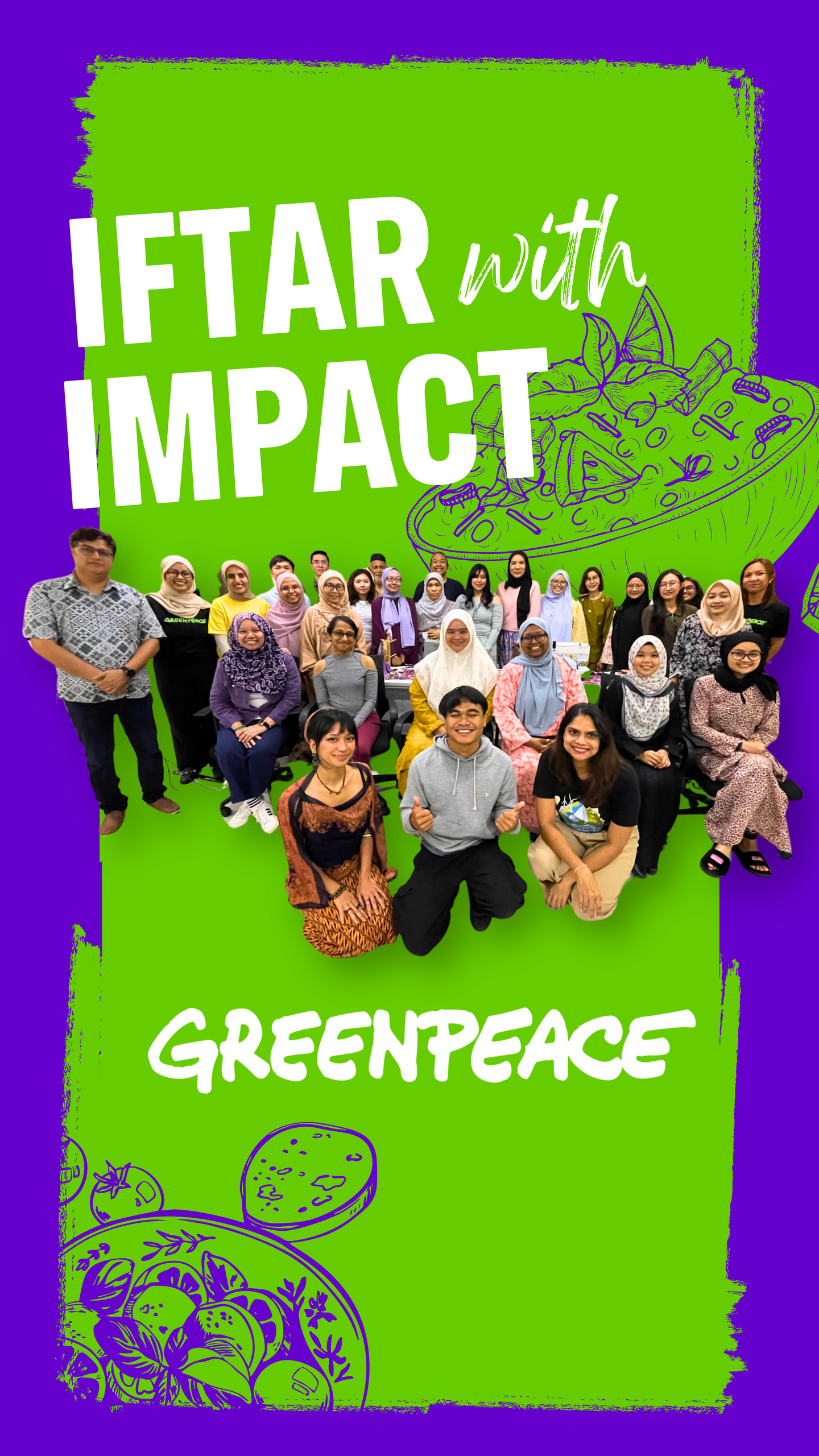
Iftar with Impact
Our communal and interfaith gatherings explore best practices such as reducing food waste, reducing energy consumption, conserving water, serving delicious vegetarian food, and reusable products. We also aim to raise awareness of the impact our actions have on the environment and inspire others to make changes that can be practiced at home, in school, and in communal spaces.
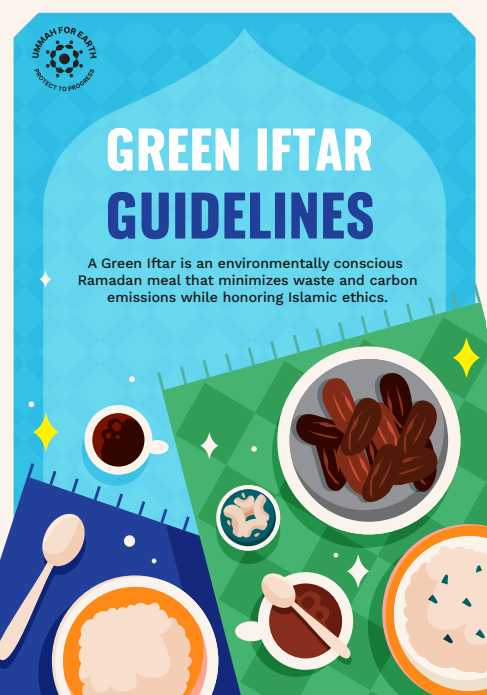
Green Iftar Guide
This guideline provides a practical pathway rooted in Qur’anic ethics, climate best practices, and field case studies for everyone to plan and implement Green Iftars in their communities. The beauty of the guidelines are that they can be adopted more generally to meals beyond the month of Ramadan and beyond religion.
-
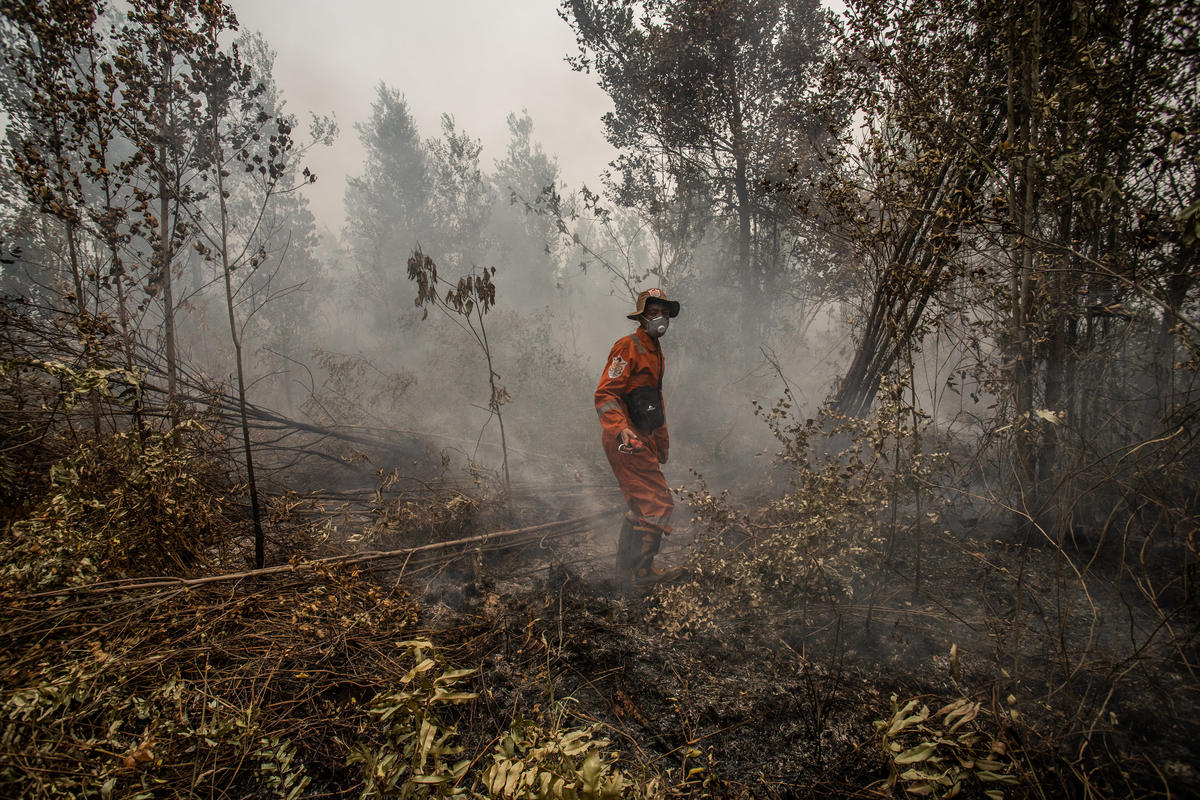
Lessons from Haze: Your Money is in the Air We Breathe
If the evidence confirms the companies behind the haze-causing fires, the next question is who is funding them. The trail may lead to our own savings, retirement funds, and banks.
-
Lead the World in Climate Finance
The decision on the allocation and flow of capital is both an ethical and a public health decision, with far-reaching implications on the lives of people not just in Malaysia, but those suffering in other continents.
-
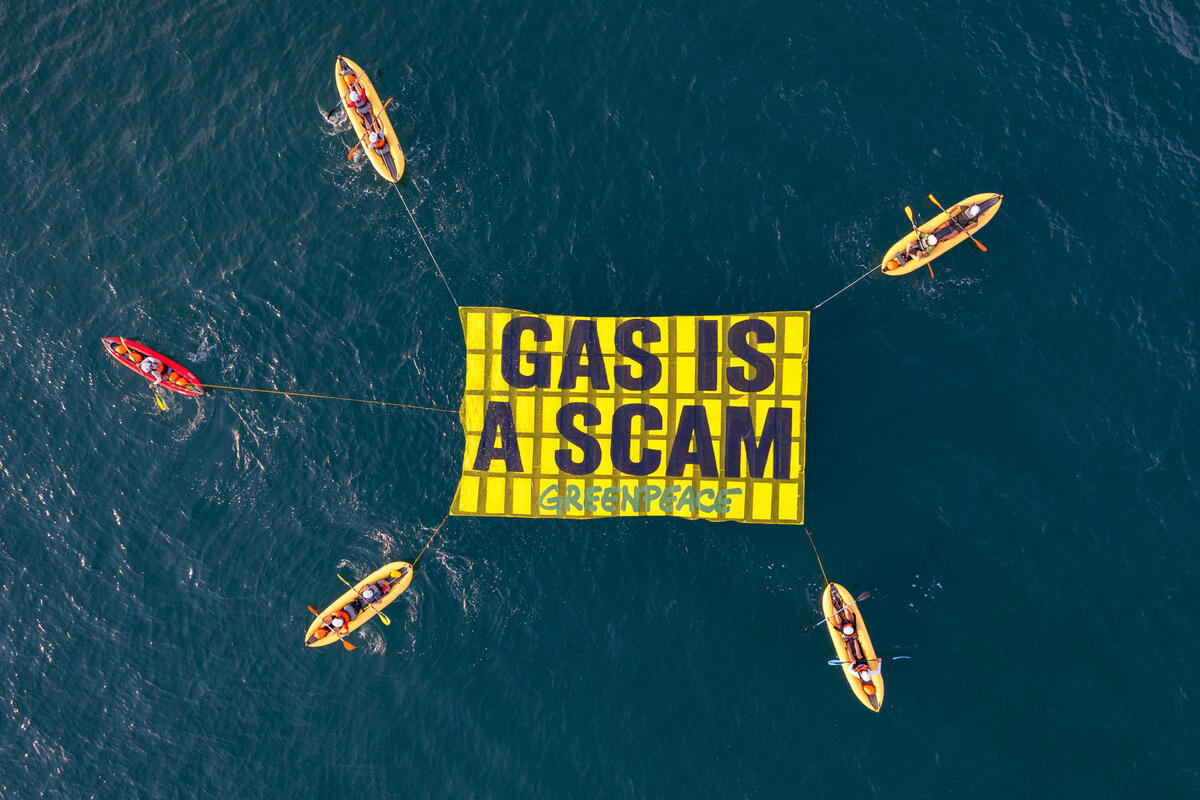
Civil society questions LNG Canada investment
Civil Society Questions LNG Canada Investment, Urges Investment in Domestic Renewables
-
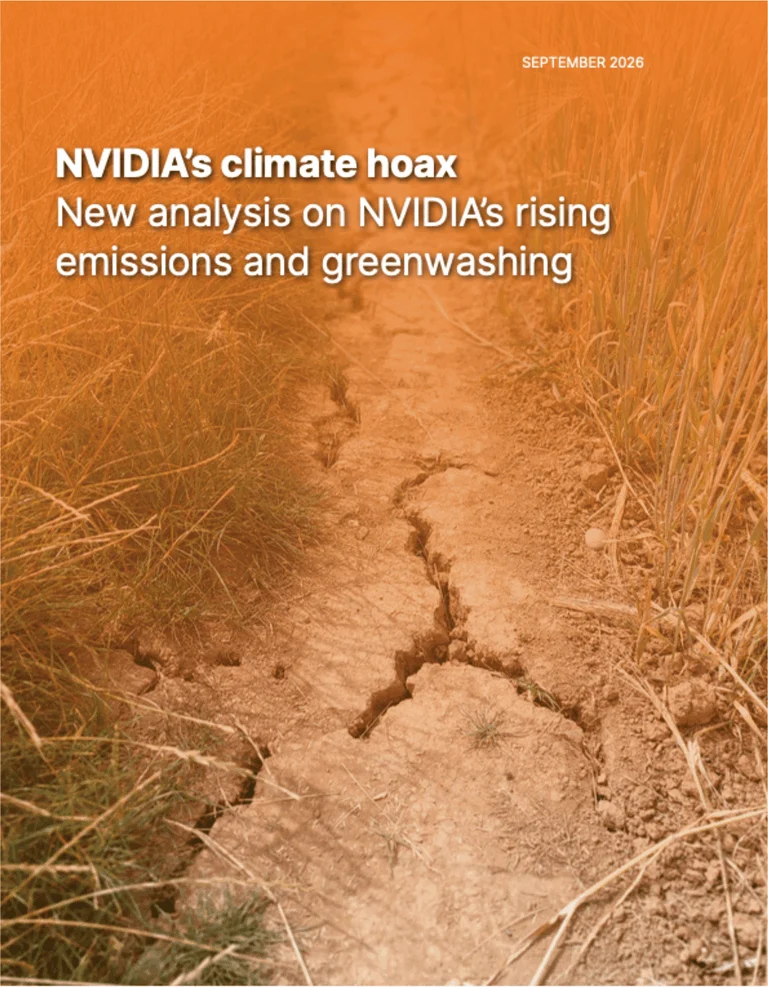
NVIDIA’s AI climate hoax: New analysis on NVIDIA’s rising emissions and greenwashing
NVIDIA claims AI will solve the climate crisis, but its hidden emissions surged 725% since 2020. Uncover the greenwashing tactics behind AI’s massive emission growth.
-
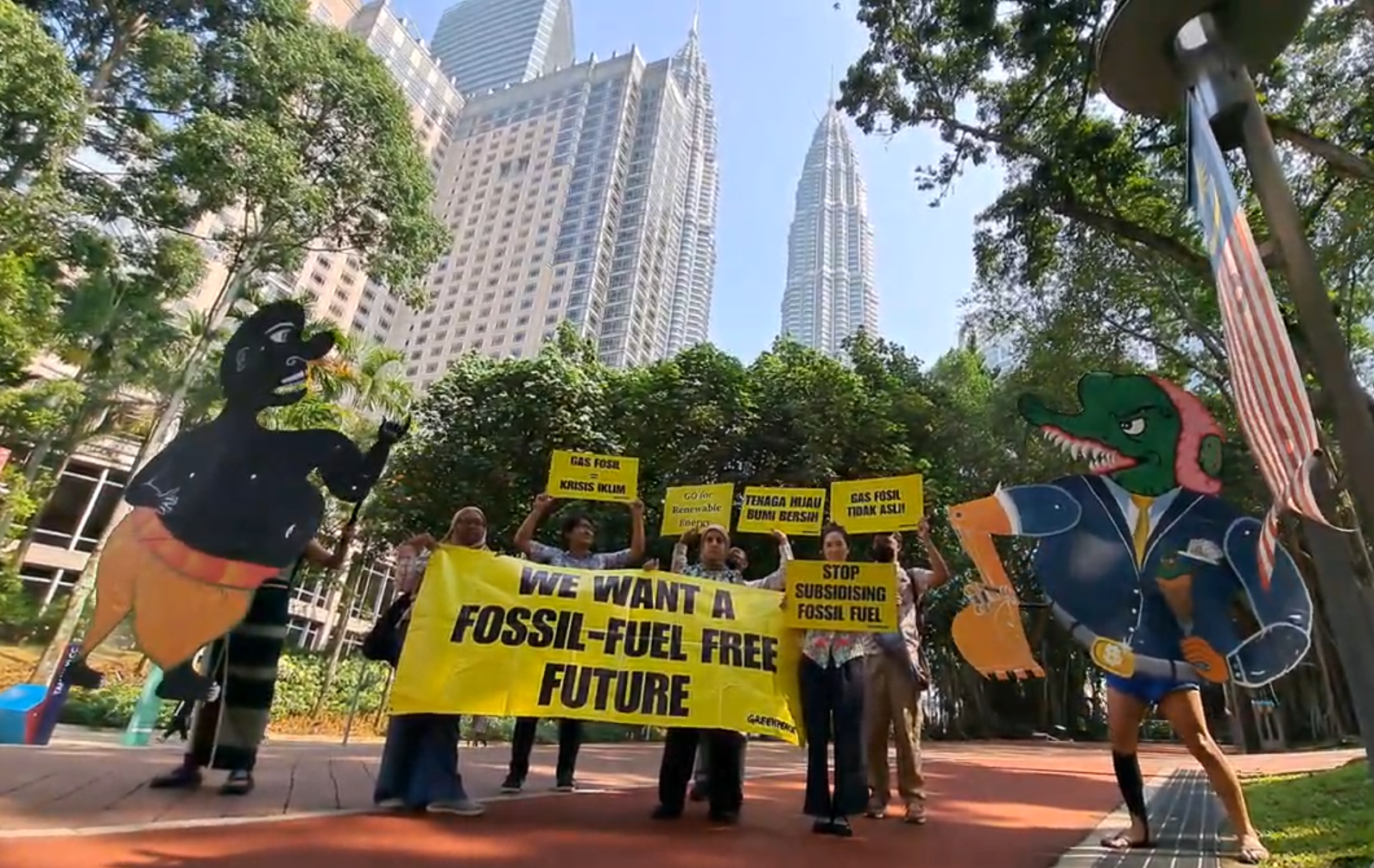
Natural gas joke opens the Oil & Gas Asia Conference
The Artivist Network, Greenpeace Malaysia, Monitoring Sustainability of Globalisation (MSN), and Rimbawatch stages a flashmob at the OGA exhibition calling out the lack of transparency, accountability, and public consultation inherent in the O&G industry.
Subscribe for updates
Together we are part of a growing, global movement determined to bring about the changes our planet desperately needs.
