
Just Energy Transition
Malaysia’s energy future is at a crossroads. Communities, workers, and the environment are already bearing the cost of our fossil fuel dependency, from polluted air and water to unstable livelihoods and climate disasters that hit the most vulnerable the hardest.
Yet, despite the urgency, national energy plans continue to prioritise gas as a so-called “transition fuel,” delaying the shift to clean, renewable solutions.
Our Approach
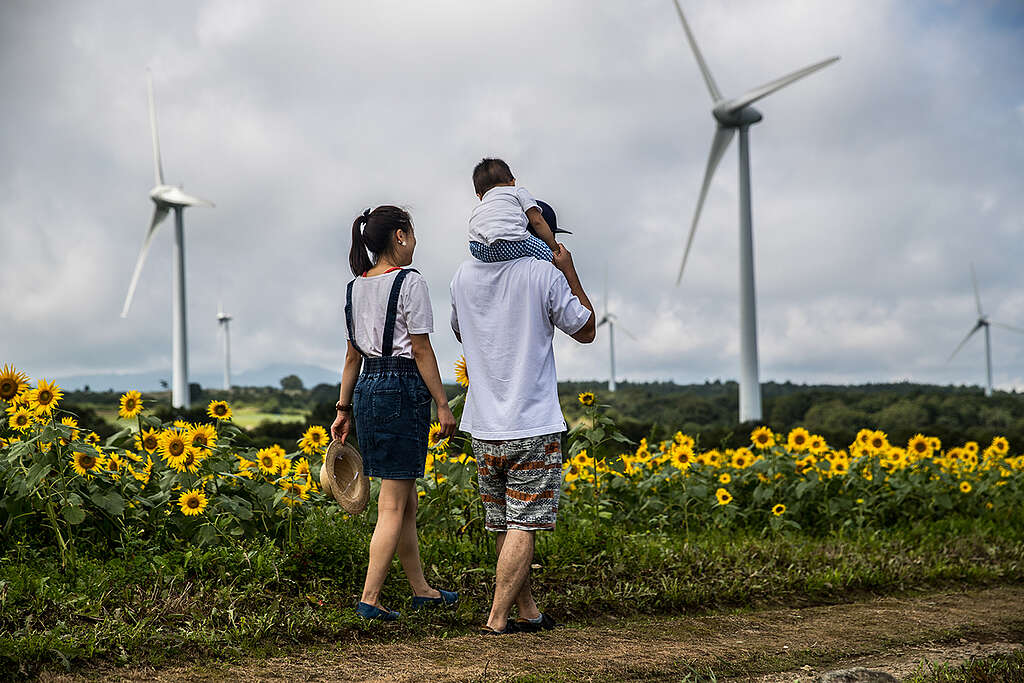
Our approach combines grassroots voices with strong policy advocacy to ensure the shift to renewable energy is not only fast, but fair for all.
Communities first
Amplifying voices from the ground, from coastal towns to rural villages, ensuring Free, Prior, and Informed Consent (FPIC) is respected in all energy projects.
Challenging harmful policies
Exposing the risks of gas as a “transition fuel” and pushing for energy policies that prioritise people and the planet over short-term profits.
Co-creating real solutions
Promoting community-led renewable projects and advocating for a national roadmap that phases out fossil fuels while protecting workers’ rights.
Our Projects
From amplifying community voices to shaping national policy, our projects are designed to prove that a clean energy future for Malaysia is not only possible, it’s already taking root.
Policy recommendations
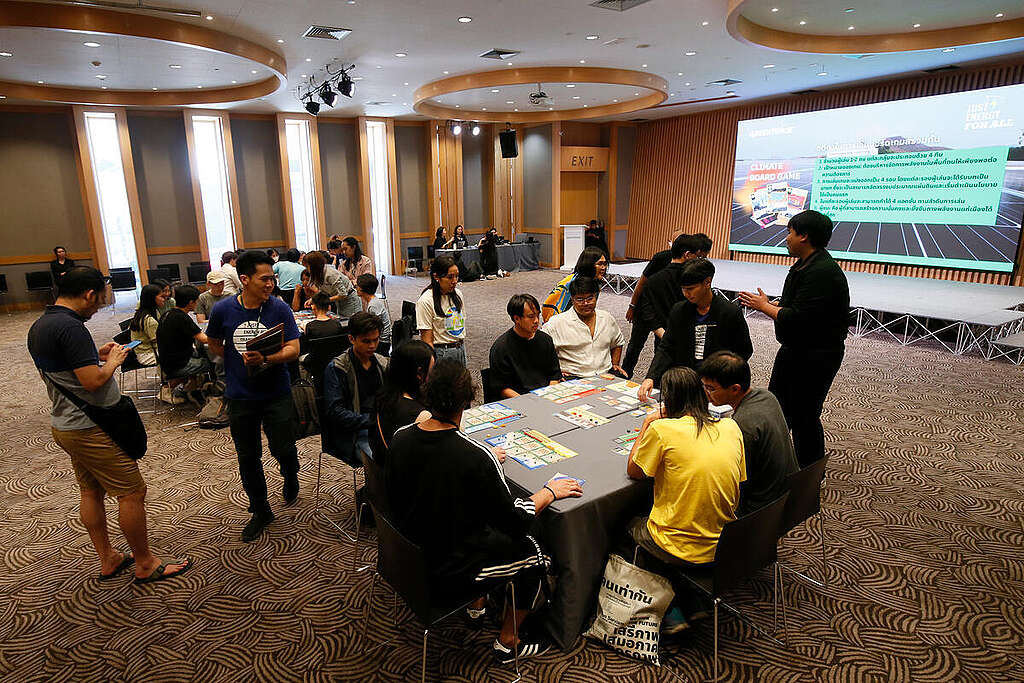
Our roadmap challenges the government’s National Energy Transition Roadmap (NETR) and National Energy Policy, proving Malaysia can leapfrog gas and move directly to renewables. Through evidence-based case studies, we show how false solutions harm progress and why a just, rights-based transition is essential.

Community storytelling
From resisting harmful gas pipeline expansions to embracing solar in Kelaik, we are amplifying real stories from those most affected. Communities are calling for FPIC in all energy projects and showing how solar power can bring lasting independence and security for the next generation.
-
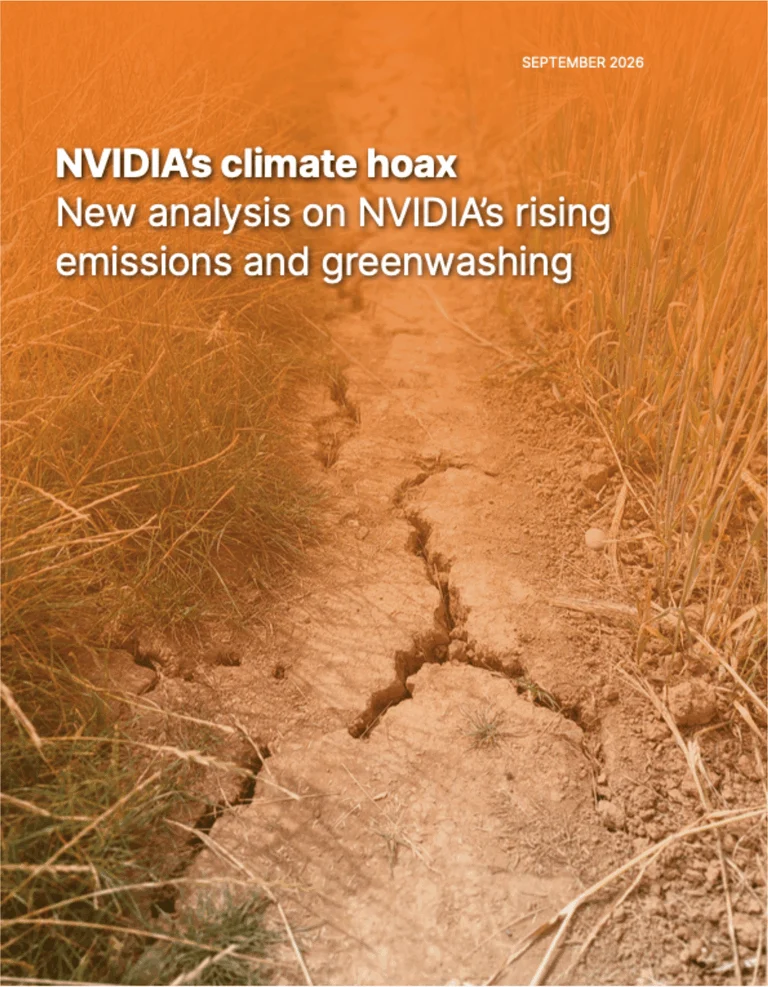
NVIDIA’s AI climate hoax: New analysis on NVIDIA’s rising emissions and greenwashing
NVIDIA claims AI will solve the climate crisis, but its hidden emissions surged 725% since 2020. Uncover the greenwashing tactics behind AI’s massive emission growth.
-
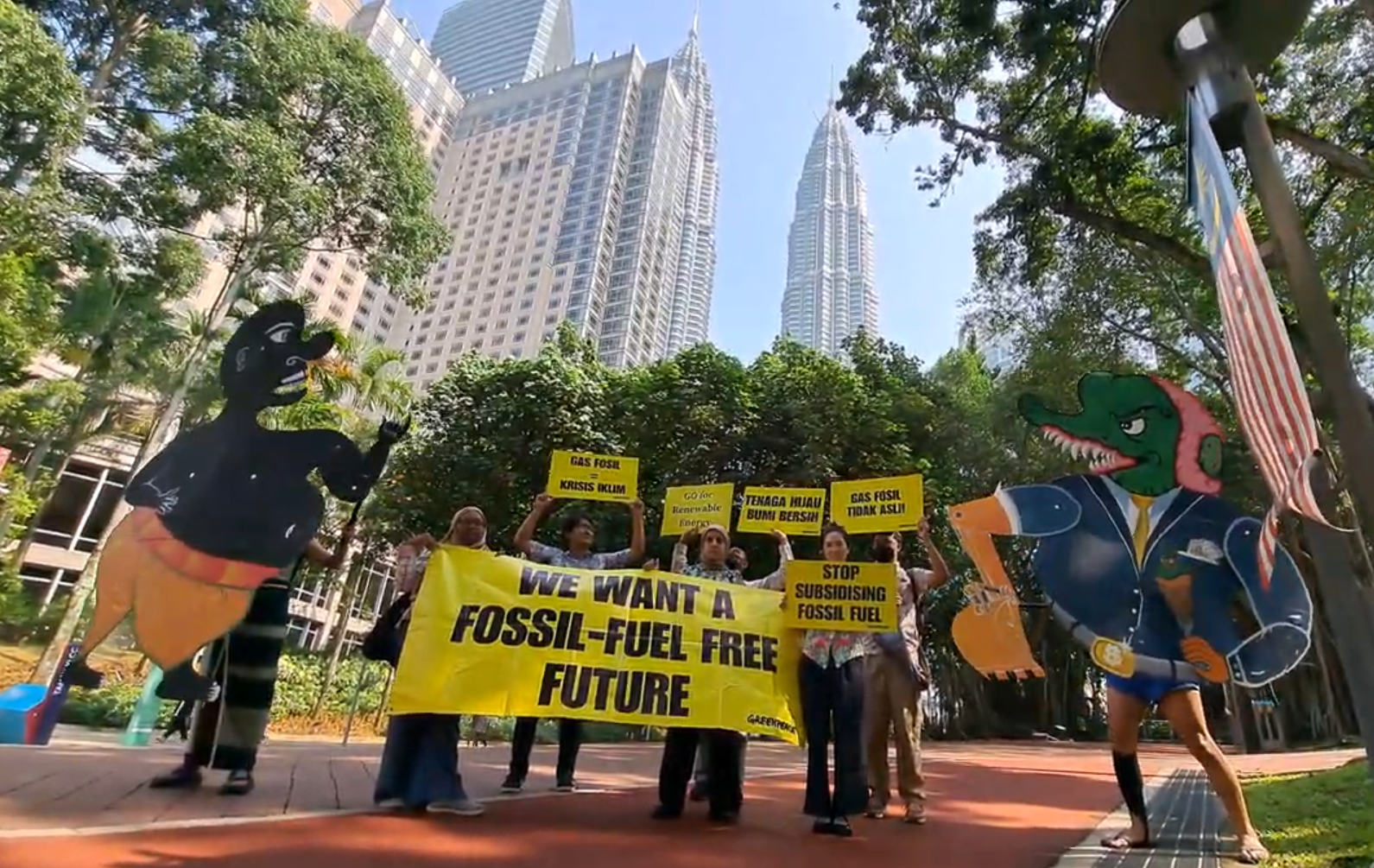
Natural gas joke opens the Oil & Gas Asia Conference
The Artivist Network, Greenpeace Malaysia, Monitoring Sustainability of Globalisation (MSN), and Rimbawatch stages a flashmob at the OGA exhibition calling out the lack of transparency, accountability, and public consultation inherent in the O&G industry.
-
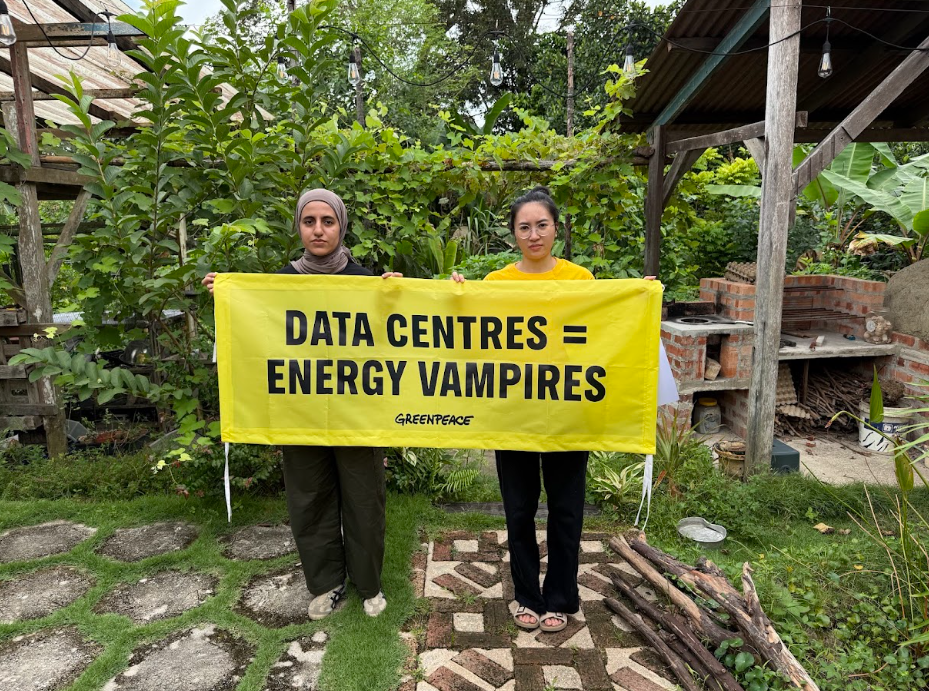
Civil society calls for ban on data centres near residential areas
Malaysia is increasingly becoming a hub for data centres. By 2035, data centres are expected to comprise one-thirds of Malaysia’s total energy consumption, accounting for 73,274 GWh annually.
-

How the Godzilla El Niño may resurface Hazezilla
We are reaching the midpoint of the year 2026. There is no doubt we are facing more challenges with the energy crisis and dependency on fossil fuels. The upcoming Godzilla…
-

How will the Super El-Nino and energy war crisis affect us?
Prolonged instability of the war between West Asia and USA has triggered an energy crisis across the world due to its heavy reliance on oil and gas. The situation is expected to worsen with the forecasted Super El Nino that will take place from June to August.
Subscribe for updates
Together we are part of a growing, global movement determined to bring about the changes our planet desperately needs.