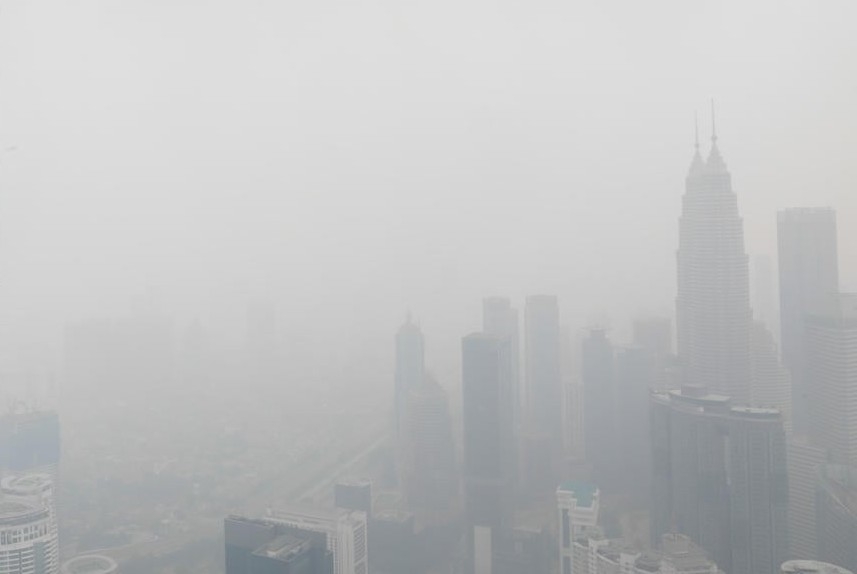
We are reaching the midpoint of the year 2026. There is no doubt we are facing more challenges with the energy crisis and dependency on fossil fuels. The upcoming Godzilla film is not the only one making a comeback this year; Southeast Asians were warned of ‘Godzilla El Niño’, which is threatening drought, floods, and haze.
The footprints of the ‘Gozilla El Niño’ are surfacing; there is an 80 per cent chance of emergence between June and August and a 90 per cent probability thereafter, as predicted by the World Meteorological Organisation (WMO). United Nations Secretary-General António Guterres’ video statement amplified this horrific development: “El Niño conditions will pour fuel on the fire of a warming world. Impacts will hit even harder, travel even farther, and cross borders with devastating speed.”
The Monster Returns: This time, we made it stronger.
Climate change and the El Niño phenomenon are not a good mix. Malaysia may experience stronger heat stress, faster drying of soil and vegetation, higher water demands, reduced river flow, greater agricultural pressure, and greater haze or fire risk. The Malaysian Meteorological Department (MetMalaysia) warned that weather conditions are developing more intensely, and this is not the first time Malaysia has gone through a severe El Niño event.
We survived it. We told ourselves we’d be ready if it came back.
Just like the fictional characters in the film would have to deal with the legacy of the monster. We sigh with relief when it passes, with resolve to prepare for its return. Then as time passes and we quietly forget, as life, mercifully, returns to normal.
But this should not be normal. Increasing temperatures across the globe act as an amplifier, and it will impact all of us unequally. We are living in a world where the baseline is broken.
“There is no Silence in the Earth – so silent
As that endured
Which uttered, would discourage Nature
And haunt the World.
~ Emily Dickinson, There Is No Silence in the Earth
The communities hit hardest are rarely those most responsible for the conditions that make it worse. Paddy farmers in Kedah watching reservoir levels fall to single digits, coastal fishermen bracing for bleached coral reefs and dangerous algae blooms, families stretched thin by inflation, indigenous communities facing frequent flooding impacts, and dry spells causing haze to loom over Southeast Asia.
Force of Nature
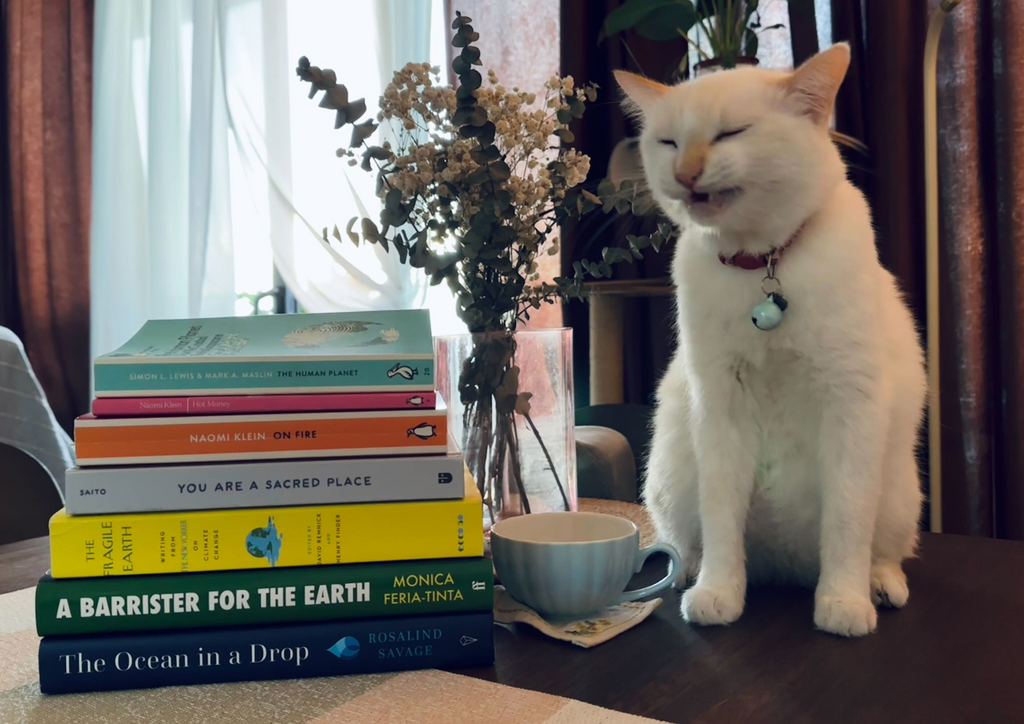
I read that the Anthropocene era is a turning point in our history of humanity, life, and the Earth; it means that human actions have immense, far-reaching and potentially irreversible impacts; it is a lived experience of how we treat the environment and how we treat each other. Human actions and political choices will very much set the course of humanity. In their book, The Human Planet, the authors – Simon Lewis and Mark Maslin, stressed that the conundrum we are facing is either environmental breakdown or global coordinated action towards global equality, which demands more radical interventions to transform our energy and economic systems.
In her thought-provoking publications – Hot Money and On Fire, Naomi Klein challenges the current economic structure and the risks of being dependent on centralised forms of energy. There is a direct relationship between breaking away from fossil fuels and making progress on climate change, calling for political will to ensure corporate accountability, climate action and governance. So, what can we do to stop climate change? In her words, “We can only meet this tremendous challenge together, as part of a massive and organised global movement…Because you are not alone. You are part of a movement.”
The Power of the Law
We are fighting. The law could have a definitive role in protecting the Earth and the people. The international law pathway serves as a powerful tool to redress environmental harm and to fight ecological destruction and climate change. This is happening around us, yet often under-reported by mainstream media.
In Malaysia, we have rarely turned to the courts to fight environmental battles, because high barriers to legal access and the absence of clearly recognised environmental rights have all but shut the door on climate litigation before it can even begin. Officially, we have two climate litigation cases filed, but some cases are not directly labelled as climate litigation, yet shape the environmental judiciary landscape:
- Kampung Kelaik Fighting Customary Land Rights
- Putra Heights Gas Explosion
- Lynas Permanent Disposal Facility
- Bukit Cherakah Degazettement
- Taman Rimba Kiara Development Project
- Bakun Indigenous Peoples’ Fight Against Mega-dam Project
HOPE, for our future
The United Nations General Assembly (UNGA) voted with overwhelming support to adopt a landmark resolution, which will advance implementation of the International Court of Justice (ICJ) Advisory Opinion on climate change and countries’ responsibility. The resolution seeks to operationalise the ICJ Advisory Opinion, putting more pressure on governments to comply with the ICJ’s decision to reduce fossil fuel production and use, and repair damage caused by climate change with a human rights approach.
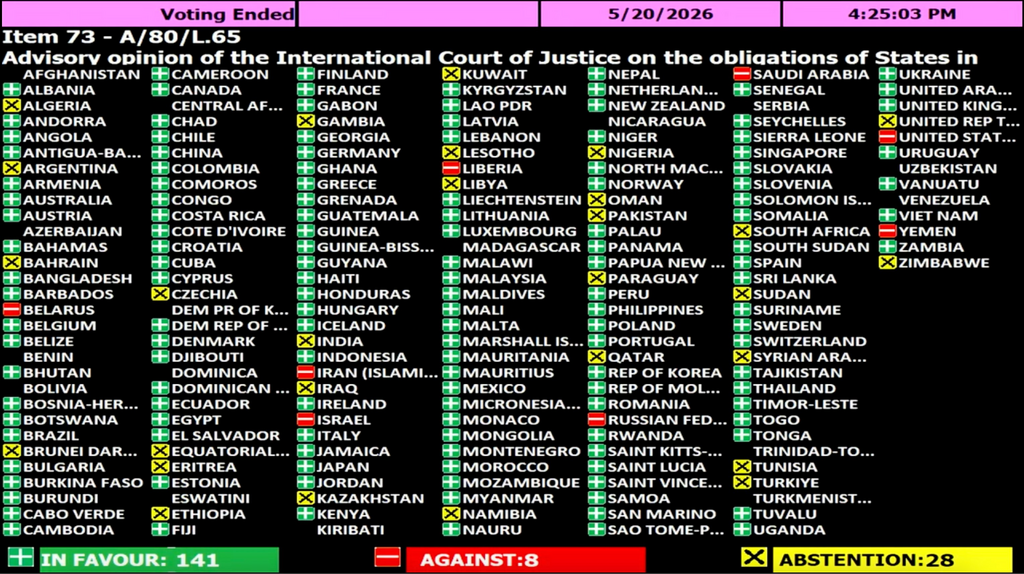
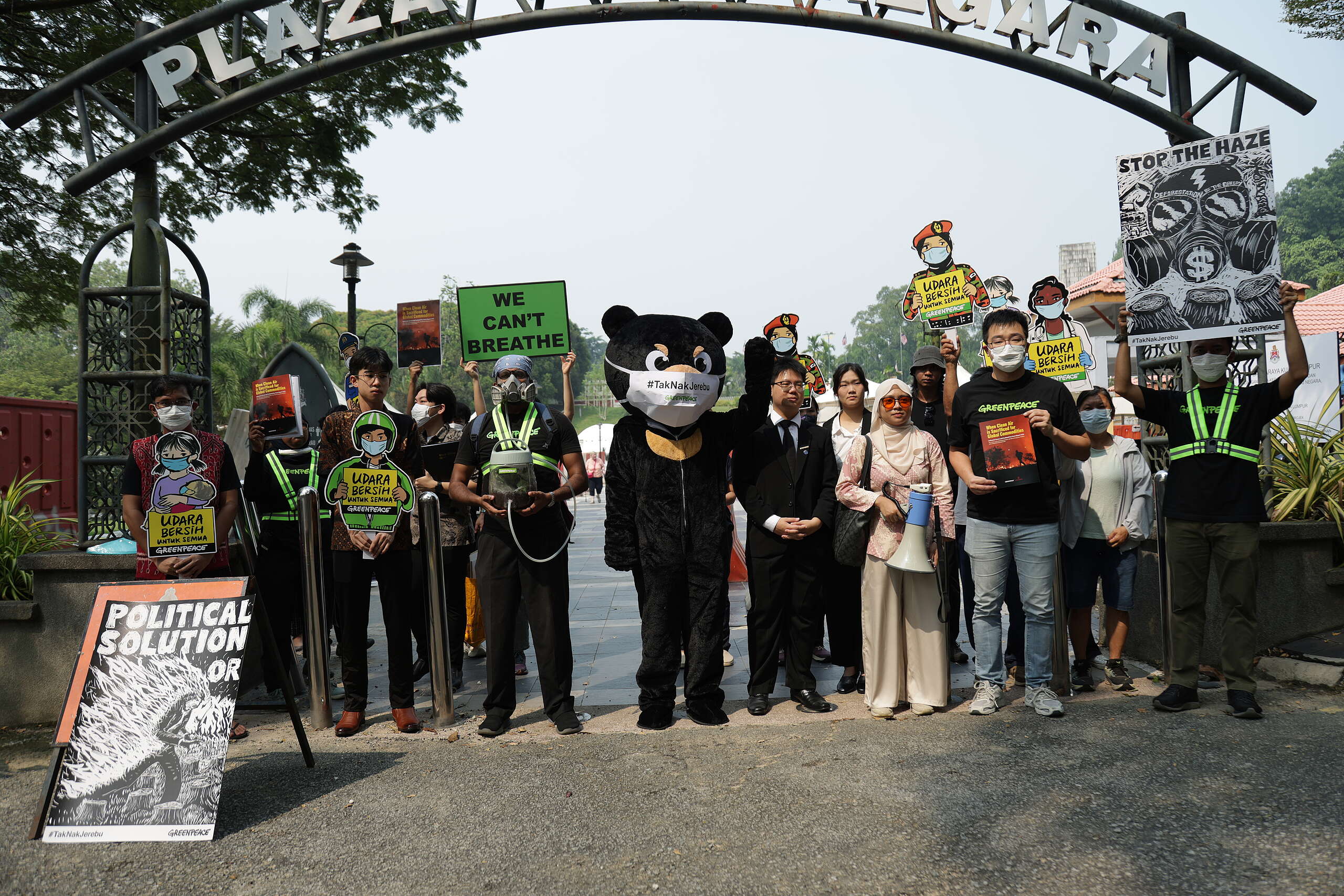
May this development be a turning point, as we face increasing oppressive tactics by big bullies and lobbyists. Further drawing accountability and transparency risks on meaningful participation on the current restricted access to Environmental Impact Assessments. Our rights and freedoms to dissent should not be buried in legal costs and stress or the threat of bankruptcy, and limitation under the guise of security concerns.
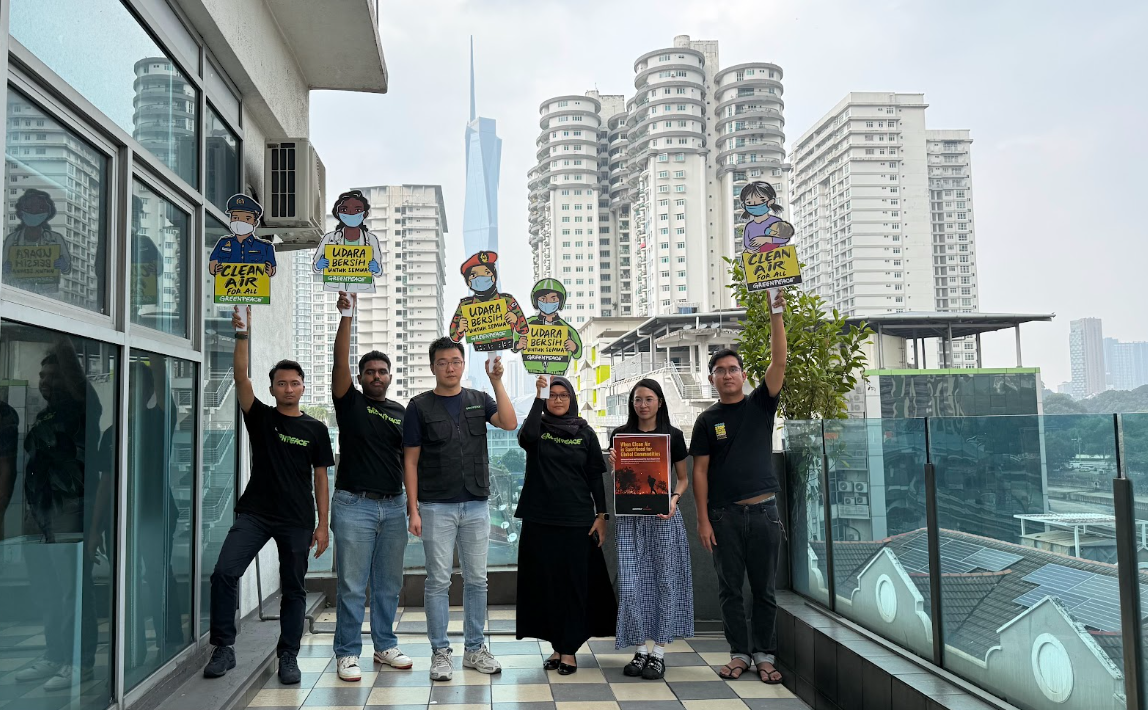
It’s time to RESIST global corporate greed and climate denial in every possible form – join your nearest community movements, empower yourself through connecting, reading and talking about the hard topics that matter.
CLIMATE JUSTICE and ENVIRONMENTAL RIGHTS for all.
P.S. Books referenced above and in my read/to read lists.
- The Human Planet: How We Created the Anthropocene, Simon Lewis & Mark Maslin
- Hot Money, Naomi Klein
- On Fire, Naomi Klein
- You Are A Sacred Place: Visual Poems for Living in Climate Crisis, Madeleine Jubilee Saito
- The Fragile Earth: Writings from the New Yorker on Climate Change, David Remnick & Henry Finder
- Barrister for the Earth, Monica Feria-Tinta
- The Ocean in a Drop: Navigating from Crisis to Consciousness, Rosalind Savage