
Filter posts
Filtered results
-
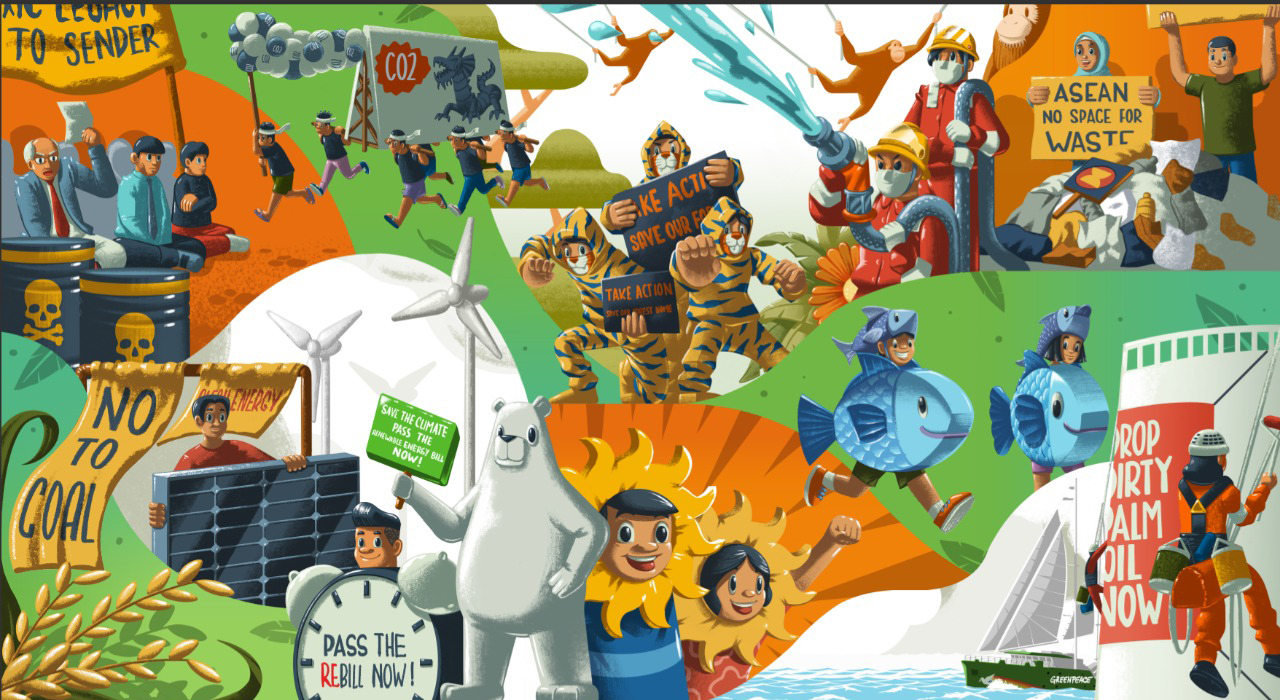
1/2024 People Power Newsletter
Read the first edition of the People Power Newsletter for 2024
-
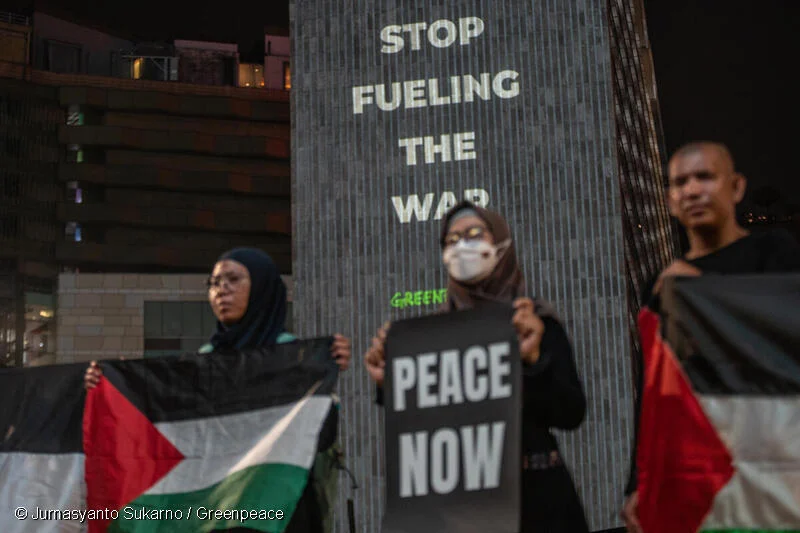
Scorched-earth: making Gaza uninhabitable for generations to come
The ongoing war on Gaza has inflicted severe environmental damage, affecting air, water, and land, and all who depend on them.
-

End the renewable energy credit greenwash
An open letter to the Bursa Carbon Exchange regarding Murum Dam renewable energy credits.
-
Kewangan Campuran Islam Sebagai Tindakan Iklim
Krisis iklim merupakan antara ancaman terbesar kita sebagai penduduk dunia hari ini, bertindak sebagai salah satu pemacu bencana kelaparan dan kemanusiaan. Realiti ini telah mencetuskan rantaian advokasi untuk peralihan sepenuhnya…
-
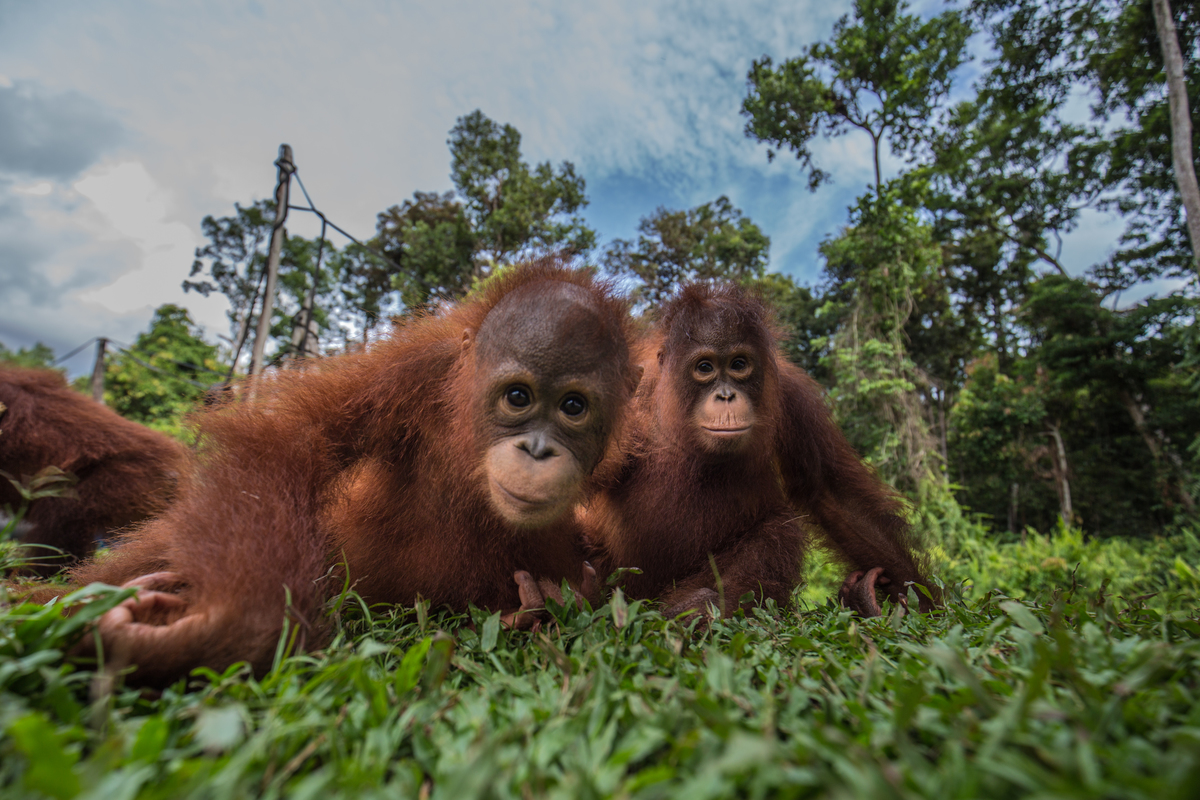
What can we learn from orangutan diplomacy?
Reports have been showing the impacts of oil palm plantations on orangutan
-
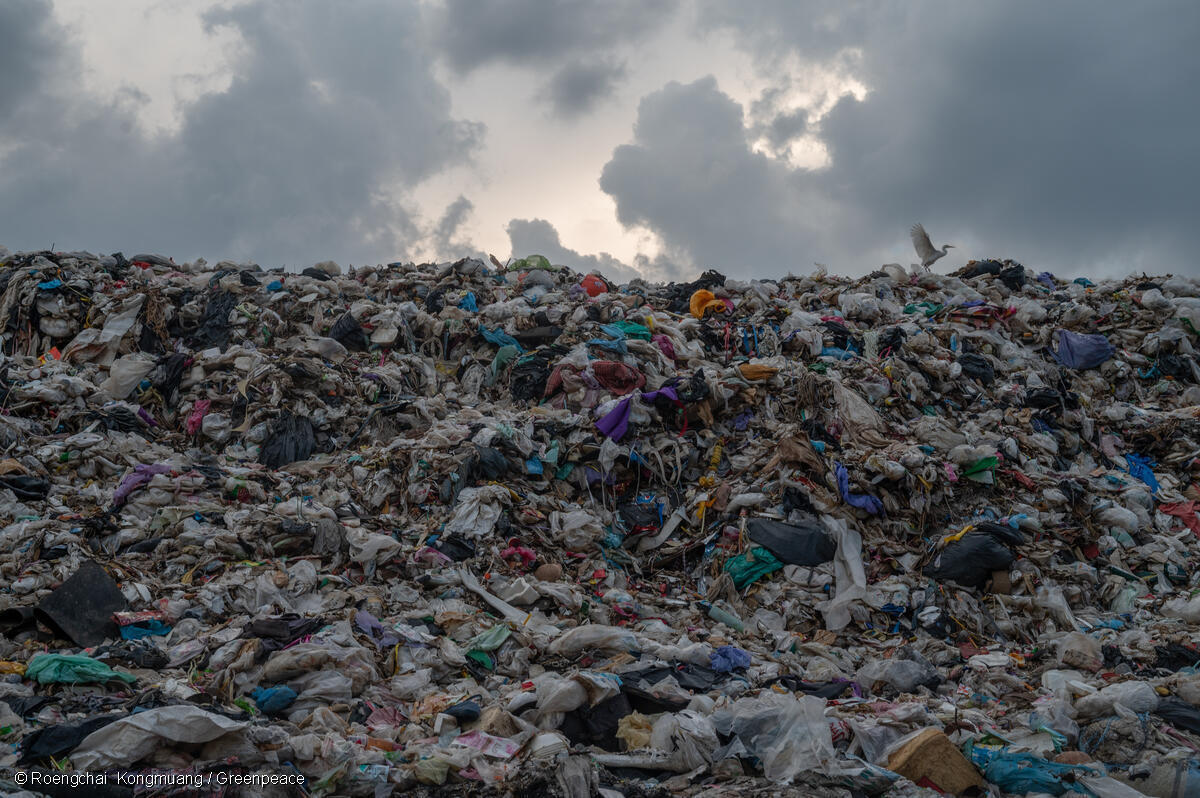
Reuse, Refill, and Reform: Prioritising People and Planet Over Industry Profit in Plastic Policy
We're at the brink of a crisis, and the government's move to address plastic pollution through new laws prioritising reusable systems over single-use plastics is crucial. With over 80% public support, the government must prioritise people and the planet by phasing down plastic production at INC5 in November 2024.
-
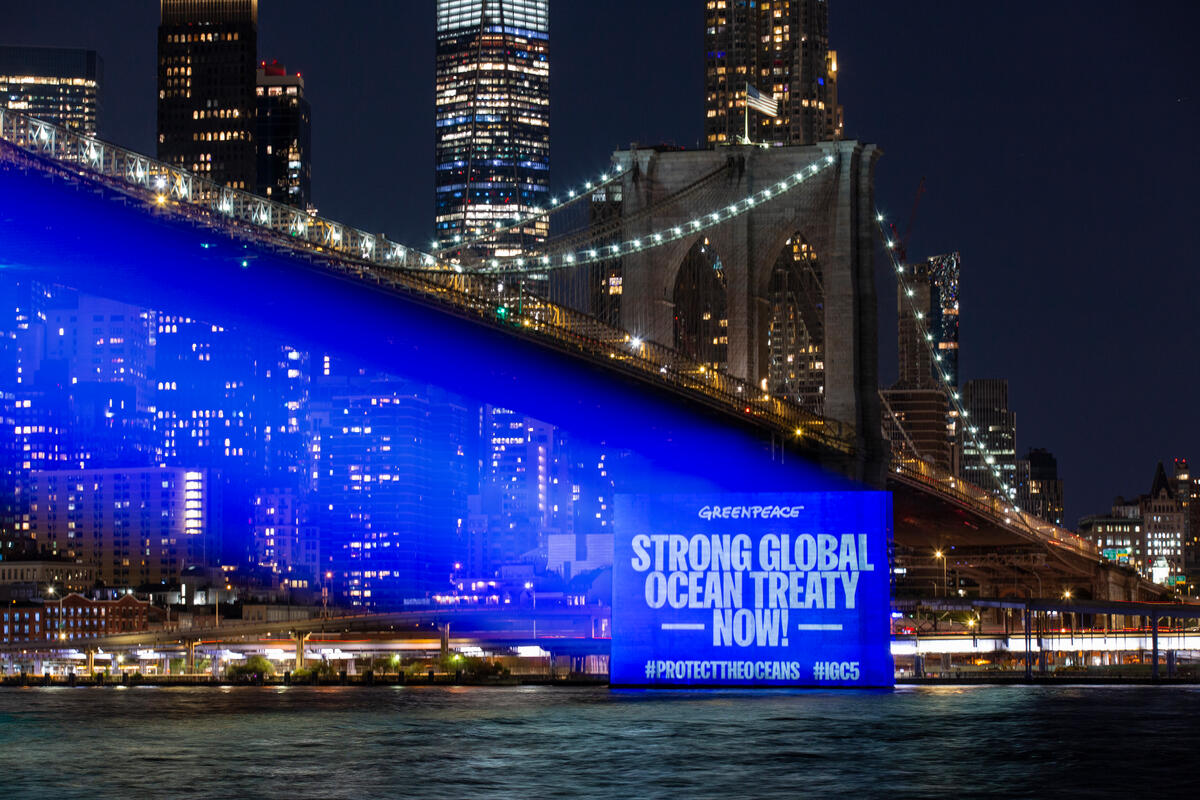
6 things you can do for the ocean today
From demanding world leaders ratify the Global Ocean Treaty, to supporting coastal communities to protect their homes and livelihoods, there are many ways you can take action for the ocean today.
-

Go BIG or go home: Malaysia at INC4
Malaysia's government claims that there is progress on the Global Plastics Treaty during INC4 - but the delegation team, that includes parties with self-interested goals like the petrochemical industry, largely opted to contribute minimally to the Global Plastics Treaty draft.
-
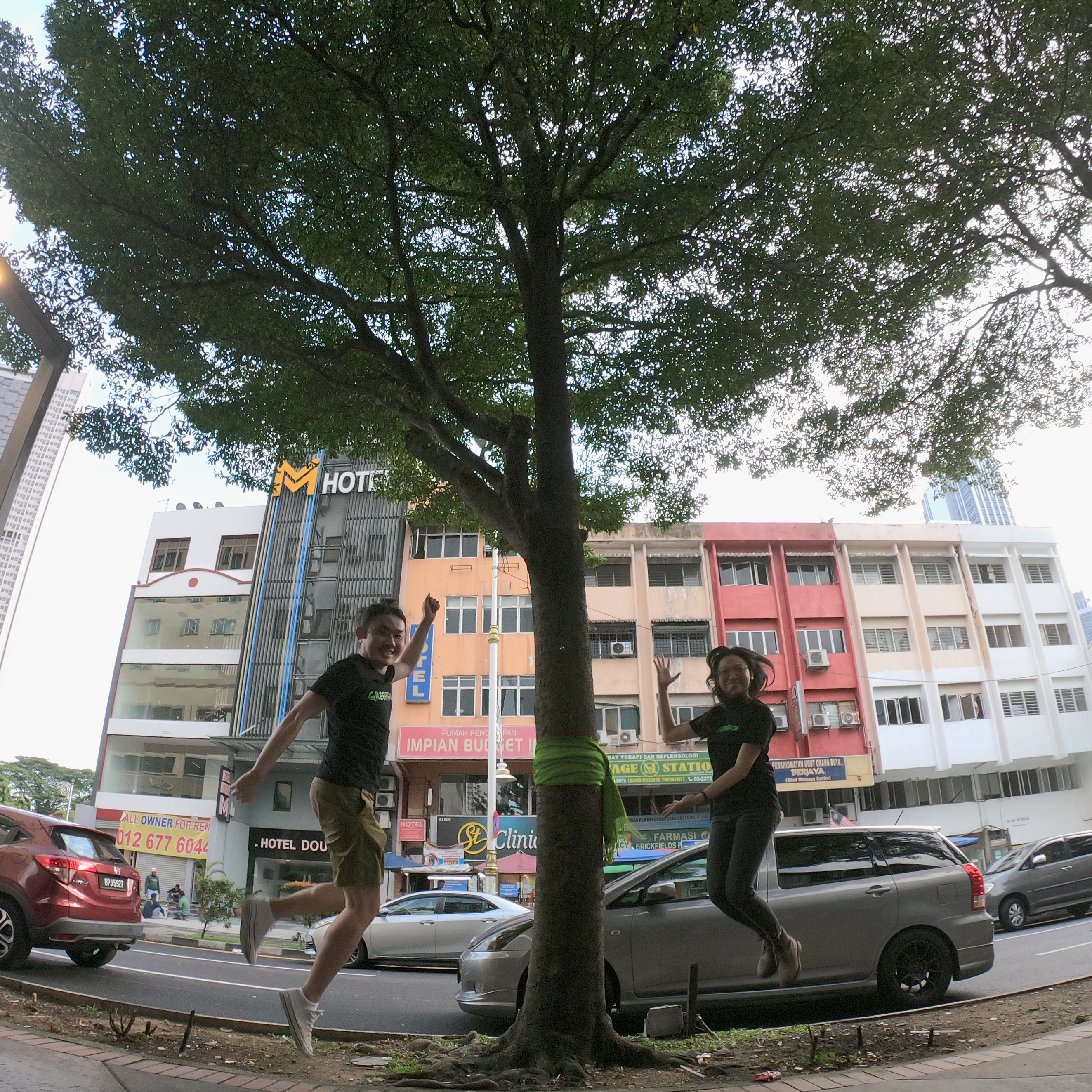
Valuing our urban canopy
Old and historic trees, whether in forests or urban settings, play pivotal yet distinct roles, both equally important.
-
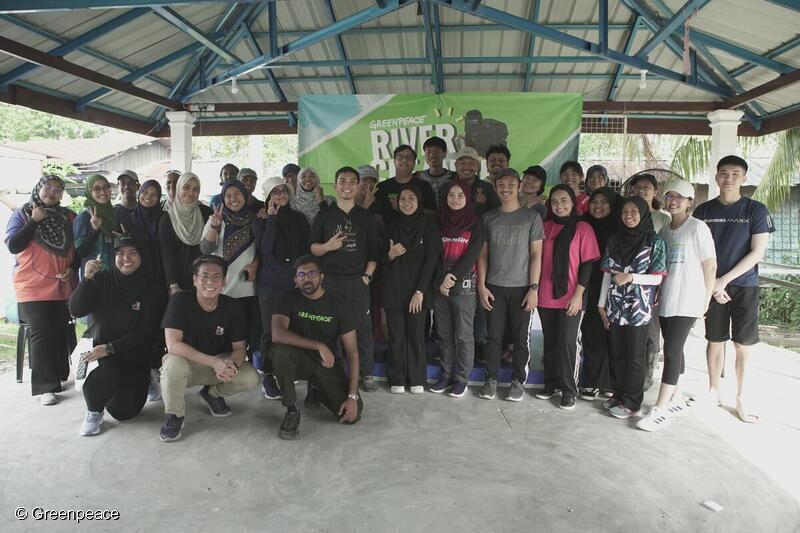
Klang River Cleanup, An Uphill Battle
Greenpeace Malaysia recently organised a river cleanup at Kampung Sungai Jireh Jetty. The event, held in March 2024, brought together our staff, volunteers, and donors to raise awareness of plastic…