Plastic, oil, and ocean: At a glance
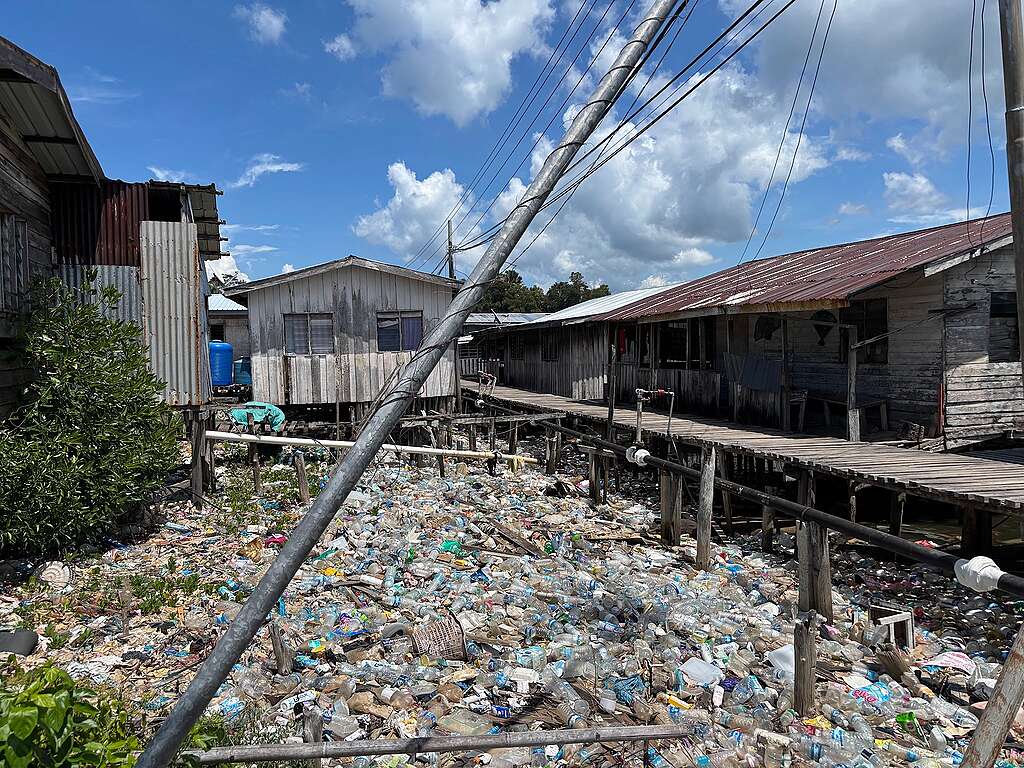
Does it ever cross your mind the plastic container from your takeaway lunch, the packaging from your online order, the plastic bottle you tossed away, none of it truly disappears. It travels through drainage systems, rivers, and coastlines before ultimately reaching the ocean. Out of sight, but never gone, and this is only the visible part of the problem. But the real problem runs deeper than we have ever imagined. Plastic waste is no longer foreign to marine organisms and ecosystems, spotted across the world’s ocean, from surface waters to the deep sea, from coastal zones to the open ocean, and even in the remote and protected marine environments. Not only that, microplastics have also been detected in the atmosphere, showing how deeply plastic pollution has penetrated natural systems.
The issue goes beyond inconsistent national governance and legislation. At the international level, progress on regulating fossil fuel expansion and its downstream impacts, including plastic pollution, remains painfully slow despite growing environmental consequences. In 2022, countries under the UN Environment Assembly adopted a legally binding resolution mandating the development of a global treaty on plastic pollution covering the full life cycle of plastics from production, design and disposal. Despite multiple negotiation rounds, no final legally binding global agreement has yet been adopted as of 2026, and the treaty text remains under negotiation due to a lack of consensus among Member States on issues such as production limits, financing, and implementation scope.
Action-oriented downstream, neglected upstream
As time moves forward, plastic production remains upward, with global output reaching about 435 million tonnes in 2020 and projected to increase 70% by 2040, driven by sustained demand and continued reliance on fossil fuel based feedstocks. That is why it is not surprising that up to 23 million tonnes of plastic waste end up in aquatic ecosystems, including the ocean. Yet again, policy approaches continue to prioritise downstream interventions such as recycling and plastic waste management, rather than addressing production at the upstream stage. The problem with these short-term reactive solutions including clean-up initiatives, incineration (e.g., waste-to-Energy) and biodegradable plastics are often promoted as prominent key responses despite global plastic recycling rates remaining below 10%.
Greenpeace Thailand conducted a simulation study on the degradation of single-use plastics and found that most products marketed as “biodegradable” failed to fully decompose in three environmental conditions (e.g., seawater, soil and fish tanks with simulated seawater), even after up to 178 days of exposure. The findings raise concerns over the effectiveness of biodegradable plastics, which are often promoted as environmentally friendly alternatives despite their limited breakdown under natural conditions. Besides, the international trade in plastic waste emerges as a modern form of waste colonialism driven by inadequate accountability, transparency, shared responsibility across the value chain and international controls on plastic production. Ironically, developed countries with advanced technologies, facilities and infrastructures regularly export their plastic waste to economically and ecologically vulnerable countries. Managing plastic waste imports for some countries may be lucrative, politically convenient, and commercially viable. Meanwhile, for exporting countries, shipping plastic waste abroad provides a way to avoid stricter domestic controls, environmental regulations on plastic production and waste management.
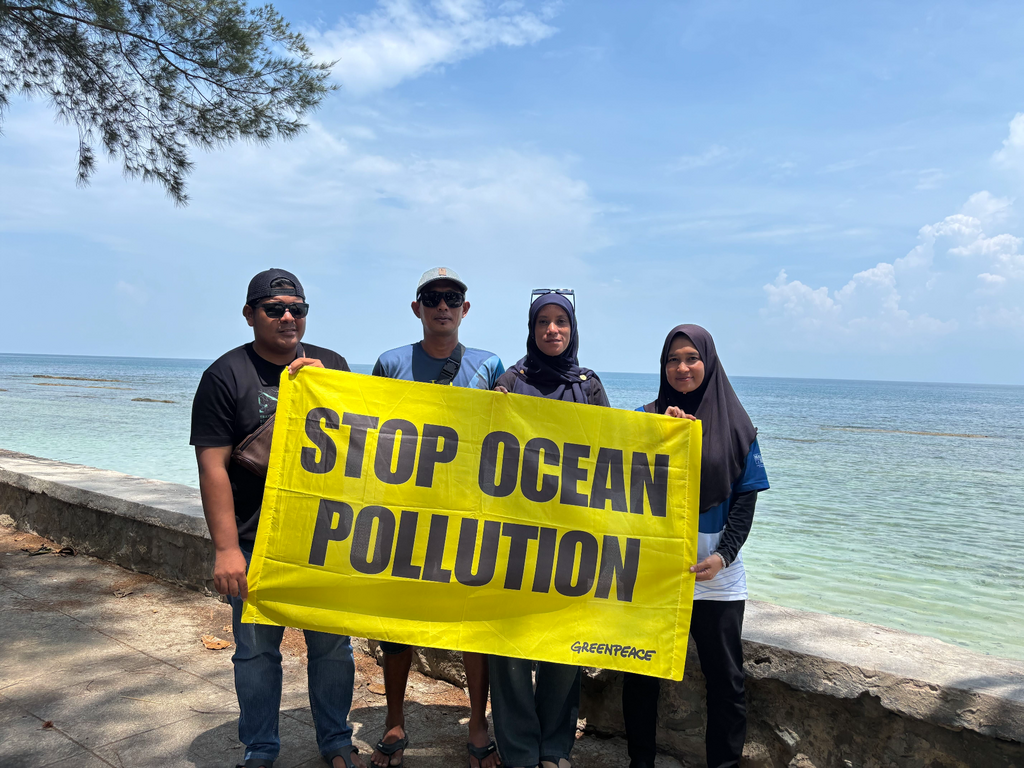
The solutions are already there!
The ocean is no longer just polluted, it is being systematically sacrificed for political and industrial interests. In 2023, governments and industries directed US$7.3 trillion toward nature-negative activities globally, while investing only US$220 billion in nature-based solutions (NbS). This imbalance shows that despite growing environmental awareness, destructive economic activities continue to be prioritised over long-term ecological protection and restoration.
The solutions to the ocean and plastic crisis are not unknown. Scientists, environmental organisations, Indigenous Peoples and Local Communities (IPLCs), and civil society groups have long called for stronger protection of marine ecosystems, stricter regulation of offshore fossil fuel activities, transparent EIAs, and legally binding limits on plastic production. The real challenge is not the absence of solutions, but the lack of political will, regulatory enforcement, and accountability needed to implement them effectively before marine ecosystems face irreversible damage.