
All articles
-
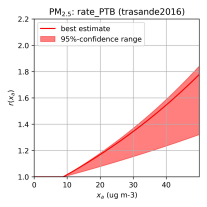
Methodology: Estimating the cost of air pollution in world cities (2020)
The Cost Estimator is an online tool that estimates the real-time health impact and economic cost from fine particulate matter (PM2.5) air pollution in major world cities.1It is deployed in a collaboration between Greenpeace Southeast Asia, IQAir and the Centre for Research on Energy and Clean Air (CREA). Estimates of real time health and economic…
-

Investigation indicates FSC-certified company intentionally used fire to clear Indonesian forests for palm oil
Greenpeace International collaborated with Forensic Architecture – a research collective based at Goldsmiths University of London, which uses spatial analysis to reconstruct cases of human rights violations and environmental destruction – to investigate whether the cause of the fires could be identified in Korindo’s palm oil concessions in Papua.
-
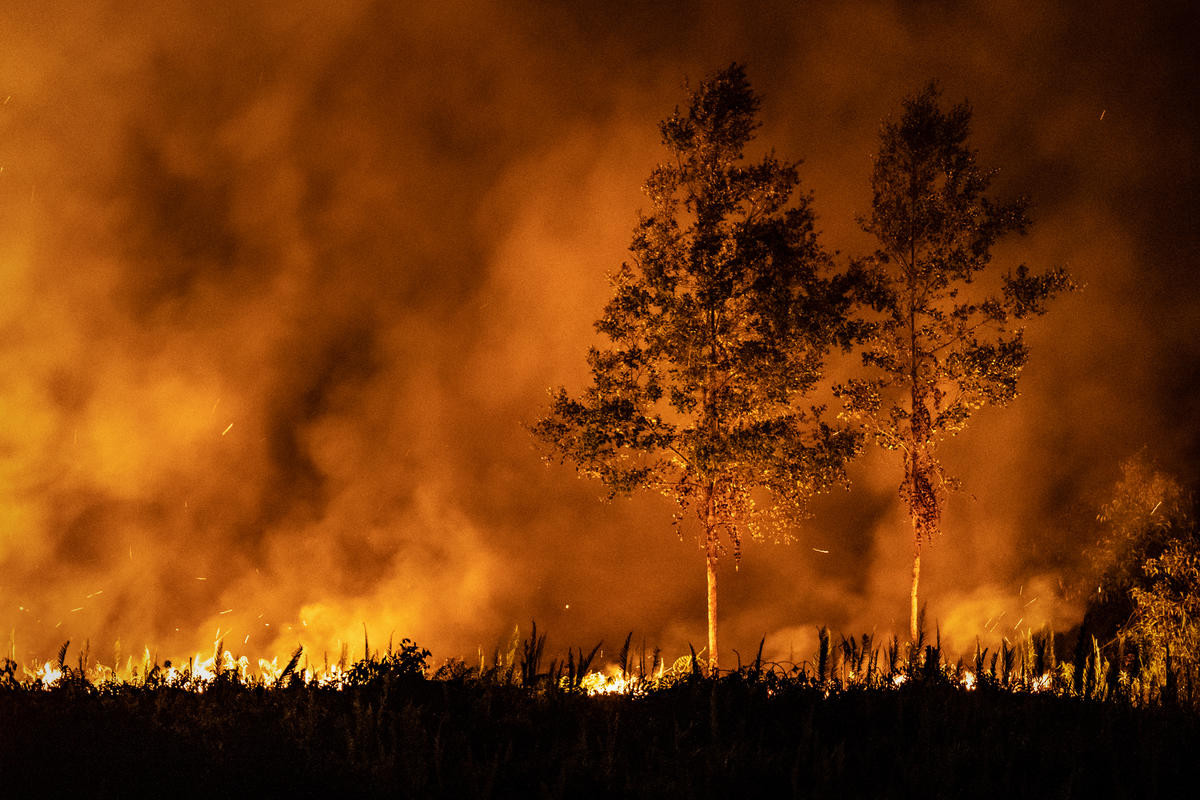
An area eight times the size of Bali has burned in Indonesia in the last five years, new Greenpeace report shows
Greenpeace Southeast Asia's new report ‘Burning Issues: Five Years of Fire’ exposes the total failure of Indonesia’s government to protect forest and peatland from burning.
-
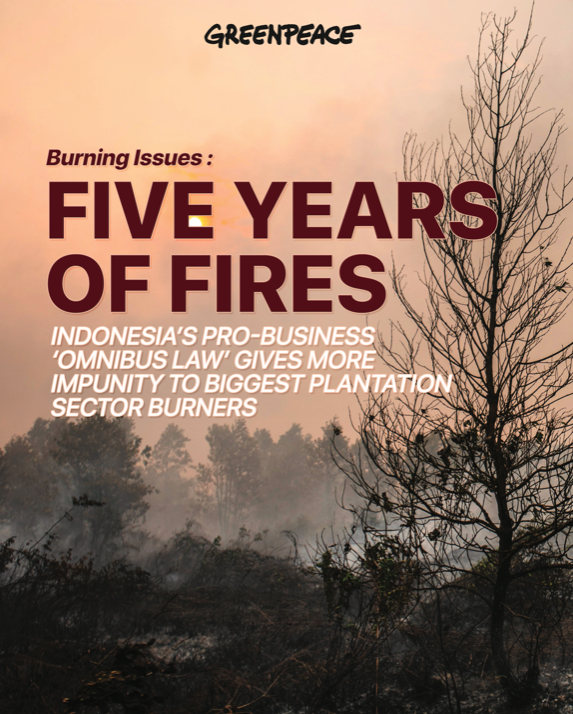
Burning Issues: Five Years of Fire
The 2015 fire season in Indonesia was the worst in nearly two decades, with the blazes for almost a month emitting daily carbon emissions that exceeded those from the entire US economy.
-
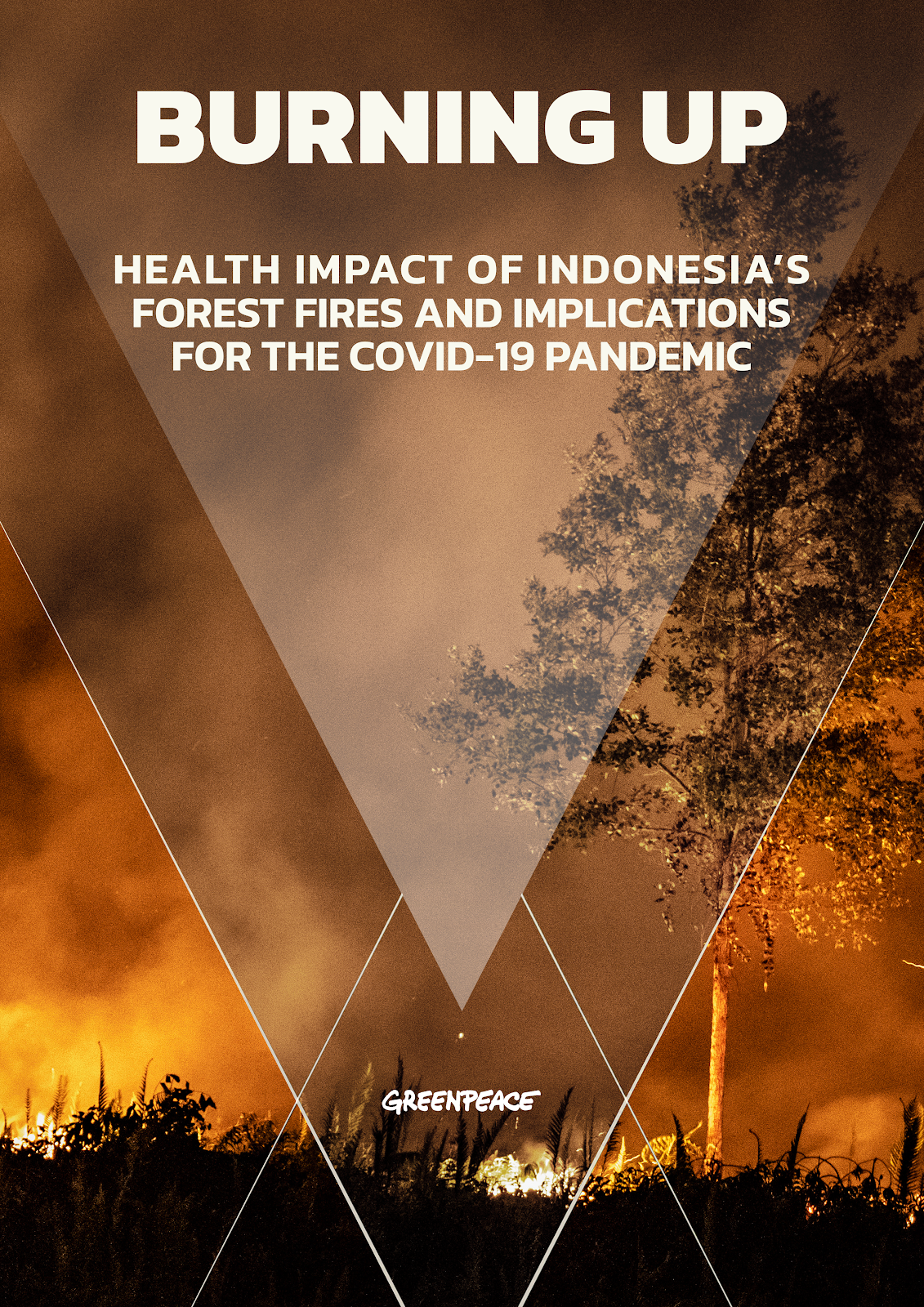
Burning Up: Health Impact of Indonesia’s Forest Fires and Implications for the Covid-19 Pandemic
As Indonesia braces for the 2020 forest fire season, a timely review of data of the effect on smoke-affected communities shows consecutive governments have been consistently and massively underestimating the impact on human health.
-

Real-time counter tracks cost of air pollution during COVID-19
The cost of air pollution counter, developed by Greenpeace Southeast Asia and IQAir AirVisual, reveals the impact of air pollution in 28 cities around the world since 1 January, 2020.
-
Greenpeace’s Response to Sime Darby Announcement to Exit from the HCSA Steering Committee
In response to Sime Darby announcement to exit from the HCSA steering committee, Grant Rosoman Global Forest Solutions Coordinator for Greenpeace International said:
-

Maize, Land Use Change, and Transboundary Haze Pollution
Both the PM2.5 and transboundary haze pollution are directly related to the growth of monoculture agriculture in Thailand and in the neighboring countries. There is evidence that maize pricing varies with the number of fire hotspots. When there is a high demand for maize, there is also a higher number of hotspots.
-
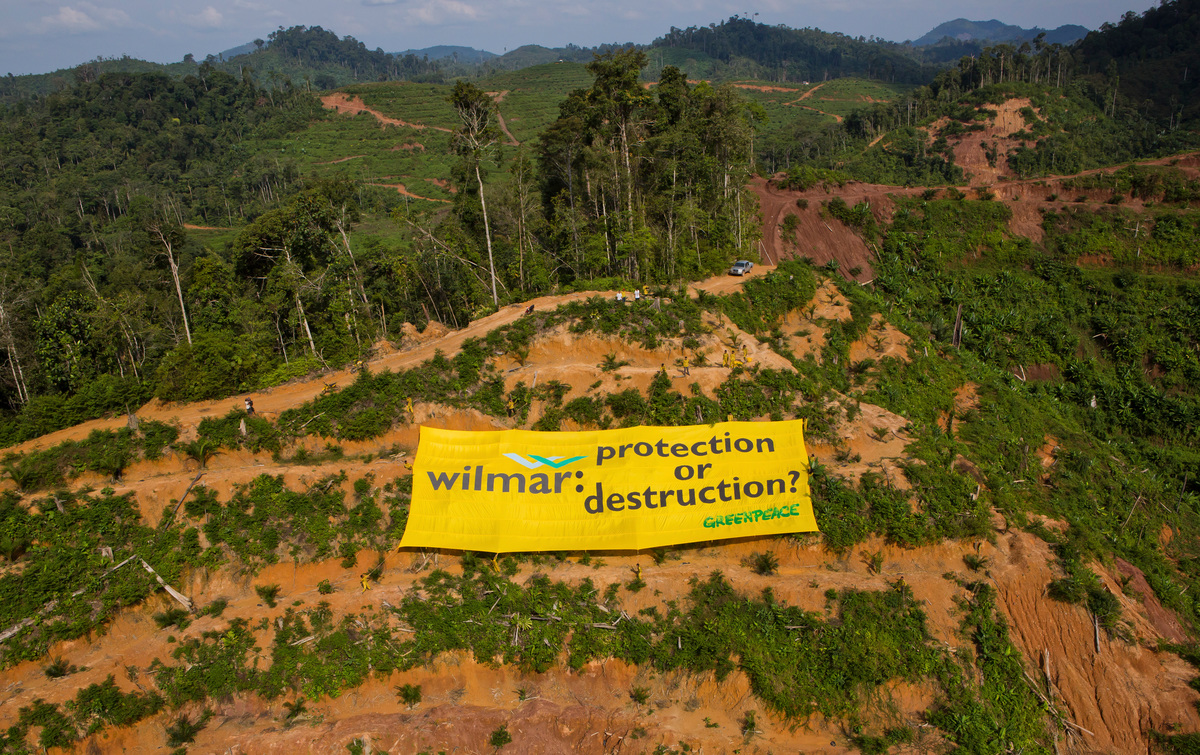
Wilmar International’s exit from the High Carbon Stock Approach marks its failure to end deforestation
Wilmar International, the world’s largest palm oil trader, has taken a further backward step in implementing its commitment to removing deforestation from its commodity supply chains by resigning from the High Carbon Stock Approach (HCSA) the most credible and widely supported mechanism by which to identify and protect forested areas in plantation company concession areas.
-
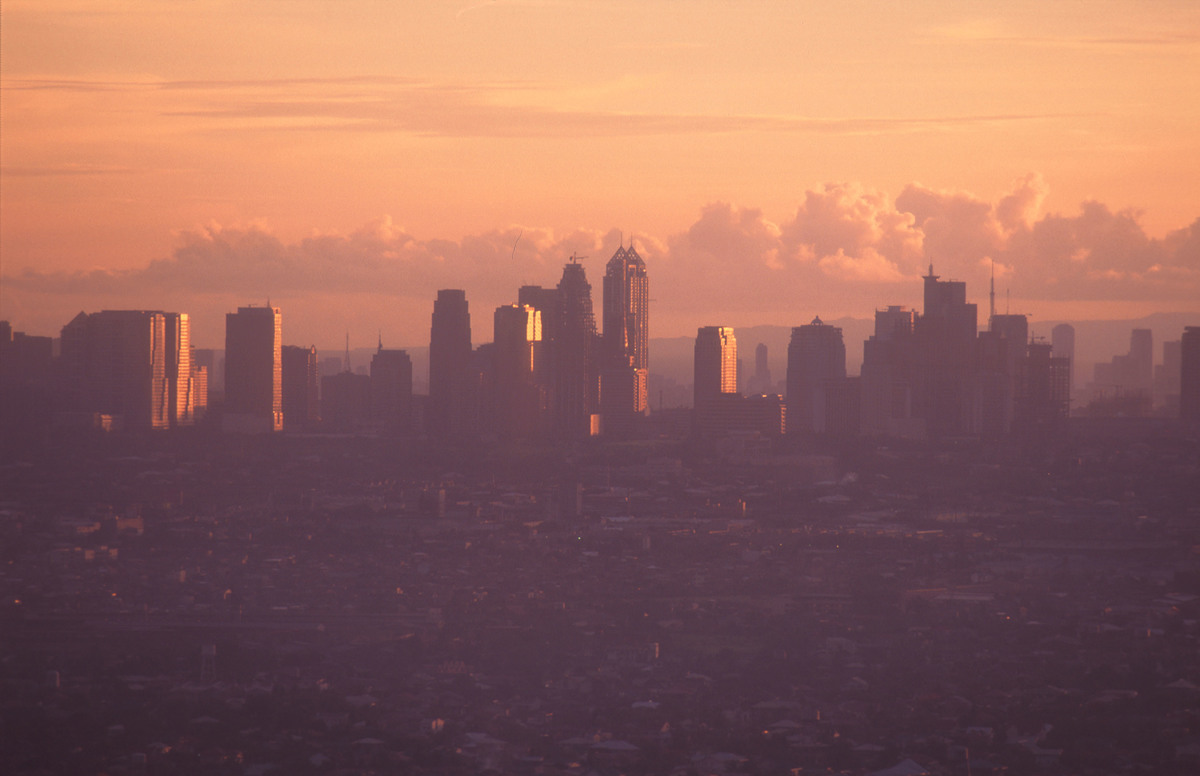
Air pollution a silent killer: Green groups call on govt to take immediate steps to improve air quality in the country
The recent 2019 Air Visual report places the Philippines in the 58th spot out of 98 countries with locations from where air quality data was collected. But the groups emphasize that while available Air Visual data did not place the Philippines as among the countries with the worst air quality, the data nevertheless shows that…