
All articles
-
Southeast Asia beyond the gas hype
The conversations sparked by #LiterallyNastyGas remind us of something simple but important.
-
Why fossil gas is a bad deal for Southeast Asia
Fossil gas is often described as a cleaner and safer option for our region. But when you look closely at the evidence.
-

Understanding fossil gas, methane, and LNG
Fossil gas is often surrounded by confusing technical terms. This glossary breaks down the key concepts in clear and simple language, so you can understand exactly why fossil gas is…
-
Greenpeace brings #SaveRajaAmpat to UNEA Forum, urges better governance for ‘energy transition’ minerals
In Fiji, Greenpeace Southeast Asia calls for global governance on minerals needed for energy transition
-

Greenpeace Thailand Statement Thai Oil Public Company Limited must be held accountable for oil spill and take immediate action on environmental restoration and compensation measures.
Following the crude oil spill at SBM-2 (Single Buoy Mooring No. 2), operated by Thai Oil Public Company Limited, which occurred at approximately 11:54 p.m.…
-

From Manila to LA: How Greenpeace is turning Make Polluters Pay into law
Whether you live in Manila or in Los Angeles, you’re already feeling the impacts of the climate crisis. Scientific studies confirm Big Oil’s greenhouse gas emissions makes catastrophes significantly more likely to occur.
-
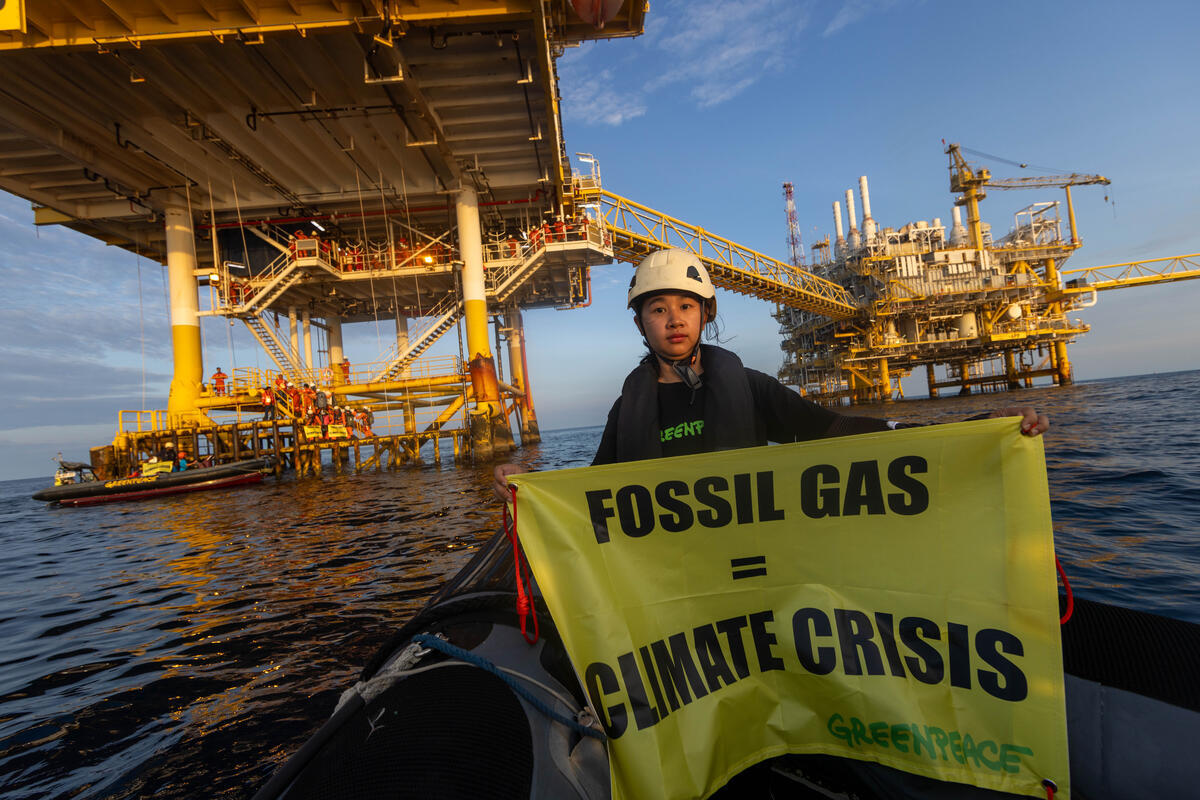
Greenpeace activists scale fossil gas platform in Gulf of Thailand to challenge offshore carbon capture scam
Activists from Greenpeace flagship Rainbow Warrior conducted a peaceful banner protest against a proposed offshore carbon capture and storage(CCS) site.
-
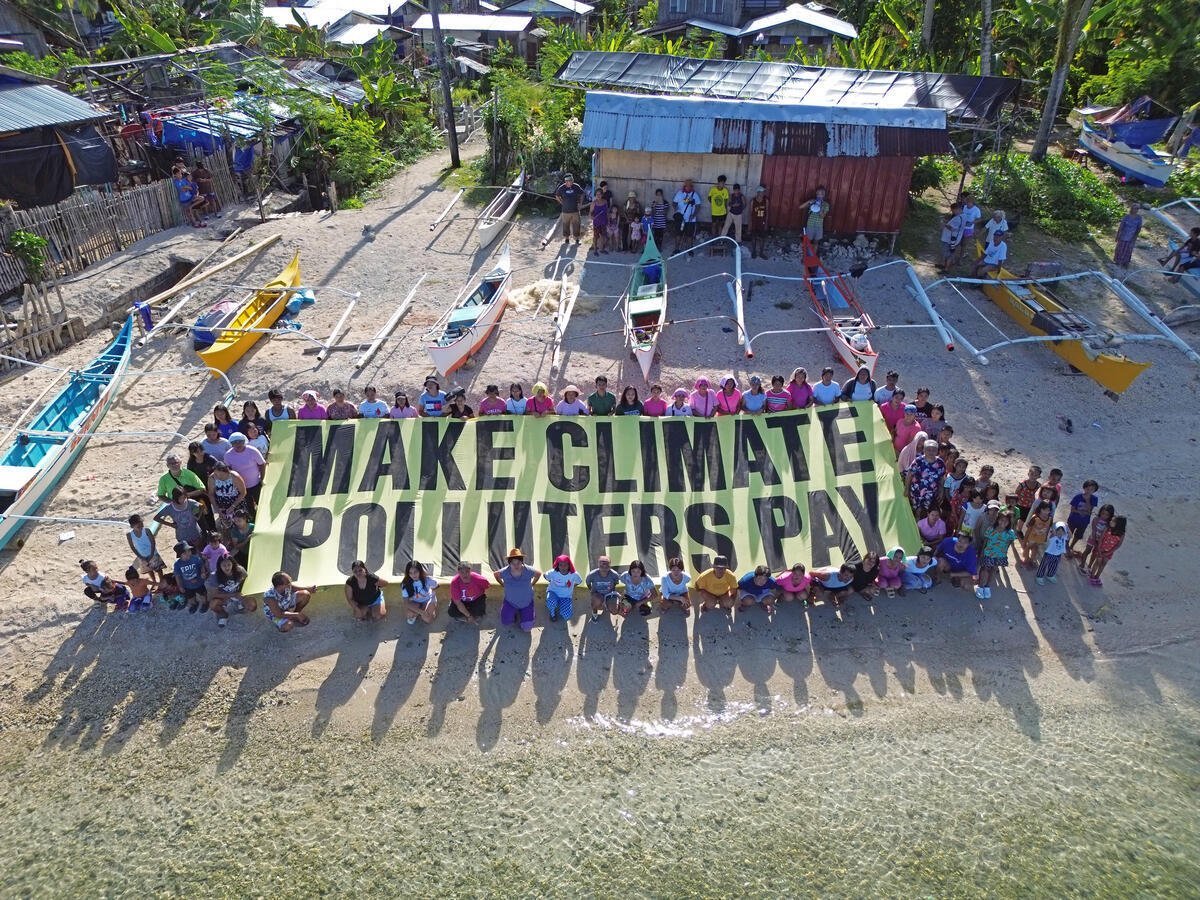
Filipino joins landmark transnational climate litigation against oil company
International plaintiffs filed a criminal case in Paris against TotalEnergies’ board of directors and main shareholders for their contribution to climate change and its fatal impact on human and non-human lives.
-
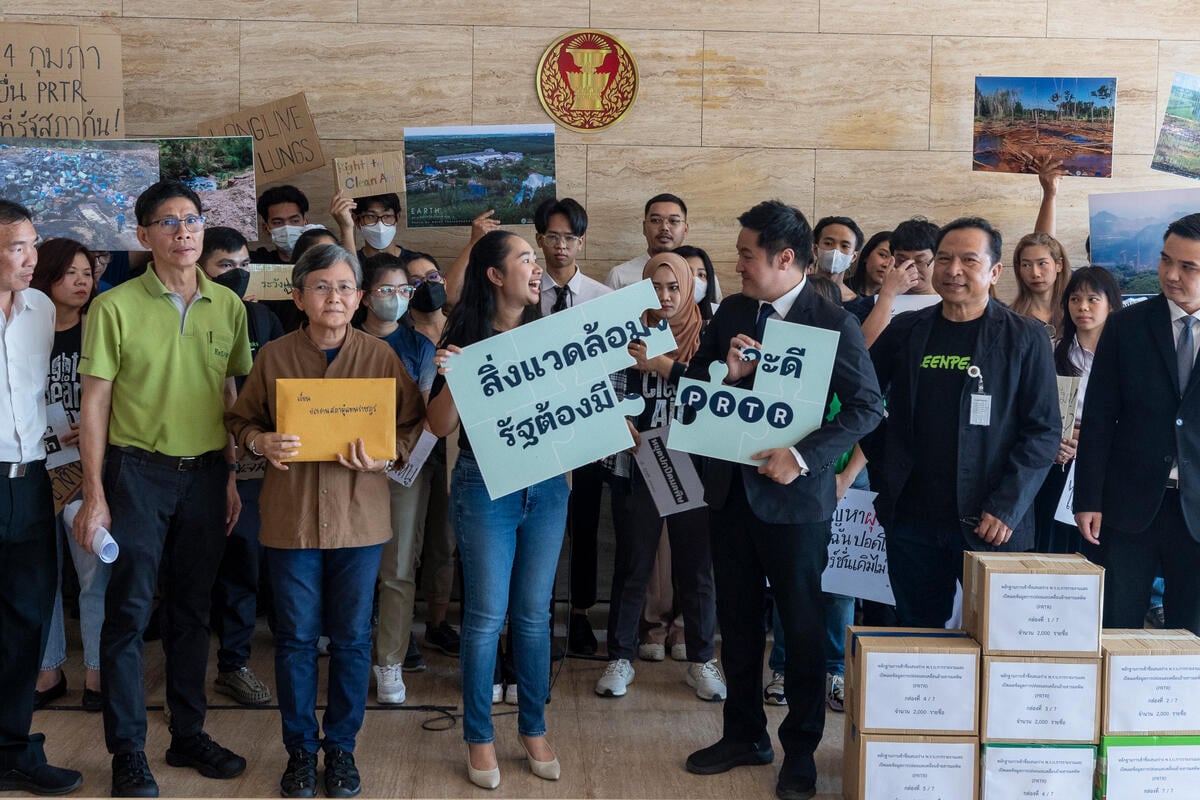
Over 12,000 signatures urge PM Thavisin to make Thai PRTR Law a reality
Used as an environmental policy in other countries, the proposed Thai PRTR law can serve as a vital tool in disclosing public information and in seeking corporate accountability. The PRTR law promotes the community’s Right-to- Know.
-
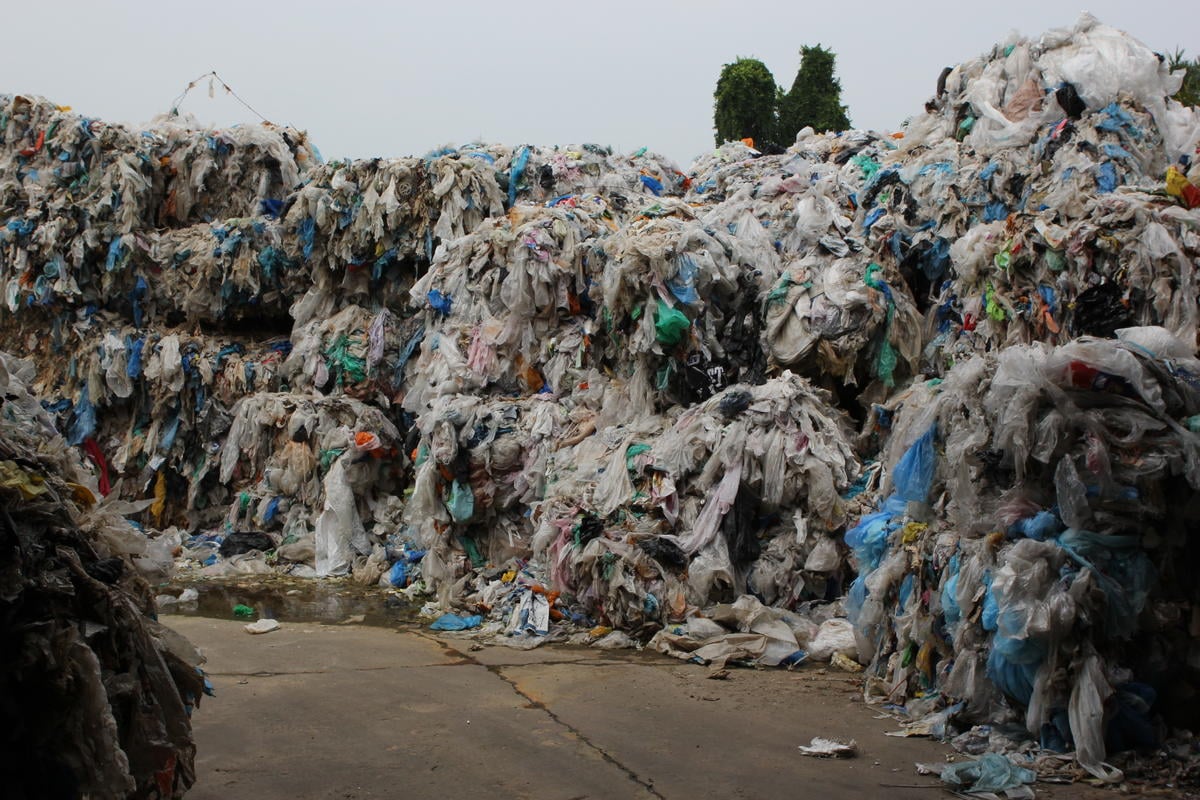
Malaysia’s Waste-to-Energy plans are a wasted opportunity
It is only fair that citizens ask questions and demand full disclosure of the status of state landfills and their waste projections for the next 10 to 30 years. What are the consequences of rehabilitating existing landfills instead of building Waste-To-Energy facilities?