-
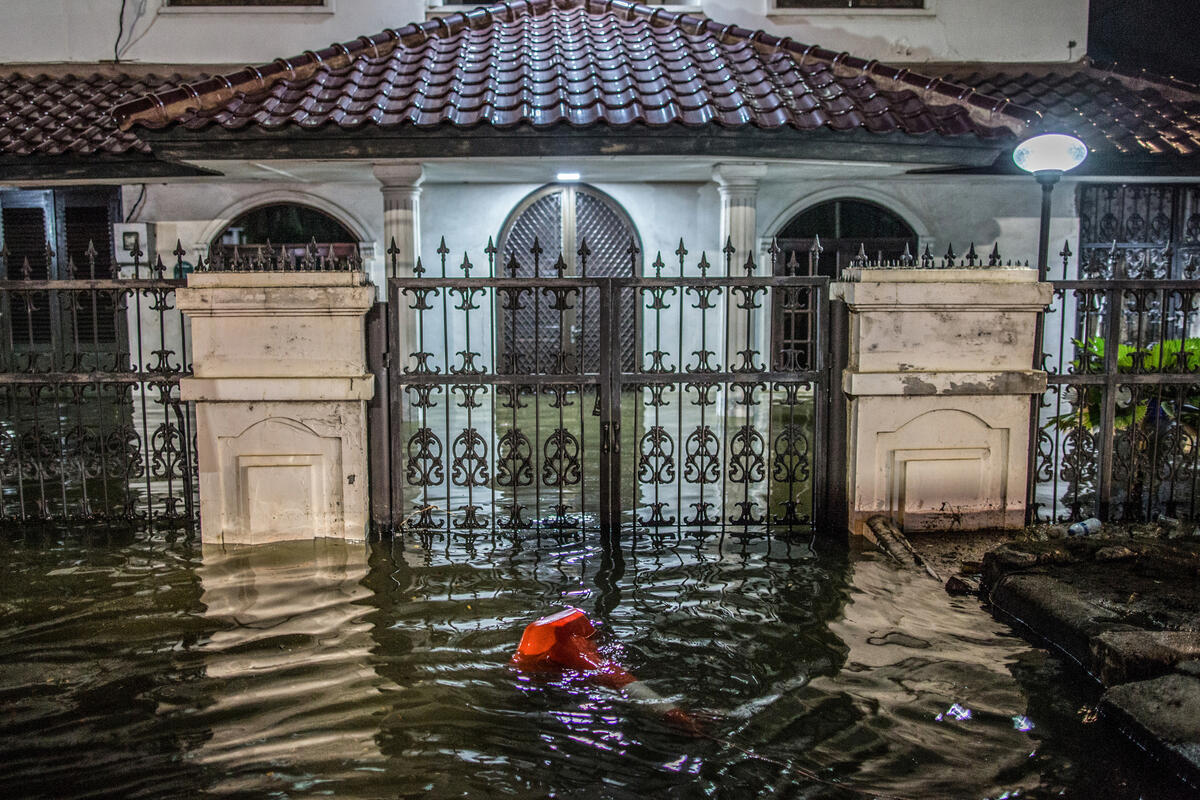
Sea Level Rise Poses Economic Threat to Asia Coastal Cities
A new Greenpeace East Asia report estimates that by 2030, 15 million people across the seven cities will live in areas at risk of flooding. The analysis is one of the first of its kind to use high spatial resolution data to suggest the areas of each city that are at risk from floods.
-
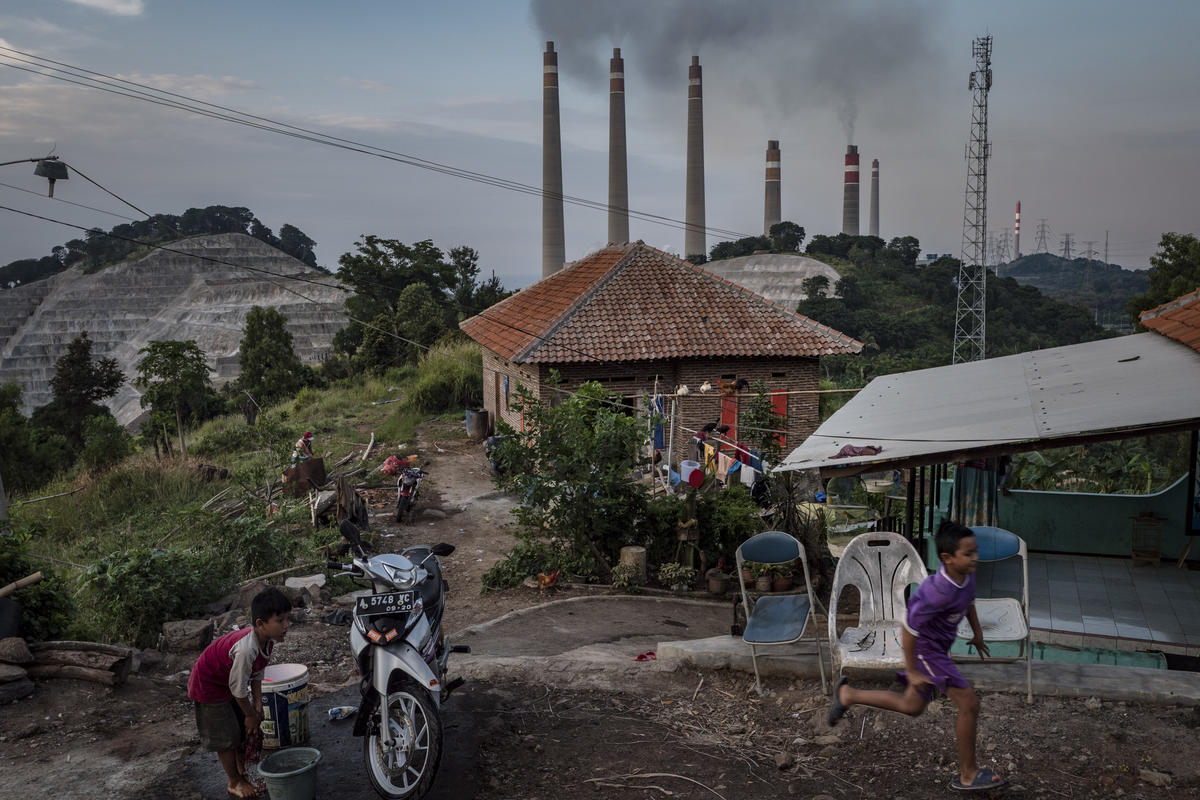
CIMB exits coal finance
Effective in 2021, CIMB will no longer finance new or expansions of thermal coal mines and coal-fired power plants, except where there is an existing commitment. CIMB has committed to developing a comprehensive plan to reduce its coal exposure to zero by 2040.
-
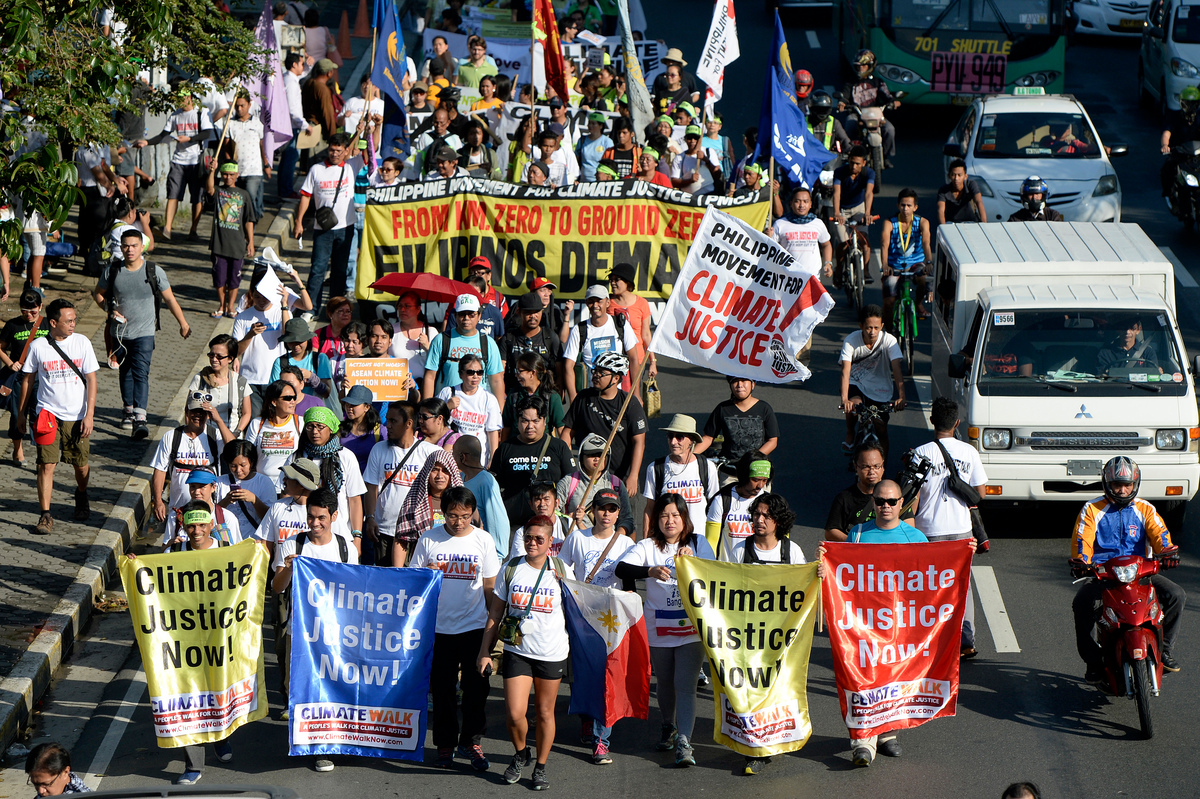
Greenpeace lauds the Philippine House of Representatives for climate emergency declaration push
Among the key components of the resolution is to call on major carbon emitters, locally and abroad, to take responsibility for climate change, reinvest in renewable and sustainable energy, as well as encourage local governments to issue climate emergency declarations.
-
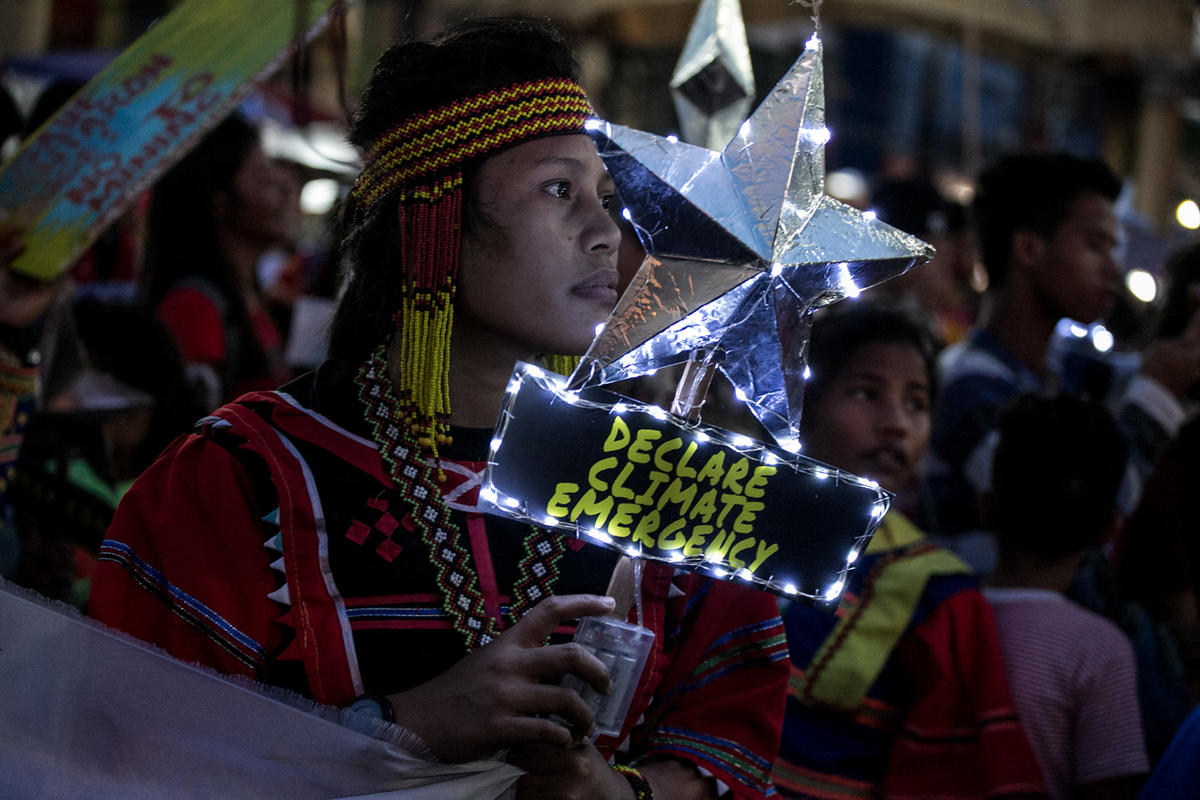
Climate Emergency declaration key to determining crucial steps to protect Filipinos from disasters – Greenpeace Philippines
Declaring a climate emergency also calls for establishing an enjoined whole-of-government and whole-of-society approach to strengthen climate response; charging the relevant government agencies and the Congress to adopt policies and enact laws to protect the climate, on the basis of climate justice...
-

Greenpeace Philippines welcomes moratorium on new coal plants; renews call for energy transition to RE
Data from a recent Greenpeace report shows that the Philippines can easily achieve 50% RE power generation by 2030 solely through solar and wind capacity. To enable this to happen, the DOE must support their declaration with concrete policy measures such as removing financial incentives for coal and other fossil fuel power projects, imposing higher…
-
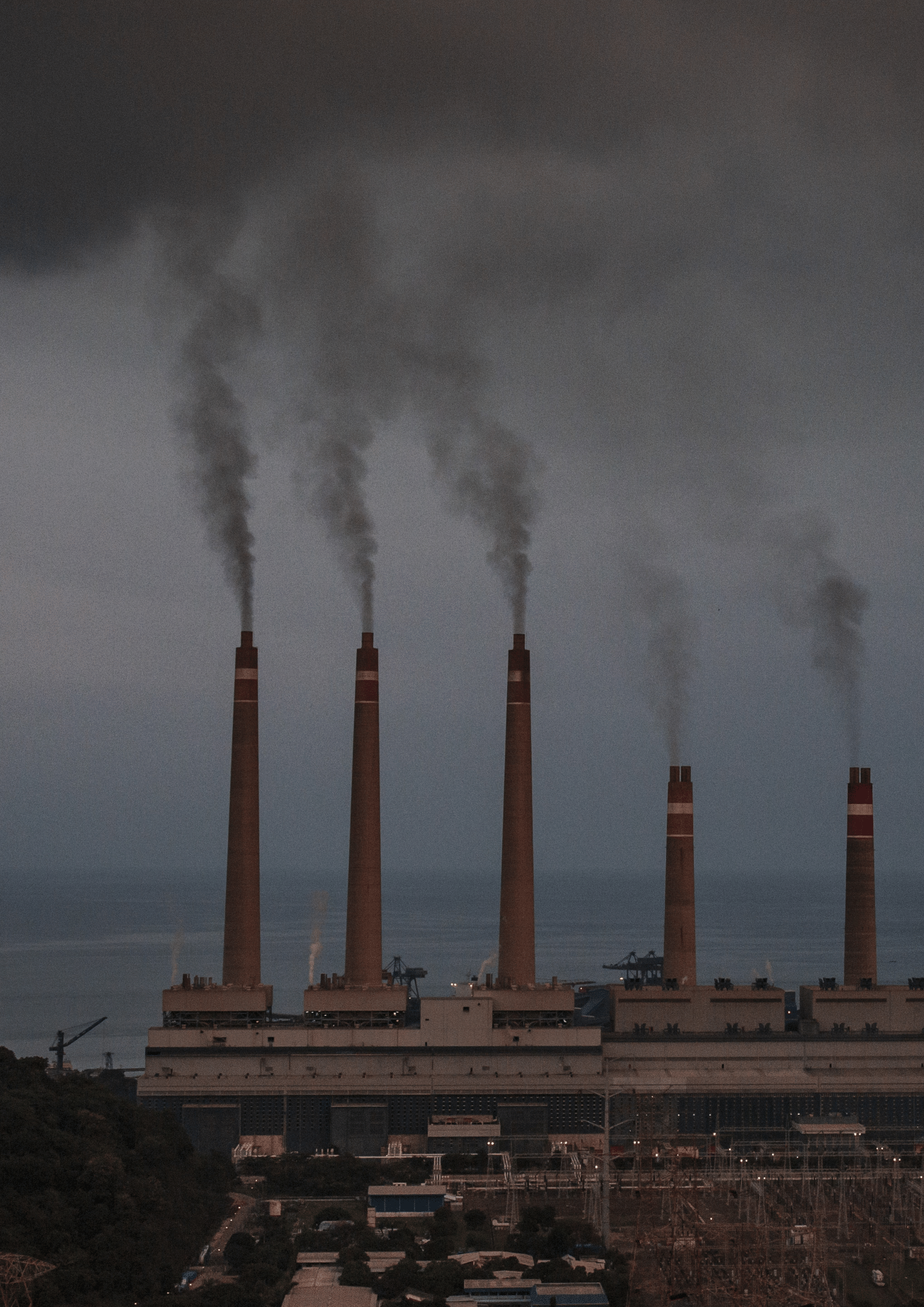
Southeast Asia Power Sector Scorecard: Assessing the progress of national energy transitions against a 1.5 degrees pathway
The inevitable end of coal power has been known by policymakers and project developers for decades, and was formalized by the ratification of the Paris Agreement in 2015.
-
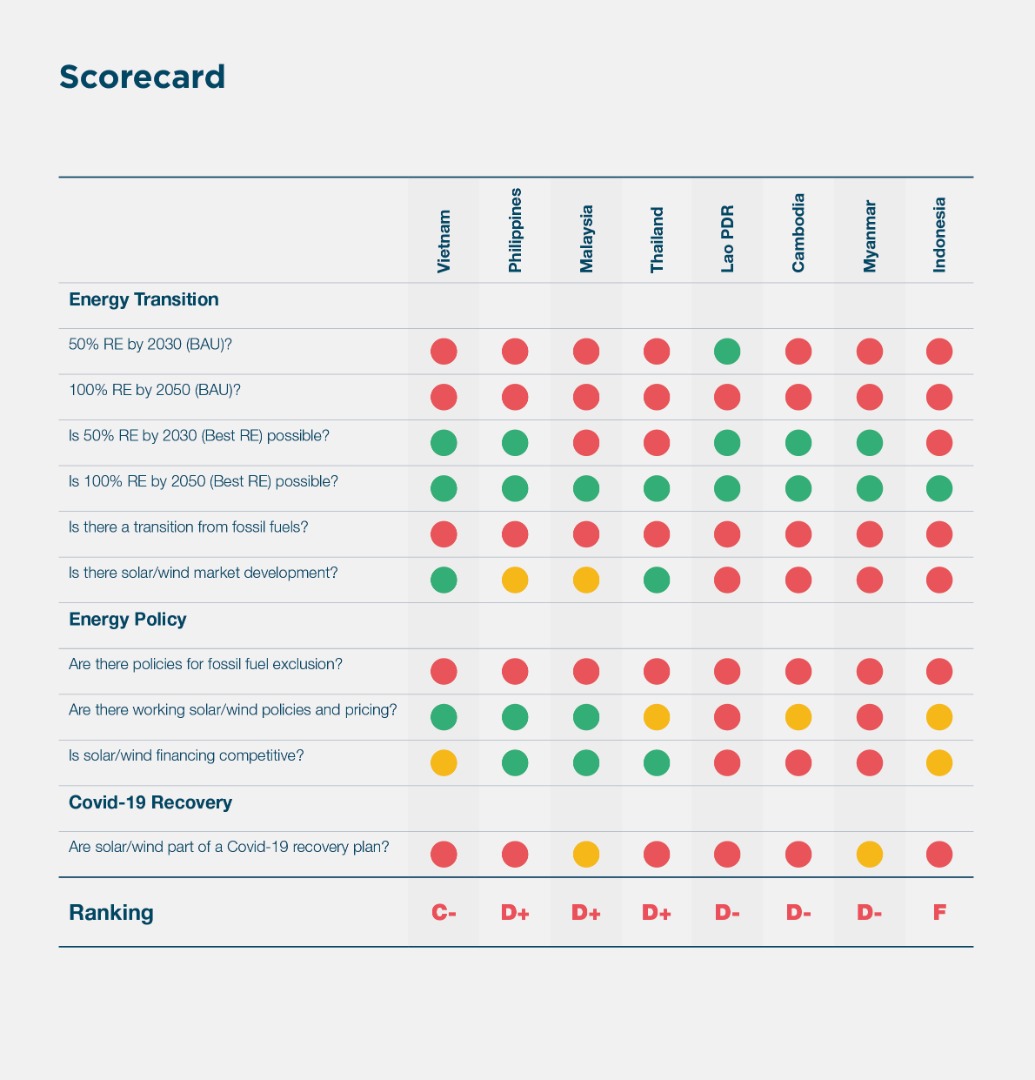
Southeast Asia power sector scored: Bottlenecks and bailouts pose major climate risks
The scorecard maps business-as-usual and best-case-renewable-energy scenarios for eight countries -- Indonesia, Vietnam, Thailand, the Philippines, Malaysia, Laos, Cambodia, and Myanmar -- using International Panel on Climate Change (IPCC) 1.5 degrees pathway. This graded snapshot of each country’s energy transition, fossil fuel exclusions, solar and wind market development, policies and pricing, competition, and Covid-19 stimulus…
-
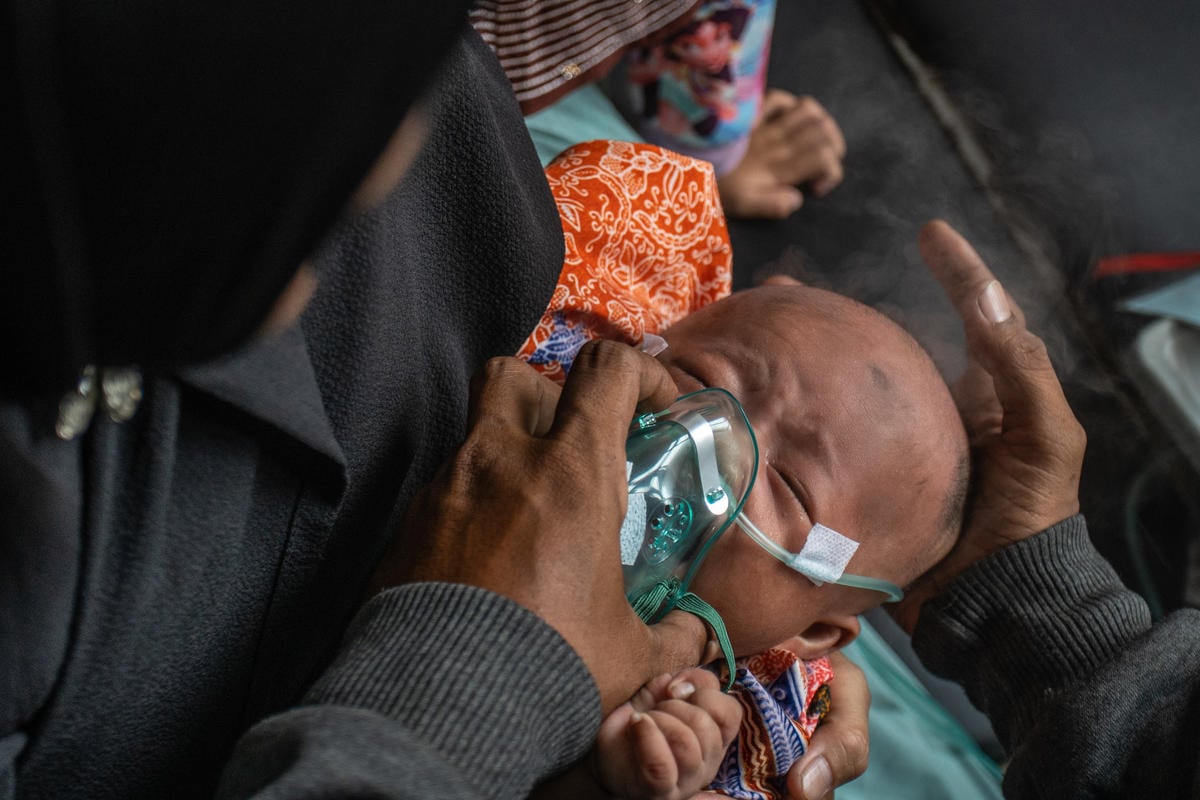
Forest Fires Haze: New Greenpeace report reveals alarming health impacts and links to severity of COVID-19
Governments in Southeast Asia have massively downplayed the health impacts of Indonesia’s forest and peatland fires according to a new report released today by Greenpeace Southeast Asia.
-
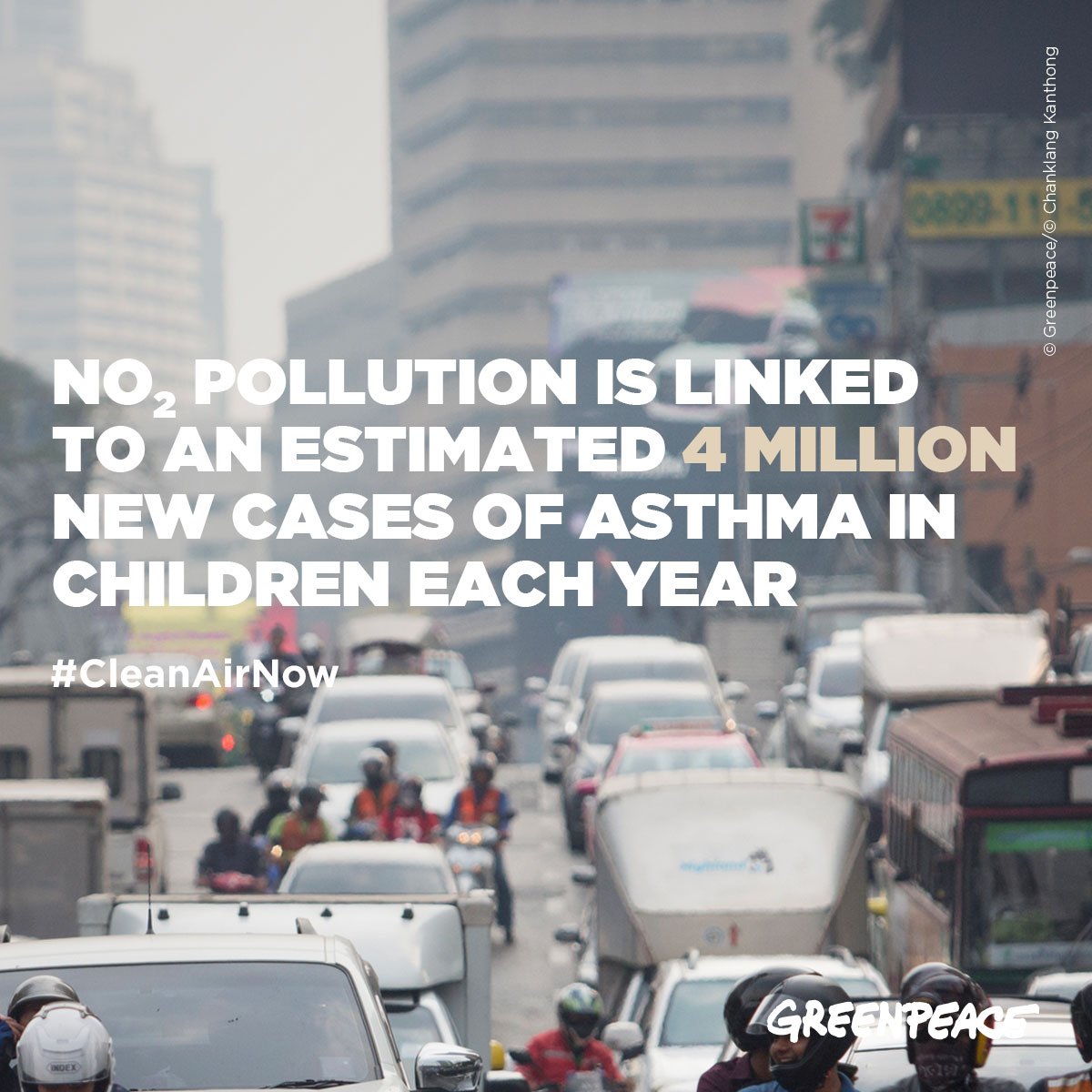
Toxic Air: The Price of Fossil Fuels (Full Report)
This report reveals the cost of air pollution from fossil fuels and highlights solutions that can protect our health and benefit our communities. Air pollution generated from burning fossil fuels is attributed to approximately 4.5 million premature deaths worldwide every year, the report shows. Air pollution increases the incidence of chronic and acute illnesses and…
-
First-ever finding on corporate responsibility for climate crisis issued by CHR; Groups hail landmark climate justice victory for communities
In its groundbreaking investigation, the CHR announced that the 47 investor-owned corporations, including Shell, ExxonMobil, Chevron, BP, Repsol, Sasol, and Total, could be found legally and morally liable for human rights harms to Filipinos resulting from climate change.
