• Skip to Navigation
  • Skip to Content
  • Skip to Footer
Greenpeace
  • What We Do
    • Climate and Energy
    • Forests
    • Oceans
    • Plastic Pollution
  • About Us
    • How We Create Change
    • History And Achievements
    • Greenpeace Ships
    • Greenpeace Careers
    • Contact Us
  • Act Now
    • Volunteer
    • Living Green Guides
  • News and Stories
    • Press Desk
    • Latest Publications
    • Our Fundraising Principles
  • What We Do
  • About Us
  • Act Now
  • News and Stories
Greenpeace
  • Home
  • What We Do
    • Climate and Energy
    • Forests
    • Oceans
    • Plastic Pollution
  • About Us
    • How We Create Change
    • History And Achievements
    • Greenpeace Ships
    • Greenpeace Careers
    • Contact Us
  • Act Now
    • Volunteer
    • Living Green Guides
  • News and Stories
    • Press Desk
    • Latest Publications
  • DONATE
    • Our Fundraising Principles

News & Stories

  • Forests
    Forests Forest Fires Indonesia

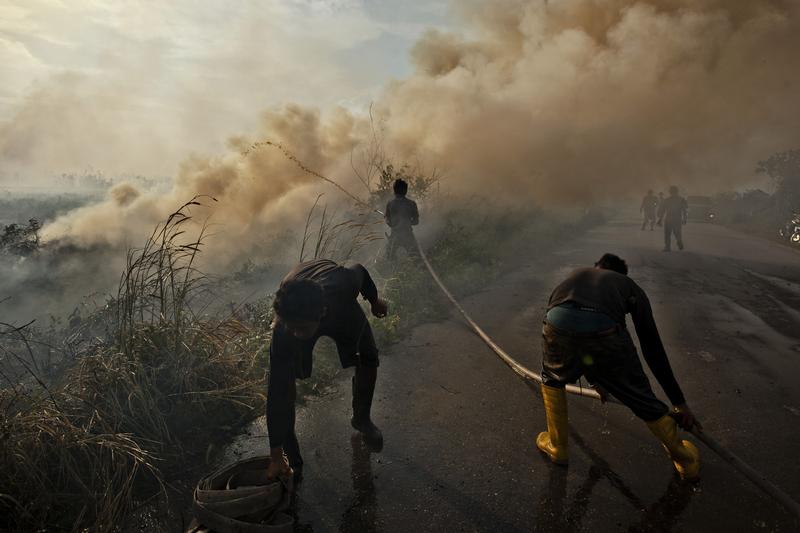
    One million hectares burned inside Forest Moratorium area, Greenpeace analysis shows 

    Greenpeace mapping analysis shows that 1.2 million ha of forest has been lost inside moratorium areas in the seven years since it was first introduced, at an average annual rate of 137,000 ha per year. In the seven years before the moratorium was introduced the annual average deforestation rate was 97,000 ha per year.  

    Greenpeace Southeast Asia
    August 8, 2019
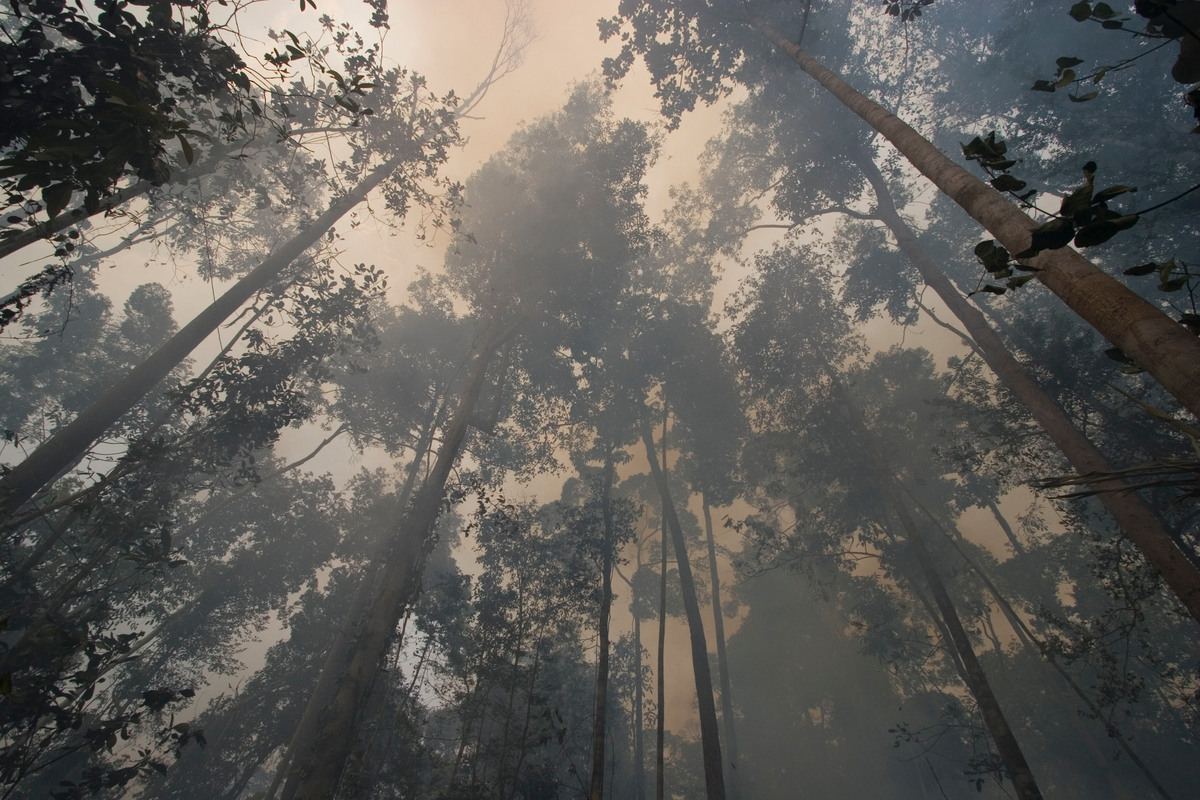
  • Forest Fires in Indonesia. © Greenpeace / Vinai Dithajohn
    Deforestation
    Forests Climate Indonesia

    President Jokowi must accept fires verdict and show he is serious about ending forest fires and people’s suffering

    The Supreme Court of Indonesia last week rejected an appeal filed by President Joko ‘Jokowi’ Widodo against a ruling that his national administration and its provincial counterpart failed to do enough to prevent the devastating forest fires which ravaged West and Central Kalimantan and many other provinces during 2015. Indonesia’s highest court reinforced the earlier…

    Greenpeace Southeast Asia
    July 23, 2019
  • Plastic Crisis
    Consumption Plastic Thailand ASEAN

    Greenpeace Statement on the ASEAN Framework of Action on Marine Debris

    The Bangkok Declaration and the ASEAN Framework of Action on Marine Debris is a good example of how regional action can be achieved to address a common challenge. However, the Framework falls short of addressing the plastic pollution problem at root, by giving more focus to waste management rather than the need to reduce the…

    Greenpeace Southeast Asia
    June 24, 2019
  • Plastic Crisis
    Consumption Plastic ASEAN

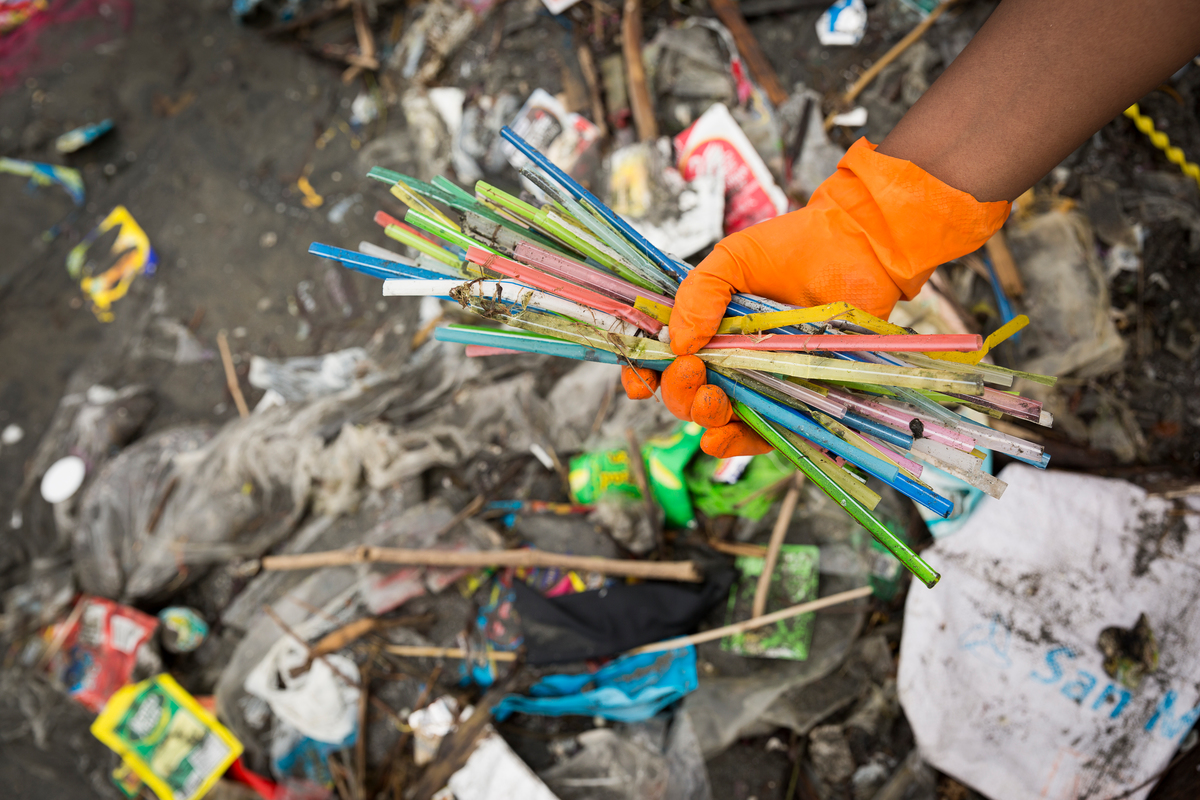
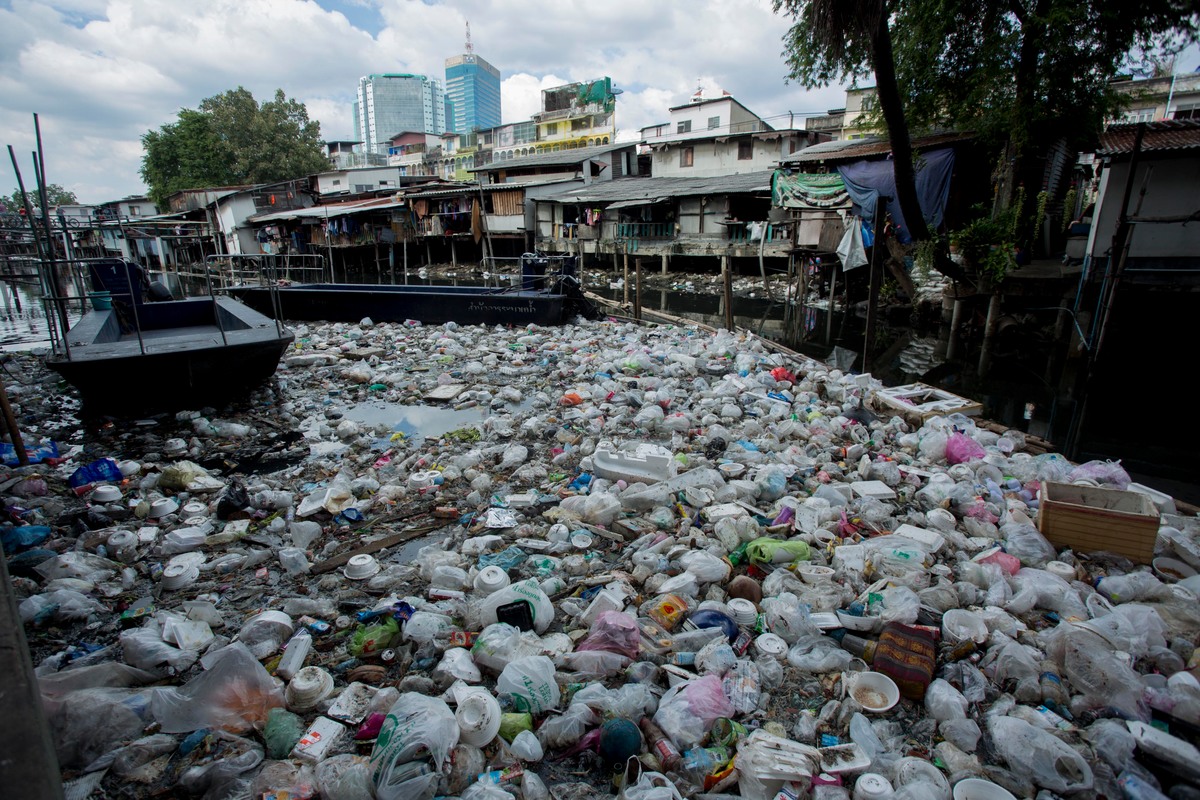
    ASEAN leaders welcomed by “mountain of trash” and calls to ban plastic and e-waste imports

    Activists holding banners saying ‘No Space for Waste’ unveiled the spectacle during a protest by environmental groups, including Greenpeace, and community representatives from across Thailand outside the Ministry of Foreign Affairs of Thailand - which has been chosen as the ASEAN-National Secretariat - a major focal point during this week’s talks.

    Greenpeace Southeast Asia
    June 20, 2019
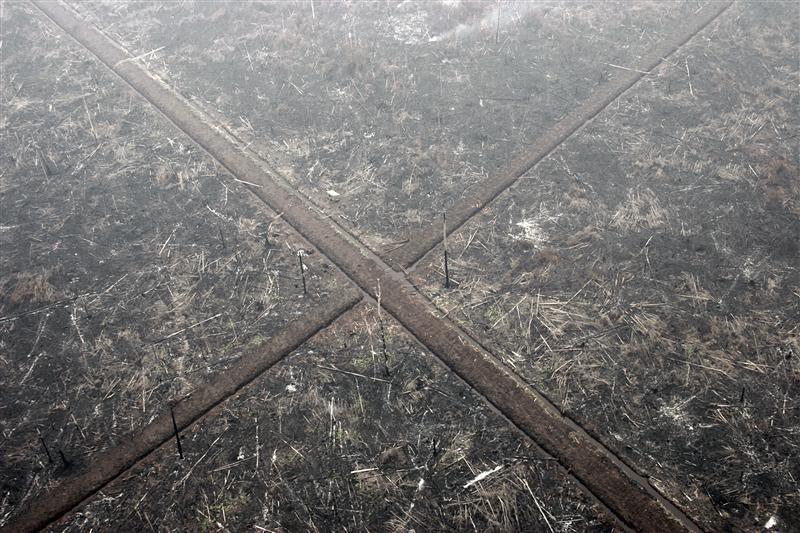
  • An aerial view of a large field of deforested land. Bulldozer tracks divide the area and fallen trees lie in different sections.
    Deforestation
    Climate Consumption Forests

    Greenpeace statement to Golden Agri-Resources response

    "Eight years ago, GAR committed to forest protection and extended that to cleaning up its third-party suppliers in 2014. After five years we would have expected any serious company to have completed this. However,  GAR is still at the stage of mapping pilots with no commitment to transparently map and monitor all suppliers at the…

    Greenpeace Southeast Asia
    June 19, 2019
  • Plastic Crisis
    Consumption Plastic ASEAN

    Community Rights Advocates Challenge to ASEAN Leaders: End the Toxic Trade in Plastics and E-Waste

    As the 34th ASEAN Summit gets underway, chaired by Thailand under the theme of “Advancing Partnership for Sustainability,” community rights advocates from Malaysia, Philippines and Thailand are uniting to challenge ASEAN leaders to establish bold and visionary regional policies to immediately ban the flow of foreign plastic waste and e-waste entering the region, and regulate…

    Greenpeace Southeast Asia
    June 18, 2019
  • Deforestation
    Consumption Forests Palm Oil Indonesia

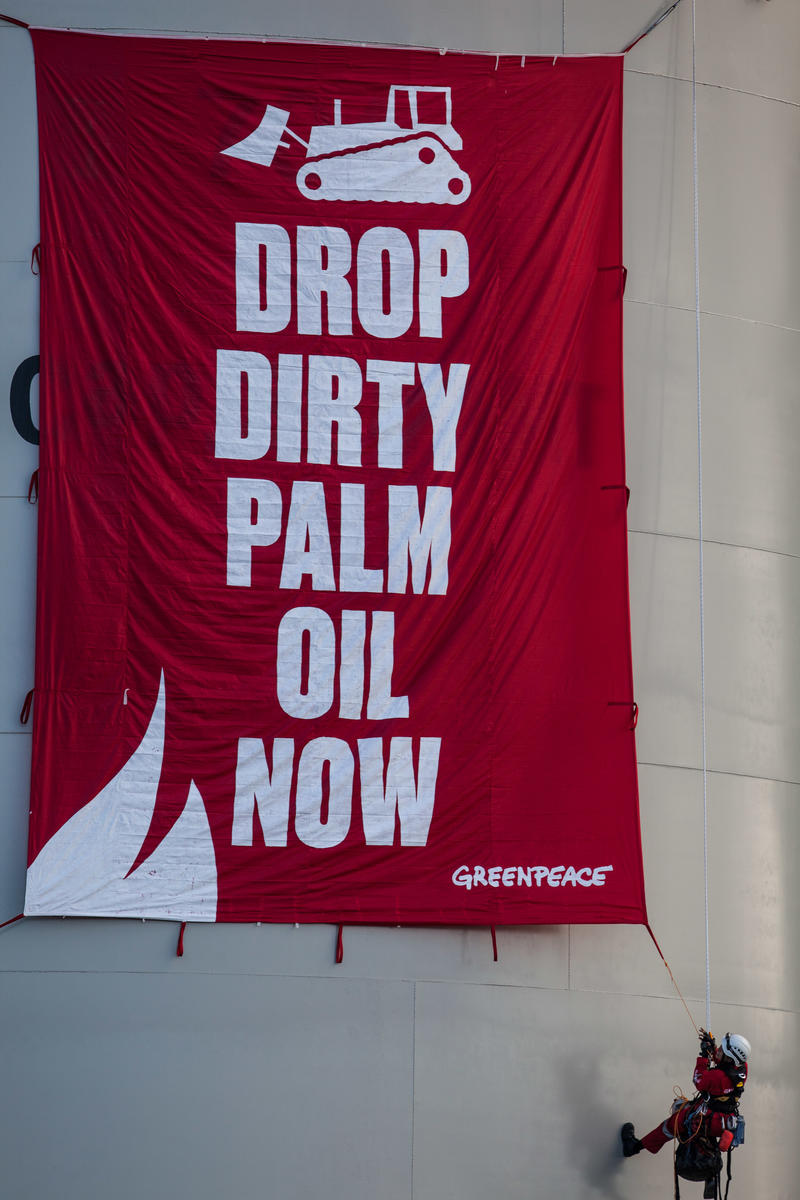
    50 million hectares of forests destroyed worldwide, as palm oil sector in Indonesia continues unreformed

    By 2020, at least fifty million hectares of forest – an area the size of Spain –  is set to be destroyed  for commodities despite ten years of corporate commitments to end deforestation, according to a new Greenpeace International report.

    Greenpeace Southeast Asia
    June 11, 2019
  • Plastic Waste Protest in Manila Bay. © Greenpeace / Arnaud Vittet
    Plastic Crisis
    Consumption Plastic Philippines

    Groups say goodbye to Canada waste, urge PH government to ban all waste imports immediately

    The Philippines bid goodbye to the Canadian waste, six years after it was discovered in Philippine ports, environmental groups are calling on the Philippine government to ban all waste imports in the Philippines and ratify the Basel Ban Amendment.

    Greenpeace Southeast Asia
    May 30, 2019
  • Plastic Crisis
    Consumption Plastic Malaysia

    Malaysia’s government returns imported plastic waste to global north

    Greenpeace statement on In response to Malaysia’s decision to send imported plastic waste back to the countries that produced it, such as the UK and Canada.

    Greenpeace Southeast Asia
    May 29, 2019
  • Oil Palm Plantation in Riau. © Ulet  Ifansasti / Greenpeace
    Deforestation
    Consumption Forests Palm Oil Indonesia

    Indonesian government actively blocking efforts to reform palm oil industry

    Ministers in the Government of President Joko Widodo are blocking efforts to reform the palm oil industry. Last week the Indonesian Coordinating Ministry for Economic Affairs ordered palm oil companies not to share information regarding the palm concessions they own.

    Greenpeace Southeast Asia
    May 16, 2019
Prev
1 … 21 22 23 24 25 … 35
Next

Worldwide site list

  • Greenpeace International
  • A
    • Africa
      • English •
      • Français
    • Aotearoa
    • Argentina
    • Australia
    • Austria
  • B
    • Belgium
      • Français •
      • Nederlands
    • Brazil
    • Bulgaria
  • C
    • Canada
      • English •
      • Français
    • Chile
    • Colombia
    • Croatia
    • Czech Republic
  • D
    • Denmark
  • E
    • East Asia
      • 中文简体 •
      • 繁體 •
      • 正體 •
      • 한국어 •
      • English
    • European Union
  • F
    • Finland
    • France
  • G
    • Germany
    • Greece
  • H
    • Hungary
  • I
    • India
      • English •
      • Hindi
    • Indonesia
    • Israel
    • Italy
  • J
    • Japan
  • L
    • Luxembourg
      • Deutsch •
      • Français
  • M
    • Malaysia
    • Mexico
    • Middle East and North Africa
      • العربية •
      • English •
      • Français
  • N
    • Netherlands
    • Norway
  • P
    • Peru
    • Philippines
    • Poland
    • Portugal
  • R
    • Romania
  • S
    • Slovakia
    • Slovenia
    • South Asia
    • Southeast Asia
    • Spain
      • Español •
      • Català •
      • Euskara •
      • Galego
    • Sweden
    • Switzerland
      • Deutsch •
      • Français
  • T
    • Thailand
    • Turkey
  • U
    • UK
    • Ukraine
    • USA
Follow us
  • Facebook
  • Twitter
  • YouTube
  • Instagram
  • LinkedIn
  • Press Desk
  • Jobs
  • Contact Us
  • Sitemap
  • Privacy and Cookies
  • Copyright
  • Terms
  • Community Policy
  • FAQs
  • Archive
Greenpeace Southeast Asia 2026 Unless otherwise stated, the copy of the website is licensed under a CC-BY International License

Manage your cookies preferences

Please select which cookies you are willing to store.

User-experience cookies Always enabled

These cookies will provide you a better experience of our website. You will be able to hide the cookies acceptance banner and use the website features better. The non-acceptance of these cookies will give you a cookie-free experience.

These cookies help improving the performance of Greenpeace.org. They are set to collect data such as how long users stay on a page or which links are clicked. This helps us make better content based on your experience navigating the website.

We use cookies to enhance your experience. By accepting the cookies,  you agree to our Privacy & Cookies Policy. You can change your cookies settings anytime.