
All articles
-

Major consumer brands linked to massive CO2 emissions from Indonesia forest fires
Some of the world’s best known brands are fueling climate change by sourcing palm oil and wood pulp linked to Indonesian forest fires, reveals new Greenpeace International analysis.
-

The RSPO dodges responsibility for its members’ role in Indonesia’s fires crisis
Greenpeace International’s newly published report Burning Down the House shows that 21 of the 30 palm oil producer groups most strongly associated with Indonesia’s ongoing fires crisis are (in whole or part) members of the Roundtable on Sustainable Palm Oil (RSPO). Collectively these RSPO members and their associates account for three-quarters of the fire hotspots…
-
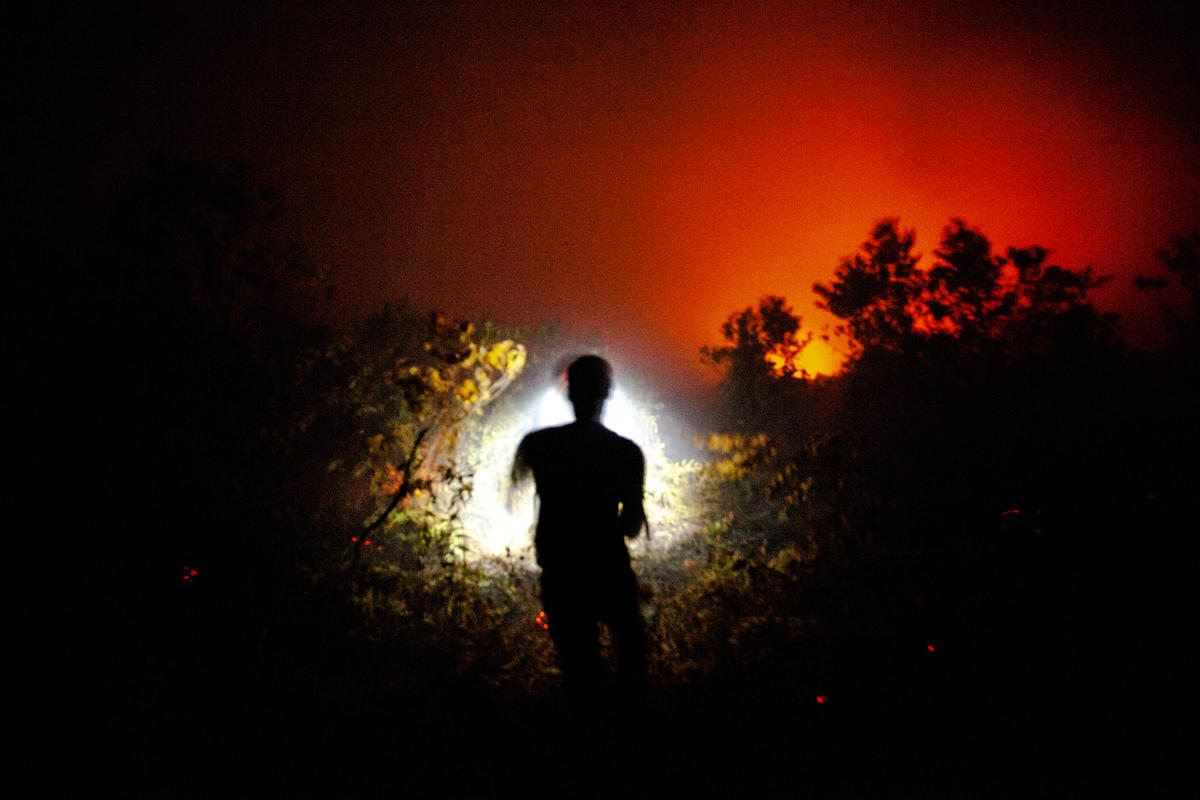
There is no smoke without fire
The fires blazing in Indonesia, that have placed nearly 10 million children at risk, are linked to companies widely considered to be “sustainability leaders” in palm oil. Greenpeace International’s research found that Unilever, Mondelez, Nestle, and P&G are each linked to nearly 10,000 fire hotspots in 2019 alone.
-

ASEAN HAZE 2019: THE BATTLE OF LIABILITY
Indonesia saw massive forest fires and haze during the period July - October 2019. Transboundary haze from these fires, particularly from sources in in Sumatra and Kalimantan reached Singapore and Malaysia during September 2019, noticeably worsening measured air quality.
-
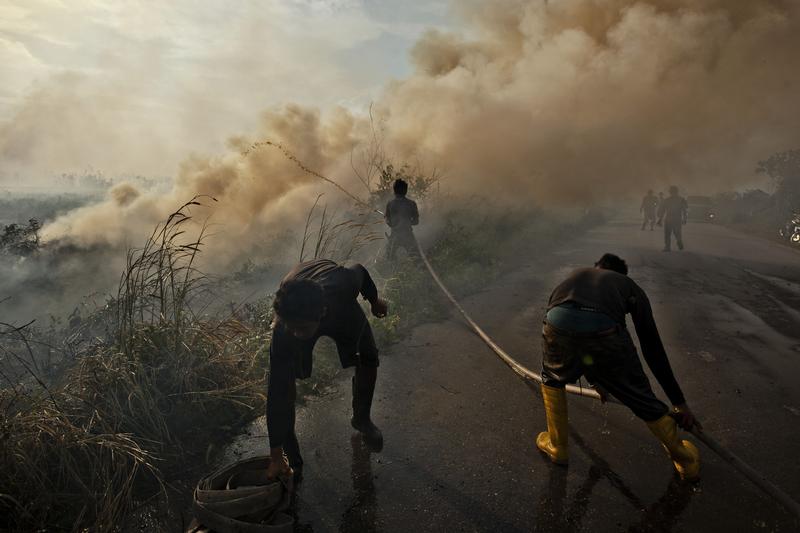
Palm oil and pulp companies with most burned land go unpunished as Indonesian forest fires rage
Despite the ongoing Indonesian forest fire crisis, no serious civil or administrative sanctions have been given to the ten palm oil companies with the largest areas of burned land from 2015 to 2018, new Greenpeace Indonesia mapping analysis revealed. The Indonesian government has also not revoked a single palm oil licence due to forest fires.
-
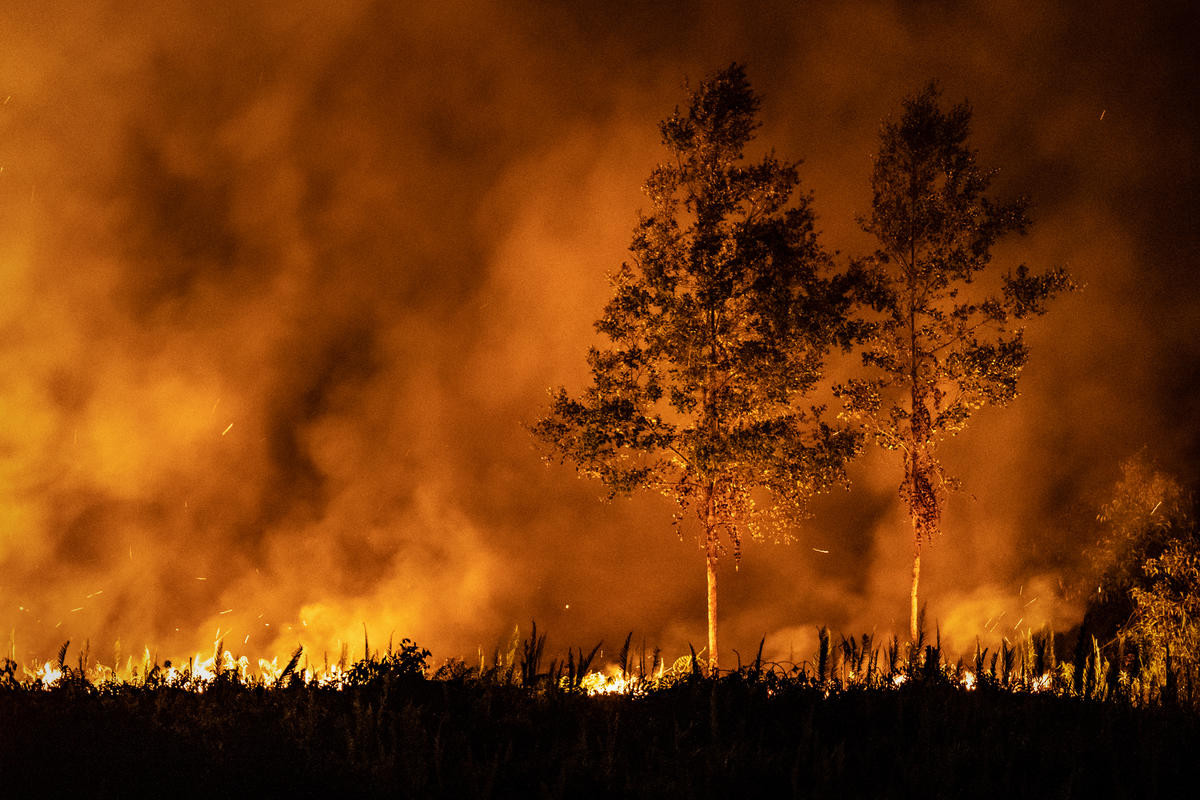
Why we’ve had enough of broken promises to protect forests
Today, while the Amazon fires capture international headlines, fires have also been raging here in Indonesia as well that harming the life of so many people.
-

One million hectares burned inside Forest Moratorium area, Greenpeace analysis shows
Greenpeace mapping analysis shows that 1.2 million ha of forest has been lost inside moratorium areas in the seven years since it was first introduced, at an average annual rate of 137,000 ha per year. In the seven years before the moratorium was introduced the annual average deforestation rate was 97,000 ha per year.
-

Girl power at its finest: The women of Greenpeace Tim Cegah Api
Meet the individuals and groups putting their lives at risk to save Southeast Asia’s fragile forests and the wildlife that inhabit it.
-

Celebrating Malaysia Day away from home, for the sake of our forests
Witnessing Greenpeace Forest Fire Protection Team, in action.
-

Preventing and extinguishing forest fires without fires
The forest fire crisis of 2015, one of the worst crises in Indonesia’s history is still fresh in our memory. The disaster in Sumatra and Kalimantan led to the destruction of around 2.6 million hectares of forests and peatlands, causing 103,000 premature deaths of people in the region and increasing the Orangutans’ risk of extinction.…