
Protecting Our Forests From Fires
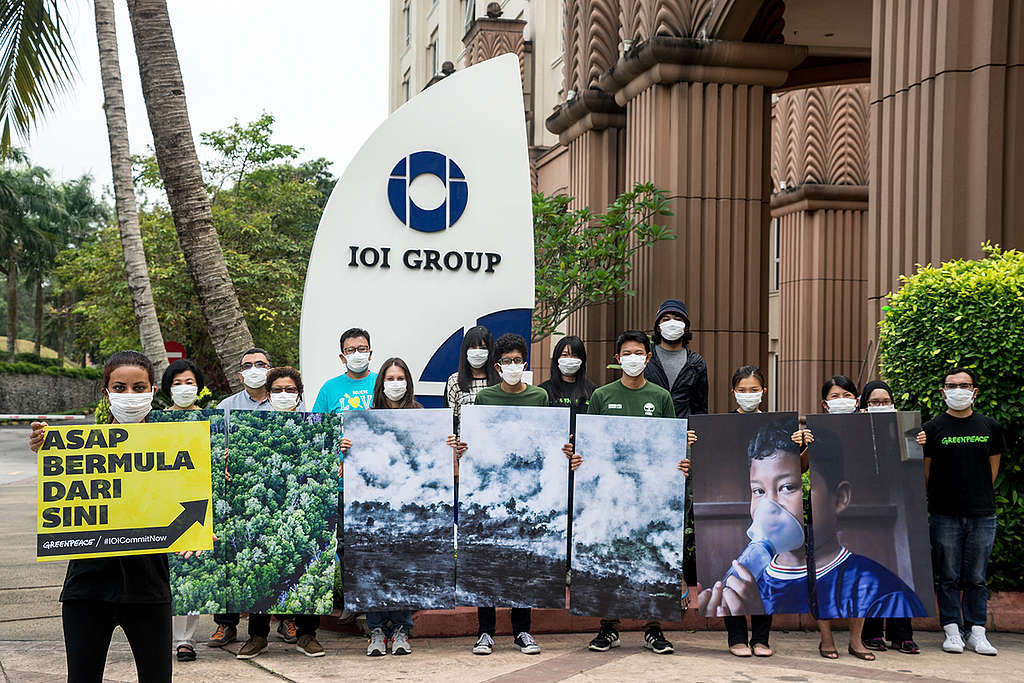
Every year, a thick haze descends on Indonesia and its neighbours, caused by the systematic and illegal clearing of tropical forests and peatlands for industrial palm oil and pulp plantations. Not only is health at risk but these fires release massive amounts of CO2 into our atmosphere.


A widespread problem
Forest fires in Indonesia have profound impacts on both people and the planet. Peaking between July and October, the resulting haze blankets Southeast Asia, causing severe respiratory issues and other health problems, especially for children and the elderly. These fires also contribute massively to global CO2 emissions, accelerating climate change and affecting weather patterns. For city dwellers, this means increased health risks, disrupted daily activities, and the long-term consequences of the climate crisis. Protecting forests and peatlands not only preserves biodiversity but also ensures cleaner air and a more stable climate, directly benefiting urban populations across Southeast Asia.
Who is responsible for Indonesia’s forest fires?
Weak governance, corporate greed, and corruption. Palm oil and pulp & paper companies clear land using illegal slash-and-burn methods to maximize profits. Despite existing regulations, enforcement is often weak due to corrupt practices and political ties, allowing these destructive activities to continue unchecked . The lack of transparency and accountability exacerbates the situation, with many companies evading penalties for environmental violations. This governance failure devastates ecosystems, poses severe health risks, and accelerates climate change, impacting millions across Southeast Asia.

What we can do to put out the fire
Greenpeace envisions a future where forest and peatland fires in Indonesia are a thing of the past. Our Science and investigations are at the heart of all the work we do.
Forest Fire Fighters and Prevention Teams:
Consisting of volunteers from various regions, the Fire Prevention Team work together with communities in affected areas to map, monitor hotspots, and monitor if there is any new peat canal drying, introduce fire prevention techniques in settlements, schools, concession areas, as well as government institutions.
Corporate Campaigning:
Greenpeace pressures corporations to adopt deforestation-free supply chains. We expose companies involved in illegal land clearing for palm oil and pulp & paper and push for sustainable business practices.
Solutions Work (HCV):
Greenpeace promotes the High Carbon Stock (HCS) approach to protect vital forest areas. This method identifies and conserves high carbon and high biodiversity areas, preventing their conversion into plantations.
Transparency and Mapping:
Through initiatives like KepoHutan, Greenpeace pushes for transparency in land use and corporate accountability. They advocate for the release of concession maps and comprehensive land-use data to monitor and prevent illegal activities.
Community and Indigenous Rights:
Greenpeace supports indigenous and local communities in reclaiming and managing their lands. Empowering these communities ensures sustainable land use and protects forests from corporate exploitation. Indigenous knowledge and practices are crucial in maintaining ecological balance and preventing fires.
Ending Corruption:
Greenpeace calls for stringent enforcement of environmental laws and an end to corruption that enables illegal deforestation. They work towards a transparent and accountable system where violators are held responsible, ensuring that forest conservation laws are upheld.
What we can do to put out the fire
No posts found.
-
Greenpeace responds to the Special Envoys’ announcement on stopping forest clearing for rice fields
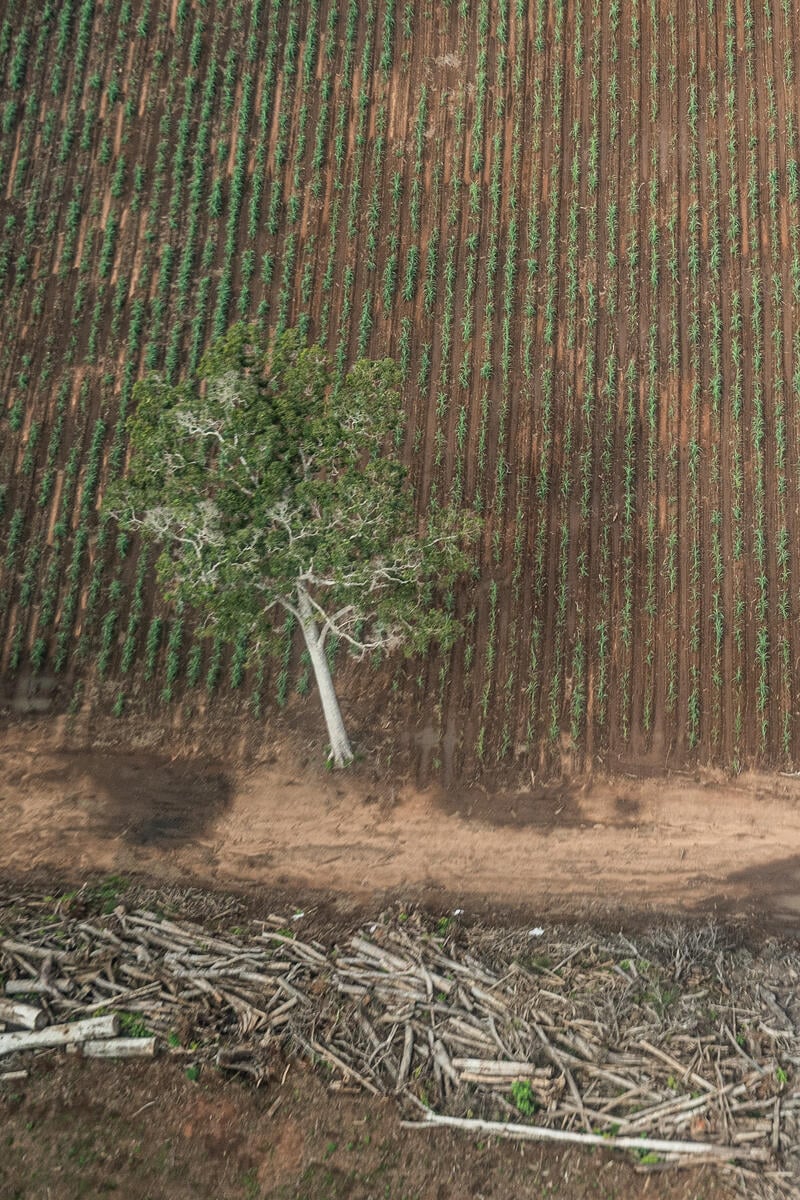
Jakarta, Indonesia, 9 October 2026. The announcement by Special Envoys Hashim Djojohadikusumo and Mari Elka Pangestu at the Indonesia International Sustainability Forum 2026 should be scrutinized properly. Hashim said that Indonesia ‘does not need to expand further the cultivation of rice in so-called forest areas’, as it has successfully reached rice self-sufficiency three years ahead…
-
Residents struggle amid haze in Indonesia, yet government fails to grasp the root cause of peatland fires
About 40 million people across Kalimantan and Sumatra have been forced to breathe hazardous, suffocating haze caused by forest and peatland fires for two months. Yet the Prabowo Subianto-Gibran Rakabuming Raka administration has shown no serious commitment to addressing the haze’s impact on public health, even ignoring calls to declare it a national disaster.
-

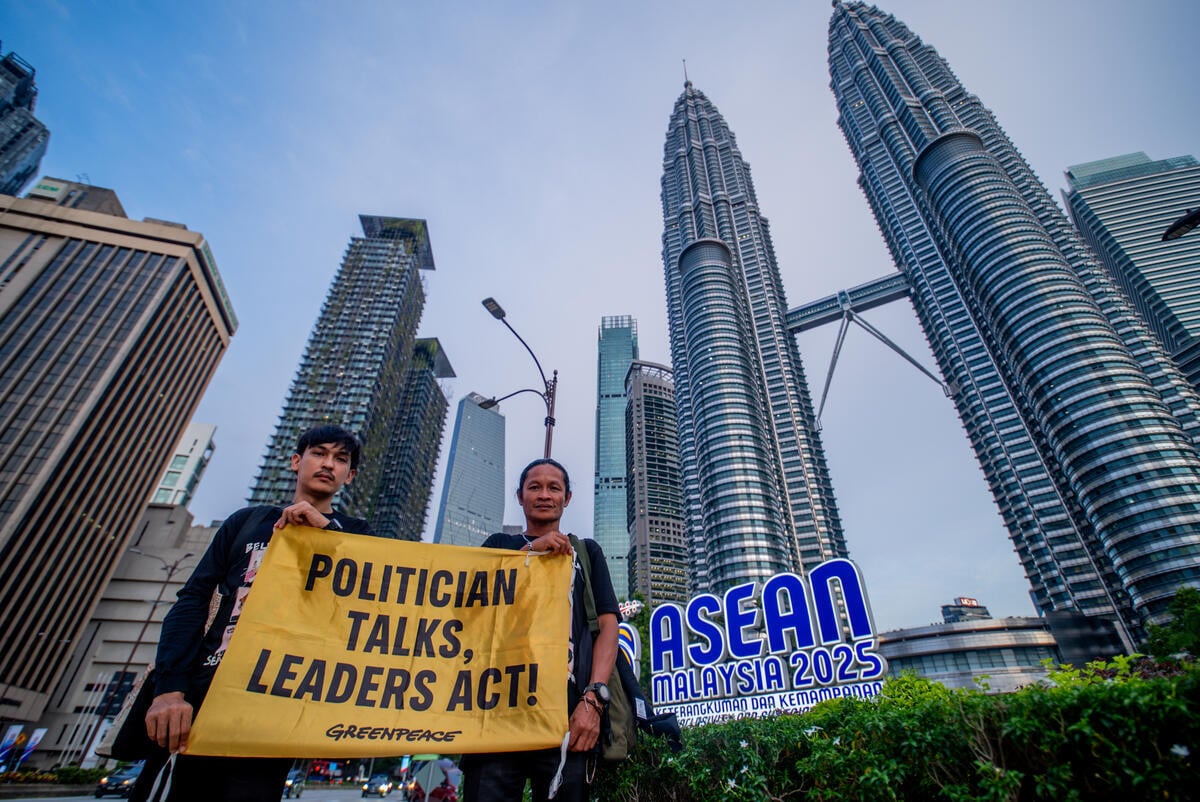
Greenpeace Indonesia and Malaysia: Transboundary haze is not a new disaster, governments and companies must act faster and more decisively
Greenpeace Indonesia and Greenpeace Malaysia are calling for stronger, more transparent and coordinated emergency action to stop the forest and land fires that have once again triggered transboundary haze between Indonesia and Malaysia.
Keep me posted!
Sign up as a Greenpeace supporter to get the latest updates and action alerts in your country.