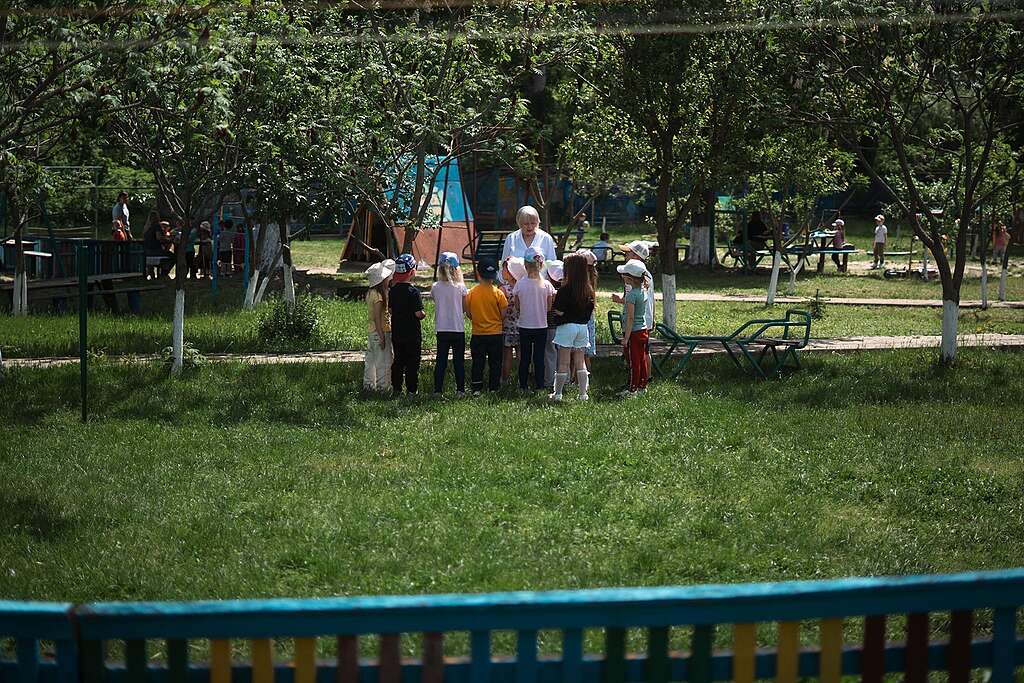
A kindergarten in Ukraine’s Sumy region has received a 20 kW hybrid solar power system. The installation will ensure the uninterrupted operation of the facility during power outages and help the local community reduce electricity costs.

The project is an example of international cooperation supporting Ukraine’s sustainable recovery. Greenpeace Ukraine coordinated the partnership through which the Italian energy company ERG donated the solar equipment, the Swiss MSC Foundation arranged its transportation to Ukraine, and the German humanitarian organization arche nova financed the installation of the system.
“This project demonstrates that Ukraine’s recovery can be not only rapid but also sustainable. Solar energy helps make social infrastructure less vulnerable to attacks on the energy system and ensures the uninterrupted operation of institutions that are critical for local communities. We want to show that green solutions work even under the most challenging wartime conditions and can become the foundation of the country’s future reconstruction,” said Illia Kuksenko, Junior Campaigner at Greenpeace Ukraine.


Before the full-scale invasion, the kindergarten was attended by more than 160 children aged 1.3 to 8 years, including children enrolled in five inclusive groups for children with disabilities.
In May 2022, the building sustained significant damage as a result of a Russian missile attack. The façade, roof, windows, and doors were damaged. However, the kindergarten later became one of the symbols of the community’s recovery following Russian attacks.
In 2024, reconstruction work began at the facility. The local community fully financed the replacement of the roof, while the international partner arche novas, supported the restoration of the windows and doors. The installation of the solar power system marked the next step toward the kindergarten’s full recovery and greater energy resilience.

The hybrid solar power system will enable the kindergarten to maintain critical functions during blackouts, including lighting, kitchen operations, and essential life-support systems. At the same time, the use of solar energy will help reduce electricity expenses and increase the facility’s energy independence.
According to the kindergarten’s director, Ms. Olena, the new system will make an important contribution to the stability of the institution’s operations.
“For us, this is much more than simply solar panels on the roof. It is confidence that even during power outages, the kindergarten will continue operating and children will remain in a comfortable and safe environment. Even in frontline regions, children should have access to quality and comprehensive education. Today, all of our groups are fully enrolled, and there is already a waiting list for next year. This support is therefore an investment in our children’s future, parents’ peace of mind, and the resilience of the entire institution,” said Ms. Olena.
The project is part of broader efforts of Greenpeace Ukraine to promote solar energy in Ukraine and demonstrates how international cooperation can help Ukrainian communities become more resilient to energy-related challenges. The Greenpeace Ukraine team believes that solutions like this not only help communities cope with the consequences of war but also lay the foundation for a green, secure, and sustainable reconstruction of the country.