Shepetivka
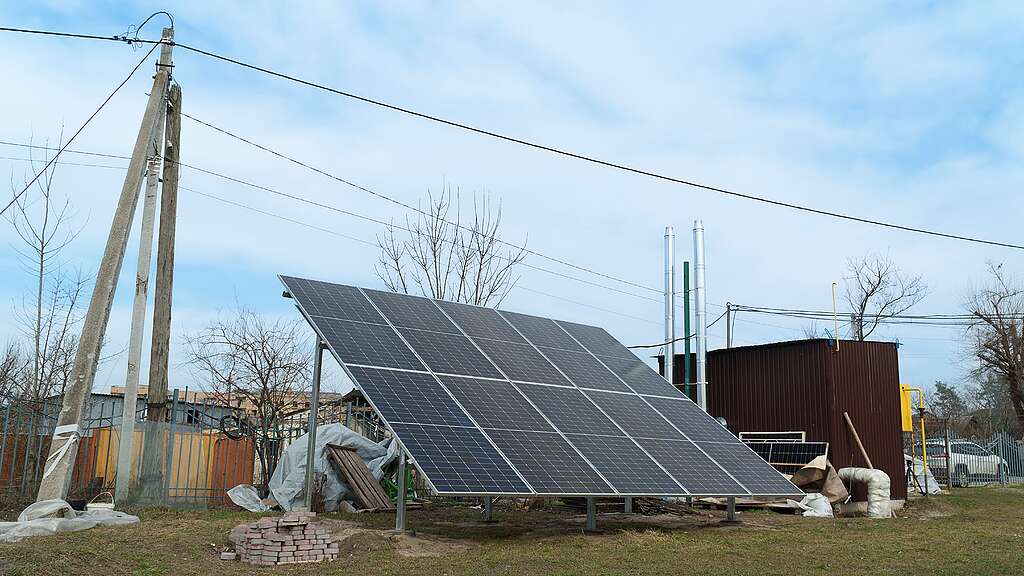
The reconstruction plan involves changing the heating system (at the moment, the hospital runs on coal, which adds to air pollution in the area) and walls and roof replacement and possibly adding a solar system.

Problem
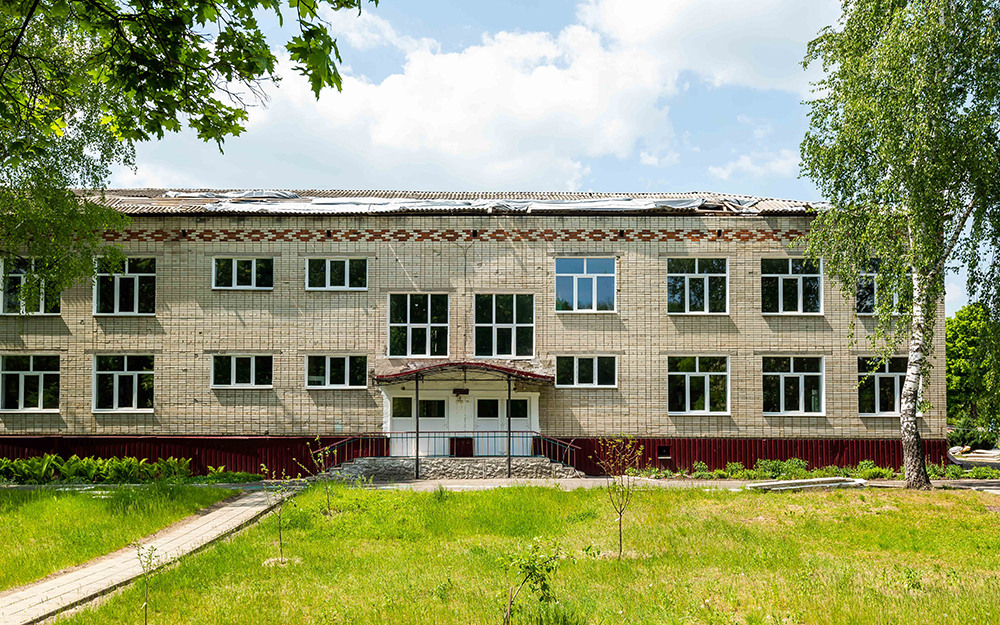
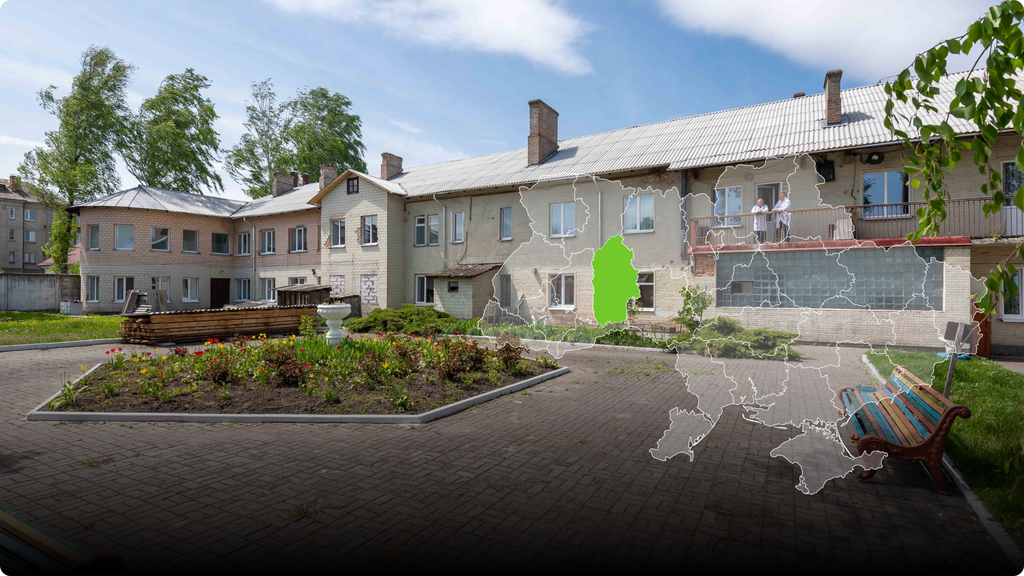
The hospital in Shepetivka was damaged during a missile attack in August 2022. This particular hospital provides healthcare not only for local citizens but also for railway workers and internally displaced people from different parts of Ukraine. The municipality has made basic repairs to keep the hospital running, but it is still struggling.

412 000 euro
The cost of the proposed reconstruction project

172.8 km2
The territory of the city

43 000
City population
Solution
Our aim is to help the municipality with bigger and more sustainable reconstruction, which would secure long-term stability and efficiency.
The reconstruction plan involves changing the heating system (at the moment, the hospital runs on coal, which adds to air pollution in the area) and walls and roof replacement and possibly adding a solar system. This particular project is very important because it not only helps the community but can be a showcase of getting rid of coal and changing it for a better, more efficient, and sustainable heating system for other schools and hospitals in Ukraine, which are still running on coal.
The municipality is ready to start the reconstruction process once it receives funding.

-

The first hospitals in 2026 receive solar power systems from Greenpeace Ukraine and BIOHAUS-Stiftung
The installations have been delivered to medical facilities in Boyarka and Brovary (Kyiv region) and Cherkasy. These communities received energy support from Germany as part of the “Sun for Ukraine”…
-

Zelenyi Val Eco-Space Celebrates Its First Anniversary
In its first year of operation, the youth eco-space brought together 1,126 participants across 85 events, organised in collaboration with 20 experts and practitioners from local initiatives, and became a…
-
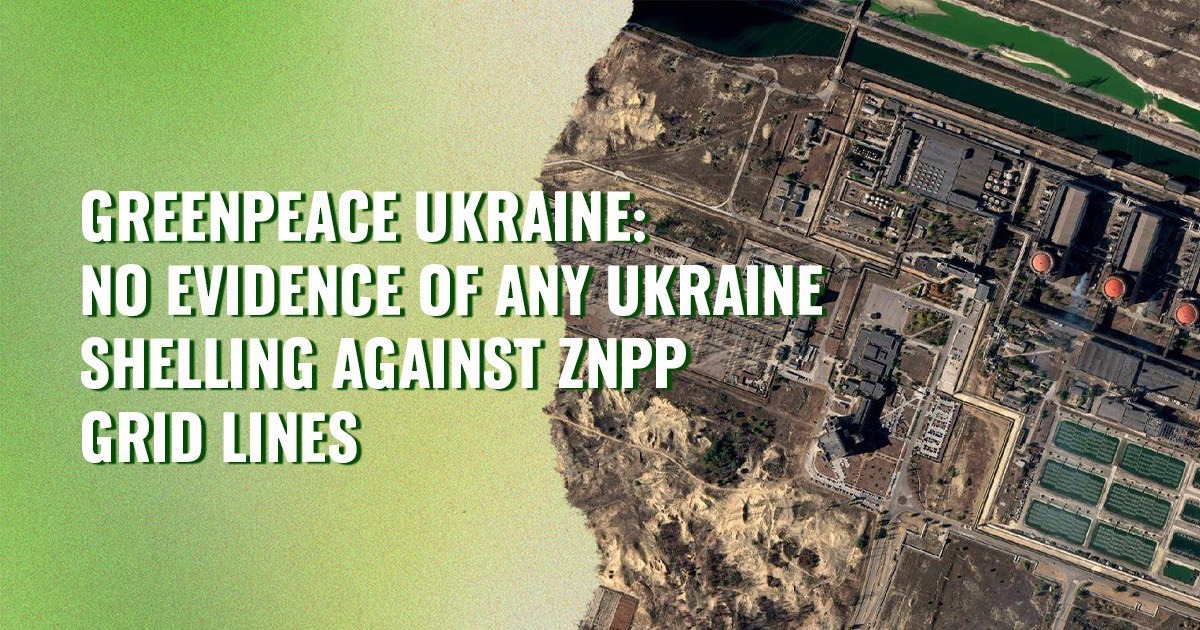
One more year of occupation and false flag operations: Greenpeace Ukraine Analysis Exposes Russian Disinformation of Ukrainian Attacks on Zaporizhzhia Nuclear Plant
12-month review of satellite imagery finds no evidence of Ukrainian shelling and documents Russian military damage to ZNPP power lines